
Unraveling the Intriguing Classification of Phylum Loricifera
Explore the distinct clades and families that define these microscopic marine animals
Key Highlights
- Clade Overview: Loricifera are part of larger groups such as Nephrozoa, Ecdysozoa, and historically the Scalidophora, defined by shared morphological characteristics.
- Family Patterns: Their classification is divided into main orders with distinct families such as Nanaloricidae, Pliciloricidae, and Urnaloricidae, each exhibiting unique habitat adaptations.
- Evolution and Life Cycle: From complex life cycles and bilaterally symmetric body plans to specialized larval forms, their evolutionary legacy is continually refined through ongoing research.
An In-depth Exploration of Loricifera Classification
Introduction to Phylum Loricifera
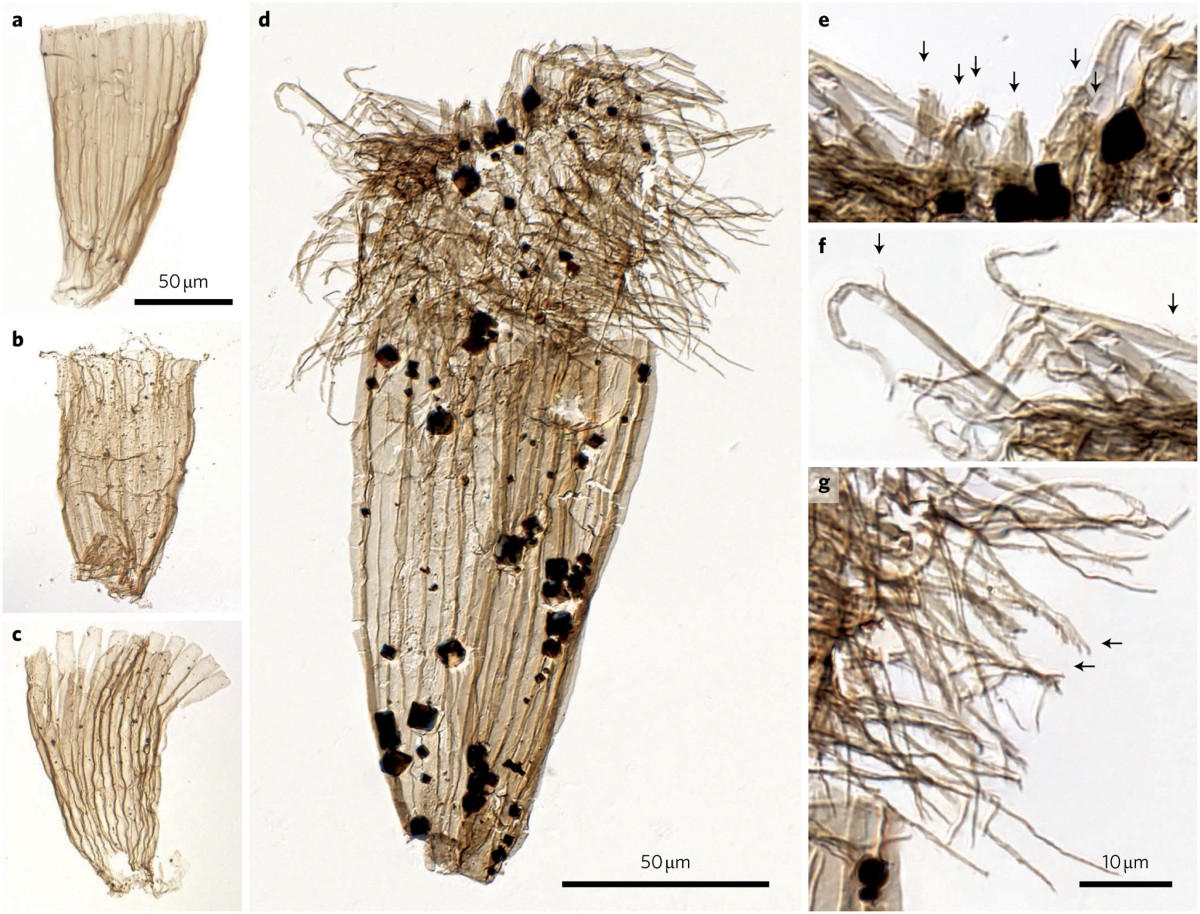
Phylum Loricifera comprises a group of minute marine organisms, first described in 1983. These microscopic animals reside predominantly in sedimentary environments across the world's oceans. Their body is characterized by a protective outer case, the lorica, which is not only a structural protection but also plays a crucial role during their developmental cycle. In addition to their intriguing morphology, Loricifera demonstrate complex life cycles and diverse reproductive strategies that have drawn significant attention in both morphological and molecular studies.
Clades Associated with Loricifera
Nephrozoa
Loricifera belongs to the clade Nephrozoa, which encompasses almost all bilaterians except the Xenacoelomorpha. This clade is divided into Deuterostomia and Protostomia, with Loricifera falling under the Protostomia branch due to its embryological development, where the mouth forms before the anus. The Nephrozoa clade is a broad and overarching category that sets the stage for more specialized subdivisions.
Ecdysozoa
Within Protostomia, Loricifera is placed in the superphylum Ecdysozoa—an expansive group of animals that shed their cuticle during growth. This molting process, which is a defining trait, links these animals to other ecdysozoans such as arthropods and nematodes. The ability to molt is not only crucial for growth but also has implications for survival and adaptation, making Ecdysozoa one of the key frameworks for understanding Loricifera's developmental strategies.
Scalidophora
Historically, Loricifera, along with Priapulida and Kinorhyncha, have been grouped under the clade Scalidophora. This grouping is based on shared anatomical features like the presence of scalids—tiny, spiny appendages on the introvert—which play a role in locomotion and environmental interaction. Although molecular studies have opened debates regarding the exact phylogenetic positioning and potential affinities with groups like Nematomorpha or even Panarthropoda, the Scalidophora hypothesis continues to influence the morphological classification.
Families within Loricifera
The internal classification of phylum Loricifera most explicitly unfolds within the order-level groups. The two primary orders identified are Nanaloricida and Pliciloricida. Each order includes families that are distinguished by specific morphological and ecological characteristics.
Order Nanaloricida
Order Nanaloricida is the best-known group within Loricifera, containing species that have been widely studied. The key family in this order is:
Family Nanaloricidae: This family is characterized by a distinct lorica composed of segmented plates. Members of the Nanaloricidae, such as the type species Nanaloricus mysticus, are typically found in sandy substrates with low detritus. They exhibit a well-organized ring of scalids aiding in their sensory and locomotive functions. Their habitats tend to be environments with clean shell gravel or fine sediments, underscoring their ecological role in sedimentary ecosystems.
Order Pliciloricida
The second main order, Pliciloricida, includes families that are adapted to more varied and sometimes more extreme marine environments. The primary family under this order is:
Family Pliciloricidae: Members of this family are noted for a lorica that possesses folds or plicae, suggesting a degree of flexibility and adaptation to deeper, more complex sedimentary environments. They are often discovered in deep-sea sediments such as abyssal clays or specialized environments with varying oxygen levels. This complexity in the lorica’s structure is hypothesized to be an evolutionary response to the variable physical and chemical conditions in their habitats.
Additionally, some literature and studies reference a third family, Urnaloricidae, though its characteristics are less defined compared to the other two families. The Urnaloricidae group might include species with unique adaptations that are still under investigation, offering potential insights into the broader evolutionary trends of Loricifera.
Detailed Classification Table
| Category | Description | Key Members / Groups |
|---|---|---|
| Nephrozoa | Encompasses almost all bilaterians, covering major subdivisions of animal life. Divides into Protostomia and Deuterostomia. | Loricifera falls under Protostomia. |
| Ecdysozoa | Superphylum of animals that undergo periodic molting of their exoskeleton or cuticle. | Loricifera, Arthropoda, Nematoda. |
| Scalidophora | Historically groups characterized by the presence of scalids on a retractable introvert. | Loricifera, Priapulida, Kinorhyncha. |
| Nanaloricida (Order) | Organizes species with a heavily segmented lorica found in relatively clean sandy substrates. | Nanaloricidae (e.g., Nanaloricus mysticus). |
| Pliciloricida (Order) | Comprises species with a plicate lorica structure, offering flexibility in deep or variable environments. | Pliciloricidae (e.g., Pliciloricus, Rugiloricus, Titaniloricus). |
| Urnaloricidae | A proposed grouping with members exhibiting distinct adaptations; however, less is known and additional research is necessary. | Species currently under review; |
Ecological Role and Life Cycle
Beyond their classification, Loricifera illustrate a range of fascinating biological processes. Their bilaterally symmetrical body is divided into the head (introvert), neck, and trunk, where the lorica offers protection. Their life cycle is complex, involving several larval forms (including the Higgins larva) before full maturity is achieved. The developmental processes may sometimes exhibit paedomorphosis, where juvenile traits persist into the adult stage.
Reproduction typically involves sexual dimorphism with gonochoristic species, although there are instances where hermaphroditism has been observed. Such reproductive strategies, combined with their niche in sedimentary ecosystems, indicate that Loricifera play a subtle yet significant role in nutrient cycling. Their existence in extreme environments, including anoxic sediments and deep-sea clays, shows their remarkable adaptability and evolutionary resilience.
Ongoing Debates and Future Directions
While the classification of Loricifera has become more defined over recent decades, ongoing research continues to refine their phylogenetic relationships. Advanced molecular analyses and comprehensive morphological studies are essential to resolve debates such as the sister group status with Nematomorpha or potential affiliations with Panarthropoda. As more species are discovered and characterized, a clearer understanding of their evolutionary trajectory is expected to emerge, thereby enhancing our overall perspective on the diversity and resilience of life in marine sedimentary niches.
References
- Loricifera - Wikipedia
- Phylum Loricifera: Features and Classification | Marine Animals
-
Systematics of phylum Loricifera: Identification keys of families
-
Phylogenetic Position of Loricifera (PMC Article)
- Loricifera Research Article - Oxford Academic
Recommended Further Explorations
Last updated March 25, 2025