
Exploring the Marvels of Loricifera for Young Minds
Engaging and Understandable Objectives to Introduce Elementary Students to Phylum Loricifera
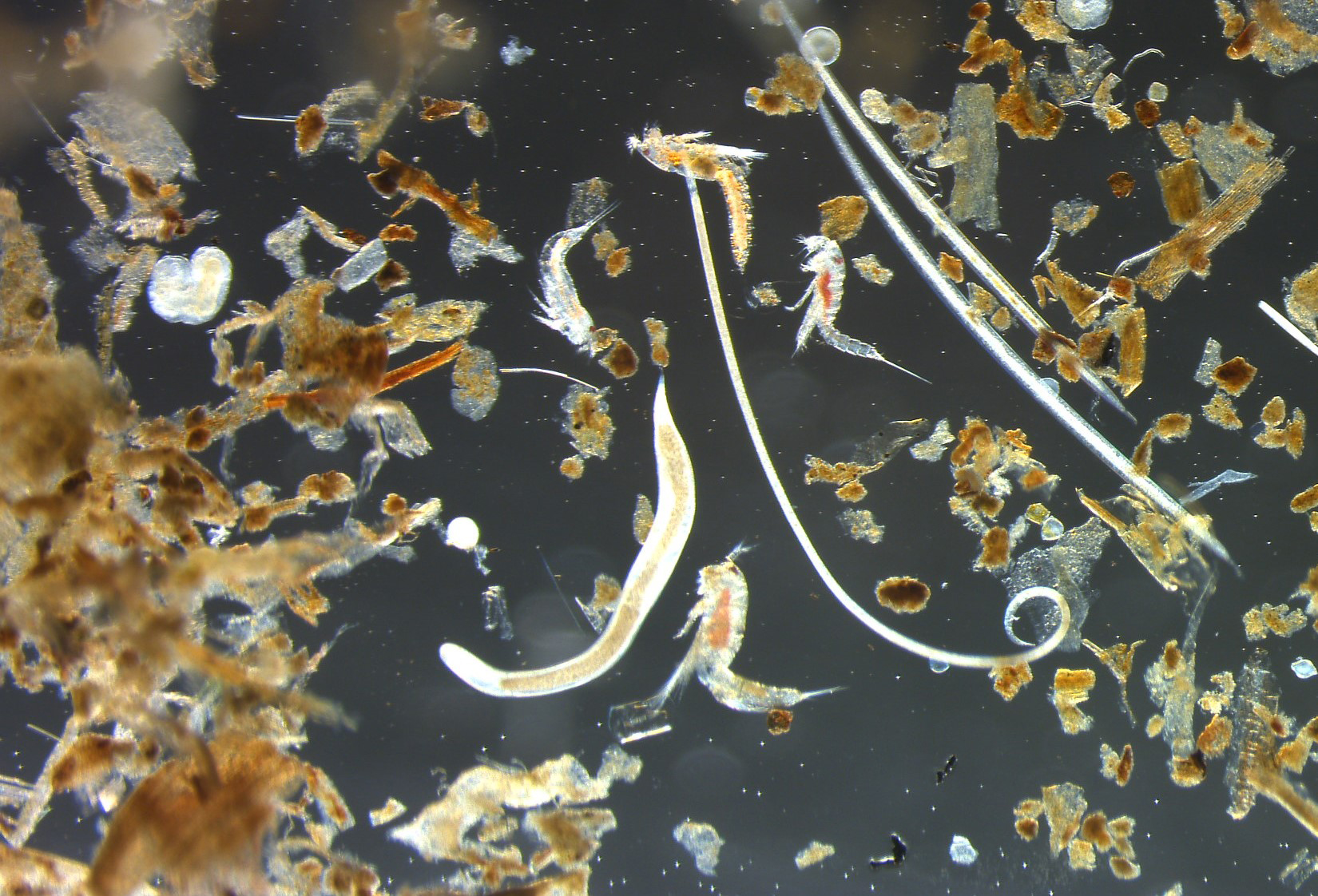
Key Highlights
- Discovery & Definition: Introduce Loricifera as a recently discovered group of tiny marine animals with unique protective shells called lorica.
- Habitat & Adaptations: Explain how these creatures live in extreme, oxygen-free environments and among marine sediments and grains of sand.
- Structure & Life Cycle: Discuss their microscopic size, body structure, special features, and complex life cycle stages in language accessible to elementary students.
Understanding the Phylum Loricifera
Loricifera are a fascinating group of microscopic marine animals that have intrigued scientists since their discovery in 1983. Despite their minuscule size – often being less than one millimeter – these organisms offer a unique window into the diversity of life adapted to extreme environments on our planet. Their distinct outer shell, called a lorica, provides a remarkable example of natural defense mechanisms, as it acts like armor that shields them from potential hazards in their habitat.
Why Teaching Loricifera to Elementary Students is Important
Introducing elementary students to the Phylum Loricifera provides several educational benefits:
- It cultivates an interest in the natural world and fosters curiosity about organisms living in extreme and unusual environments.
- It builds an understanding of biodiversity by highlighting species that are not immediately visible but play important roles in ecological systems.
- It enables students to grasp how life can adapt to diverse environmental challenges – a concept that demands both imagination and scientific inquiry.
Overview of Loricifera Characteristics
Loricifera are part of a larger group known as Ecdysozoa – animals that grow by periodically shedding their outer coverings. Their principal features consist of:
- Size: Extremely tiny and not easily detectable without a microscope.
- Habitat: They reside in marine sediments, especially in spaces between tiny grains of sand, clay, or gravel.
- Protective Shell (Lorica): Their outer casing provides physical protection, much like a soldier’s armor.
- Adaptations: An impressive ability to survive in oxygen-free (anoxic) environments, making them unique among multicellular organisms.
- Life Cycle: A complex series of developmental stages, including distinct larval forms, which help them transition to maturity.
Specific Objectives to Teach about Loricifera
1. Clear Definition and Identification
Objective: Define and Recognize
Elementary students should be able to define what Loricifera are and identify their primary characteristics:
- Definition: Introduce Loricifera as tiny marine animals discovered in the 1980s, notable for their small size and protective lorica.
- Identification: Use clear images and simple diagrams to show the structure of Loricifera, emphasizing their segmented body, protective shell, and microscopic scale.
2. Detailed Explanation of Habitat and Adaptations
Objective: Understand and Explain
Focus on how and where Loricifera live:
- Habitat Exploration: Teach students that Loricifera inhabit the seafloor, specifically in the interstitial spaces of ocean sediments where extreme conditions, including the absence of oxygen, prevail.
- Adaptation Benefits: Explain that living in such a harsh environment requires special adaptations, such as a robust lorica that protects them from predators and environmental stress.
3. Understanding the Unique Body Structure
Objective: Identify Key Features
Illustrate the distinctive body structure of Loricifera:
- Structure Components: Make sure students know about parts such as the head, trunk, and the protective lorica.
- Interactive Learning: Encourage students to draw simple diagrams of Loricifera, labeling its primary structures. This not only reinforces learning but also enhances their observational skills.
4. Insights into the Life Cycle and Reproduction
Objective: Visualize Growth and Change
Provide an overview of the life cycle:
- Stages of Development: Explain that Loricifera are born as larvae, often referred to as Higgins larvae, and evolve through several distinct stages before maturing into adults.
- Reproductive Strategies: Although the details of reproduction might be complex, focus on explaining that some species are hermaphroditic (possessing both male and female reproductive organs), which helps ensure their survival in challenging environments.
5. Emphasizing the Ecological Importance of Loricifera
Objective: Appreciate Biodiversity
It is crucial for students to recognize the role of even the tiniest organisms:
- Contribution to the Marine Ecosystem: Outline how Loricifera contribute to nutrient cycles and serve as indicators of the health of marine environments.
- Ecological Indicators: Discuss that these organisms can signal changes in sediment composition and environmental conditions, which is significant for marine scientists in monitoring ecosystem health.
Comprehensive Teaching Strategies and Assessment
Teaching Strategies
Here are some engaging strategies to help students understand and remember key concepts about Loricifera:
- Interactive Presentations: Employ multimedia presentations with images and videos that depict Loricifera in their natural sediment habitats.
- Hands-On Activities: Create simple craft projects where students build a model of a Loricifera’s lorica using everyday materials like clay, paper, or recycled objects.
- Guest Sessions: Organize short talks or virtual sessions with marine biologists who specialize in microscopic marine life to share real-life experiences and discoveries.
- Class Discussions: Foster group discussions or Q&A sessions where students can ask questions and share what fascinates them about these unique creatures.
- Comparative Studies: Provide opportunities for students to compare Loricifera with other tiny marine organisms such as tardigrades or rotifers, noting differences and similarities.
Assessment Methods
To gauge the students' understanding of Loricifera, consider the following assessment techniques that combine both creative and academic evaluation:
| Assessment Method | Description | Expected Outcome |
|---|---|---|
| Quiz/Test | A simple quiz comprising multiple-choice questions and short answer prompts to review key points like habitat, body structure, and ecological roles. | Students should be able to correctly identify and explain the primary features of Loricifera. |
| Drawing/Diagram | Students create a diagram of a Loricifera, labeling the lorica, head, trunk, and any visible appendages. | This exercise reinforces visual recognition and retention of key anatomical features. |
| Group Presentation | Small groups work together to prepare short presentations or posters describing the life cycle and habitat of Loricifera. | Encourages collaborative learning and verbal articulation of scientific concepts. |
| Interactive Q&A Session | A class discussion or role-play activity where students ask and answer questions about Loricifera’s unique adaptations and environmental importance. | Enhances critical thinking and matching of the animal’s traits to its environmental role. |
Supplementary Educational Content
Expanding on Loricifera: Fun Facts and Deep Dives
Beyond the basic objectives, there are several interesting aspects of Loricifera that can enrich a lesson plan for young students:
- Scientific Milestone: Their discovery in 1983 brought a new perspective to our understanding of life in extreme environments. This landmark discovery challenges common assumptions about where life can thrive.
- Miniature Soldiers: Their protective lorica is not just a physical shield – it is a remarkable adaptation developed through evolution over millennia, making them a fantastic case study in evolutionary biology.
- Anoxic Living: Their ability to live in environments devoid of oxygen is unique among complex organisms, emphasizing the diversity of life and its unexpected capabilities.
- Comparison with Other Microscopic Organisms: Comparing Loricifera with tardigrades and rotifers can help students appreciate diverse survival strategies, reinforcing broader scientific concepts about adaptation.
- Environmental Indicators: Highlight how the study of such organisms can help scientists gauge the health of marine ecosystems, illustrating the connection between biodiversity and environmental monitoring.
When integrating these fun facts into a lesson, educators can use storytelling techniques to personalize the world of Loricifera. By anthropomorphizing these tiny creatures in a gentle and creative manner, students may develop a stronger emotional connection to the subject matter, motivating further inquiry.
Interactive Projects & Research Activities
Project Ideas to Engage Young Learners
Hands-on projects not only make lessons memorable but also encourage critical thinking. Here are a few project ideas related to Loricifera:
- Model Building: Students can use modeling clay to sculpt a representation of a Loricifera, focusing on details like the lorica and body segmentation. They should label and present their models, explaining each part’s function.
- Habitat Diorama: Construct a mini-ocean floor environment using a shoebox. Students can include sand, small pebbles, and other craft materials to create the specific setting where Loricifera live. They can then depict the Loricifera within this habitat.
- Creative Storytelling: Ask students to write or illustrate a short story about the life of a Loricifera. This creative exercise connects scientific facts with imagination while reinforcing knowledge about its habitat, challenges, and survival tactics.
- Interactive Role-Plays: Organize a classroom role-play where some students act as Loricifera while others are marine biologists. This role-play can simulate discovering these tiny creatures and discussing their survival strategies.
- Research Assignments: For advanced elementary groups, small research assignments or digital presentations could further explore Loricifera species diversity, life cycles, and their role in marine ecosystems.
References
- Loricifera - Wikipedia
- Loricifera Facts for Kids - Kiddle Encyclopedia
- Loricifera - Taxonomy Australia
- Discoveries About Loricifera - Oxford Academic
- Systematics of Phylum Loricifera - ResearchGate
Recommended Related Queries
 media.eol.org
Last updated March 23, 2025