
Unlock Your Path to Losing 10 Pounds: A Practical Monthly Guide
Achieve your weight loss goals with sustainable strategies, not quick fixes. This guide explores how to approach losing 10 pounds in a month intelligently.
Essential Insights for Your Journey
- Sustainable Change is Key: While losing 10 pounds in a month is an ambitious goal, focusing on gradual, healthy habits is crucial for long-term success and avoiding the "yo-yo" effect. A typical safe rate is 1-2 pounds per week.
- Holistic Approach Wins: Effective weight management combines balanced nutrition, regular physical activity, adequate sleep, stress management, and mindful eating practices.
- Personalization Matters: Individual results vary based on starting weight, metabolism, genetics, and adherence to the plan. What works for one may need adjustment for another.
Embarking on a journey to lose 10 pounds in a month can feel empowering. While the term "easy" is subjective, this guide aims to provide straightforward, actionable strategies. It's important to understand that significant weight loss requires dedication, consistency, and a focus on health above all. For some, particularly those with more weight to lose, 10 pounds in a month might be achievable through diligent effort. However, for many, a steady loss of 1-2 pounds per week (4-8 pounds a month) is a more sustainable and widely recommended target. Always consult with a healthcare professional before making significant changes to your diet or exercise routine.

Journeys of transformation often begin with clear, achievable goals and consistent effort.
10 Key Subtopics for Your Comprehensive Weight Loss Guide
Here are ten essential angles to structure a PDF guide focused on achieving a 10-pound weight loss goal in a month, emphasizing practicality and well-being:
1. The Foundation: Understanding Safe & Realistic Weight Loss
Setting the Stage for Success
This section should clarify that while 10 pounds in a month is ambitious, a healthy rate is typically 1-2 pounds per week. Discuss the importance of setting SMART (Specific, Measurable, Achievable, Relevant, Time-bound) goals that extend beyond just the number on the scale, focusing on sustainable lifestyle changes. Outline the potential risks of overly rapid weight loss, such as nutrient deficiencies, muscle loss, and metabolic slowdown, encouraging a balanced perspective.
2. Powering Down: Creating a Sustainable Calorie Deficit
The Energy Balance Equation
Explain the fundamental principle of weight loss: expending more calories than consumed. Offer practical, "easy-to-understand" ways to create a moderate calorie deficit (e.g., 500-750 calories per day) without inducing extreme hunger or deprivation. Tips could include mindful portion control, using smaller plates, understanding food labels, and making smart swaps for lower-calorie, nutrient-dense options. Emphasize not dropping below essential calorie minimums (e.g., 1200 for women, 1500 for men) without medical supervision.
3. Fueling Up Right: Nutrition for Energy and Fat Loss
Nourishing Your Body Effectively
Focus on the quality of calories consumed. This involves prioritizing whole, unprocessed foods such as fruits, vegetables, lean proteins, and healthy fats. Explain how protein (e.g., 1.2-1.6 grams per kg of body weight) and fiber contribute to satiety, helping manage hunger and preserve muscle mass during calorie restriction. Provide examples of balanced meals and snack ideas. Suggest reducing intake of sugary drinks, refined carbohydrates, and heavily processed foods.

A balanced, delicious meal like honey-garlic chicken with vegetables can be part of a successful weight loss plan.
4. Active Living: Integrating Enjoyable Movement
Making Exercise a Habit
Detail the importance of physical activity for burning calories, improving metabolism, and maintaining muscle mass. Suggest a combination of cardiovascular exercises (like brisk walking, jogging, cycling, or swimming for 150-300 minutes per week) and strength training (2-3 times per week). Emphasize finding enjoyable activities to ensure consistency and highlight how small increases in daily movement (e.g., taking stairs, walking during breaks) contribute significantly.
5. Timing is Everything? Exploring Intermittent Fasting (IF)
A Flexible Approach to Calorie Management
Introduce popular IF methods like the 16:8 (fasting for 16 hours, eating within an 8-hour window) or the 5:2 diet (eating normally for 5 days, significantly restricting calories for 2 days). Explain how IF can simplify calorie reduction and may offer metabolic benefits. It's crucial to stress that IF is not suitable for everyone and should be approached cautiously, ideally with guidance from a healthcare provider, especially if considering very low-calorie days.
6. Hydration Hero: The Simple Power of Water
Drink Your Way to Better Health
Underscore the often-underestimated role of adequate water intake. Explain how hydration supports metabolism, can help manage appetite (drinking water before meals can increase fullness), and is essential for overall bodily functions. Provide simple tips for increasing daily water consumption and for choosing water over sugary beverages, which can significantly cut calorie intake.
7. Mind Over Matter: Cultivating Healthy Eating Behaviors
Developing a Positive Relationship with Food
Address the psychological aspects of eating. Introduce mindful eating techniques to help individuals pay attention to hunger and satiety cues, eat slower, and savor food, reducing instances of mindless or emotional eating. Suggest the utility of keeping a food diary or using an app to track intake, which can increase awareness of eating patterns and identify areas for improvement.
8. Rest & Recharge: The Impact of Sleep and Stress
The Unseen Influencers
Explain the critical connection between sleep, stress, and weight management. Insufficient sleep can disrupt hunger-regulating hormones (ghrelin and leptin) and increase cortisol levels, potentially leading to increased appetite and fat storage. Similarly, chronic stress can trigger emotional eating and elevate cortisol. Offer simple, actionable tips for improving sleep hygiene (e.g., consistent sleep schedule, calming bedtime routine) and managing stress (e.g., meditation, yoga, hobbies).
9. Tracking & Tweaking: Monitoring Progress for Success
Staying on Course
Discuss strategies for monitoring progress beyond just the scale, such as tracking body measurements, how clothes fit, energy levels, and improvements in physical performance. Emphasize the importance of regular self-monitoring (e.g., weekly weigh-ins) to stay motivated and make necessary adjustments to the plan. This section can also cover how to navigate plateaus and minor setbacks without getting discouraged.
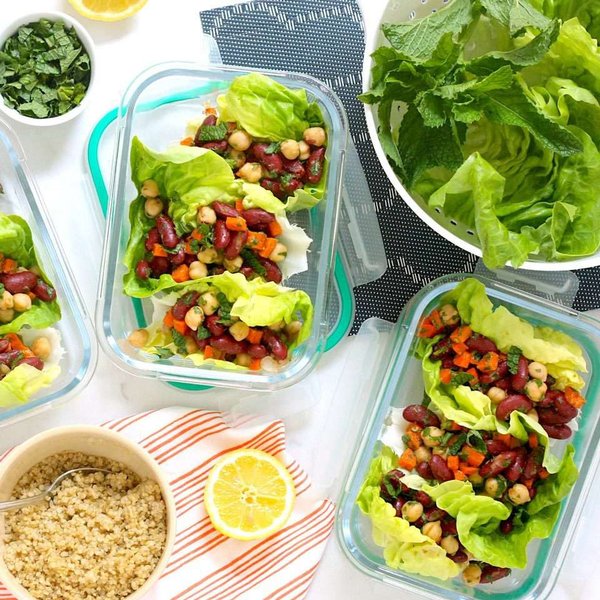
Meal prepping can be a powerful tool for tracking intake and ensuring healthy choices throughout the week.
10. Beyond the Month: Building Lasting Healthy Habits
Making It a Lifestyle
Focus on the transition from a month-long effort to a sustainable lifestyle. Stress that the goal is not just short-term weight loss but long-term health and weight maintenance. Provide strategies for integrating the learned healthy eating and exercise routines into daily life permanently, recognizing and managing potential triggers for old habits, and fostering intrinsic motivation for ongoing well-being.
Understanding Your Target Audience
A guide on losing 10 pounds in a month, framed with an "easy" or practical approach, would appeal to a diverse group of individuals.
Who is Interested?
- Busy Adults (25-55): Professionals, parents, or individuals with demanding schedules looking for efficient and straightforward weight loss methods that don't require overly complex planning or time commitment.
- Individuals New to Weight Loss: Those who may feel overwhelmed by the vast amount of information and are seeking a clear, step-by-step plan to get started.
- Health-Motivated Individuals: People aiming to improve overall health markers, reduce risks associated with excess weight (like pre-diabetes or mild hypertension), or simply feel more energetic.
- Event-Driven Individuals: Those preparing for a specific event (e.g., wedding, vacation, reunion) and seeking noticeable results within a defined timeframe, while still valuing a healthy approach.
- People Frustrated by Past Attempts: Individuals who have tried various diets without sustained success and are looking for a more balanced, less restrictive, and potentially more "doable" strategy.
What Problems Do They Want Solved?
- Desire for Noticeable, Yet Safe, Results: They want to see progress relatively quickly but are increasingly aware of the pitfalls of crash diets and seek methods that won't compromise their health.
- Need for Simplicity and Practicality: Complex or overly restrictive plans are often abandoned. They seek actionable steps that can be easily integrated into their existing lifestyles.
- Guidance on Sustainable Habits: Even if the initial goal is short-term, there's an underlying desire to learn habits that can help maintain weight loss and prevent regain.
- Overcoming Lack of Motivation or Feeling "Stuck": They are looking for clear direction, encouragement, and strategies to stay on track when motivation wanes.
- Clarity Amidst Conflicting Information: The diet and fitness world is full of contradictory advice. They seek a reliable, sensible approach.
- Managing Hunger and Cravings: A key concern is how to lose weight without feeling constantly hungry or deprived of enjoyable foods.
- Integrating Fitness Realistically: Finding ways to incorporate effective exercise without it feeling like a burden or requiring hours at the gym.
Visualizing Key Weight Loss Components
To better understand how different weight loss strategies compare, the following chart assesses several common approaches across key factors. This is a generalized comparison; individual experiences can vary. The scores are on a scale where a higher number indicates a more favorable assessment for that specific factor (e.g., higher "Ease of Daily Adherence" means it's generally easier to stick to).
This chart visually represents how different approaches might rank. For instance, a "Balanced Deficit" scores high on "Nutritional Focus" and "Long-Term Sustainability," while "Cardio & Strength" excels in "Muscle Support" and "Effectiveness" when diligently applied. "Intermittent Fasting (16:8)" shows strong "Effectiveness" potential and moderate "Ease of Adherence" for many.
Mapping Your Strategy for Success
Losing 10 pounds in a month effectively and safely involves several interconnected components. The mindmap below illustrates these key pillars and their sub-elements, providing a holistic overview of a successful weight management strategy.
Effectively & Safely"] id1["Key Pillars"] id1_1["Dietary Strategies"] id1_1_1["Calorie Deficit
(500-750 kcal/day)"] id1_1_2["Nutrient-Dense Foods
(Whole Foods)"] id1_1_3["Adequate Protein & Fiber"] id1_1_4["Sufficient Hydration"] id1_1_5["Portion Control"] id1_1_6["Reduced Processed Foods
& Sugary Drinks"] id1_2["Physical Activity"] id1_2_1["Cardiovascular Exercise
(150-300 mins/week)"] id1_2_2["Strength Training
(2-3 times/week)"] id1_2_3["Increased Daily Movement
(NEAT)"] id1_3["Lifestyle Adjustments"] id1_3_1["Quality Sleep
(7-9 hours)"] id1_3_2["Stress Management
Techniques"] id1_3_3["Consistency & Patience"] id1_4["Mindset & Behavior"] id1_4_1["Realistic Goal Setting
(SMART Goals)"] id1_4_2["Mindful Eating Practices"] id1_4_3["Regular Progress Tracking"] id1_4_4["Strategies for Setbacks"] id2["Important Considerations"] id2_1["Prioritize Safety
(1-2 lbs/week is ideal)"] id2_2["Sustainability Over
Quick Fixes"] id2_3["Individual Variability
(Results May Differ)"] id2_4["Consult Healthcare Professional
(Especially with health conditions)"]
This mindmap visually structures the core areas to focus on: Dietary Strategies, Physical Activity, Lifestyle Adjustments, and Mindset & Behavior. Each pillar is broken down into actionable components. Crucially, it also highlights overarching considerations like safety, sustainability, and the importance of professional guidance when needed.
Enhancing Your Understanding: Intermittent Fasting Explained
Intermittent Fasting (IF) is a popular dietary approach that cycles between periods of eating and voluntary fasting. One common method is the 16:8, where you fast for 16 hours and restrict your eating to an 8-hour window. The video below features a doctor explaining the 16:8 IF method, covering how it works, potential benefits for weight loss and blood sugar control, and food groups to consider. Understanding such methods can be a valuable part of your weight loss toolkit, provided it aligns with your health status and lifestyle.
This particular approach to eating can help some individuals manage their calorie intake more easily by limiting the time frame in which they eat. It may also have other metabolic benefits, but it's important to remember that it's not a magic bullet and overall diet quality within the eating window remains paramount. As with any significant dietary change, it's wise to research thoroughly and consider consulting a healthcare professional.
Comparing Popular Weight Loss Approaches
Various dietary strategies can lead to weight loss. The table below provides a simplified comparison of some common approaches, highlighting their primary mechanisms, typical initial loss rates, sustainability, and key considerations. Remember, "typical" can vary greatly by individual.
| Approach | Primary Mechanism | Typical Initial Loss Rate (1st Month) | Long-Term Sustainability | Key Considerations |
|---|---|---|---|---|
| Balanced Calorie Deficit | Consuming fewer calories than expended, focusing on nutrient-dense whole foods. | Moderate (4-8 lbs) | High (flexible and promotes healthy habits) | Requires consistent tracking and mindful eating; very adaptable. |
| Low-Carbohydrate Diet (e.g., Keto, Atkins) | Restricting carbohydrate intake significantly, leading to ketosis and reduced appetite for some. | Moderate to Rapid (5-10+ lbs, often includes water weight) | Moderate (can be restrictive; may impact athletic performance for some) | Initial rapid loss can be motivating; potential for nutrient deficiencies if not well-planned; "keto flu" initially. |
| Intermittent Fasting (e.g., 16:8) | Restricting eating to specific time windows, often leading to reduced overall calorie intake. | Moderate (4-8 lbs) | Moderate to High (depends on individual preference and lifestyle compatibility) | Can simplify meal planning; not suitable for everyone (e.g., certain medical conditions, history of eating disorders). Hunger can be an issue initially. |
| Very Low-Calorie Diet (VLCD) | Consuming very few calories (e.g., 800 kcal/day) typically with meal replacements. | Rapid (10-20+ lbs) | Low (designed for short-term use under medical supervision) | Must be medically supervised. Reserved for specific clinical situations (e.g., severe obesity). High risk of nutrient deficiencies and side effects if not managed by a professional. |
This table illustrates that while some methods promise faster initial results, sustainability and overall health impact are crucial factors. A balanced approach is often the most sustainable for long-term health and weight management.
Frequently Asked Questions (FAQ)
Is it truly "easy" to lose 10 lbs in a month?
What is a safe rate of weight loss?
Do I need to starve myself to lose 10 lbs?
Is exercise absolutely necessary to lose 10 lbs in a month?
What if I hit a weight loss plateau?
Conclusion: A Journey of Sustainable Health
Aiming to lose 10 pounds in a month can be a strong motivator to adopt healthier habits. However, the ultimate goal should extend beyond a number on the scale or a specific timeframe. True success lies in making sustainable changes to your diet, physical activity, and lifestyle that promote long-term health and well-being. By focusing on nourishing your body, moving regularly, managing stress, and getting adequate rest, you're not just working towards weight loss but investing in a healthier, more energetic future. Remember to approach this journey with patience, consistency, and self-compassion, and always consult healthcare professionals for personalized advice, especially if you have underlying health conditions.
Recommended Further Exploration
- What are the best nutrient-dense foods for weight loss and satiety?
- How can I create a beginner-friendly strength training routine for home?
- What are effective strategies for overcoming emotional eating habits?
- How does sleep quality specifically impact metabolism and weight management?
References
Last updated May 21, 2025