
Can You Realistically Lose 40 Pounds by August Starting Now?
A deep dive into the feasibility, strategy, and safety of reaching 190 lbs from 230 lbs in approximately 3 months.
You're aiming to lose 40 pounds, dropping from 230 lbs to 190 lbs, by August. With today being April 27, 2025, this gives you roughly 14 weeks (until early August). You're 41 years old and currently run 7 miles per week. Let's break down whether this goal is achievable and how you might approach it safely and effectively.
Key Considerations for Your Goal
- Ambitious Timeline: Losing 40 pounds in approximately 14 weeks requires an average weight loss of nearly 3 pounds per week, which is significantly faster than the generally recommended safe rate of 1-2 pounds per week.
- Intensive Effort Required: Achieving this goal necessitates a substantial and consistent calorie deficit through a combination of significantly modified diet and increased exercise intensity and volume beyond your current 7 miles of running per week.
- Professional Guidance is Crucial: Given the rapid pace required and your age, consulting with a doctor or registered dietitian before starting is highly recommended to ensure safety, tailor the plan to your health status, and monitor progress.
Understanding the Challenge: The Math and the Reality
Calculating the Required Pace
Your goal involves shedding 40 pounds. The timeframe from late April to early August is approximately 14 weeks.
\[ \frac{40 \text{ pounds}}{14 \text{ weeks}} \approx 2.86 \text{ pounds per week} \]This rate of ~2.9 pounds per week is considerably higher than the 1-2 pounds per week often cited by health experts as safe and sustainable for long-term success. While not impossible, losing weight this quickly presents several challenges:
- Health Risks: Rapid weight loss can sometimes lead to gallstones, nutrient deficiencies, muscle loss (instead of primarily fat loss), fatigue, and metabolic slowdown.
- Sustainability: Very aggressive plans can be difficult to maintain, potentially leading to burnout or regaining weight once the intense regimen stops.
- Individual Variation: Factors like genetics, metabolism (which can naturally slow slightly with age), starting body composition, and adherence significantly impact results.
The Caloric Deficit Needed
To lose one pound of fat, you need to create a deficit of approximately 3,500 calories. To lose ~2.9 pounds per week, you'd need a weekly deficit of:
\[ 2.86 \text{ lbs/week} \times 3500 \text{ calories/lb} \approx 10,010 \text{ calories per week} \]This translates to an average daily deficit of about:
\[ \frac{10,010 \text{ calories}}{7 \text{ days}} \approx 1,430 \text{ calories per day} \]Creating such a large daily deficit requires a very disciplined approach to both diet and exercise.
Your Starting Point and Path Forward
Leveraging Your Current Activity
Running 7 miles per week is a positive habit! Depending on your pace and weight, this likely burns around 700-800 calories per week (roughly 100-115 calories per mile). While beneficial for cardiovascular health and contributing to your calorie expenditure, it's only a small fraction of the deficit needed to reach your ambitious goal. To succeed, you'll need to significantly ramp up your activity levels and make substantial dietary changes.
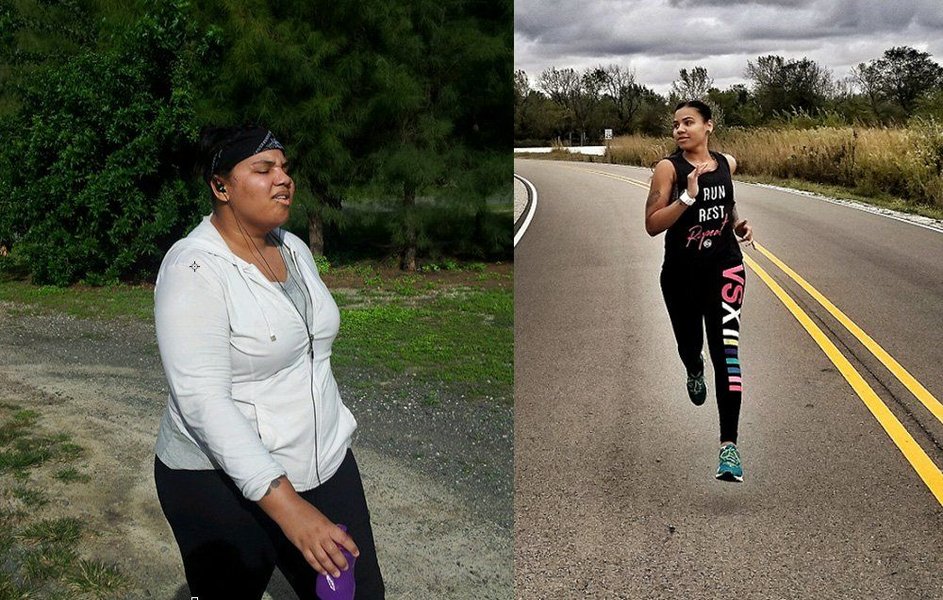
Running can be a powerful tool for weight loss when combined with other strategies.
Developing a Strategic Plan
A successful plan will integrate diet, exercise, and lifestyle adjustments. Remember, consistency is key.
Dietary Overhaul: Fueling Fat Loss
- Calorie Control: Track your intake accurately using an app or journal. Aiming for the calculated ~1430 calorie daily deficit requires careful planning. Determine your maintenance calories (likely around 2500-3000+ at 230 lbs) and subtract the target deficit, ensuring your intake doesn't drop below safe levels (generally not below 1200-1500 calories without medical supervision).
- Nutrient Density: Focus on whole, unprocessed foods – vegetables, fruits, lean proteins (chicken, fish, tofu, legumes), and whole grains. These provide essential nutrients and fiber, aiding satiety.
- Protein Power: Increase protein intake significantly. Protein helps preserve muscle mass during calorie restriction and keeps you feeling fuller for longer. Aim for adequate protein spread throughout the day.
- Fiber Focus: High-fiber foods (vegetables, fruits, whole grains, legumes) also promote fullness and digestive health.
- Reduce Empty Calories: Minimize sugary drinks, refined carbohydrates (white bread, pasta, pastries), processed snacks, and excessive unhealthy fats.
- Hydration is Key: Drink plenty of water throughout the day. Sometimes thirst is mistaken for hunger.
- Mindful Eating: Pay attention to portion sizes and eat slowly, savoring your food.
Exercise Enhancement: Burning More Calories
- Boost Your Running:
- Increase Frequency/Duration: Gradually add more running days or extend the length of your runs. Aiming for 3-5 runs per week could significantly increase calorie burn.
- Add Intensity: Incorporate interval training (alternating high-intensity bursts with recovery periods) or tempo runs (running at a sustained challenging pace). Examples include aerobic intervals (1-2 min fast, 2-3 min recovery) or running segments at your 5k pace.
- Long Run: Include one longer, steady-paced run per week to build endurance and burn substantial calories.
- Strength Training is Non-Negotiable:
- Frequency: Aim for 2-3 strength training sessions per week on non-consecutive days.
- Why it Matters: Building or preserving muscle mass is crucial. Muscle tissue burns more calories at rest than fat tissue, boosting your metabolism. It also helps create a more toned physique as you lose weight.
- Exercises: Include compound movements that work multiple muscle groups (squats, lunges, push-ups, rows, planks). You can use bodyweight, resistance bands, or weights.
- Increase Non-Exercise Activity Thermogenesis (NEAT): Burn more calories throughout the day by simply moving more – take the stairs, walk during breaks, stand more often, fidget. Aim for a daily step goal (e.g., 10,000 steps).

Combining running with strength training and dietary changes yields the best results.
Lifestyle Factors
- Prioritize Sleep: Aim for 7-9 hours of quality sleep per night. Poor sleep can disrupt hormones that regulate appetite and increase cravings for unhealthy foods.
- Manage Stress: Chronic stress can also affect hormones and lead to weight gain or difficulty losing weight. Find healthy coping mechanisms like meditation, yoga, or hobbies.
Visualizing the Required Effort
To achieve a weight loss of nearly 3 pounds per week, a very high level of commitment across various areas is necessary. The radar chart below illustrates the intensity required for key components of such an aggressive plan. This is a subjective representation based on the demands of the goal.
This chart highlights that achieving your goal demands near-maximum effort in dietary control and consistency, alongside significant increases in exercise and attention to lifestyle factors.
Mapping Your Weight Loss Journey
The mind map below outlines the core components and actions involved in tackling this ambitious weight loss goal.
This map visually breaks down the multi-faceted approach required, emphasizing the interplay between diet, exercise, lifestyle, and professional oversight.
Comparing Approaches: Safe vs. Aggressive
Understanding the differences between a standard recommended weight loss pace and the aggressive pace required for your goal is important:
| Feature | Safe Rate (1-2 lbs/wk) | Target Rate (~2.9 lbs/wk) |
|---|---|---|
| Weekly Loss | 1-2 pounds | ~2.9 pounds |
| Approx. Daily Calorie Deficit | 500 - 1000 kcal | ~1400+ kcal |
| Time to Lose 40 lbs | 20 - 40 weeks | ~14 weeks |
| Health Risk | Low | Moderate to High (without professional supervision) |
| Sustainability | Higher | Lower (risk of burnout/regain) |
| Muscle Loss Risk | Lower | Higher (mitigated by high protein & strength training) |
| Requires | Consistent Diet & Exercise | Intensive Diet, Rigorous Exercise & Monitoring |
| Professional Guidance | Recommended | Highly Recommended / Essential |
This table starkly contrasts the demands and potential downsides of the rapid weight loss required to meet your August deadline versus a more conventional, sustainable approach.
The Verdict: Is It Doable and Should You Do It?
Losing 40 pounds by August is theoretically possible but extremely challenging and carries potential risks if not managed carefully. It requires an unwavering commitment to a highly restrictive diet and a significantly increased exercise regimen, far beyond your current 7 miles per week.
Prioritize Health and Sustainability
Instead of focusing solely on the August deadline, consider prioritizing sustainable habits that lead to long-term health and weight management. Even if you don't reach exactly 190 lbs by August, implementing significant changes could still result in substantial weight loss (e.g., 15-25 pounds) during this period, setting you up for continued success.
Crucially, consult your doctor before undertaking such an aggressive plan. They can assess your health, discuss potential risks, help you set realistic intermediate goals, and possibly refer you to a registered dietitian or a medically supervised weight loss program if appropriate.

Significant transformations are possible with dedication, but safety and long-term health should always come first.
Frequently Asked Questions (FAQ)
Is losing nearly 3 pounds a week actually safe at age 41?
Losing weight at this rate is generally considered very fast and falls outside the typically recommended 1-2 pounds per week for sustainable, healthy weight loss. While younger individuals or those with significantly more weight to lose might sometimes see faster initial results, a rate approaching 3 lbs/week for someone aged 41 requires careful medical supervision. Risks can include muscle loss, nutritional deficiencies, gallstones, fatigue, and metabolic disturbances. It's essential to discuss this goal with your doctor to assess if it's appropriate and safe for your individual health circumstances.
What are the biggest risks of trying to lose weight this fast?
The primary risks include:
- Muscle Loss: Very low-calorie diets without sufficient protein and strength training can cause the body to break down muscle tissue along with fat.
- Nutrient Deficiencies: Severely restricting calories can make it difficult to get all the vitamins and minerals your body needs.
- Gallstones: Rapid weight loss is a known risk factor for developing gallstones.
- Metabolic Slowdown: The body may adapt to drastic calorie cuts by slowing metabolism, making future weight loss harder.
- Sustainability Issues: Extreme diets and exercise plans are hard to maintain long-term, increasing the likelihood of regaining weight.
- Fatigue and Irritability: Significant calorie deficits can lead to low energy levels and mood changes.
Do I really need to add strength training, or can I just run more?
While running more will burn additional calories, strength training is highly recommended, especially during significant weight loss. Its main benefits are:
- Preserving Muscle Mass: When you're in a calorie deficit, your body can break down muscle for energy. Strength training signals your body to preserve muscle.
- Boosting Metabolism: Muscle tissue burns more calories at rest than fat tissue. Maintaining or building muscle helps keep your metabolism higher, aiding weight loss and maintenance.
- Improving Body Composition: It helps ensure you lose primarily fat, leading to a leaner, more toned appearance.
- Reducing Injury Risk: Stronger muscles support joints, which can be beneficial for runners.
What should I do if my weight loss stalls before August?
Weight loss plateaus are common. If this happens:
- Review Your Intake: Are you accurately tracking calories? Sometimes portion sizes creep up, or hidden calories sneak in.
- Assess Your Activity: Has your exercise intensity or duration decreased? As you lose weight, your body burns fewer calories doing the same activity, so you may need to increase effort.
- Vary Your Workouts: Try different types of cardio or change your strength training routine to challenge your body in new ways.
- Check Lifestyle Factors: Ensure you're getting enough sleep and managing stress, as these can impact weight loss.
- Be Patient: Sometimes the body needs time to adjust. Short plateaus can be normal.
- Consult Your Doctor/Dietitian: If the plateau persists, seek professional advice. They can help identify potential issues and adjust your plan. Don't resort to overly drastic measures without guidance.
Recommended Next Steps
- What is a safe and sustainable weekly weight loss rate for a 41-year-old man?
- How can I best combine running and strength training to maximize fat loss?
- How do I calculate my daily calorie needs for weight loss starting at 230 lbs?
- What are the health risks associated with losing weight too quickly?
References

Last updated April 27, 2025