
Echoes of Ages: Recovering the Lost Wisdom
A Confluence of Ancient, Spiritual, and Divine Knowledge
Highlights
- King Solomon's Wisdom: Known for his unparalleled knowledge and understanding, King Solomon's insights spanned across the natural world, human relationships, and divine law, yet his pursuit of worldly pleasures led to a perceived loss of this wisdom.
- Swami Satyananda Saraswati's Teachings: A modern spiritual master, Swami Satyananda integrated various yogic and tantric traditions to offer a path to higher consciousness and enlightenment, emphasizing meditation and self-awareness as means to unlock inner knowledge.
- Enlil's Ancient Authority: As a paramount deity in the Mesopotamian pantheon, Enlil embodied power, order, and the decrees of fate, his domain extending to the creation and governance of the world, representing a source of foundational cosmic knowledge.
This imagined book, "Echoes of Ages: Recovering the Lost Wisdom," represents a unique convergence of perspectives from three distinct figures across history and mythology: King Solomon, renowned for his biblical wisdom; Swami Satyananda Saraswati, a significant figure in modern yoga; and Enlil, a powerful deity from ancient Mesopotamian religion. While these figures originate from vastly different contexts, their collective insights could potentially illuminate forgotten knowledge and universal truths.
King Solomon: The Pursuit and Perils of Wisdom
A King's Journey Through Knowledge and Folly
King Solomon, son of David, is a central figure in the Hebrew Bible, celebrated for his extraordinary wisdom, wealth, and his role as the builder of the First Temple in Jerusalem. His reign is often depicted as a golden age for Israel, marked by peace and prosperity. According to biblical accounts, God granted Solomon his request for a discerning heart to govern his people, bestowing upon him wisdom unmatched by any before or after him.
Solomon's wisdom was not limited to governance; it extended to a deep understanding of the natural world, including plants, animals, birds, reptiles, and fish. He is credited with writing much of the books of Proverbs, Ecclesiastes, and the Song of Solomon, which offer profound insights into human nature, morality, and the search for meaning.

Despite his incredible wisdom, Solomon's life also serves as a cautionary tale. His deviation from divine commands, particularly in accumulating many foreign wives who led him into idolatry, resulted in the division of his kingdom after his death. This highlights a crucial theme: the difference between possessing knowledge and applying it righteously. Some interpretations suggest that while Solomon had immense knowledge, he neglected the practical obedience to God's word, leading to his downfall.
The Paradox of Solomon's Wisdom
The narrative of Solomon presents a paradox: the wisest man on earth, blessed by God, ultimately strayed from the path of righteousness. This suggests that wisdom, in the biblical sense, is not merely intellectual capacity but also involves a deep reverence for God and obedience to His will. The "lost" aspect of Solomon's wisdom, in this context, isn't that the knowledge itself vanished, but rather that its intended application and the connection to the divine source were neglected.
His writings, particularly Ecclesiastes, reflect a man who extensively explored earthly pursuits – pleasure, wealth, knowledge, building projects – and ultimately concluded that much of it was "vanity" or "meaningless" without a proper relationship with God. This conclusion, born from his own experiences, could be considered a form of hard-won wisdom, even in his later years marked by spiritual compromise.
Swami Satyananda Saraswati: Unveiling Inner Knowledge Through Yoga
A Path to Higher Consciousness and Self-Awareness
Swami Satyananda Saraswati was a globally recognized spiritual teacher and the founder of the Bihar School of Yoga. His teachings synthesized various branches of yoga – including Hatha, Raja, Karma, Jnana, Bhakti, and Tantra – into a comprehensive system aimed at holistic development and spiritual awakening. His approach emphasized practical application and the integration of yogic principles into daily life.
A core aspect of Swami Satyananda's teachings is the concept of Yoga Nidra, a state of conscious deep sleep that facilitates profound relaxation and access to the subconscious and unconscious minds. Through practices like Yoga Nidra, individuals can potentially tap into hidden potential, release Samskaras (mental impressions), and gain deeper self-awareness. This aligns with the idea of recovering "lost" knowledge, not in a historical sense, but as knowledge inherent within the individual, buried beneath layers of conditioning and mental chatter.
The Integral Approach to Yoga
Swami Satyananda's integral yoga system aimed to harmonize the physical, mental, emotional, and spiritual dimensions of the individual. He taught that the purpose of yoga is to bring about higher enlightenment and that meditation is a key tool for developing "super awareness" that can guide all aspects of life. His extensive writings and lectures delved into the nature of consciousness, energy (kundalini), mantras, and the guru-disciple relationship.
While there have been controversies surrounding aspects of the Bihar School of Yoga and allegations against Swami Satyananda, his teachings on yoga practices themselves have had a significant impact on the global understanding and practice of yoga. The "lost" knowledge in the context of his teachings could refer to the ancient, profound wisdom of yoga that has been diluted or misinterpreted over time, which he sought to revive and present in a way accessible to modern seekers.
Enlil: The Divine Decrees and Cosmic Order of Mesopotamia
Authority, Creation, and the Tablets of Destiny
Enlil was one of the most powerful and revered deities in the ancient Mesopotamian pantheon, particularly prominent in Sumerian, Akkadian, and Babylonian religions. His name is often translated as "Lord Wind" or "Lord Storm," associating him with the atmosphere, wind, and storms. However, his significance extended far beyond elemental control; he was often considered the king of the gods, the one who decreed fates, and a central figure in creation narratives.
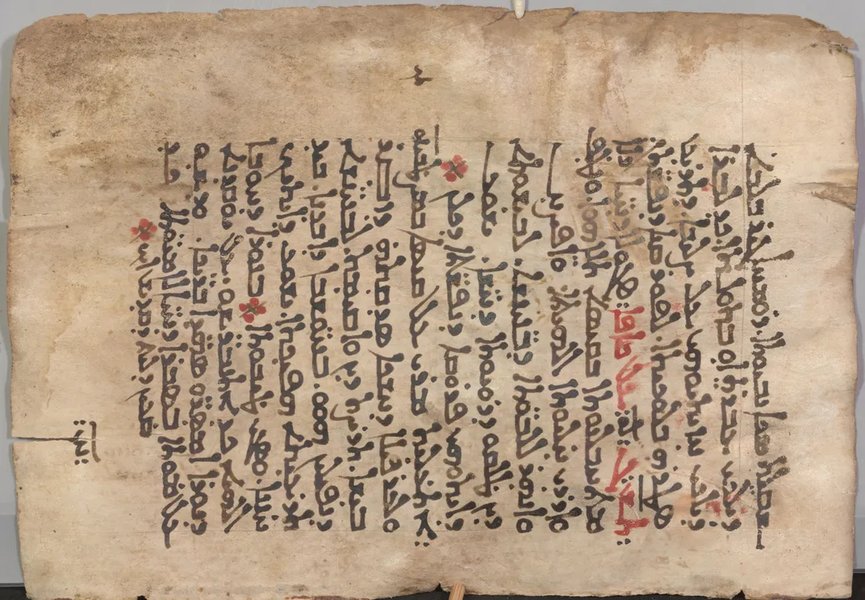
In Mesopotamian cosmology, Enlil played a crucial role in separating heaven (An) from earth (Ki), making the world habitable. His temple in Nippur, the Ekur ("Mountain House"), was considered a vital link between the divine and human realms. Enlil was associated with granting kingship, signifying his authority over earthly rulers and the established order.
The Tablets of Destiny and Cosmic Knowledge
A significant artifact associated with Enlil is the Tablets of Destiny, which were believed to contain the fates of gods and humans. Possessing these tablets granted supreme power and control over the cosmos. The myth of the bird-god Zu stealing the tablets from Enlil and the subsequent efforts to recover them highlight the immense importance of these decrees and the knowledge they represented.
Enlil's involvement in creation myths, his role in determining destiny, and his position as a supreme deity suggest a connection to fundamental cosmic knowledge – the principles that govern the universe and the fate of all within it. The "lost" knowledge from Enlil's perspective could be the forgotten or obscured understanding of these ancient cosmic laws, the divine order, and the intricate relationship between the gods and the world.
Synthesizing Perspectives: Unearthing Lost Knowledge
A Tripartite Exploration of Forgotten Wisdom
Bringing together the perspectives of King Solomon, Swami Satyananda Saraswati, and Enlil in a single book allows for a fascinating exploration of "lost knowledge" from multiple angles:
| Figure | Domain of Knowledge | Concept of "Lost" Knowledge | Potential for Recovery |
|---|---|---|---|
| King Solomon | Divine Wisdom, Natural World, Human Affairs | Neglected divine guidance, Practical application of wisdom, Meaning of life beyond material pursuits | Returning to divine principles, Integrating wisdom into action, Seeking true contentment |
| Swami Satyananda Saraswati | Yogic Science, Consciousness, Inner Self | Ancient yogic techniques, Understanding of the mind and energy, Inner potential and self-awareness | Consistent practice of yoga and meditation, Self-reflection and introspection, Guru's guidance |
| Enlil | Cosmic Order, Divine Decrees, Creation | Understanding of cosmic laws, Relationship between gods and humanity, Ancient religious practices and beliefs | Studying ancient texts and myths, Archaeological discoveries, Contemplation of universal principles |
The book could be structured around themes that resonate across these different perspectives, such as the nature of wisdom, the challenges of power and desire, the importance of inner awareness, the concept of fate and free will, and the connection between the material and the spiritual.
The Interplay of Earthly and Cosmic Wisdom
Solomon's earthly wisdom, grounded in his observations of life and divine law, could interact with Enlil's cosmic authority and knowledge of divine decrees. This dialogue might explore how human actions align with or diverge from cosmic order and the consequences of such divergence. The book could delve into whether earthly wisdom can truly be complete without an understanding of the divine or cosmic framework.
Inner Exploration and Ancient Truths
Swami Satyananda's emphasis on inner exploration through yoga and meditation could offer a path to understanding the personal relevance of both Solomon's moral and practical wisdom and Enlil's cosmic principles. The idea that profound knowledge resides within, waiting to be unlocked, could bridge the gap between historical accounts and personal experience. The book might explore how practices of self-awareness can lead to an intuitive grasp of ancient truths.
The Consequences of Forgetting
All three narratives, in their own way, touch upon the consequences of forgetting or neglecting essential knowledge. For Solomon, it was forgetting his covenant with God, leading to the kingdom's division. For spiritual traditions like yoga, it can be the forgetting of the true purpose and techniques, leading to superficial practice. For the Mesopotamian world, the loss of understanding or reverence for powerful deities like Enlil could signify a disconnection from the forces that govern existence.
An embedded video exploring the complexities of King Solomon's wisdom and his eventual struggles could provide further context:
This video discusses the multifaceted nature of King Solomon, highlighting both his renowned wisdom and the challenges he faced, offering a deeper understanding of the source of the 'lost' aspect of his knowledge.
Imagined Chapters and Themes
Exploring the Depths of Lost Knowledge
The book could be organized into sections or chapters, each offering a distinct voice and perspective on the nature of knowledge, wisdom, and what has been lost to history or human neglect.
Solomon's Reflections: The Vanity of Earthly Pursuits
This section could feature Solomon reflecting on his life experiences, drawing from the wisdom literature attributed to him. He might discuss the limits of empirical knowledge, the fleeting nature of wealth and pleasure, and the ultimate importance of fearing God and keeping His commandments. His narrative could serve as a cautionary tale about the dangers of allowing even great wisdom to be overshadowed by worldly desires.
Swami Satyananda's Guidance: The Geography of the Inner Landscape
This part could focus on the practical methods of uncovering inner knowledge through yogic practices. Swami Satyananda's voice could guide the reader through concepts like the Chakras, Kundalini, and the different states of consciousness. He might explain how stillness of the mind and conscious relaxation can reveal truths hidden within the subconscious, connecting personal experience to universal spiritual principles.
Enlil's Perspective: The Enduring Laws of Creation
From a more mythic and cosmic viewpoint, Enlil could speak about the foundational laws that govern existence, the initial separation of heaven and earth, and the establishment of order. His narrative might delve into the power of divine decrees, the interconnectedness of all things within the cosmic structure, and the ancient understanding of the forces that shape the world. This section could explore how the neglect of these fundamental truths leads to chaos and imbalance.
Synthesis: Bridging the Worlds of Wisdom
A concluding section could attempt to synthesize the insights from these three distinct sources. It could explore how the external wisdom of governance and the natural world (Solomon), the internal wisdom of consciousness and self (Swami Satyananda), and the cosmic wisdom of divine order (Enlil) are ultimately interconnected. The book might argue that true, comprehensive knowledge requires an understanding and integration of all these dimensions.
The idea of "lost knowledge" is not just about forgotten texts or ancient secrets, but also about the human tendency to neglect fundamental truths, whether they are divine laws, inner awareness, or cosmic principles. The book would serve as a call to remember and reintegrate this scattered wisdom for individual and collective well-being.
FAQ
Was King Solomon's wisdom truly lost?
While King Solomon's kingdom faced division after his reign due to his actions, his wisdom, as recorded in biblical texts like Proverbs and Ecclesiastes, has been preserved and continues to be studied. The "lost" aspect may refer more to the decline in the application of this wisdom by subsequent generations or his personal deviation from the divine source of his wisdom.
What is the significance of Enlil in Mesopotamian mythology?
Enlil was a preeminent deity in ancient Mesopotamia, associated with wind, air, and storms, and often considered the king of the gods. He was crucial in creation myths and held the Tablets of Destiny, symbolizing his authority over fate and cosmic order. His worship was central to Mesopotamian religious life.
How do Swami Satyananda's teachings relate to lost knowledge?
Swami Satyananda Saraswati aimed to revive and disseminate the ancient, often subtle, teachings of yoga and tantra. His methods, particularly Yoga Nidra, are presented as ways to access deeper layers of consciousness and unlock inherent knowledge within the individual that may be forgotten or hidden due to modern life's distractions and conditioning.
Could these three figures realistically contribute to a single book on lost knowledge?
While historically and culturally distinct, the idea is a creative synthesis. Solomon represents divine and earthly wisdom, Satyananda represents inner spiritual knowledge, and Enlil represents ancient cosmic and divine authority. Their combined perspectives offer a framework to explore the multifaceted concept of "lost knowledge" from different angles – ethical, spiritual, and foundational.
References
 legacyofwisdom.blogspot.com
Last updated April 22, 2025