
Unlocking Lottery Strategies: Can You Craft the Perfect 7/49 Combination?
Exploring diverse approaches to number selection for the 7 of 49 lottery, while understanding the true nature of chance.
Many dream of hitting the lottery jackpot, and the quest for the "best" numbers is a common one. While it's crucial to understand that lotteries like the 7 of 49 (where 7 numbers are drawn from a pool of 1 to 49) are games of pure chance, exploring different strategies for selecting numbers can be an interesting exercise. This exploration focuses on generating three distinct combinations, not to guarantee a win, but to illustrate varied approaches to number selection.
Key Insights: Decoding Lottery Number Selection
- Equal Probability: In a fair lottery, every single combination of 7 numbers from 1 to 49 has an exactly equal chance of being drawn. No set of numbers is inherently "luckier" or "more due" than any other. The total number of possible combinations is C(49, 7), which is 49! / (7!(49-7)!), resulting in 85,900,584 unique combinations.
- Strategic Variety vs. Increased Odds: Strategies like choosing a mix of high/low or odd/even numbers, or avoiding common patterns, do not change your mathematical probability of winning the jackpot. Their main appeal lies in creating diverse sets of numbers or potentially avoiding splitting a jackpot if less common numbers are chosen and win.
- No Guarantees: No system, software, or psychic prediction can genuinely increase your odds of winning a random lottery draw beyond the baseline probability determined by the game's mechanics. The "best" approach is to play responsibly and understand it's a game of luck.
The Unwavering Mathematics of Chance
Before diving into number selection strategies, it's paramount to grasp a fundamental concept: every combination in a 7/49 lottery has an identical probability of being drawn. The lottery balls have no memory of past draws, and each event is independent. Whether you choose numbers based on birthdays, "hot" or "cold" numbers, or a random quick pick, the mathematical odds remain the same for each specific seven-number set.
The pursuit of "best" combinations, therefore, shifts from trying to outsmart randomness (which is impossible) to creating varied and perhaps less commonly played sets of numbers. This doesn't improve your chances of winning per se, but it can make the selection process more engaging and, in the incredibly unlikely event of a win with an unusual combination, potentially reduce the number of shared jackpots.
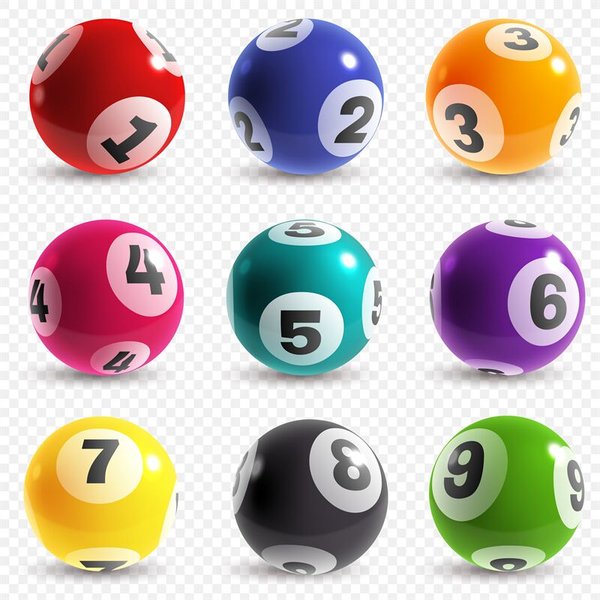
Lottery balls, each representing a chance, illustrate the random nature of the draw.
Crafting Three Diverse Combinations
Acknowledging that no combination is mathematically superior, we can generate three "different" combinations by employing distinct selection philosophies. These aim for variety in their composition and strategic approach.
Combination 1: The Balanced Spread
Numbers: 5, 12, 19, 26, 33, 40, 47
Rationale: This combination focuses on achieving a balance across several metrics:
- Spread Across Range: Numbers are chosen from low (1-16), middle (17-33), and high (34-49) segments of the number pool.
- Odd/Even Mix: It includes four odd numbers (5, 19, 33, 47) and three even numbers (12, 26, 40), a common distribution pattern.
- Avoiding Clusters: The numbers are reasonably spaced out, avoiding consecutive numbers or tight clusters which, while equally probable, are sometimes perceived as less "random" by players. This set also has a somewhat arithmetic progression feel (intervals of 7, though not perfectly).
Combination 2: The "Uncommon" Choice
Numbers: 1, 35, 38, 41, 44, 46, 49
Rationale: This combination attempts to select numbers that might be less frequently chosen by other players, potentially reducing the chance of sharing a jackpot if these numbers were to be drawn.
- Higher Number Focus: Many players use birth dates, leading to a higher concentration of selections between 1 and 31. This combination emphasizes numbers above 31, except for the number 1.
- Mix of Primes and Composites: Includes a mix of number types (e.g., 1, 41 are primes; 35, 38, 44, 46, 49 are composites).
- Edge Numbers: Includes the lowest (1) and highest (49) possible numbers, which are sometimes avoided by players.
Combination 3: Delta System Inspired & Varied Intervals
Numbers: 4, 9, 17, 23, 31, 38, 48
Rationale: This approach draws inspiration from the "Delta System," which involves picking numbers based on the differences (deltas) between them, often starting with smaller numbers and progressively larger gaps. While not a strict application, the spirit is to create a varied sequence.
- Varied Intervals: The differences between consecutive numbers are varied: (9-4=5), (17-9=8), (23-17=6), (31-23=8), (38-31=7), (48-38=10).
- Mix Across Decades: Numbers are picked from different "decades" (0-9, 10-19, 20-29, 30-39, 40-49).
- Odd/Even Distribution: Features four odd numbers (9, 17, 23, 31) and three even numbers (4, 38, 48).
Visualizing Strategic Elements in Number Selection
While no strategy guarantees a win, players often consider various factors when picking numbers. The radar chart below provides a conceptual visualization of how the three generated combinations might score against common strategic considerations. The scores are illustrative and subjective, representing the *intent* behind the combination's design rather than any predictive power.
This chart helps illustrate the different theoretical underpinnings of each combination, aiming for diversity in selection approach rather than a guarantee of success.
A Mindmap of Lottery Number Selection Approaches
Many players employ various methods when choosing their lottery numbers. While none alter the fundamental probabilities, these approaches reflect common human patterns and beliefs. The mindmap below outlines some of these diverse strategies.
This mindmap visually categorizes the wide array of methods people use to pick their numbers, highlighting the diverse psychological and systematic ways individuals approach a game of chance.
Summary of Generated Combinations
The table below summarizes the three distinct combinations along with their primary strategic rationale. Remember, "best" is subjective and these are for illustrative diversity.
| Combination Name | Numbers | Primary Rationale | Key Characteristics |
|---|---|---|---|
| Balanced Spread | 5, 12, 19, 26, 33, 40, 47 | Achieve balance in number range, odd/even distribution, and spacing. | Good mix of low, mid, high; 4 Odd, 3 Even; Avoids tight clusters. |
| Uncommon Choice | 1, 35, 38, 41, 44, 46, 49 | Select less commonly played numbers, particularly higher ones, to potentially reduce jackpot sharing. | Emphasis on numbers >31; Includes edge numbers (1 and 49); Mix of prime/composite. |
| Delta Inspired & Varied Intervals | 4, 9, 17, 23, 31, 38, 48 | Create varied intervals between numbers, drawing inspiration from systems focusing on number differences. | Varied gaps between numbers; Spread across decades; 4 Odd, 3 Even. |
Insights from a Mathematician on Lotteries
Understanding the mathematics behind lotteries is crucial. While many strategies exist, a mathematician's perspective often demystifies common misconceptions. The video below features a mathematician discussing the probabilities and common beliefs associated with winning the lottery.
This video provides valuable context, reinforcing that while number selection strategies can be engaging, they don't alter the fundamental odds of winning in a game of chance. The core principle remains that each combination has an equal probability of being drawn.
Frequently Asked Questions (FAQ)
Can any strategy truly increase my chances of winning the 7/49 jackpot?
No. In a fair and random lottery draw, every possible combination of 7 numbers from 1 to 49 has an equal chance of being selected. Strategies might help in choosing numbers that are less commonly played by others (potentially leading to a non-split jackpot if those numbers win), but they do not change the mathematical odds of your specific combination being drawn.
Are "hot" (frequently drawn) or "cold" (infrequently drawn) numbers more likely to appear?
No. Each lottery draw is an independent event. The balls have no memory of past draws. The fact that a number has been drawn frequently ("hot") or infrequently ("cold") in the past has no bearing on its probability of being drawn in the future. Past frequencies are purely coincidental in a random system.
Is it better to pick my own numbers or use a quick pick?
Mathematically, there is no difference in your odds of winning. Quick pick selections are random, and player-selected numbers, regardless of the method used to choose them, also form one of the many possible combinations, each with the same probability. Some argue that quick picks might generate more unusual combinations less likely to be shared if they win, while others prefer the personal connection to their chosen numbers.
What is a lottery wheeling system? Does it improve jackpot odds?
A wheeling system is a method of organizing a larger set of chosen numbers into multiple ticket combinations to guarantee a smaller prize if a certain number of your chosen numbers are drawn. For example, if you "wheel" 10 numbers, the system creates combinations that ensure if, say, 4 of your 10 wheeled numbers are drawn, you will win at least one prize (though not necessarily the jackpot). Wheeling systems increase the number of tickets you buy and can guarantee smaller wins under specific conditions, but they do not change the fundamental odds of winning the jackpot for any single ticket.
Recommended Further Exploration
- What are the mathematical odds of winning different prize tiers in a 7/49 lottery?
- How do lottery syndicates work and do they improve chances of winning?
- Are there any proven behavioral patterns in how people choose lottery numbers?
- What is the history of common lottery misconceptions and superstitions?
References
Last updated May 11, 2025