
The Unseen Architect: How Louise Little Forged Malcolm X's Revolutionary Path
Delve into the profound, often overlooked, influence of a mother who shaped one of history's most formidable civil rights leaders.
Louise Helen Norton Little, born in Grenada, was far more than just the mother of the iconic civil rights leader Malcolm X. She was a formidable figure in her own right, an activist whose life experiences, teachings, and unwavering spirit profoundly shaped her son's worldview, his commitment to Black empowerment, and his relentless fight against racial injustice. While often overshadowed by her son's towering legacy, Louise Little's influence was a critical catalyst in forging the man who would challenge a nation and inspire millions.
Key Pillars of Influence: Louise Little's Enduring Impact
- Foundational Black Pride: Louise Little instilled in Malcolm an unshakeable sense of Black pride and identity from a very young age, directly shaping his later philosophies.
- Early Seeds of Activism: Her active involvement in Marcus Garvey's Universal Negro Improvement Association (UNIA) exposed Malcolm to Pan-Africanist ideas and the spirit of resistance, laying the groundwork for his own activism.
- Resilience in the Face of Adversity: Witnessing his mother's strength and resilience amidst profound personal hardships, including racial persecution and mental health struggles, deeply influenced Malcolm's understanding of systemic oppression and the necessity of perseverance.
The Formative Years: Louise Little's Background and Early Activism
Born Louise Helen Norton Langdon in La Digue, Saint Andrew Parish, Grenada, around 1897, Louise Little's early life was marked by the colonial realities of the Caribbean. Her mother was reportedly raped by a white Scotsman, an experience that likely shaped Louise's own complex understanding of race and identity. This heritage, including her lighter complexion, was a point she later discussed with her children. She was multilingual and educated, possessing a sharp intellect and a keen awareness of social injustices.
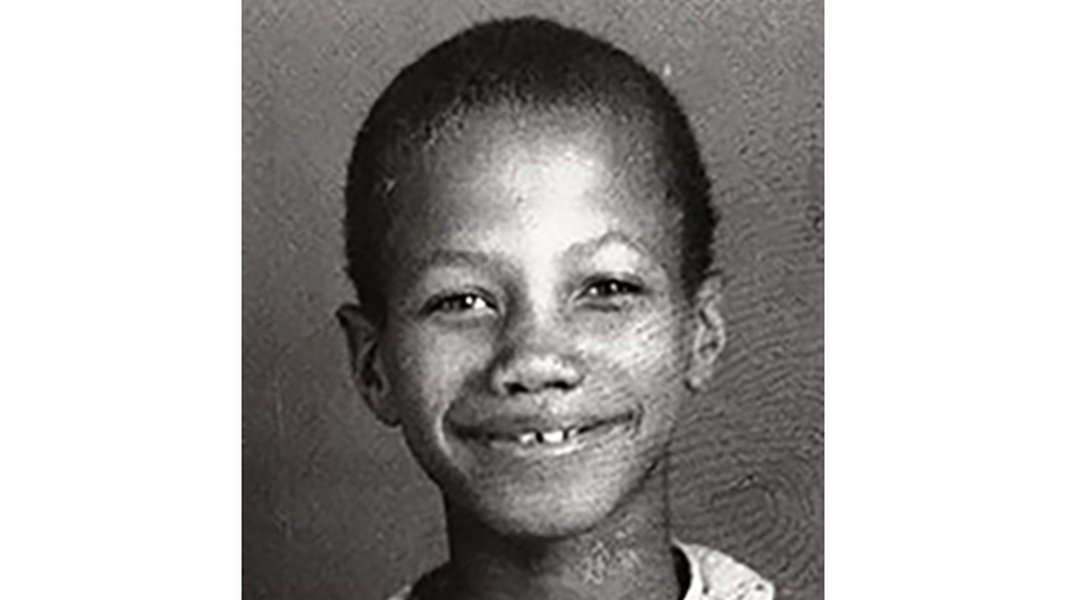
A young Malcolm Little, profoundly shaped by his mother's early teachings and experiences.
Embracing Garveyism: The UNIA Influence
After emigrating to Montreal, Canada, and later to the United States, Louise became deeply involved with Marcus Garvey's Universal Negro Improvement Association (UNIA). She met Earl Little, a Baptist minister and fellow UNIA supporter, whom she married in 1919. Together, they were active organizers for the UNIA, with Louise serving as a branch reporter, writing articles for the UNIA's newspaper, The Negro World. This direct involvement in Garvey's movement, which emphasized Black self-reliance, economic independence, and a return to Africa, was a cornerstone of the Little household. Louise actively taught her children, including young Malcolm, the principles of Garveyism, instilling in them a strong sense of racial pride, Pan-Africanist ideals, and the importance of fighting for Black liberation.
A Household Steeped in Black Consciousness
The Little home was a center for UNIA meetings and discussions. Malcolm X, in his autobiography, recounts how his mother would read UNIA newspapers aloud to her children, ensuring they were aware of global Black struggles and the movement for empowerment. This early immersion in Black nationalist thought and activism was a crucial element in shaping Malcolm's later political and social views. Louise didn't just preach these values; she lived them, demonstrating a commitment to Black people's empowerment that left an indelible mark on her son.
Forging a Revolutionary: How Louise Molded Malcolm's Core Beliefs
Louise Little's influence on Malcolm X was multifaceted, extending beyond ideological teachings to encompass personal resilience, intellectual development, and a profound understanding of systemic racism born from lived experience.
Instilling Black Pride and Self-Worth
Perhaps one of Louise Little's most significant contributions to Malcolm's development was the unwavering sense of Black pride she instilled in him. In an era of rampant and overt racism, where Blackness was systematically devalued, Louise taught her children to love their heritage and to stand tall. She emphasized the importance of self-knowledge and cultural identity as tools against oppression. This foundation of Black pride became a central tenet of Malcolm X's philosophy and his powerful oratory.
The Crucible of Hardship: Lessons in Resilience
The Little family faced immense adversity. Earl Little's activism made them a target for white supremacist groups like the Ku Klux Klan and the Black Legion. Their home was burned down, and they faced constant threats. In 1931, Earl Little died under suspicious circumstances, officially ruled a streetcar accident, but widely believed by the family and community to be a murder orchestrated by white supremacists. Louise was left to raise eight children alone during the Great Depression, facing economic hardship and relentless discrimination.
Navigating Systemic Racism
Louise's struggle to provide for her family in the face of systemic racism provided Malcolm with early, stark lessons about the pervasiveness of racial injustice. She fought to receive her husband's life insurance benefits, which were largely denied or delayed by discriminatory practices. Malcolm witnessed firsthand how institutions were designed to disadvantage Black people. Despite these challenges, Louise maintained her dignity and fought for her children, teaching them the importance of perseverance. However, the immense pressure eventually took its toll on her mental health. In 1939, Louise suffered a nervous breakdown and was committed to the Kalamazoo State Hospital, where she remained for 24 years. This traumatic event, and the subsequent scattering of the family, profoundly affected Malcolm, further cementing his understanding of the destructive impact of racism on Black families and individuals.

Malcolm X, a powerful orator whose activism was rooted in the early life lessons and observations of his mother's struggles and teachings.
Intellectual and Political Awakening
Louise Little's education and her role in the UNIA contributed significantly to Malcolm's intellectual development. She fostered an environment where learning and critical thinking were valued. Her discussions about Garveyism, colonialism, and global Black affairs planted the seeds for Malcolm's later Pan-Africanist and internationalist perspectives. Even her complex feelings about her own mixed-race heritage, and how she sometimes favored her darker-skinned children, provided Malcolm with early, albeit sometimes painful, lessons about colorism and racial identity within the Black community itself—themes he would later explore extensively.
The values and principles she imparted—racial pride, self-determination, the necessity of fighting oppression, and the importance of education—were the bedrock upon which Malcolm X built his revolutionary ideology. Her life, marked by both fierce activism and profound suffering, provided him with a living example of the injustices he would dedicate his life to combating.
Visualizing Louise Little's Influence on Malcolm X
The multifaceted impact of Louise Little on her son Malcolm X can be better understood by visualizing the key areas of her influence. This radar chart illustrates the relative strength of various aspects of her contribution to his development as a leader and thinker. These are qualitative assessments based on historical accounts of their relationship and her life.
This chart highlights that Louise Little's most profound impacts were in instilling Black pride, modeling resilience, fostering an understanding of systemic injustice, and nurturing an anti-oppression stance. Her direct involvement in UNIA also strongly influenced his activist spirit and early Pan-African consciousness, while her emphasis on education provided a crucial intellectual foundation.
Mapping the Roots of Revolution: A Mindmap of Influence
To further illustrate the interconnectedness of Louise Little's life experiences and teachings with Malcolm X's development, the following mindmap traces these influences. It begins with Louise's core attributes and experiences, branching out to show how these directly nurtured specific qualities and perspectives in her son.
This mindmap visually demonstrates how Louise Little's Grenadian roots, her intellectual capacity, her dedicated activism with the UNIA, and her profound personal sufferings converged to forge the core tenets of Malcolm X's worldview: a fierce pride in his Black identity, an unwavering commitment to activism, remarkable resilience, and a deep-seated understanding of the fight against systemic oppression.
Louise Little's Enduring Legacy
Even during her long institutionalization, Louise Little's influence on Malcolm X persisted. Her memory and the lessons she imparted remained a driving force in his life. Malcolm and his siblings eventually secured her release from the state hospital in 1963. Her life story, one of strength, intellect, activism, and profound suffering under racial oppression, serves as a testament to the often-unsung heroines who shape monumental figures in history. Without Louise Little's formative influence, the Malcolm X known to the world—the powerful orator, the incisive thinker, and the fearless advocate for Black liberation—might never have emerged.
This video explores the often little-known but profound influence of Louise Little on her son, Malcolm X, highlighting her activism and the values she instilled. It provides further context on her role as a heroic figure who shaped his fight for justice.
Summary of Key Influences
The following table summarizes the key aspects of Louise Little's influence and their direct manifestation in Malcolm X's life and work:
| Louise Little's Influence/Characteristic | Impact on Malcolm X |
|---|---|
| Deep involvement in UNIA (Garveyism) | Early exposure to Black nationalism, Pan-Africanism, and principles of self-reliance; foundation for his own activist ideology. |
| Instilling strong sense of Black pride | Unshakeable Black identity; powerful articulation of Black self-worth and cultural heritage. |
| Personal experiences with racial oppression and violence | Profound understanding of systemic racism; fueled his fight against racial injustice. |
| Resilience in the face of extreme hardship (widowhood, poverty, institutionalization) | Modeled perseverance and strength; informed his understanding of the toll of oppression and the need for unwavering resistance. |
| Emphasis on education and intellectual awareness | Development into a powerful thinker, speaker, and voracious reader; ability to articulate complex ideas on race and empowerment. |
| Grenadian heritage and international perspective | Contributed to his later internationalist outlook and advocacy for global Black solidarity. |
| Teaching children about Black history and struggles | Fostered early awareness of historical and ongoing injustices, shaping his commitment to social justice. |
Frequently Asked Questions
Who was Louise Little?
Louise Little (née Langdon) was the Grenadian-born mother of Malcolm X. She was an educated woman and a dedicated activist, particularly involved with Marcus Garvey's Universal Negro Improvement Association (UNIA). She played a pivotal role in shaping her children's values, especially their sense of Black pride and awareness of racial injustice.
How did Louise Little's activism directly influence Malcolm X?
Louise Little's activism, especially her work with the UNIA, exposed Malcolm X to the principles of Black nationalism, self-reliance, and Pan-Africanism from a very young age. She served as a reporter and organizer, instilling in her children the importance of confronting racial injustices. This early exposure directly influenced Malcolm X's development as a civil rights leader and his philosophies on Black empowerment.
What role did Louise Little's Grenadian heritage play?
Her Grenadian roots and experiences with colonialism likely contributed to Malcolm X's later international perspective and his advocacy for global Black solidarity. Her understanding of racial dynamics, potentially shaped by her own mixed-race parentage and Caribbean background, added layers to the lessons she passed on about identity and oppression.
How did Louise Little's personal hardships affect Malcolm X?
Louise Little faced immense hardships, including the suspicious death of her husband (believed to be a racially motivated murder), raising eight children in poverty during the Depression, and enduring relentless discrimination which ultimately led to her institutionalization for 24 years. Witnessing these struggles and her resilience in the face of them gave Malcolm X a profound, firsthand understanding of systemic racism and its devastating impact, deeply informing his activism and his commitment to fighting injustice.
Recommended Further Exploration
- What was the role of the Universal Negro Improvement Association in the Little family?
- How did Marcus Garvey's teachings influence Louise Little's parenting?
- Compare the influences of Louise Little and Earl Little on Malcolm X.
- Explore the impact of Louise Little's institutionalization on Malcolm X and his siblings.
References
 onwishesandhorses.wordpress.com
 mattlynndigital.wordpress.com
Last updated May 7, 2025