
Understanding the Impact of Low-Carb Diets on Low T3 Syndrome
Exploring the Relationship Between Dietary Carbohydrates and Thyroid Function
Key Takeaways
- Low-carb diets can lead to decreased T3 levels, potentially affecting metabolism.
- The body's adaptive mechanisms may reduce T3 as a way to conserve energy.
- Individuals with thyroid conditions should monitor thyroid function when adopting low-carb diets.
Introduction
Low-carbohydrate (low-carb) diets have gained popularity for their potential benefits in weight management and metabolic health. However, their impact on thyroid function, particularly concerning low T3 syndrome, has become a subject of interest and concern. Triiodothyronine (T3) is the active form of thyroid hormone that plays a crucial role in regulating metabolism. This comprehensive analysis delves into the intricate relationship between low-carb diets and low T3 syndrome, synthesizing current research findings and providing actionable insights.
Understanding Low T3 Syndrome
What is Low T3 Syndrome?
Low T3 syndrome, sometimes referred to as euthyroid sick syndrome when associated with acute illness, is characterized by reduced circulating levels of T3 without significant changes in thyroid-stimulating hormone (TSH) and thyroxine (T4) levels. This condition can arise in various non-thyroidal illnesses, under conditions of stress, fasting, or altered metabolism. The body's apparent down-regulation of metabolism through decreased T3 production is believed to be an adaptive response to conserve energy during periods of limited carbohydrate availability.
Physiological Role of T3
T3 is pivotal in regulating the basal metabolic rate, influencing processes such as protein synthesis, lipid metabolism, and carbohydrate metabolism. Adequate levels of T3 ensure optimal energy expenditure and overall metabolic balance. A decline in T3 levels can lead to symptoms commonly associated with hypothyroidism, including fatigue, cold intolerance, weight gain, and mood disturbances.
Low-Carb Diets and Thyroid Hormone Metabolism
Impact on T3 Levels
Numerous studies have indicated that low-carb diets, especially those that are very restrictive like ketogenic diets, can result in lowered T3 levels. This reduction is primarily due to decreased conversion of T4 to T3, the active form of the hormone. The enzyme 5'-deiodinase, responsible for this conversion, is influenced by carbohydrate intake and insulin levels. Low-carb diets typically lead to reduced insulin secretion, which in turn can downregulate deiodinase activity, resulting in lower T3 production.
Mechanisms Behind T3 Reduction
Adaptive Energy Conservation
When carbohydrate intake is significantly reduced, the body may mimic a fasting state, leading to a natural decline in T3 as an energy conservation mechanism. By lowering metabolic rate through decreased T3 levels, the body reduces overall energy expenditure, which can be beneficial during periods of limited energy intake.
Gluconeogenesis and Thyroid Function
Low-carb diets often induce gluconeogenesis, where the liver produces glucose from non-carbohydrate sources like amino acids. However, this compensatory mechanism may not fully sustain tissues that are reliant on glucose, including those involved in thyroid hormone production and regulation. Consequently, reduced availability of glucose can impair the synthesis and conversion of thyroid hormones.
Reduced Insulin Levels
Lower carbohydrate intake results in decreased insulin secretion, which plays a role in regulating thyroid hormone metabolism. Insulin influences the activity of deiodinase enzymes, and its reduction can lead to decreased conversion of T4 to T3, thereby lowering active T3 levels.
Clinical Implications
Short-term vs. Long-term Effects
The effects of low-carb diets on T3 levels may differ in the short and long term. In the short term, individuals may experience weight loss and improved insulin sensitivity. However, prolonged adherence to very low-carb or ketogenic diets might lead to sustained low T3 levels, potentially impacting metabolic rate and overall thyroid function.
Individual Variability
The impact of low-carb diets on thyroid function is not uniform across all individuals. Factors such as genetic predisposition, baseline thyroid function, and overall health status can influence how a person's thyroid hormones respond to reduced carbohydrate intake. Some individuals may experience improved thyroid hormone sensitivity despite lower T3 levels, while others may be more susceptible to experiencing hypothyroid symptoms.
Effects on Individuals with Pre-existing Thyroid Conditions
For individuals with hypothyroidism or other thyroid disorders, low-carb diets can pose additional challenges. Reduced T3 levels may compound existing thyroid dysfunction, leading to exacerbated symptoms. This population should exercise caution and seek medical guidance when considering significant dietary changes that involve carbohydrate restriction.
Physiological Adaptations and Metabolic Responses
Metabolic Rate Adjustments
The body often adjusts its metabolic rate in response to dietary macronutrient composition. Low-carb diets can lead to a decrease in basal metabolic rate (BMR) due to lowered T3 levels, which may slow down overall metabolism. This reduction in BMR is a protective mechanism to conserve energy in the face of reduced carbohydrate availability.
Energy Utilization Shifts
On low-carb diets, the body shifts from primarily using glucose to utilizing fats and ketones for energy. This metabolic shift, while beneficial for certain health outcomes, can influence thyroid hormone metabolism. The reliance on fat metabolism may necessitate changes in how thyroid hormones are produced and utilized within the body.
Monitoring and Managing Thyroid Function
Importance of Medical Consultation
Before embarking on a low-carb diet, especially for individuals with known thyroid issues, it is crucial to consult with a healthcare provider. Medical professionals can offer personalized advice, monitor thyroid hormone levels, and adjust any thyroid medications as necessary to maintain hormonal balance.
Regular Thyroid Function Testing
Monitoring thyroid function through regular blood tests, including TSH, free T4, and T3 levels, is advisable for those following low-carb diets. This allows for early detection of any significant changes in thyroid hormones and facilitates timely interventions to prevent potential hypothyroid symptoms.
Balanced Carbohydrate Intake
Adopting a balanced approach to carbohydrate intake may help mitigate the negative effects on thyroid function. Ensuring adequate carbohydrate consumption can support optimal thyroid hormone production and reduce the likelihood of developing low T3 syndrome.
Potential Benefits and Risks
Benefits of Low-Carb Diets
Low-carb diets have been associated with various health benefits, including weight loss, improved insulin sensitivity, and better control of blood glucose levels. These benefits can be particularly advantageous for individuals with metabolic syndrome or type 2 diabetes.
Risks Associated with T3 Reduction
While the body’s reduction of T3 levels on a low-carb diet may be adaptive, sustained low T3 can lead to decreased metabolic rate, reduced energy levels, and potential exacerbation of hypothyroid symptoms. In severe cases, this hormonal imbalance can negatively impact overall health and well-being.
Guidelines for Adopting a Low-Carb Diet
Personalized Dietary Planning
Personalized dietary planning, taking into account individual health status, thyroid function, and metabolic needs, is essential when considering a low-carb diet. Tailoring carbohydrate intake can help balance the benefits of the diet while minimizing potential adverse effects on thyroid hormones.
Incorporating Nutrient-Rich Foods
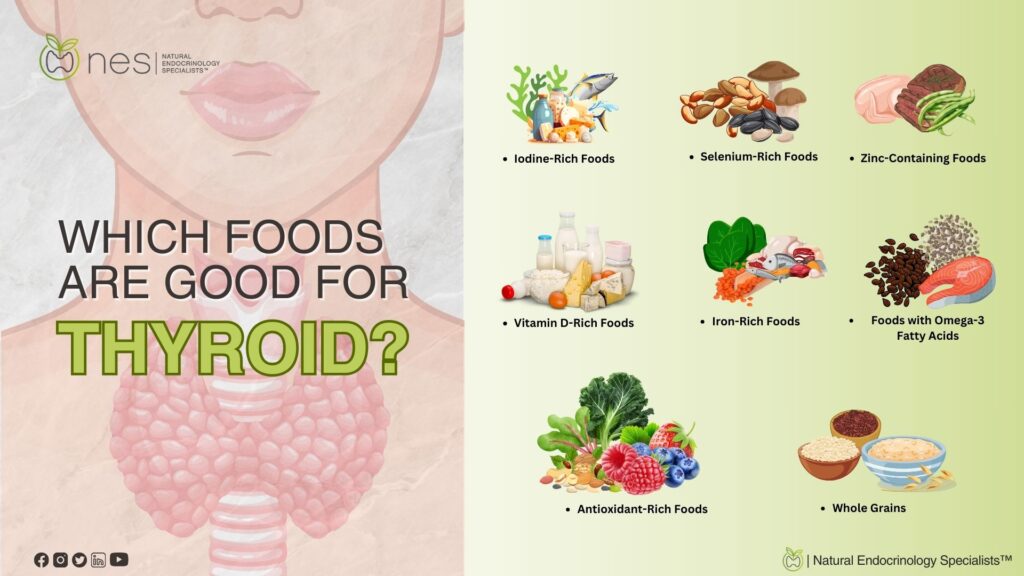
Ensuring that low-carb diets are rich in essential nutrients, including selenium, zinc, and iodine, can support thyroid health. These micronutrients play critical roles in thyroid hormone synthesis and conversion, helping to maintain optimal thyroid function despite reduced carbohydrate intake.
Gradual Reduction of Carbohydrates
Gradually reducing carbohydrate intake rather than making abrupt changes can help the body adapt more smoothly, potentially reducing the impact on thyroid hormone levels. This gradual approach allows for monitoring and adjustment based on individual responses to dietary changes.
Supplementation and Support
Thyroid-Supporting Supplements
In some cases, supplementation with thyroid-supporting nutrients may be beneficial. Supplements such as selenium, zinc, and iodine can aid in maintaining thyroid hormone production and conversion, supporting overall thyroid health during carbohydrate restriction.
Monitoring Nutrient Intake
Ensuring adequate intake of essential nutrients through diet or supplementation is crucial for supporting thyroid function. A well-rounded diet that includes a variety of nutrient-dense foods can help mitigate the potential negative effects of low-carb diets on the thyroid.
Comparative Overview
| Aspect | Low-Carb Diets | Standard Diet |
|---|---|---|
| Carbohydrate Intake | Very Low | Moderate to High |
| T3 Levels | Decreased | Stable |
| Insulin Levels | Reduced | Varies |
| Metabolic Rate | May Decrease | Normal |
| Adaptation Mechanism | Energy Conservation | Standard Metabolism |
| Thyroid Function | Potential Impairment | Maintained |
Conclusion
The relationship between low-carb diets and low T3 syndrome is multifaceted, involving adaptive physiological responses aimed at conserving energy during periods of reduced carbohydrate intake. While these diets can offer benefits such as weight loss and improved metabolic health, they may also lead to decreased T3 levels, potentially impacting metabolic rate and thyroid function. Individual responses vary, and those with pre-existing thyroid conditions should approach low-carb diets with caution, ensuring regular monitoring of thyroid hormones and seeking professional medical advice. A balanced approach that incorporates adequate nutrient intake and gradual dietary adjustments can help mitigate the potential risks associated with low-carb diets and support overall thyroid health.
References
Last updated February 14, 2025