
Executive Summary: Impact of Low Population on Food Vendor Options and Consumer Food Choices
Analyzing the Challenges and Opportunities in Underserved Communities
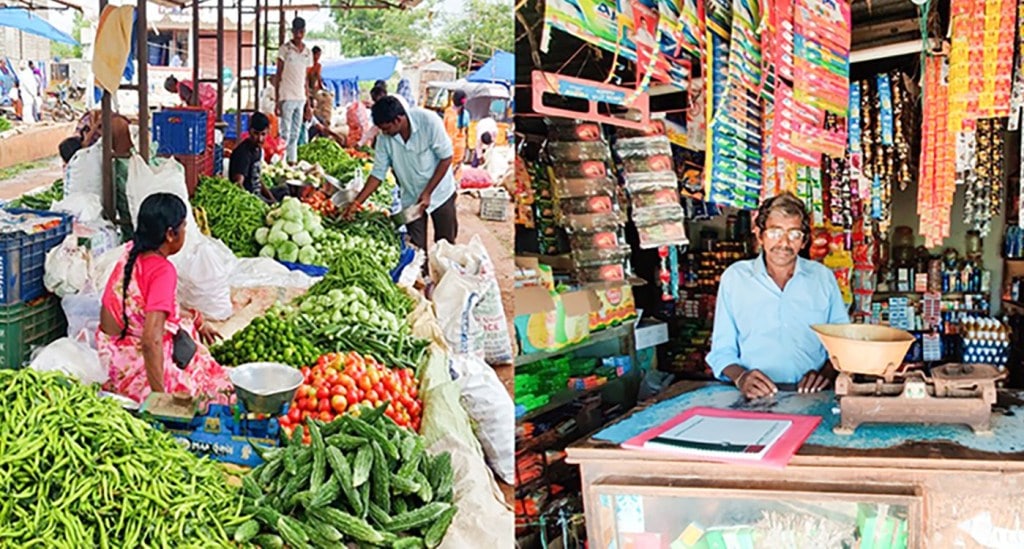
Key Takeaways
- Limited Vendor Presence Reduces Food Diversity: Low population densities lead to fewer food vendors, limiting consumer choices and access to diverse nutritional options.
- Economic and Logistical Barriers: High operational costs and inadequate infrastructure discourage vendors from operating in low-density areas, exacerbating food insecurity.
- Innovative Solutions Offer Hope: Mobile vendors, community-based initiatives, and policy interventions present viable opportunities to enhance food accessibility and variety.
Purpose of the Study
The primary aim of this study is to investigate how low population densities in rural and underserved areas influence the availability of food vendors, thereby restricting consumer food choices. By understanding the interplay between demographic trends, economic viability, and consumer behavior, the study seeks to identify the underlying challenges and explore potential strategies to improve food accessibility and diversity in these communities.
Objectives
1. Analyze the Relationship Between Population Density and Food Vendor Availability
This objective focuses on examining how varying population sizes influence the number and types of food vendors operating within a region. It explores the correlation between low population densities and the scarcity of diverse food retail options, assessing how these factors collectively impact consumer access to healthy and affordable food.
2. Identify Market Gaps in Low-Population Food Environments
This objective aims to pinpoint specific deficiencies in the current food market landscape of low-density areas. It involves assessing the availability of nutritious food options, evaluating the presence of specialty and niche offerings, and identifying economic and logistical barriers that hinder the establishment and sustainability of diverse food vendors.
3. Explore Potential Strategies for Improving Food Access and Vendor Sustainability
This objective seeks to develop actionable strategies that can enhance food accessibility and promote the sustainability of food vendors in low-population areas. It includes evaluating innovative business models, leveraging technology, fostering community engagement, and implementing policy interventions that collectively address the identified market gaps.
Marketing Gaps
Limited Healthy Food Options
In regions with low population densities, there is a notable deficiency in the availability of healthy food choices. The limited customer base often discourages food vendors from offering diverse and nutritious options, leading to a reliance on convenience stores that stock predominantly processed and less healthy foods.
Economic Constraints and High Operational Costs
Operating a food business in low-density areas presents significant economic challenges. Higher operational costs, coupled with lower sales volumes, make it difficult for vendors to maintain profitability. This economic strain often results in reduced variety and quality of food offerings available to consumers.
Transportation and Distribution Inefficiencies
Geographic isolation and inadequate transportation infrastructure further exacerbate food access issues in low-population areas. These inefficiencies increase the cost of goods, limit the variety of available products, and hinder the timely delivery of fresh and perishable items, making it harder for consumers to access quality food.
Lack of Consumer Awareness
There is often a gap in consumer awareness regarding the nutritional value of available food options in low-density areas. This lack of knowledge can influence dietary choices, leading to increased demand for less healthy foods and diminishing the incentive for vendors to stock healthier alternatives.
Market Opportunities
Mobile and Pop-Up Food Vendors
Implementing mobile food vending solutions, such as food trucks and pop-up markets, can effectively address the scarcity of food options in low-population areas. These flexible models allow vendors to reach consumers directly, offering a wider variety of foods, including healthier and specialty options, without the long-term commitment of permanent storefronts.
Community-Based Initiatives
Establishing community-supported agriculture (CSA) programs, cooperative grocery stores, and farmers' markets can enhance food accessibility and support local economies. These initiatives promote the availability of fresh produce and other nutritious foods, fostering a sense of community and improving the overall quality of food consumed by residents.
Technology-Enabled Food Services
Leveraging technology to provide online grocery services and food delivery platforms can bridge the gap between consumers and a diverse range of food options. By utilizing digital marketplaces, consumers in low-density areas can access a broader selection of products, enhancing convenience and dietary diversity.
Policy Interventions and Government Support
Strategic policy interventions, including subsidies for food vendors, flexible zoning regulations, and investment in transportation infrastructure, can create a more conducive environment for food businesses to operate in underserved areas. Government support can incentivize the establishment of diverse food vendors, making healthy and affordable food options more accessible to low-income populations.
Local Entrepreneurship and Incentive Programs
Encouraging local entrepreneurship through incentive programs and support services can foster the development of niche food vendors tailored to the specific tastes and cultural preferences of the community. By nurturing local businesses, regions can enhance their food ecosystems and promote economic growth within low-density areas.
Innovative Strategies for Enhancing Food Accessibility
Community Partnerships and Collaboration
Building partnerships between local governments, non-profits, and private sector stakeholders can facilitate the creation of sustainable food networks. Collaborative efforts can lead to the establishment of food hubs, shared distribution centers, and coordinated marketing initiatives that collectively enhance food accessibility and variety.
Educational Initiatives and Nutrition Programs
Implementing educational programs that focus on nutrition and healthy eating can empower consumers to make informed food choices. Increased awareness and demand for nutritious foods can encourage vendors to expand their offerings, thereby improving the overall quality of food available in low-population areas.
Flexible Zoning and Regulatory Frameworks
Revising zoning laws to accommodate innovative food retail models, such as mobile vendors and pop-up markets, can create more opportunities for diverse food offerings. Flexible regulatory frameworks can lower barriers to entry for new vendors, promoting a more dynamic and responsive food market in underserved communities.
Investment in Infrastructure and Logistics
Enhancing transportation infrastructure and optimizing logistics can reduce distribution inefficiencies, making it easier for food vendors to operate in low-density areas. Improved infrastructure facilitates the timely delivery of fresh and diverse food products, ensuring that consumers have consistent access to quality food.
Impact on Consumer Food Choices
Reduced Dietary Diversity and Nutritional Quality
The limited availability of diverse food vendors in low-population areas directly impacts consumer food choices, often resulting in a reduced intake of essential nutrients and a higher consumption of processed and unhealthy foods. This can lead to adverse health outcomes and exacerbate existing health disparities within underserved communities.
Economic Burden on Consumers
Higher prices and limited options in low-density areas can place an economic strain on consumers, particularly those from low-income backgrounds. The lack of competition among food vendors can lead to elevated prices for basic food items, making it difficult for consumers to maintain a balanced and nutritious diet within their financial means.
Dependence on Convenience Stores
In the absence of diverse food vendors, consumers in low-population areas often rely heavily on convenience stores, which typically offer a limited selection of healthy foods. This dependence can contribute to poor dietary habits and increased risk of diet-related health issues.
Strategic Recommendations
Promote Mobile and Flexible Food Retail Models
Encouraging the adoption of mobile food trucks and pop-up markets can increase the variety of available food options in low-density areas. These models offer flexibility and lower operational costs, making it feasible for vendors to serve communities with fluctuating populations and diverse tastes.
Foster Community Engagement and Support
Engaging the community through support for local food initiatives and cooperative models can create a more resilient food ecosystem. Community involvement ensures that the food offerings align with local preferences and nutritional needs, enhancing the overall effectiveness of food accessibility programs.
Implement Targeted Policy Measures
Developing and enforcing policies that support food vendor sustainability in underserved areas is crucial. This includes providing financial incentives, reducing regulatory burdens, and investing in essential infrastructure that enables food vendors to operate efficiently and sustainably.
Leverage Technology for Improved Distribution
Utilizing technology to streamline food distribution and enhance delivery services can bridge the gap between consumers and diverse food options. Digital platforms can facilitate better inventory management, order processing, and timely delivery of fresh and healthy foods to low-population areas.
Conclusion
Low population densities present significant challenges to the availability and diversity of food vendors, which in turn limits consumer food choices and contributes to nutritional disparities. However, by strategically addressing the identified marketing gaps through innovative business models, community-driven initiatives, technological advancements, and supportive policy frameworks, it is possible to enhance food accessibility and quality in underserved areas. These efforts not only improve the dietary habits and health outcomes of residents but also stimulate local economies and foster resilient communities.
References
Last updated February 11, 2025