
Lowland and Delta Regions in 2023
A comprehensive look into the environmental, economic, and social implications
Key Highlights
- Environmental Vulnerability: Both lowland and delta regions are heavily impacted by climate change, including sea-level rise and extreme weather events.
- Agricultural and Economic Importance: These areas support critical agriculture and economic activities while facing challenges like flood risks and land subsidence.
- Human Impact and Adaptation: High population densities and human activities significantly alter natural processes, necessitating sustainable management strategies.
Understanding Lowlands and Deltas
Fundamental Definitions
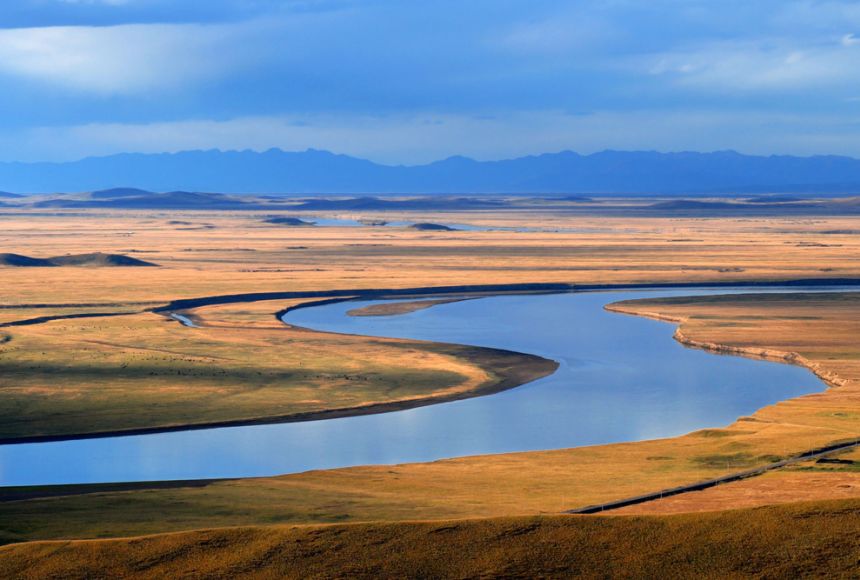
Lowlands refer to broad flat landscapes generally located at or near sea level. They may extend up to 200 meters or, in some cases, even reach elevations of 500 meters. Lowlands are known for their fertile soils and have traditionally been favored for agriculture due to the favorable conditions for crop growth. In contrast, deltas are specialized low-lying areas formed at the mouth of rivers. These landscapes emerge as fluvial sediments accumulate where fresh-water rivers meet slower-moving bodies of water such as oceans or large lakes.
Comparative Features
Despite overlapping characteristics, the distinct processes leading to their formation and their associated features differentiate lowlands and deltas. Lowlands represent expansive flat terrain with gradual slopes, while deltas are characterized by their branching network of distributaries and a rapidly changing sedimentary landscape. This differentiation has essential implications for water management, biodiversity resilience, and sustainable land use practices.
Key Physical and Ecological Attributes
The physical nature of lowlands and deltas influences both their ecological functions and human uses:
- Fertility and Agricultural Production: The rich, sediment-laden soils of delta regions and lowland plains provide ideal conditions for growing staple crops, especially rice, benefiting populous regions in countries like Vietnam and Thailand.
- Biodiversity Hotspots: These areas are home to unique and diverse ecosystems. Deltas, in particular, serve as critical habitats for freshwater and marine species, supporting both terrestrial and aquatic life.
- Hydrological Importance: Water flow dynamics are central to both environments. While lowlands have low gradients leading to slow-moving waters, deltas experience complex interactions between riverine and marine processes that govern sediment transport and nutrient cycling.
Implications in 2023
Environmental Implications
Current research and observations in 2023 highlight several environmental challenges faced by both lowland and delta regions:
Climate Change and Sea-Level Rise
Lowlands and deltas are particularly vulnerable to the adverse effects of climate change. With rising global temperatures, sea levels are rising steadily, leading to:
- Flooding: Increased altitude of coastal and low-lying regions enhances the risk of widespread flooding. This, in turn, threatens the infrastructure and agricultural lands crucial for local economies.
- Salinization: The encroachment of saltwater into freshwater systems adversely affects soil quality and freshwater supplies, seriously diminishing the productivity of agricultural lands.
- Extreme Weather: More frequent and severe storms intensify erosion and land degradation, further complicating management strategies and adaptation measures.
Land Subsidence and Sediment Dynamics
Beyond the direct impact of rising seas, many deltas face the additional challenge of land subsidence—a process in which the ground sinks gradually, often due to groundwater extraction and the natural compaction of vast sediment deposits. Moreover, human interference, such as dam construction and river channel modifications, disrupts the natural sediment deposition cycle. This imbalance not only accelerates subsidence but also compromises the ecological integrity and resilience of delta systems.
Economic Implications
The prosperity of communities in lowland and delta regions significantly depends on the dual benefits offered by these landscapes. However, several challenges are rapidly emerging:
Agricultural Productivity
With fertile soils in both lowlands and river deltas, these areas have long been centers for agricultural production. In 2023, however, the growing challenges of flooding, salinization, and unpredictable water availability threaten crop yields. For example:
- Crop failures can result in food shortages and a reduction in export revenues, particularly in regions heavily dependent on rice and other staple crops.
- The economic well-being of rural communities is at risk as unpredictable weather patterns disrupt planting and harvesting cycles.
Infrastructure and Adaptation Financing
Maintaining and upgrading infrastructure to protect these areas from environmental hazards is proving costly. Many delta regions are compelled to invest billions of dollars in flood defenses, water management projects, and emergency response systems. In doing so, balancing ecological conservation with economic demands remains a central policy challenge.
Social Implications and Human Adaptation
Population Density and Urban Vulnerability
Lowland and delta regions are some of the most densely populated areas in the world. With an estimated 500 million people residing near river deltas alone, the social implications of environmental change in these regions are far-reaching:
- Displacement and Migration: Increased flooding and land degradation may force communities to relocate, contributing to urban crowding and socio-economic instability.
- Health Risks: The concentration of populations heightens the risks of public health crises, especially when extreme weather events disrupt sanitation and access to clean water.
- Resource Allocation: Urban planning and resource management become significantly more complex in high-density regions, where the demand for housing, transportation, and public services intensifies.
Governance and Policy Interventions
Effectively managing the environmental challenges of these areas requires innovative governance and comprehensive policy initiatives. Governments and local authorities are increasingly focusing on:
- Integrated Water Management: Designing adaptive strategies to optimize water resource usage while mitigating flood risks.
- Nature-Based Solutions: Implementing green infrastructure such as wetlands restoration, which not only provides a buffer against extreme weather but also enhances biodiversity.
- Community Engagement: Involving local populations in decision-making processes to ensure that adaptation strategies are both locally relevant and sustainable over the long term.
Comparative Analysis Table
| Aspect | Lowlands | Deltas |
|---|---|---|
| Elevation | Generally below 200-500 meters; extensive flat plains. | Extremely low-lying; formed at river mouths. |
| Formation Process | Natural erosion and deposition over time. | Sediment deposition from river flow, influenced by marine processes. |
| Agricultural Value | Highly fertile; primary areas for staple crop production. | Rich soils support intensive agriculture, especially rice cultivation. |
| Ecological Significance | Hosts diverse ecosystems; important biodiversity reserves. | Biodiversity hotspots; support unique freshwater and marine species. |
| Risks | Flooding from heavy rains; susceptible to climate change effects. | High flood risk, salinization, and land subsidence magnified by human activities. |
Advanced Analysis and Strategic Responses
Sediment Dynamics and Hydrological Balance
In-depth studies in 2023 underscore the role of sediment dynamics in maintaining the structure and functions of deltas. The continued supply of sediment is crucial to balance land subsidence and counteract sea-level rise. However, upstream interventions such as damming and extensive water extractions interfere with this natural process, leading to a reduced sediment load reaching the delta. This not only accelerates subsidence but also compromises the natural replenishment cycle that sustains the ecological health of these regions.
Technological and Nature-Based Adaptation
A combination of high-tech solutions and nature-based approaches is emerging as the beacon for sustainable development in lowland and delta regions. Modern technology, including satellite-based monitoring, advanced hydrological modeling, and precision agriculture techniques, helps predict and mitigate environmental risks. At the same time, nature-based solutions, such as restoring mangroves and wetlands, serve as cost-effective strategies that provide natural flood defenses while enhancing biodiversity.
Integrated Approach for Sustainability
Recognizing the complex interplay of environmental, economic, and social factors is central to forming robust, integrated strategies. Policymakers are increasingly finding that hybrid approaches—which combine engineered infrastructure with natural buffers—are necessary. Such strategies involve:
- Enhancing the capacity of natural systems to absorb floodwaters and reduce erosive forces.
- Employing adaptive management tactics that iterate and refine public policies in response to climatic variations.
- Deploying predictive data analytics to monitor ecosystem changes and inform emergency preparedness.
References
-
ScienceDirect - Environmental Impacts on River Deltas
- Nature - Climate Change in Coastal Systems
- Colorado University - Human Impacts on River Deltas
- PubMed - Global Change Scenarios in Coastal Deltas
- ASCE - Sustainable Delta Management
Recommended Related Queries
Last updated March 5, 2025