
Understanding Lowlands and Deltas: Implications and Significance
A detailed exploration of lowland and delta dynamics and their effects on ecology, human society, and the environment
Key Highlights
- Geological & Ecological Dynamics: Both lowlands and deltas are formed by sediment processes that create fertile soils and unique landscapes supporting diverse habitats.
- Human Settlement & Agricultural Importance: Their fertility and flat terrain make these regions central to human agriculture, urban development, and infrastructure, while also posing significant flood and environmental management challenges.
- Climate & Environmental Challenges: Vulnerability to flooding, sea-level rise, and climate change underscores the need for sustainable management practices to mitigate negative impacts on communities and ecosystems.
Introduction
Lowlands and deltas are among the most important geographical features on Earth, shaping both natural ecosystems and human societies. Lowlands, known for their low elevation, flat terrain, and often fertile soils, support high-density populations and robust agricultural activities. Deltas, as specialized lowland features created by the sediment deposition at a river’s mouth, play a unique role in bridging terrestrial and aquatic environments. This comprehensive overview provides an integrated analysis of the formation, physical characteristics, ecological roles, human settlement implications, and environmental challenges that lowlands and deltas present.
Geological Formation and Characteristics
Defining Lowlands
Lowlands are typically characterized by flat or gently undulating terrain at low elevations, often lying only a few meters above sea level or slightly higher in inland locations. These landscapes are predominantly formed by long-term deposition of sediments by rivers or gradual erosion processes. Their flat nature makes them distinct from uplands, which are higher and more rugged.
Formation Processes
The creation of lowlands is largely dictated by fluvial processes. Over thousands of years, water flow transports and deposits sediments, resulting in broad plains that support rich soils. The deposition often comes along with natural processes such as weathering of mountain ranges and periodic flooding, contributing to both soil fertility and the distinct topographical features of lowlands.
Understanding Deltas
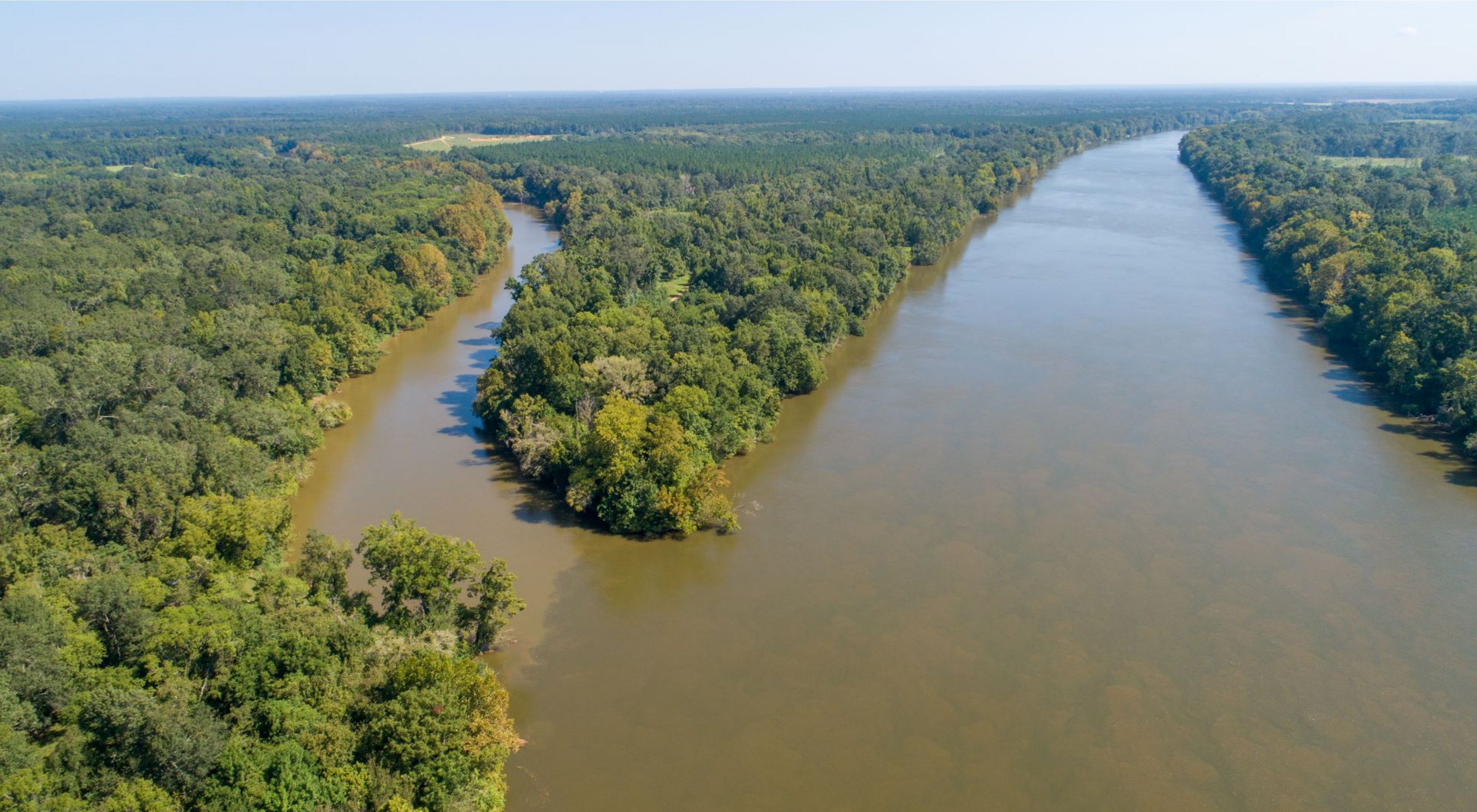
Deltas represent a special subset of lowland regions, formed at the point where a river meets a larger body of water, such as an ocean, lake, or another river system. As rivers slow down upon encountering still water, sediments carried from upstream begin to settle. This results in the creation of a new landform, typically exhibiting a triangular or fan-like shape.
Sediment Deposition and Landform Processes
The process of sediment deposition in deltas results in highly fertile soils that can support diverse ecosystems and intensive human agriculture. Due to fluctuating water levels and changes in sediment loads, delta regions continue to evolve, sometimes even giving rise to avulsion events – the rapid change in a river’s course.
Ecological and Environmental Significance
Biodiversity in Lowlands and Deltas
Both regions are renowned for supporting a rich diversity of flora and fauna. Lowland ecosystems often include forests, grasslands, and wetlands, each hosting unique species adapted to flat, low-altitude conditions. In deltas, the mix of fresh and saline water environments results in highly productive habitats that serve as nurseries for many aquatic species.
Key Ecological Functions
The ecological importance of lowlands and deltas spans a range of functions:
- Habitat Diversity: The presence of water, combined with flat terrain, creates various microhabitats that support birds, amphibians, fish, and a variety of plant species.
- Nutrient Cycling: The process of sediment deposition in these areas contributes to the cycling of essential nutrients, which is critical for both terrestrial and aquatic life.
- Environmental Buffering: Many lowland regions serve as natural buffers against storms and flooding, although they are also inherently prone to such events. Healthy wetland ecosystems in lowlands and delta regions help in water purification and carbon sequestration.
Climate Impact and Environmental Vulnerabilities
Lowlands and deltas are increasingly recognized as areas that are highly vulnerable to the impacts of climate change. Factors such as changing rainfall patterns, warming temperatures, and particularly rising sea levels contribute to both gradual and catastrophic changes:
Flooding and Urban Risks
Due to their low elevation, these areas face a heightened risk of flooding. Rapid urbanization further exacerbates these risks, as natural drainage is often replaced with impermeable surfaces that inhibit water absorption. The risk of flooding is particularly acute in delta regions, where even small increases in sea level can threaten extensive land areas, displacing human populations and damaging infrastructure.
Subsidence and Erosion
Another significant challenge is the natural phenomenon of land subsidence, where the ground gradually sinks under its own weight, often accelerated by human activities like groundwater extraction and large-scale construction. Combined with the natural process of erosion, subsidence can lead to significant habitat loss and a decrease in land usability.
Sustainable Environmental Management
Addressing these vulnerabilities requires innovative management and restoration strategies. Efforts focus on maintaining natural sediment flows, restoring wetlands, and creating engineered solutions such as levees and sustainable drainage systems to protect against rising water levels and heavy precipitation events.
Implications for Human Settlement and Agriculture
Attractions of Lowland Areas
Lowlands have long been attractive to human civilization because of their fertile soils and ease of access. This has resulted in high population densities and the development of extensive agriculture-supported communities. From ancient civilizations thriving on river valleys to modern urban centers, the availability of arable land has been critical.
Agricultural Productivity
The productivity of lowland regions is largely due to the continuous deposition of sediments that replenish nutrient-rich soils. These conditions are ideal for a variety of crops, contributing significantly to food security. However, intensive agriculture also poses risks, as it can lead to soil depletion, pollution from fertilizers, and alteration of natural water flows.
Cities and Infrastructure in Delta Regions
Deltas, due to their fertile land and strategic locations near waterways, have become hubs of economic activity and human settlement. Many of the world’s major cities have developed in delta regions, underlining their economic significance.
Economic Benefits and Challenges
While the economic benefits of developing lowland and delta regions are substantial, several challenges arise:
- Flood Hazard Management: Dense populations, combined with frequent flooding and storm surges, necessitate robust infrastructure and disaster planning.
- Resource Management: Intensive use of these lands for agriculture and industry can deplete resources and create conflicts over land use, challenging sustainable development goals.
- Urban Sprawl and Ecosystem Degradation: Rapid urbanization can result in the loss of natural habitats, contributing to biodiversity decline and environmental degradation.
Comparative Analysis and Data Overview
Comparative Table
The table below summarizes key aspects and implications of lowland and delta regions:
| Aspect | Lowlands | Deltas |
|---|---|---|
| Formation | Gradual sediment deposition and erosion processes | Intensive sediment deposition at river mouths |
| Terrain | Flat to gently undulating | Fan- or triangular-shaped deposits |
| Agricultural Value | Highly fertile with regular sediment renewal | Fertile soils ideal for intensive agriculture |
| Biodiversity | Supports diverse ecosystems including wetlands and forests | Rich habitats for both aquatic and terrestrial species |
| Flood Risk | High, especially during heavy rainfall events | Very high; subject to storm surges and sea-level rise |
| Urban & Economic Development | Significant human settlement and economic activities | Major urban centers established; economic hubs with infrastructure challenges |
| Environmental Challenges | Flooding, subsidence, and human-induced degradation | Erosion, land loss, and vulnerability to climate change impacts |
Adaptation Measures and Future Directions
Sustainable Management Practices
Mitigating the challenges associated with lowlands and deltas demands comprehensive strategies that integrate urban planning, environmental conservation, and advanced engineering solutions. Sustainable management practices include preserving natural sediment flows, restoring wetland areas, and investing in robust infrastructure designed to withstand severe weather events.
Engineering and Environmental Solutions
In many regions, the construction of levees, flood barriers, and sustainable drainage systems is critical in managing flood risks. Additionally, integrated watershed management and climate adaptation planning help communities in these areas prepare for seasonal variations and extremes. Advanced predictive modeling and satellite monitoring further support proactive water resource management.
Implications for Policy and Economic Growth
Policies targeting the sustainable development of lowland and delta regions provide immense benefits. Governments and local authorities are increasingly focusing on adaptive infrastructure investments and environmental resilience plans. Economic growth in these areas can be bolstered by policies that encourage sustainable agriculture, judicious land use, and investments in renewable energy.
Community Engagement and Local Solutions
Beyond government-led initiatives, community involvement is essential in managing the delicate balance between development and environmental preservation. Locally tailored solutions, including community-based monitoring of water quality and participatory planning in flood management, foster resilience and ensure that adaptation strategies are both effective and culturally appropriate.
Integrated Outlook
The Delicate Equilibrium
The continuous evolution of lowlands and deltas underlines a delicate equilibrium between natural processes and human interference. These regions are at the forefront of ecological productivity and human advancement, yet they remain vulnerable to extreme environmental events and long-term climate change. Understanding the complex interplay between natural dynamics and anthropogenic pressures is crucial. Recognizing these intricate relationships enables not only effective policy-making but also sustainable development practices that protect the environment while facilitating human growth.
Looking Ahead
Future research and policies must incorporate advanced technologies, community-based strategies, and international cooperation. As lowland and delta regions continue to evolve, the integration of data-driven insights and predictive analytics is becoming indispensable in safeguarding these landscapes. Investment in adaptive infrastructure and ecosystem restoration projects will help these critical regions maintain their role as bastions of biodiversity, cultural heritage, and economic prosperity.
References
- Definition and Examples of Lowlands - Geography
- Lowland (Plains) - ClassNotes.ng
- River Delta - Wikipedia
- Delta - National Geographic Education
- Deltas are Rich Fertile, Low-Lying Areas - IADC Dredging
Recommended Further Exploration
Last updated March 5, 2025