
Unveiling the Chemical Labyrinth: Understanding LSD Synthesis
An educational exploration into the complex and perilous journey of lysergic acid diethylamide creation.
The synthesis of lysergic acid diethylamide (LSD) is an intricate and highly dangerous chemical undertaking, demanding profound expertise in organic chemistry, access to specialized laboratory equipment, and handling of restricted precursor chemicals. It is crucial to understand that the manufacture, distribution, and possession of LSD are illegal in most parts of the world and carry severe legal penalties and significant health risks. The following information is provided strictly for educational purposes to elucidate the chemical principles involved and should not be interpreted as encouragement or guidance for any illicit activities.
Key Insights into LSD Synthesis
- Complex Chemistry: LSD synthesis is a multi-step process involving sophisticated organic reactions, requiring an advanced understanding far beyond basic chemistry knowledge.
- Hazardous Materials: The process utilizes highly toxic, corrosive, and often unstable chemicals, posing extreme risks of poisoning, chemical burns, and explosions if mishandled.
- Strictly Controlled: Due to its potent psychoactive properties and potential for abuse, LSD and its primary precursors are strictly regulated substances, making their acquisition and use for synthesis illegal.
What is LSD? A Glimpse into its Origins
Lysergic acid diethylamide, commonly known as LSD, is a powerful semi-synthetic hallucinogenic compound. It was first synthesized by the Swiss chemist Albert Hofmann in 1938 at Sandoz Laboratories in Basel, Switzerland, while he was researching the medicinal properties of ergot alkaloids. LSD is derived from lysergic acid, a chemical found in ergot (Claviceps purpurea), a fungus that typically grows on rye and other grains. Its profound psychological effects were discovered accidentally by Hofmann in 1943.
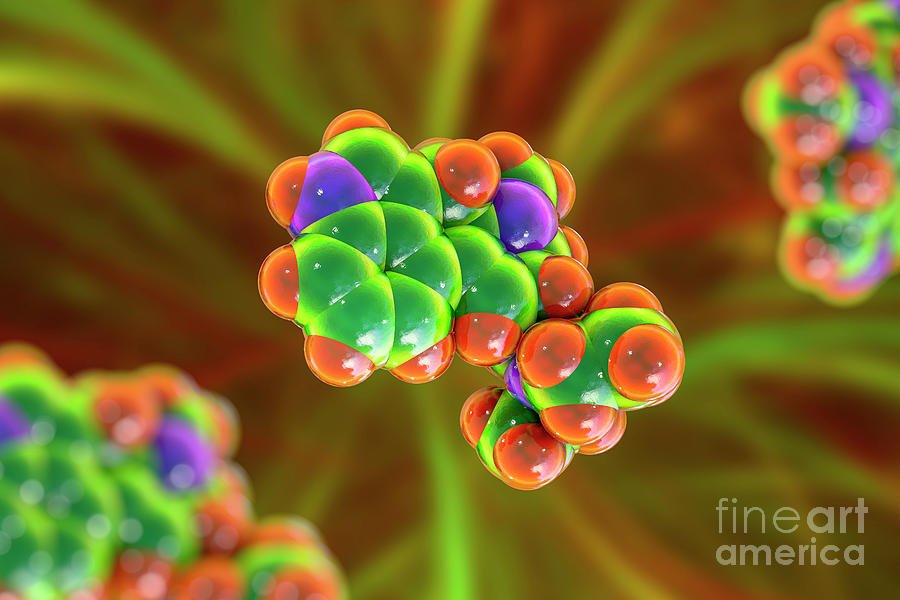
The complex molecular structure of Lysergic Acid Diethylamide (LSD).
The Foundation: Lysergic Acid
The cornerstone of LSD synthesis is lysergic acid. This compound serves as the primary precursor from which LSD is chemically constructed.
Sources of Lysergic Acid
- Ergot Fungus: Historically and most commonly, lysergic acid is extracted from ergot alkaloids (like ergotamine or ergometrine) produced by the Claviceps purpurea fungus. This extraction itself is a complex biochemical process. Working with ergot fungus carries risks, as it produces toxins that can cause ergotism, a serious medical condition.
- Total Chemical Synthesis: While lysergic acid can be synthesized from simpler chemical precursors in a laboratory without relying on ergot, these multi-step synthetic routes are exceptionally complex, often suffer from low yields, and are generally beyond the capabilities of clandestine operations. These methods are primarily of academic and research interest.
- Other Natural Sources: Some plants, like morning glory (Ipomoea tricolor) or Hawaiian baby woodrose (Argyreia nervosa) seeds, contain lysergic acid amides (LSA), a related compound. However, LSA is not LSD, and converting LSA to LSD is also a complex and inefficient process. Furthermore, these seeds often contain other toxic compounds or may be treated with pesticides.
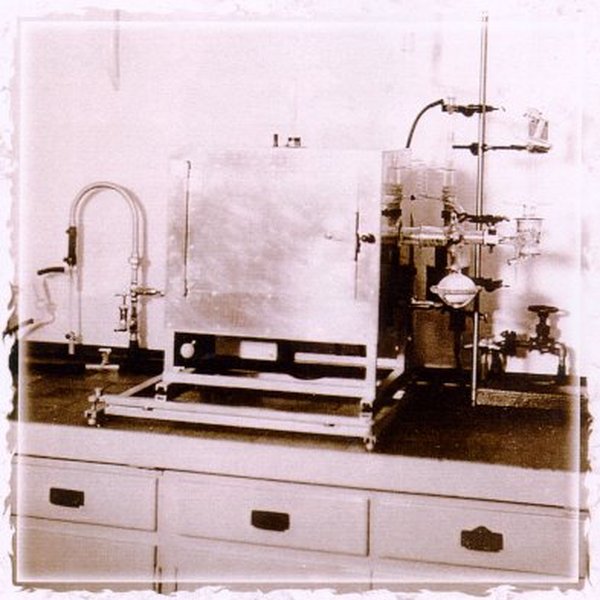
Dr. Albert Hofmann, who first synthesized LSD and discovered its psychoactive effects. Ergot research was central to his work.
The Intricate Chemical Pathway: Synthesizing LSD
The conversion of lysergic acid to LSD is a delicate and hazardous series of chemical reactions. This is not a simple "recipe" but a sophisticated organic synthesis that demands meticulous attention to detail, precise control of reaction conditions, and comprehensive safety measures.
General Steps in LSD Synthesis
While specific methodologies can vary, the general chemical strategy involves the following critical stages:
-
Activation of Lysergic Acid
Lysergic acid itself is not reactive enough to directly combine with diethylamine. Therefore, its carboxyl group (
-COOH) must be "activated." This is typically achieved by converting it into a more reactive derivative, such as an acid halide (e.g., lysergoyl chloride) or by using peptide coupling reagents (e.g., PyBOP - (Benzotriazol-1-yloxy)tripyrrolidinophosphonium hexafluorophosphate, or phosphoryl chloride - POCl3). These activating agents are often corrosive, toxic, and moisture-sensitive. -
Amidation: Reaction with Diethylamine
The activated lysergic acid derivative is then reacted with diethylamine ((C2H5)2NH). This step forms the crucial amide bond, resulting in lysergic acid diethylamide. Diethylamine is a volatile, flammable, and corrosive liquid with a strong unpleasant odor. The reaction conditions (temperature, solvent, stoichiometry) must be carefully controlled to maximize the yield of the desired product and minimize side reactions.
-
Handling Isomers: LSD and Iso-LSD
During the synthesis, particularly if reaction conditions are not optimal, a non-psychoactive isomer called iso-lysergic acid diethylamide (iso-LSD) can form. LSD and iso-LSD are stereoisomers, differing in the spatial arrangement of atoms at a specific carbon (C-8). Iso-LSD is not desirable and can significantly reduce the potency of the final product. In some procedures, iso-lysergic acid hydrazide is formed first and then isomerized to the active form.
-
Purification
The crude product obtained after the amidation reaction is a mixture containing LSD, iso-LSD, unreacted starting materials, and various byproducts. Extensive purification is essential to isolate LSD and remove impurities. Common purification techniques include:
- Chromatography: Techniques like column chromatography are often employed to separate LSD from iso-LSD and other impurities based on their different affinities for the stationary phase. This is a time-consuming process requiring skill and specialized materials.
- Recrystallization: This technique can be used to purify crystalline LSD, further removing impurities.
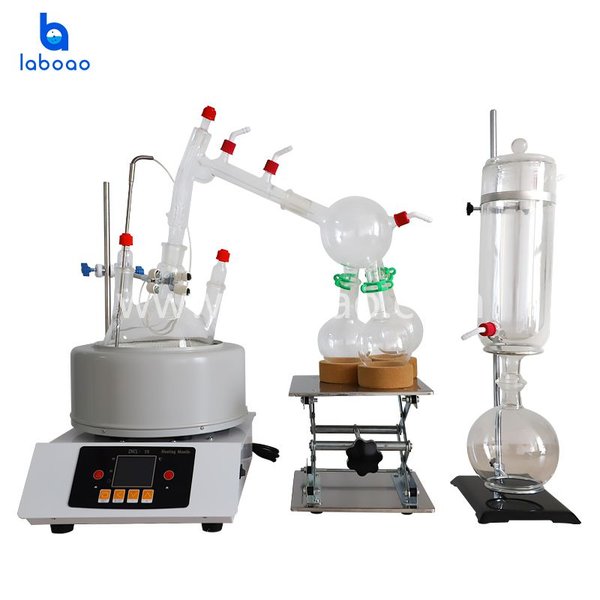
Specialized laboratory equipment, such as short path distillation kits, reflects the complexity involved in chemical synthesis and purification, though specific setups for LSD would vary.
Historical Context and Modern Research
Sandoz Pharmaceuticals held the patent for LSD (under the trade name Delysid) until 1963 and supplied it to researchers for psychiatric studies. However, due to widespread illicit use and growing concerns, Sandoz ceased its production in the mid-1960s. Subsequently, clandestine synthesis began to appear.
Modern chemical research continues to explore new synthetic routes to lysergic acid and its derivatives, sometimes achieving more efficient syntheses (e.g., a reported 7-step synthesis). However, these academic pursuits are typically aimed at developing analogs for potential pharmacological applications (e.g., for neurological or metabolic disorders) or for advancing the science of organic synthesis, often employing complex reactions like intramolecular Heck reactions or Evans aldol reactions. They are not intended to simplify illicit production.
The Synthesis Gauntlet: A Visual Overview
The journey of synthesizing LSD is fraught with challenges. The radar chart below illustrates various factors contributing to the difficulty and danger of this endeavor. Values are on a scale where higher numbers indicate greater challenge, cost, danger, or restriction. For 'Precursor Accessibility', a higher value means lower accessibility (more restricted).
This chart underscores that LSD synthesis demands exceptionally high chemical expertise, involves significant equipment investment, faces severe restrictions on precursor chemicals, presents extreme process dangers, carries maximum legal consequences, and requires a highly difficult purification stage.
Mapping the Synthesis Maze
The following mindmap provides a simplified conceptual flow of the major stages and considerations in the synthesis of LSD. It highlights the progression from raw materials to the final purified compound, emphasizing the critical factors at each juncture.
(Complex & Hazardous)"] id1_1_2["Total Chemical Synthesis
(Highly Advanced, Low Yield)"] id1_1_3["Other Natural Amides (e.g., LSA)
(Inefficient Conversion)"] id2[Core Synthesis Reactions] id2_1["Activation of Lysergic Acid
(e.g., with POCl3, PyBOP)"] id2_2["Amidation Reaction
(Coupling with Diethylamine)"] id3[Isomer Management] id3_1["Formation of LSD & Iso-LSD"] id3_2["Isomerization (if needed)
(Converting inactive forms)"] id4[Purification: The Crucial Cleanup] id4_1["Chromatographic Separation
(Isolating LSD from Iso-LSD & impurities)"] id4_2["Recrystallization
(Further purity enhancement)"] id5[Critical Overarching Factors] id5_1["Profound Organic Chemistry Expertise"] id5_2["Specialized & Sterile Laboratory Setup
(e.g., glassware, darkroom, ventilation)"] id5_3["Precise Control of Reaction Conditions
(Temperature, pH, light sensitivity)"] id5_4["Handling of Toxic & Reactive Chemicals"] id5_5["Extreme Legal Prohibition & Severe Penalties"] id5_6["Significant Safety Hazards
(Explosion, Poisoning, Chemical Burns)"]
This mindmap illustrates that each phase, from acquiring the initial lysergic acid to purifying the final product, is fraught with chemical complexity and demands specialized knowledge and resources, all under the shadow of severe legal and safety risks.
Essential Laboratory Conditions and Expertise
Attempting LSD synthesis without the proper environment and knowledge is not only illegal but also extraordinarily dangerous.
Requirements Include:
- Advanced Organic Chemistry Knowledge: A deep, practical understanding of reaction mechanisms, stereochemistry, purification techniques, and safe handling of hazardous reagents is non-negotiable. This is typically at a postgraduate level of expertise.
- Fully Equipped Laboratory: Standard laboratory glassware, heating and cooling apparatus, vacuum systems, rotary evaporators, chromatographic equipment, and potentially a darkroom (as LSD and its precursors can be light-sensitive) are necessary.
- Sterile Environment and Precise Control: Reactions often require inert atmospheres (e.g., nitrogen or argon gas) to prevent unwanted side reactions or degradation of sensitive compounds. Temperature and pH must be meticulously controlled.
- Access to Restricted Chemicals: Precursors like lysergic acid and certain reagents are heavily regulated and monitored by law enforcement agencies (like the DEA in the United States) to prevent illicit drug manufacturing.
- Safety Equipment and Protocols: Fume hoods, personal protective equipment (gloves, goggles, lab coats), and emergency preparedness (fire extinguishers, chemical spill kits) are essential due to the toxicity, flammability, and reactivity of the chemicals involved.
Key Chemicals and Their Associated Dangers
The synthesis of LSD involves a range of chemicals, many of which are hazardous. The table below outlines some key types of materials used and their general roles and risks. It is not exhaustive but illustrative of the dangers.
| Chemical/Material Category | Role in Synthesis | Associated Hazards |
|---|---|---|
| Ergot Alkaloids / Lysergic Acid | Primary precursor | Toxic if ingested (ergotism); controlled substance; handling ergot fungus itself is risky. |
| Diethylamine | Reactant for forming the diethylamide group | Corrosive, flammable, toxic by inhalation and skin contact, strong irritant. |
| Activating Agents (e.g., Phosphoryl Chloride, SOCl2, Peptide Coupling Reagents like PyBOP) | Activate lysergic acid for reaction | Highly reactive, corrosive, toxic, may react violently with water. |
| Organic Solvents (e.g., Chloroform, Benzene, Diethyl Ether) | Reaction media, extraction, purification | Many are flammable, volatile, toxic, carcinogenic, and/or harmful to the environment. |
| Acids and Bases (e.g., Sulfuric Acid, Hydrochloric Acid, Sodium Hydroxide) | Catalysts, pH adjustment, hydrolysis, isomerization | Corrosive, can cause severe burns; strong acids/bases react exothermically. |
| Reducing/Oxidizing Agents (used in some precursor syntheses) | Specific chemical transformations | Can be highly reactive, unstable, potentially explosive, toxic. |
| Hydrazine (used in some older or alternative procedures) | Intermediate formation | Highly toxic, corrosive, suspected carcinogen, potentially explosive. |
This table underscores the inherent dangers associated with the chemical palette required for LSD synthesis. Mishandling any of these substances can lead to severe injury, long-term health problems, or fatal accidents.
Delving Deeper: The Chemistry of Lysergic Acid Synthesis
For those interested in the academic aspects of organic chemistry, understanding the synthesis of precursors like lysergic acid itself can be illuminating. The video below discusses the total synthesis of lysergic acid, providing insights into the complex reactions and strategic planning involved in constructing such intricate molecules from simpler starting materials. This is presented for educational context on advanced organic synthesis.
Educational video discussing the total synthesis of lysergic acid, the precursor to LSD, highlighting complex organic chemistry principles.
This video, "Total Synthesis of Lysergic Acid (LSD Precursor): Retrosynthesis & Mechanisms (Hofmann, Woodward)," offers a journey through the history of lysergic acid synthesis. It explores the retrosynthetic analysis—a problem-solving technique where chemists work backward from the target molecule to identify potential starting materials and reaction pathways. The video likely details some of the landmark total syntheses, such as those accomplished by notable chemists like R.B. Woodward, showcasing the ingenuity required to assemble the tetracyclic ergoline skeleton of lysergic acid. Such syntheses often involve numerous steps, each with its own set of challenges regarding yield, stereoselectivity (controlling the 3D arrangement of atoms), and purification. It serves as an excellent example of the intellectual rigor and practical skill demanded by complex target-oriented synthesis in organic chemistry.
Frequently Asked Questions (FAQ)
Is it possible to make LSD at home with basic materials?
No, absolutely not. LSD synthesis requires advanced knowledge of organic chemistry, specialized laboratory equipment, access to strictly controlled precursor chemicals (not found in ordinary household items), and the ability to handle extremely hazardous materials safely. Attempting to do so is incredibly dangerous, illegal, and highly unlikely to succeed, potentially resulting in toxic byproducts, explosions, or severe injury.
What are the main legal risks associated with LSD production?
LSD is classified as a Schedule I drug in many countries, including the United States (under the Controlled Substances Act) and under international treaties. This means it is considered to have a high potential for abuse and no currently accepted medical use in treatment (though research is ongoing). Manufacturing, distributing, or possessing LSD carries severe legal penalties, including lengthy prison sentences and substantial fines.
Why is purification so important in LSD synthesis?
Purification is critical for several reasons. Firstly, impurities can include unreacted starting materials, toxic byproducts from side reactions, or inactive isomers like iso-LSD. These contaminants can significantly reduce the potency of the LSD or, more dangerously, introduce toxic substances that could have severe adverse health effects. Proper purification ensures the final product is predominantly the desired active compound, which is essential for both (intended) effect and safety, although illicit production inherently lacks quality control.
What is ergot and how is it related to LSD?
Ergot (Claviceps purpurea) is a fungus that grows on rye and other grains. It produces a range of biologically active compounds called ergot alkaloids. Lysergic acid, the primary chemical precursor for LSD, is one of these ergot alkaloids. Historically, ergot-contaminated grain led to outbreaks of ergotism (St. Anthony's Fire), a serious condition. Albert Hofmann was originally studying ergot alkaloids for their potential medicinal uses when he first synthesized LSD.
Recommended Further Exploration
For those interested in learning more about related scientific and historical topics, the following queries might provide deeper insights:
- What are the historical medical uses of ergot alkaloids?
- How does stereochemistry impact drug activity and synthesis?
- What are the challenges in total synthesis of complex natural products?
- What are the current regulations on precursor chemicals for controlled substances?
References
This information was synthesized from various sources focusing on the chemistry, history, and risks associated with LSD. For further reading, consider these resources:
Last updated May 8, 2025