
Mastering Luhmann's Zettelkasten: The Art of Note Branching
A deep dive into the interconnected world of knowledge management
Key Takeaways
- Unique Identifier System: Each note is assigned a distinct alphanumeric code, facilitating non-linear connections and infinite scalability.
- Organic Growth and Flexibility: The branching structure mirrors natural thought processes, allowing ideas to expand and intertwine without rigid hierarchies.
- Enhanced Knowledge Retrieval: Cross-referencing and backlinks create a dense network of ideas, enabling efficient information retrieval and creative insights.
Introduction to Luhmann's Zettelkasten Method
The Zettelkasten method, developed by the renowned German sociologist Niklas Luhmann, is a sophisticated system for note-taking and knowledge management. At its core, the method emphasizes the creation of a personal "slip box" where each note is meticulously organized and interconnected. This system transcends traditional linear note-taking by fostering a dynamic network of ideas, thereby enhancing both the storage and retrieval of information.
Understanding the Branching System
The branching system within Luhmann's Zettelkasten is pivotal to its effectiveness. It allows for the organic growth of ideas, ensuring that the system remains flexible and adaptable to the user's evolving thoughts and research needs. Here's an in-depth exploration of the branching mechanics:
Unique Identifier System
Each note in the Zettelkasten is assigned a unique alphanumeric identifier. This system is not merely a labeling mechanism but a foundational element that enables the branching and interconnection of ideas. For instance:
- Main Notes: These are the primary nodes in the system, typically numbered sequentially (e.g., 1, 2, 3).
- Branch Notes: When a new idea relates to an existing main note, it's assigned a derivative identifier (e.g., 1a, 1b, 1c).
- Sub-Branches: Further expansion of branch notes follows an extended identifier pattern (e.g., 1a1, 1a2, 1a3), allowing for a multi-tiered structure.
Non-Linear Organization and Flexibility
Unlike traditional hierarchical systems, the Zettelkasten's branching structure is inherently non-linear. This design allows for:
- Organic Growth: Ideas can expand in multiple directions without being confined to predefined categories.
- Interdisciplinary Connections: Diverse concepts can intertwine, fostering a rich tapestry of knowledge that mirrors real-world complexity.
- Scalability: The system can accommodate an ever-growing number of notes without necessitating structural overhauls.
Linking and Cross-Referencing
A cornerstone of the Zettelkasten method is the ability to link notes, creating a web of interconnected ideas. This feature is akin to hypertext in digital systems, allowing users to navigate seamlessly between related concepts. The benefits include:
- Enhanced Retrieval: Users can traverse through related notes effortlessly, uncovering connections that might not be immediately apparent.
- Creative Insight: The ability to link disparate ideas can lead to novel insights and innovative thinking.
- Contextual Understanding: Cross-referencing provides a deeper understanding of how ideas interrelate within the broader knowledge ecosystem.
Practical Implementation of Branching
To illustrate the practical application of Luhmann's branching system, consider the following example centered around the topic of "Climate Change":
| Identifier | Topic |
|---|---|
| 1 | Climate Change |
| 1a | Causes of Climate Change |
| 1a1 | Human Activities |
| 1a2 | Natural Climatic Variability |
| 1b | Effects of Climate Change |
| 1b1 | Rising Sea Levels |
| 1b2 | Impact on Biodiversity |
| 1c | Mitigation Strategies |
| 1c1 | Renewable Energy Adoption |
| 1c1a | Carbon Capture Technologies |
In this structure:
- 1: Serves as the core idea of Climate Change.
- 1a, 1b, 1c: Represent primary branches addressing causes, effects, and mitigation respectively.
- 1a1, 1a2: Sub-branches under causes, detailing specific aspects like human activities.
- 1c1a: A further sub-branch under mitigation strategies, exemplifying how new ideas can seamlessly integrate into the existing framework.
Such a structured approach ensures that each note remains specific yet interconnected, facilitating comprehensive exploration and understanding of complex topics.
Recursive Nature and Scalability
The recursive aspect of the branching system ensures that the Zettelkasten can expand indefinitely. Each new note can branch further, creating a multi-dimensional network of knowledge. This scalability is crucial for long-term research and learning, as it accommodates the continuous influx of new information without compromising the system's integrity.
Comparison with Traditional Note-Taking Methods
| Aspect | Zettelkasten Branching | Traditional Methods |
|---|---|---|
| Organization | Non-linear, interconnected web | Hierarchical, linear folders |
| Flexibility | Highly flexible, easily expandable | Rigid structure, difficult to reorganize |
| Scalability | Infinitely scalable through branching | Limited by folder structures |
| Creativity | Encourages creative connections | May stifle creativity due to structure |
| Retrieval | Efficient through cross-referencing | Dependent on folder hierarchy |
This comparison underscores the superiority of the Zettelkasten method in fostering a rich, adaptable, and dynamic knowledge base.
Benefits of the Branching System
The branching system offers numerous advantages that enhance both personal and professional knowledge management:
- Enhanced Cognitive Mapping: Visualizing ideas as branches aids in understanding complex relationships and overarching themes.
- Facilitation of Deep Learning: The interconnected nature promotes a comprehensive grasp of subjects, enabling deeper insights.
- Support for Incremental Learning: New information can be seamlessly integrated, supporting continuous learning without information overload.
- Promotion of Serendipitous Discoveries: Unexpected connections can lead to innovative ideas and solutions.
Implementing Zettelkasten Branching in Digital Tools
While Luhmann originally employed a physical slip box for his Zettelkasten, the advent of digital tools has transformed its implementation. Modern software solutions offer features that emulate and enhance the branching system:
- Digital Identifier Systems: Software can auto-generate unique identifiers, streamlining the process of note categorization.
- Interactive Linking: Hyperlinks and backlinks facilitate effortless navigation between related notes.
- Tagging and Metadata: Advanced tagging systems augment the branching structure, enabling multifaceted organization.
- Search and Filter Capabilities: Powerful search functions allow users to locate and retrieve information rapidly.
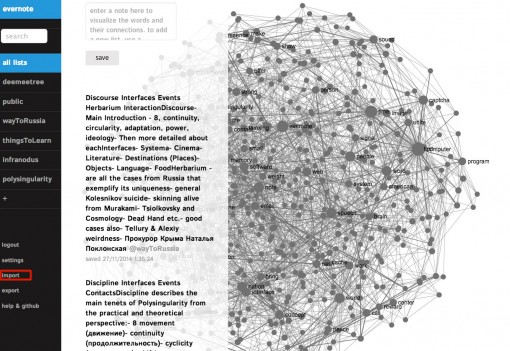
- Visualization Tools: Graphical representations of the note network aid in visualizing the interconnectedness of ideas.
Challenges and Solutions
Despite its myriad benefits, implementing the Zettelkasten branching system can present challenges:
- Initial Setup Complexity: Establishing a robust branching system requires careful planning and understanding.
- Maintenance Effort: Consistently updating and linking notes demands discipline and regular engagement.
- Potential for Overcomplication: Without moderation, the system can become overly complex, hindering rather than helping.
Solutions to these challenges include:
- Incremental Implementation: Start with a simple structure and expand as familiarity with the system grows.
- Regular Reviews: Periodically assess and refine the branching system to ensure it remains effective and manageable.
- Leveraging Digital Tools: Utilize software features that automate and simplify aspects of the system, reducing manual effort.
Case Studies and Applications
Numerous professionals across various disciplines have successfully implemented the Zettelkasten method to enhance their work:
Academic Research
Researchers use the Zettelkasten to organize literature reviews, track evolving theories, and connect disparate research findings, facilitating comprehensive and innovative academic work.
Writing and Content Creation
Writers leverage the branching system to develop intricate plotlines, manage character development, and interlink thematic elements, resulting in more cohesive and engaging narratives.
Personal Knowledge Management
Individuals employ Zettelkasten to organize personal interests, hobbies, and continuous learning endeavors, promoting a structured yet flexible approach to personal development.
The Future of Zettelkasten and Branching Systems
As knowledge management continues to evolve, the principles underlying Luhmann's Zettelkasten method remain highly relevant. Future advancements may include:
-
Artificial Intelligence Integration: AI could assist in automatically linking related notes, suggesting connections, and enhancing the system's intelligence.
-
Enhanced Visualization: Advanced visualization tools could provide more intuitive and interactive representations of the knowledge network.
-
Collaborative Zettelkasten: Multi-user platforms could enable collaborative knowledge building, allowing teams to create interconnected networks of ideas.
These developments promise to further augment the efficacy and accessibility of the Zettelkasten method, making it a cornerstone of modern knowledge management practices.
Conclusion
Niklas Luhmann's Zettelkasten method, with its intricate branching system, offers a profound approach to knowledge management and idea development. By embracing non-linear organization, unique identifiers, and robust linking mechanisms, the Zettelkasten transcends traditional note-taking methods, fostering an environment where ideas can grow, connect, and evolve organically. Whether employed in academic research, creative writing, or personal knowledge endeavors, the branching system provides a flexible and scalable framework that enhances both the storage and retrieval of information. As digital tools continue to advance, the principles of the Zettelkasten method are poised to integrate seamlessly into modern workflows, ensuring its enduring legacy in the realm of knowledge management.
References
Last updated January 27, 2025