
Advanced Lyocell Process and Environmental Benefits
A Comprehensive Analysis of Sustainable Textile Innovations
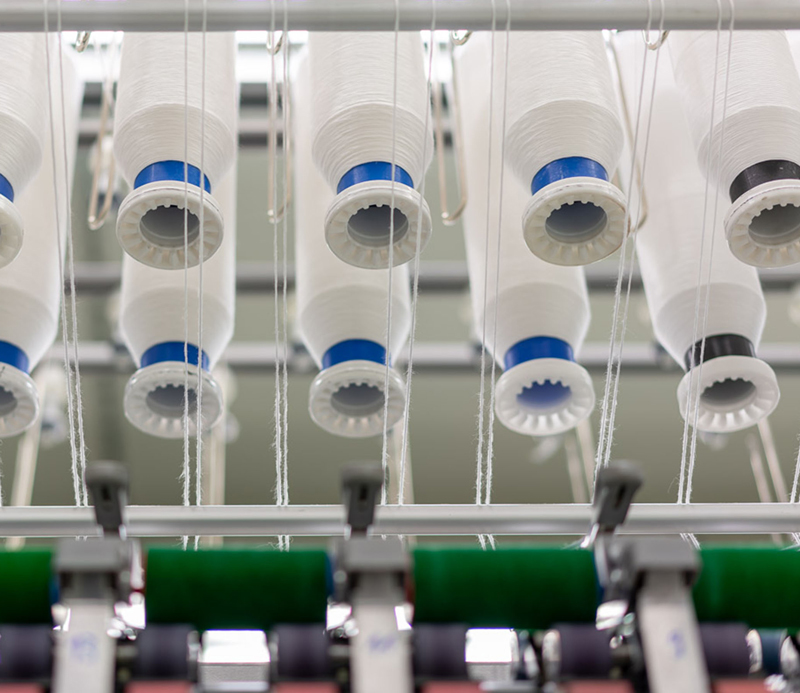
Key Insights
- Innovative Production: The advanced lyocell process leverages a closed-loop system that minimizes chemical waste and optimizes energy consumption.
- Sustainable Raw Materials: Utilizing renewable wood pulp from sustainably managed forests, the process ensures reduced ecological impact while supporting biodiversity.
- Environmental Benefits: Reduced water usage, lower carbon footprint, enhanced biodegradability, and minimal use of toxic chemicals mark significant ecological improvements compared to traditional fiber production.
Overview of the Advanced Lyocell Process
The lyocell process is a modern, environmentally friendly method of producing regenerated cellulose fibers. Unlike conventional textile manufacturing, which often involves high energy consumption, significant water usage, and hazardous chemicals, the advanced lyocell process revolutionizes fiber production by integrating a series of sustainable practices. This method utilizes a solvent-spinning technique in which cellulose derived from renewable wood pulp is dissolved in a non-toxic solvent and then extruded to form high-quality fibers.
Core Stages of the Process
At its heart, the advanced lyocell process comprises several key stages:
1. Raw Material Sourcing
The process begins with the sourcing of wood pulp, typically extracted from sustainably managed forests. Trees such as eucalyptus, beech, or bamboo are chosen not only for their rapid maturity but also for their low water requirements. The eco-friendly nature of the raw material is enhanced by responsible forest management practices that help preserve biodiversity and reduce the environmental footprint associated with raw material extraction.
2. Dissolution of the Cellulose
The harvested wood pulp is then treated to remove lignin and impurities before being dissolved in a non-toxic organic solvent, typically N-methylmorpholine-N-oxide (NMMO). This stage is crucial, as the solvent must effectively break down the cellulose structure without degrading the material. The resulting dope, a viscous solution of cellulose, serves as the precursor for fiber formation.
3. Solvent-Spinning and Fiber Formation
Once the cellulose is fully dissolved, the dope is extruded through a spinneret—a device with numerous fine holes—to form continuous filaments. This step is conducted within a highly controlled environment, often within an air gap, before the extruded fibers enter a coagulation bath. The coagulation process solidifies the fibers, ensuring consistent quality and structural integrity.
4. Washing and Finishing
After fiber formation, the fibers undergo thorough washing and drying. This step is critical for removing residual solvent traces. Advanced systems include additional treatment phases such as bleaching, drying, and finishing which further enhance the fiber’s properties such as breathability, strength, and moisture absorption.
5. Closed-Loop Solvent Recovery
One of the cornerstones of the advanced lyocell process is its robust closed-loop system. In this configuration, nearly 99% of the NMMO solvent is recycled, drastically reducing both the chemical input required and potential environmental hazards. This recovery not only safeguards workers and ecosystems but also improves the overall energy efficiency of the production cycle.
Environmental Benefits of Lyocell Production
The advanced lyocell process offers numerous environmental benefits that position it as a leader in sustainable textile innovation. Through a combination of responsible raw material sourcing, energy efficiency, and optimized water and chemical usage, lyocell fibers present a compelling green alternative to conventional fibers.
Water Conservation and Efficiency
Water usage in textile production is a critical environmental concern. Traditional cotton cultivation, for example, is notorious for its high water requirements and generation of wastewater. In contrast, lyocell production uses significantly less water. The closed-loop system ensures that water used during washing and solvent recovery is recycled, thereby minimizing water consumption and reducing the burden on local water resources. In some estimates, the process can use up to 20 times less water than conventional processes, making it a truly sustainable option from a hydrological perspective.
Energy Efficiency and Lower Carbon Footprint
Energy consumption is another area where the advanced lyocell process excels. Compared with traditional methods, the process benefits from modern reactor designs and automated process controls which enhance heat exchange and reduce overall energy usage. As a result, the carbon footprint associated with fiber production is markedly reduced. More efficient energy use leads to lower greenhouse gas emissions, contributing to efforts to mitigate climate change. The closed-loop system additionally ensures that energy-intensive steps, such as solvent recovery, are optimized to further lower the overall energy demand.
Reduced Chemical Usage and Enhanced Safety
One of the most compelling benefits of the lyocell process is the reduction in hazardous chemicals. Traditional fiber production methods, like the viscose process, often rely on aggressive chemicals such as carbon disulfide, which pose significant health and environmental risks. In contrast, the use of NMMO in lyocell production is considerably safer. Its lower toxicity and complete recyclability dramatically reduce the risk of harmful emissions and chemical waste. By eliminating many of the dangerous substances found in older processes, lyocell not only improves workplace safety but also minimizes toxic discharge into the environment.
Sustainable Sourcing and Biodegradability
The sustainability credentials of lyocell are further enhanced by its raw materials. The wood pulp used in the process comes from forests that are managed under strict environmental standards, ensuring that the fiber production does not contribute to deforestation or biodiversity loss. Furthermore, the fibers produced are entirely biodegradable. At the end of their life cycle, lyocell textiles can decompose naturally, reducing the volume of waste in landfills and lowering long-term environmental pollution. This biodegradability is particularly important in an era where waste management is a growing global challenge.
Economic and Industrial Implications
Beyond the obvious environmental advantages, the advanced lyocell process provides several economic and industrial benefits:
Enhanced Product Quality and Versatility
Lyocell fibers are known for their softness, strength, and moisture-wicking properties. These qualities make them highly desirable for a range of applications—from high-performance sportswear to luxury fashion. The ability to produce a high-quality, sustainable fiber opens up new market opportunities for eco-conscious brands seeking to blend performance with sustainability. In addition, the versatility of lyocell extends to technical textiles, where its unique properties contribute to innovative applications such as medical fabrics and industrial composites.
Innovation in Process Technology
Continuous research and development efforts are fueling further advancements in the lyocell process. Innovations such as improved solvent recovery systems, renewable energy integration, and advanced reactor designs are on the horizon. These developments promise not only to enhance the environmental performance of the process even further but also to increase its economic viability and scalability. As industries increasingly demand sustainable and high-quality materials, the advanced lyocell process is well-positioned to lead this transformation.
Comparative Analysis: Lyocell vs. Traditional Fibers
To illustrate the advantages of lyocell production, consider the following comparative table which outlines key differences between the advanced lyocell process and conventional textile production methods:
| Criteria | Advanced Lyocell Process | Traditional Fiber Production |
|---|---|---|
| Raw Material | Sustainably sourced wood pulp | Often non-renewable synthetic polymers or resource-intensive cotton |
| Solvent Usage | Non-toxic NMMO in a closed-loop recycling system | Use of toxic chemicals such as carbon disulfide; less recycling |
| Water Consumption | Significantly lower with water recycling | High water usage with substantial wastewater |
| Energy Efficiency | Enhanced process control and energy conservation | Higher energy demands in production and processing |
| Environmental Impact | Lower carbon emissions, biodegradable, minimal toxicity | Higher environmental footprint, long-term waste issues |
This table distinctly highlights the sustainable nature and environmental effectiveness of the advanced lyocell process. When compared to traditional methods, the advantages in terms of resource conservation, reduced chemical hazards, and improved ecological footprint are clearly evident.
Advanced Developments and Future Outlook
The advanced lyocell process is a dynamic field marked by continuous innovation and improvements. Ongoing research is focused on refining every stage of production to further enhance sustainability and performance. Here are some notable areas of advancement:
Improved Solvent Recovery and Recycling Systems
Research efforts are continuously directed toward perfecting the closed-loop systems that recover and recycle NMMO. By optimizing these systems, manufacturers can ensure that nearly all of the solvent is reused, considerably reducing waste and chemical losses. Future innovations in this area will likely further diminish the environmental impact of solvent-related operations and potentially lower production costs.
Integration of Renewable Energy Sources
The increasing focus on renewable energy provides an opportunity to further decrease the carbon footprint of lyocell production. By incorporating solar, wind, or other renewable energy sources into the production facilities, the energy requirements of the process can be met in a more sustainable manner. This not only reinforces the eco-friendly reputation of lyocell fibers but also aligns with broader global efforts to transition to clean energy.
Expansion into New Textile Applications
While lyocell is already widely used in apparel and home textiles, its properties are opening up exciting applications in technical textiles as well. Enhanced fiber strength, moisture management, and biodegradability make lyocell ideal for advanced industrial applications, medical textiles, and performance wear. As technology evolves, we may see lyocell being deployed in areas that require both high performance and sustainability, further broadening its market impact.
Lifecycle Analysis and Certification
To substantiate its environmental claims, manufacturers of lyocell fibers are increasingly engaging in comprehensive lifecycle analyses. These studies evaluate every stage of the fiber’s lifespan—from raw material extraction to end-of-life disposal—and help quantify its overall sustainability. Certifications from recognized environmental bodies provide transparent and verifiable metrics that reinforce consumer trust and industry standards.
Economic and Societal Implications
The impact of the advanced lyocell process extends beyond environmental benefits. In the context of a global shift toward sustainable industry practices, lyocell offers significant economic and social advantages:
Boosting the Sustainable Fashion Industry
As consumers become more environmentally conscious, the demand for sustainably produced textiles rises. Brands that adopt lyocell benefit from enhanced market credibility and access to a growing segment of eco-minded consumers. The unique combination of performance, comfort, and sustainability makes lyocell an appealing option in the competitive fashion market, driving both innovation and ethical production practices.
Job Creation and Technological Leadership
Investment in advanced lyocell production facilities can stimulate local economies by creating skilled job opportunities in green technology and process engineering. As companies upgrade their operations to meet higher environmental standards, there is a corresponding need for technical expertise in managing renewable resources, advanced process controls, and sustainable manufacturing practices. This fosters technological leadership and sets benchmarks for environmentally responsible industrial practices worldwide.
Community and Environmental Health
The reduction of toxic chemicals and lower emissions contribute to improved community health and a reduced environmental burden. As the textile industry moves away from harmful production techniques, local water and air quality improve, leading to better overall public health outcomes. This shift supports long-term sustainability goals and promotes a higher quality of life for communities situated near production facilities.
Comparative Lifecycle and Environmental Impact Analysis
To provide a holistic overview, consider the following analysis that compares the lifecycle environmental impacts of lyocell and traditional textile fibers:
| Lifecycle Stage | Lyocell Process | Traditional Processes |
|---|---|---|
| Raw Material Extraction | Renewable wood pulp from managed forests | Resource intensive cultivation or non-renewable resources |
| Chemical Usage | Non-toxic NMMO with high recyclability | Hazardous chemicals such as carbon disulfide |
| Water Consumption | Highly efficient with recycled water usage | Excessive water use and high wastewater output |
| Energy Consumption | Modern, energy-efficient reactors and process control | Higher energy demands and less process optimization |
| End-of-Life | Fully biodegradable with minimal environmental residue | Persistent waste materials and potential for long-term pollution |
This comprehensive lifecycle analysis underscores the considerable environmental advantages of the lyocell process, emphasizing its reduced resource demands, lower emissions, and enhanced recyclability. These factors make lyocell a superior alternative in the race to establish sustainable textile production practices.
Conclusion and Final Thoughts
In conclusion, the advanced lyocell process represents a significant breakthrough in sustainable textile manufacturing. Its innovative approach—marked by a closed-loop solvent recovery system, the use of renewable raw materials, efficient water and energy usage, and the incorporation of safer, non-toxic chemicals—serves as an exemplary model for the future of eco-friendly production. Not only does this process yield fibers that boast superior performance characteristics such as breathability, moisture absorption, and durability, but it also significantly reduces the environmental footprint typically associated with textile manufacturing.
The combination of environmental benefits, economic viability, and enhanced product quality positions lyocell as a flagship sustainable fiber. As ongoing research continues to drive improvements in production efficiency and environmental impact, the lyocell process is likely to see broader adoption across various industries, from fashion and home textiles to technical and industrial applications.
This integrated approach to sustainability benefits manufacturers, consumers, and the environment alike by ensuring that the textile industry moves towards a greener, more responsible future. By addressing key factors such as water conservation, energy efficiency, and the reduction of hazardous chemical use, the advanced lyocell process not only meets modern environmental standards but also sets new ones for the industry.
References
- Multiphase Simulations of a Lyocell Process - Academia.edu
- TENCEL™ Lyocell | Low Environmental Impact - Wilda
- What Is Lyocell Fabric, and Is It Sufficiently Sustainable? - Sustainable Review
- Sustainability | TENCEL™ Responsible Fiber Production
- Lyocell, the eco-friendly fiber - Advantages and Disadvantages
Recommended
Last updated February 20, 2025