
Prediction of Structure of Mucoviscosity Associated Protein (magA)
Exploring the Role of magA in Klebsiella pneumoniae through Robetta Server Analysis
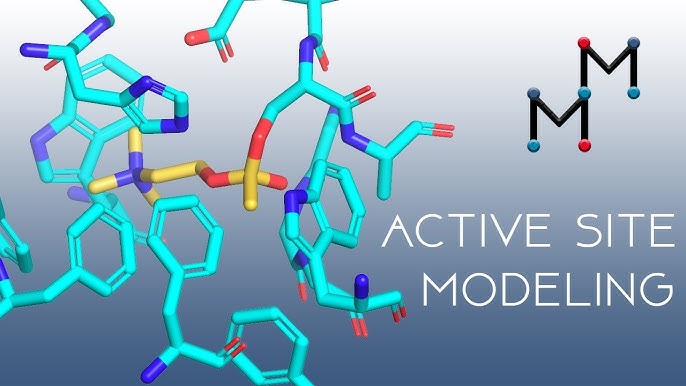
Key Highlights
- Robetta’s Dual Approach: Combines both template-based and de novo prediction methods for comprehensive protein modeling.
- Domain Parsing and Ginzu Method: Uses advanced domain detection to dissect the magA sequence and generate accurate sub-models.
- Functional Implications: Understanding magA's structure is crucial for dissecting its role in CPS biosynthesis and virulence.
Introduction
Klebsiella pneumoniae is a significant pathogen in clinical settings, largely due to its virulence factors that contribute to serious infections such as liver abscesses. One such virulence factor is the mucoviscosity-associated gene A (magA). This gene encodes a protein predicted to function as a Wzy-type capsular polysaccharide (CPS) polymerase, a central enzyme in the biosynthesis of the K1 capsular polysaccharide. The CPS is a key determinant of the bacterium's virulence, providing resistance to the host's immune responses. Thus, deciphering the three-dimensional structure of magA provides essential insights not only into its enzymatic function but also into possible targets for therapeutic intervention.
Modern protein structure prediction servers, such as the Robetta server, have become indispensable tools for modeling proteins when experimental data are limited. Robetta leverages sophisticated computational approaches to predict protein structures with high accuracy. The predictions generated aid in understanding the molecular basis of protein function and can suggest potential residue-specific interventions, especially in the context of virulence factor functionality.
Overview of Robetta Server
The Robetta protein structure prediction server is an established resource utilized by researchers around the world. It integrates both comparative modeling and de novo structure prediction methods, making it ideal for proteins like magA that might have both conserved and unique regions. The key features of the Robetta server include:
Prediction Methodology
Robetta employs a two-pronged approach:
Comparative Modeling
In regions of the protein where there is a sequence similarity to proteins with known structures, Robetta applies comparative or homology modeling. This method involves aligning the query sequence against known experimental templates from databases such as the Protein Data Bank (PDB). The algorithm then builds the protein model based on these alignments, ensuring that conserved structural features are accurately captured.
De Novo Prediction
For parts of the protein with no known homologous structures, Robetta makes use of the cutting-edge Rosetta de novo structure prediction algorithms. These algorithms involve fragment insertion techniques that build the structure from scratch, optimizing it iteratively to arrive at a stable conformation. The power of this approach lies in its capacity to predict the structure of novel protein folds or highly variable domains.
Steps to Predict magA Structure Using Robetta
Predicting the structure of the magA protein through the Robetta server involves a systematic process. Below is a step-by-step guide outlining the procedure and considerations:
Step 1: Sequence Acquisition
The first and critical step is obtaining the correct amino acid sequence for the magA protein. Researchers typically acquire this sequence from reliable databases such as NCBI Protein or UniProt. Due to magA’s significance in virulence, ensuring the full-length and correctly annotated sequence is used is imperative.
Step 2: Accessing the Robetta Server
Once the amino acid sequence is ready, access the Robetta server through its official website. The server interface is user-friendly and primarily serves as a portal for submitting protein sequences for structure prediction. Registration might be required, and users are advised to follow any usage guidelines provided on the website.
Step 3: Sequence Submission and Domain Prediction
After logging in, input the complete magA amino acid sequence into the submission field on the server. Robetta automatically initiates sequence parsing into distinct domains. It utilizes a robust domain prediction algorithm called Ginzu, which combines multiple bioinformatics tools (e.g., BLAST, PSI-BLAST, FFAS03, and 3D-Jury) to accurately identify regions with structural homology.
This domain prediction is crucial for two reasons:
- It allows the server to distinguish between regions that can be modeled by comparative methods versus those requiring de novo synthesis.
- It helps break down the protein into manageable segments, ensuring more precise modeling when these segments are later reassembled.
Step 4: Structural Model Generation
Once the domains are successfully predicted, Robetta proceeds to generate the structural models:
Comparative Modeling for Homologous Domains
In regions where the sequence shows homology to proteins of known structure, the server aligns the segments to template structures and builds the corresponding portion of the model. This often results in high-confidence predictions, especially if the template has high resolution.
De Novo Modeling for Unique Regions
For regions that do not align well with any known structures, the Robetta server applies de novo prediction. This method is more computationally intensive, employing fragment-based insertion to iteratively construct a viable structural conformation. The aim here is to capture potential functional conformations that remain elusive via template-based methods.
Step 5: Assembly of the Full-Length Structure
When the individual domain models have been generated, Robetta employs an assembly protocol to integrate all the domains into a complete, continuous protein model. This phase involves careful alignment and optimization of the connecting regions (linkers) between domains. The resulting full-length model is then subjected to final refinement processes.
Step 6: Analysis and Validation
After the full-length model is generated, researchers can analyze the structure using molecular visualization tools such as PyMOL or Chimera. These tools allow detailed inspection of specific functional residues, potential active sites, and the overall folding pattern of the magA protein.
Certain residues, such as R290, G308, H323, and G334, have been highlighted as crucial for CPS polymerization. The predicted models can be scrutinized to determine whether these residues are located at pivotal positions within the structure, potentially offering insights into the mechanism of capsule biosynthesis.
Beyond visual inspection, results can also be validated using computational tools that compare the predicted model against known structural databases, ensuring that the model falls within acceptable confidence parameters.
Functional Implications of magA Structure
The accurate prediction of the magA protein's structure has significant implications for understanding the pathogenicity of K. pneumoniae. Here are some key functional aspects derived from structural insights:
Role in Capsular Polysaccharide Biosynthesis
As a Wzy-type CPS polymerase, magA is instrumental in synthesizing the K1 capsular polysaccharide. The capsule protects the bacterium by resisting phagocytosis and other immune defenses. By studying the model, researchers can identify active site residues and potential binding domains that facilitate polymerization. Such insights are crucial for explaining how modifications to these regions might reduce bacterial virulence.
Insights into Enzymatic Mechanism
The model can also shed light on the mechanism of CPS biosynthesis at the molecular level. For instance, the structural configuration of the active site, along with the spatial arrangement of conserved residues, can help explain how the enzyme catalyzes the polymerization reaction. This understanding might pave the way for the development of new drugs that target specific enzymatic steps, disrupting capsule formation and consequently reducing virulence.
Potential for Therapeutics Development
Given its central role in virulence, the magA protein serves as a potential target for novel therapeutic interventions. Developing inhibitors that bind to active or regulatory regions of the enzyme could impede capsule formation, rendering the bacterium more vulnerable to the host immune system and existing antimicrobials. Structural insights derived from Robetta predictions can guide the design of such targeted drugs.
Detailed Summary Table of the Prediction Process
| Step | Action | Key Tools/Methods | Outcome |
|---|---|---|---|
| Sequence Acquisition | Obtain amino acid sequence | NCBI, UniProt | Reliable magA sequence |
| Accessing Robetta | Log in and submit sequence | Robetta Web Interface | Sequence queued for analysis |
| Domain Prediction | Parse sequence into domains | Ginzu method (BLAST, PSI-BLAST, FFAS03, 3D-Jury) | Identification of homologous and unique regions |
| Structural Modeling | Generate models using template-based and de novo methods | Comparative modeling and Rosetta de novo | Accurate structural models for domains |
| Model Assembly | Integrate domains to form full-length structure | Iterative domain assembly protocols | Complete, refined protein model |
| Analysis & Validation | Examine structural integrity and functional sites | Visualization tools (PyMOL, Chimera); quality assessment tools | Validated model for further research |
Considerations and Challenges in magA Structure Prediction
While the Robetta server provides robust methodologies for protein prediction, certain challenges must be acknowledged:
Sequence Variability and Isoforms
The magA gene can exhibit variations across different K. pneumoniae strains. These sequence polymorphisms might affect the predictability of structural domains. It is critical to confirm that the submitted sequence accurately represents the target isoform associated with CPS formation.
Confidence in De Novo Predictions
Although de novo predictions contribute valuable insights, they inherently possess lower confidence when compared to comparative models. Critical regions predicted using the de novo approach should be validated, possibly with experimental methods such as X-ray crystallography or NMR spectroscopy if discrepancies arise.
Computational Resources and Time Factors
Depending on the complexity of the magA sequence and the server load, structure prediction can range from minutes to several hours. Advanced predictions involving multiple domain assemblies necessitate greater computational power, which might also limit the frequency of large-scale analyses.
Practical Workflow for Researchers
For researchers aiming to predict the magA structure, adopting an organized workflow can streamline the process and ensure that each step is sufficiently validated:
Workflow Overview
The workflow involves:
- Sequence Verification: Confirm your magA sequence from trusted databases and check for known isoforms.
- Submission: Use the Robetta server to submit your sequence and monitor the prediction process.
- Domain Analysis: Utilize the domain predictions to split the sequence appropriately and decide on the modeling strategy for each domain.
- Model Generation: Collect both comparative and de novo models, then use the server’s assembly protocol to integrate them.
- Validation and Visualization: Analyze the final model with visualization tools for insights on functionally important residues.
This sequential approach helps to address potential pitfalls and maintain high confidence in the resulting model, allowing researchers a clear view of the structure-function relationship of magA.
Conclusion
In summary, the prediction of the magA protein structure via the Robetta server is a multifaceted process that integrates both template-based and de novo methodologies. The key steps begin with precise sequence acquisition, followed by robust domain prediction using the Ginzu method, and extend through the dual modeling approaches tailored for homologous and unique protein regions. The assembled model not only guides the understanding of the protein's enzymatic mechanism but also bolsters the exploration of therapeutic strategies targeting the CPS biosynthesis pathway in Klebsiella pneumoniae. Given the clinical significance of magA in virulence, especially in the context of liver abscess formation, the structural insights derived from this process are invaluable for both academic research and potential drug development initiatives.
While challenges such as sequence variability, inherent uncertainties within de novo predictions, and computational constraints exist, methodical workflow practices and subsequent experimental validation can enhance the reliability of the predictive models. Overall, leveraging the Robetta server provides researchers with a powerful platform to achieve a detailed understanding of a critical virulence factor, paving the way for future research and clinical application.
References
- Robetta Server - University of Washington
- PLOS ONE Article on magA Functionality
- PubMed Study on magA Variants
-
PMC Article on Protein Structure Prediction
Recommended
Last updated February 24, 2025