
Magnesium in Your Pool: Friend or Foe to Your Salt Chlorinator Cell Plates?
Unveiling the complex relationship between magnesium minerals and the heart of your pool's sanitation system.
Key Insights
- Deposit Dilemma: Magnesium, particularly when introduced as magnesium chloride in pools with standard sodium chloride chlorinators, can lead to the formation of insoluble deposits like magnesium hydroxide on cell plates. This buildup can impair the chlorinator's efficiency and potentially shorten its lifespan.
- Efficiency Equation: Standard salt chlorinators are optimized for the electrolysis of sodium chloride. Magnesium chloride has stronger ionic bonds, which may require more energy to break, potentially leading to reduced chlorine production if the system isn't designed or calibrated for it.
- System Specificity is Crucial: While some modern salt chlorinators are designed to be compatible with magnesium mineral blends, and dedicated magnesium pool systems exist, introducing magnesium salts into a conventional sodium chloride system without confirming compatibility can lead to operational issues.
The Science of Salt Chlorinators and Magnesium's Role
Saltwater pools utilize a salt chlorinator, also known as a saltwater chlorine generator (SWCG), to sanitize pool water. This device employs a process called electrolysis to convert dissolved salt (most commonly sodium chloride, NaCl) into chlorine. The core of this system is the electrolytic cell, which contains a series of metallic plates (electrodes), typically made of titanium coated with precious metals like ruthenium or iridium.
When magnesium is introduced into this environment, often in the form of magnesium chloride (MgCl₂) or as part of a mineral blend, the chemistry within the pool and at the cell plates changes. Understanding this interaction is key to determining its effect on the chlorinator.
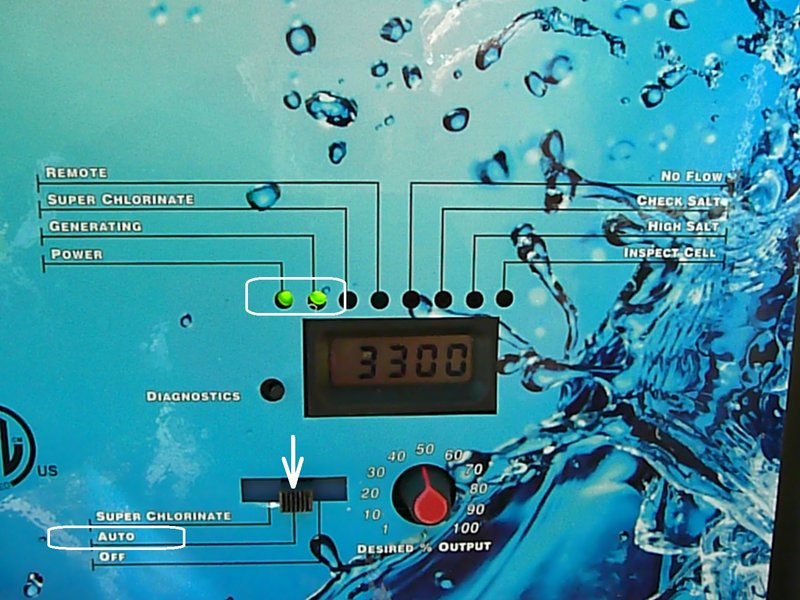
A typical salt chlorinator cell, where electrolysis converts salt to chlorine.
Potential Impacts of Magnesium on Standard Chlorinator Cell Plates
While magnesium offers benefits like a softer, silkier water feel and potential skin benefits, its use in conjunction with standard salt chlorinators designed primarily for sodium chloride warrants careful consideration due to several potential issues:
1. Formation of Deposits and Scaling
One of the most frequently cited concerns is the formation of scale or deposits on the chlorinator cell plates. While calcium carbonate is a common culprit for scaling in many pools, magnesium can introduce its own challenges:
- Magnesium Hydroxide: When magnesium chloride undergoes electrolysis or reacts with alkaline pool water, magnesium hydroxide (Mg(OH)₂) can precipitate. Magnesium hydroxide is poorly soluble in water and can form a milky or cloudy deposit on the cell plates. This is sometimes referred to as "magnesium scale."
- Impact on Efficiency: These deposits act as an insulator, reducing the contact between the water and the electrode surfaces. This diminishes the cell's ability to efficiently produce chlorine, forcing the system to work harder or leading to insufficient sanitization.
- Maintenance: Increased scaling necessitates more frequent cleaning of the cell. While some sources suggest magnesium can help soften existing calcium scale, making it easier to remove, the potential for magnesium-based deposits themselves remains a concern.
2. Reduced Chlorine Production Efficiency
Standard salt chlorinators are engineered for the electrochemical properties of sodium chloride. Introducing magnesium chloride can alter this:
- Ionic Bond Strength: Magnesium chloride (MgCl₂) has stronger ionic bonds compared to sodium chloride (NaCl). A standard chlorinator cell might not generate sufficient electrical current or voltage to efficiently break these bonds and produce the desired amount of active sanitizer.
- Lower Output: This inefficiency can result in lower-than-expected chlorine levels, compromising water sanitation and potentially leading to algae blooms or bacterial growth.
3. Potential for Corrosion
While chlorinator cell plates are made from corrosion-resistant materials, the introduction of different chemistries can sometimes influence long-term durability:
- Electrochemical Activity: Magnesium is a more electrochemically active metal than sodium. While used in sacrificial anodes to protect other metals, its presence in high concentrations directly within the electrolytic cell environment designed for NaCl could theoretically alter electrochemical dynamics, although robust cell plate coatings are designed to resist such effects.
- Manufacturer Specifications: Using salts or minerals not specified by the chlorinator manufacturer might affect the equipment's warranty or lifespan if adverse reactions occur.
4. Water Chemistry Imbalances
The addition of magnesium salts can also influence overall pool water chemistry:
- pH Levels: The formation of magnesium hydroxide, an alkaline compound (pH around 10.5), can contribute to a tendency for the pool's pH to rise. Consistently high pH can exacerbate scaling and reduce chlorine efficacy.
- Total Dissolved Solids (TDS): Adding any salt increases TDS. While chlorinators operate within a specific TDS range, a shift in the *type* of salt can be as important as the total amount.
Visualizing Performance: Standard Salt vs. Magnesium-Enhanced Pools
The following radar chart offers a conceptual comparison of various factors when considering standard sodium chloride systems, the use of magnesium chloride in such standard systems, and dedicated magnesium pool systems. These are illustrative values based on general consensus and potential outcomes, not precise empirical data, and actual performance can vary.
This chart highlights that while magnesium can enhance water feel, its use in a standard NaCl chlorinator might compromise cell longevity and efficiency. Dedicated magnesium systems aim to optimize these factors but may come with higher initial costs.
Dedicated Magnesium Systems and Compatibility
It's important to distinguish between adding magnesium salts to a standard sodium chloride chlorinator and using a pool system specifically designed for magnesium minerals. Many manufacturers now offer "mineral pool systems" or chlorinators explicitly stated as compatible with magnesium and potassium chloride blends alongside sodium chloride. These systems are engineered to handle the different chemistry and electrolytic demands of these minerals.
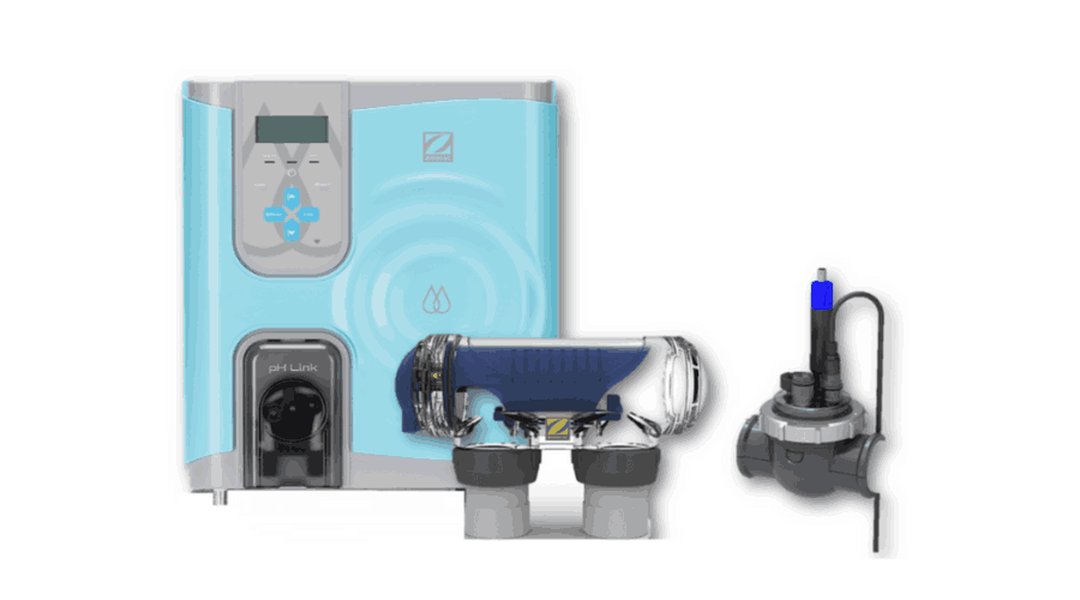
Dedicated mineral pool systems are designed to work effectively with magnesium.
If considering a magnesium-based pool, opting for such a specialized system is generally recommended to avoid the potential pitfalls of using magnesium in an incompatible standard chlorinator. Always consult the manufacturer's guidelines for your specific chlorinator model before introducing any new salts or minerals.
Comparing Salt Types: A Tabular Overview
This table provides a comparative look at using sodium chloride, adding magnesium chloride to a standard system, and employing a dedicated magnesium mineral system.
| Feature | Sodium Chloride (NaCl) in Standard System | Magnesium Chloride (MgCl₂) in Standard NaCl System (Potential Issues) | Dedicated Magnesium Mineral System |
|---|---|---|---|
| Primary Sanitizing Salt(s) | Sodium Chloride (NaCl) | Magnesium Chloride (MgCl₂), often with existing NaCl | Magnesium Chloride, Potassium Chloride (often with some NaCl) |
| Common Cell Plate Deposits | Primarily Calcium Carbonate (if water is hard/unbalanced) | Magnesium Hydroxide; potentially softened Calcium Carbonate | Managed by system design; potential for some mineral-specific scaling if unbalanced |
| Chlorine Production Efficiency (Cell Design) | Optimal for NaCl | Potentially Reduced due to MgCl₂ bond strength and/or scaling | Optimized for the specific mineral blend |
| Risk of Damage (Standard Cell) | Low (with proper maintenance & water balance) | Moderate to High (due to scaling, potential inefficiency) | Low (uses appropriately designed cell/system) |
| Water Feel | Typical saltwater feel | Potentially softer, silkier | Often marketed for enhanced softness and silky feel |
| Typical Maintenance for Cell | Regular cell cleaning for calcium scale | Potentially more frequent and careful cleaning for magnesium deposits; risk of premature cell failure | System-specific; may include features to minimize scaling or specialized cleaning protocols |
Understanding Magnesium's Complex Interactions: A Mindmap
The following mindmap illustrates the various effects and considerations when introducing magnesium into a swimming pool environment, particularly concerning its interaction with salt chlorination systems.
Salt Chlorinators"] id1a["Cell Plate Deposits"] id1a1["Magnesium Hydroxide (Mg(OH)₂)"] id1a2["Reduced Heat Transfer"] id1a3["Physical Obstruction"] id1b["Chlorine Production Efficiency"] id1b1["Stronger Ionic Bonds (MgCl₂)"] id1b2["Lower Sanitizer Output"] id1b3["Insulating Effect of Deposits"] id1c["Potential for Corrosion"] id1c1["Altered Electrochemical Environment"] id1c2["Increased Water Conductivity"] id1d["Water Chemistry Shifts"] id1d1["Increased pH Tendency"] id1d2["TDS Considerations"] id2["Potential Benefits of Magnesium"] id2a["Softer Water Feel"] id2b["Reported Skin Benefits"] id2c["May Soften Existing
Calcium Scale (Nuanced)"] id3["Considerations for Use"] id3a["System Compatibility is Key"] id3a1["Standard NaCl Chlorinators
(Often Not Recommended without Verification)"] id3a2["Magnesium-Specific
or Mineral Systems (Preferred)"] id3a3["Manufacturer Guidelines"] id3b["Maintenance Requirements"] id3b1["Increased Cell Cleaning Frequency (Potentially)"] id3b2["Specific Cleaning Agents"] id3c["Water Testing & Balancing"] id3c1["Regular pH Monitoring"] id3c2["Magnesium Level Testing (if applicable)"]
This mindmap summarizes that while magnesium can offer appealing water qualities, its interaction with standard chlorinators can be problematic, pushing towards specialized systems for optimal performance and equipment longevity.
Exploring Mineral Pool Systems
For those interested in the benefits of magnesium and other minerals, dedicated mineral pool systems offer an integrated approach. These systems are designed from the ground up to work with specific mineral blends. The video below provides an overview of mineral pool systems and their advantages.
This video discusses the benefits and differences of mineral pool systems, which often utilize magnesium.
Mineral systems often claim benefits beyond just sanitation, including improved water clarity, a more comfortable swimming experience, and potentially reduced reliance on high chlorine levels. However, they represent a different approach than simply adding magnesium to a traditional saltwater setup.
Frequently Asked Questions (FAQ)
Can I just add Epsom salts (magnesium sulfate) to my saltwater pool?
While Epsom salts (magnesium sulfate) do provide magnesium, their overall impact on pool chemistry and chlorinator cells can differ from magnesium chloride, which is more commonly found in pool-specific mineral products. Magnesium sulfate can significantly increase sulfate levels in the pool, potentially leading to issues like corrosion of metallic components (especially stainless steel) or damage to plaster surfaces if calcium and sulfate levels are both high (forming calcium sulfate scale). It's generally recommended to use magnesium products specifically formulated and tested for swimming pool use, rather than common Epsom salts.
Will using magnesium void my salt chlorinator's warranty?
Using salts or mineral additives not explicitly approved by your salt chlorinator's manufacturer could potentially void the warranty. Manufacturers typically specify the type and concentration of salt (usually high-purity sodium chloride) suitable for their equipment. If damage occurs due to the use of non-approved substances, the manufacturer may not cover repairs or replacement. Always consult your chlorinator's manual or contact the manufacturer directly before adding magnesium or any other alternative mineral.
How do I know if my current salt chlorinator is compatible with magnesium minerals?
The most reliable way to determine compatibility is to check the product documentation (owner's manual) for your specific salt chlorinator model. Manufacturers often list compatible salt types or mineral blends. If the information isn't clear, contact the manufacturer's customer support directly. Some newer chlorinator models are designed for broader compatibility with mineral systems, but many older or standard models are optimized solely for sodium chloride.
If magnesium forms deposits, how is it different from calcium scaling?
Calcium scaling, typically calcium carbonate (CaCO₃), usually forms as a hard, crystalline, and often whitish deposit that adheres strongly to surfaces. Magnesium, in the context of pool chlorinators, often precipitates as magnesium hydroxide (Mg(OH)₂). This compound is generally described as a softer, sometimes sludgy or milky deposit. While it might be structurally different from hard calcium scale, it can still effectively coat and insulate chlorinator cell plates, impairing their function. Some anecdotal evidence suggests that magnesium in the water might make existing calcium scales softer and easier to remove, but this doesn't eliminate the risk of magnesium itself forming problematic deposits on the cell.
Are "mineral pools" that use magnesium better than traditional saltwater pools?
Whether a magnesium-based mineral pool is "better" is subjective and depends on individual priorities and preferences. Mineral pools are often promoted for providing a softer, more luxurious water feel, potentially being gentler on skin and eyes, and offering therapeutic benefits from magnesium. However, they can have higher initial setup costs (for dedicated systems) and may require specific maintenance routines or mineral replenishment. Traditional sodium chloride saltwater pools are well-understood, generally effective, and can be more straightforward or cost-effective for some owners. Both systems aim to provide sanitized water; the choice often comes down to desired water quality, budget, and willingness to manage system-specific requirements.
Recommended Further Exploration
- What are the key differences between dedicated magnesium pool systems and standard saltwater chlorinators?
- What is the best method for cleaning magnesium deposits from a salt chlorinator cell if they occur?
- Are there any long-term effects of magnesium chloride on other pool surfaces and equipment besides the chlorinator cell?
- How does water chemistry management differ for a magnesium mineral pool compared to a traditional salt pool?
References
Last updated May 9, 2025