
The Second Coming of JDM: Expectations for Mahama's Presidency
A comprehensive exploration of challenges, opportunities, and reforms
Key Highlights
- Economic Reforms and Job Creation: Mahama aims to address inflation, currency depreciation, and high unemployment through targeted fiscal discipline, infrastructure investments, and job-creating initiatives in agriculture and other key sectors.
- Rebuilding Trust and Governance: Expect significant efforts in anti-corruption measures, merit-based appointments, and transparent administration to restore public confidence.
- Sustainable Development and Social Investment: There is a strong emphasis on sustainable development programs, enhanced social welfare, and national unity to improve quality of life.
Introduction
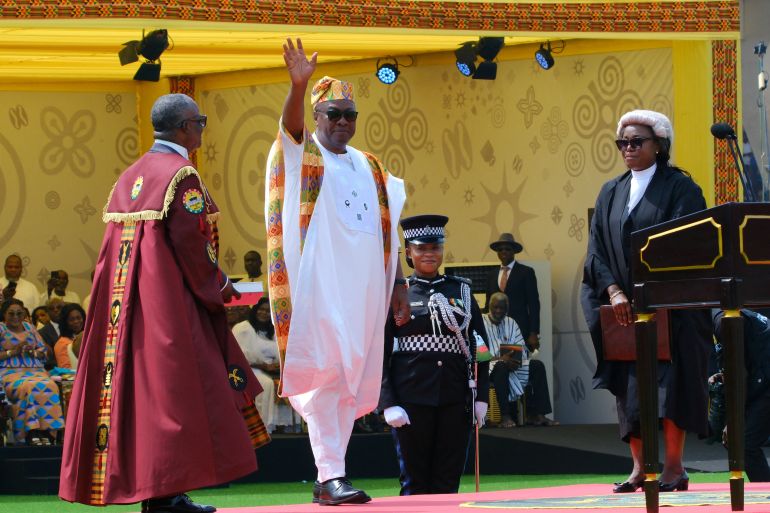
In a historic political turn, John Dramani Mahama, popularly known as JDM, resumes the presidency of Ghana with a mandate to steer the nation through a transformative phase. His victory in the December 2024 elections, where he secured 56.55% of the vote, marks not only a return to power but also sets high expectations from the populace. This second term is deeply anticipated to reinvigorate the country's economic stability, enhance social welfare, and restore trust in the governance structures that have long been challenged by corruption and inefficiency.
Economic Policies and Reforms
Addressing Economic Challenges
Ghana continues to face numerous fiscal challenges, including a depreciating currency, high inflation rates, and mounting public debts that have significantly affected its economic outlook. Mahama's administration is under immense pressure to implement robust economic reforms. The core strategies include fiscal discipline, prudent debt management, and stimulating a “24-hour economy” to boost production and job creation.
Fiscal Discipline and Redeeming Confidence
One of the prominent priorities is ensuring fiscal discipline. With a struggling economy that has witnessed chronic currency depreciation, President Mahama is expected to focus on stabilizing financial markets and promoting investor confidence. Policy reforms such as abolishing burdensome levies like the E-Levy, COVID-19 levy, and betting tax are seen as immediate steps to reduce the tax burden on citizens and businesses.
Job Creation and Industrial Growth
Efforts to mitigate unemployment, particularly among the youth, remain central to his agenda. By boosting sectors like agriculture, agribusiness, manufacturing, and energy, the administration is set to initiate policies that pave way for new job opportunities and sustainable growth. Investments in agro-industrial parks and regional trade frameworks are expected to catalyze local production and economic diversification.
Infrastructure and Sustainable Development
Infrastructure development is fundamental for fostering economic resilience. Significant capital is being allocated to upgrade transportation networks, energy systems, and educational institutions. These improvements not only streamline logistics and reduce operational costs but also create an enabling environment for businesses to thrive.
Building the Foundations for a 24-Hour Economy
The concept of a “24-hour economy” reflects an ambition to extend the hours of economic activity. By incentivizing both traditional and emerging sectors, the government aims to foster continuous production cycles and create a dynamic, inclusive economic landscape that benefits all regions—urban and rural alike.
Rebuilding Trust and Governance
Confronting Corruption and Enhancing Transparency
A major obstacle in Ghana’s recent political evolution has been the erosion of trust due to corruption and inefficiencies in past administrations. President Mahama’s return carries the expectation of a complete reset in governmental ethics. There is considerable pressure for his leadership to embrace transparent practices, foster merit-based appointments, and establish strict accountability frameworks that restore faith in public institutions.
Ethical Leadership and Transparency Measures
Under his guidance, the government is expected to develop independent oversight bodies to monitor government spending and the implementation of key projects. This involves a zero-tolerance policy towards procurement corruption and ensuring that public resources are efficiently managed. The administration aims to prioritize competent officials whose appointments are based purely on merit and proven track records.
Inclusive National Governance
A renewed focus on inclusive governance also means engaging a broader spectrum of political actors and experts in the decision-making process. The approach is designed to be participatory, ensuring that policies reflect the collective aspirations of the citizenry while promoting unity and social cohesion.
Social Policies and Improved Welfare
Youth Empowerment and Educational Reforms
Recognizing that youth and education are pivotal for long-term national growth, the administration under President Mahama is set to enhance investment in educational reforms. New strategies are being envisioned to review and refine programs such as the Free Senior High School (SHS) initiative. With improved education systems, the youth are expected to receive the necessary skills and training to contribute to the evolving economy.
Health, Welfare, and Social Safety Nets
Beyond education, there is a concerted push for improved healthcare services and a robust welfare system. The administration views these elements as integral to elevating the standard of living for the majority of citizens, particularly the vulnerable members of society who have historically been left behind. Investment in healthcare infrastructure, sanitation, and waste management is also expected as part of a holistic approach.
National Unity and Social Cohesion
A vision for an inclusive and united Ghana is central to the current administration’s rhetoric. By emphasizing national unity, the government plans to reinvigorate community development programs that bridge the gap between the economically active and those marginalized by poverty and inequality. This focus on social cohesion is seen as a pillar supporting long-term national development and sustainability.
Challenges and Opportunities Ahead
Balancing Expectations with Economic Realities
Mahama's second term faces the herculean task of delivering on a plethora of campaign promises while navigating a complex set of economic and social challenges. Ghana’s indebtedness remains one of the most critical issues, with the nation’s public debt hovering around 79.6% of its GDP. The challenge lies in implementing reforms that not only restore fiscal balance but also stimulate economic growth without exacerbating debt burdens.
Tackling Multidimensional Poverty
Addressing multidimensional poverty is crucial for reducing the gap between different socio-economic groups within the country. The government is under pressure to design and implement policies that target poverty alleviation, particularly for children and rural populations who are disproportionately affected. Efforts will focus on comprehensive poverty reduction programs that encompass education, infrastructure, healthcare, and economic empowerment.
Strengthening International Relations
In addition to domestic reforms, Mahama’s administration will also prioritize enhancing bilateral and multilateral relations. By forging stronger ties with key international partners, Ghana aims to attract foreign investment and bolster economic cooperation. Diplomatic initiatives, such as President Mahama’s recent visit to Sierra Leone, serve as stepping stones to broaden international support and open new channels for economic collaboration.
A Comprehensive Table of Key Focus Areas
| Key Focus Area | Expected Policies/Actions | Major Challenges |
|---|---|---|
| Economic Reforms | Fiscal discipline, debt management, and job creation measures; incentivizing industrial growth and agro-processing initiatives. | High public debt, inflation, and currency depreciation. |
| Infrastructure Development | Upgrading transportation networks, energy systems, and educational institutions; promoting a 24-hour economy. | Limited resources and uneven regional development. |
| Governance and Accountability | Transparent appointments, anti-corruption frameworks, and independent oversight bodies. | Historical erosion of public trust and legacy corruption issues. |
| Social Policies and Welfare | Enhancements in education, healthcare, and social safety nets; targeted poverty alleviation programs. | Deep-seated socio-economic disparities and underinvestment in vulnerable communities. |
| International Relations | Strengthening bilateral ties; promoting regional trade and global partnerships. | Geopolitical uncertainties and need for consistent diplomatic engagement. |
References
- Ghana President's Second Coming and Gen Z Expectations - CISA Newsletter
- John Dramani Mahama: Chapter Two - Modern Ghana
-
Ghana’s Mahama Returns as President Facing Old Problems - US News
- John Mahama's Second Coming - The Nation Online
- The Early Days of John Mahama's Second Presidency - Graphic Online
Recommended Further Queries
Last updated March 19, 2025