
Ghana's Renaissance: The Expectations and Challenges Facing John Dramani Mahama's Second Presidency
After a decisive comeback victory, Mahama returns to lead Ghana through economic turbulence with ambitious promises of transformation
Key Expectations for Mahama's Second Term
- Economic Reset and Stabilization: Addressing Ghana's worst economic crisis in a generation with targeted reforms and job creation
- Governance and Anti-Corruption Initiatives: Implementing "severe measures and governance reforms" to combat corruption and restore public trust
- Social Sector Revitalization: Improving healthcare, education, infrastructure, and addressing regional security challenges
Following a landslide victory in the December 2024 elections, John Dramani Mahama was sworn in as Ghana's president on April 7, 2025, marking his second term in office after previously serving from 2012 to 2017. His return to power, dubbed "The Second Coming," comes at a critical juncture for Ghana, as the nation grapples with significant economic challenges, high unemployment, and widespread public frustration with the political establishment.
Mahama's victory represents a remarkable political comeback after losing his reelection bid in 2016 and the subsequent 2020 election. His successful campaign was built on promises to "reset" the country and create a "life of limitless opportunity" for Ghanaians, resonating strongly with voters seeking relief from economic hardship.
Political Context and Electoral Mandate
Mahama's return to power came amid Ghana's worst economic crisis in a generation. The country has been facing high inflation, currency depreciation, and a debt default that led to a $3 billion bailout from the International Monetary Fund (IMF). These economic challenges significantly damaged the previous government's reputation and contributed to Mahama's decisive win.
With approximately 56.55% of the vote, Mahama secured a clear mandate that reflects deep-seated frustrations and a sense of hopelessness among Ghanaians regarding the existing political and economic system. His inauguration was attended by around 20 African leaders, underscoring the regional significance of Ghana's democratic transition.
Factors Contributing to Mahama's Victory
| Factor | Impact on Election | Implications for Governance |
|---|---|---|
| Economic Crisis | High inflation and debt default led voters to seek change | Creates urgency for economic reforms but limits fiscal options |
| Voter Frustration | Dissatisfaction with previous government's handling of economy | High expectations for immediate improvements in living standards |
| Campaign Promises | Pledges to "reset" the country resonated with electorate | Creates pressure to deliver tangible results quickly |
| Previous Experience | Familiarity with Mahama's previous term (2012-2017) | Allows for building on past initiatives but requires addressing previous shortcomings |
| Youth Appeal | Strong support among young voters seeking economic opportunity | Necessitates focus on job creation and youth empowerment |
Economic Expectations: Resetting Ghana's Economy
At the heart of Mahama's mandate is the expectation that he will address Ghana's economic challenges. His administration faces the daunting task of stabilizing the economy while simultaneously implementing growth-oriented policies that create jobs and improve living standards.
The 24-Hour Economy Initiative
One of Mahama's signature proposals is the implementation of a "24-hour economy" – a strategy designed to boost industrial productivity and create jobs by extending business operations around the clock. This initiative aims to maximize Ghana's economic output through shift-based employment systems and improved infrastructure support.
Key Components of the 24-Hour Economy
- Extended operating hours for businesses and government services
- Incentives for companies implementing multiple work shifts
- Infrastructure improvements, particularly in electricity supply and security
- Enhanced public transportation to support night workers
- Special economic zones with round-the-clock operations
IMF Program Renegotiation
During his campaign, Mahama indicated that he would seek to renegotiate the terms of the $3 billion IMF bailout secured by the previous government. Any renegotiation would need to balance the need for fiscal discipline with Mahama's promises to alleviate economic hardship and create jobs.
Economic Priorities
- Reducing inflation and stabilizing the Ghanaian cedi
- Addressing the nearly 15% unemployment rate through targeted job creation initiatives
- Scrapping some taxes to reduce the cost of living crisis
- Enhancing domestic production to reduce import dependency
- Streamlining the mining sector through initiatives like GoldBod to increase revenue from gold exports
The radar chart above illustrates the gap between public expectations for Mahama's administration across key policy areas versus the feasibility of achieving significant progress within the first year, alongside the expected resource allocation. The substantial gap between expectations and feasibility highlights the challenge Mahama faces in managing public sentiment.
Governance and Anti-Corruption Initiatives
Mahama has promised to implement "severe measures and governance reforms" to tackle corruption and improve governance. During his campaign, he vowed to create a new office tasked with scrutinizing government procurement above a $5 million threshold, reflecting his commitment to fiscal discipline and transparency.
Anti-Corruption Framework
There are high expectations that Mahama will prosecute corrupt officials to serve as a deterrent. His administration's approach to combating corruption will be closely watched, particularly given the criticisms faced during his previous term.
Governance Reform Priorities
- Establishing a "lean government" to promote efficiency and accountability
- Implementing stringent measures to combat corruption within government institutions
- Increasing transparency in government procurement and contracting
- Strengthening independent anti-corruption institutions
- Improving public service delivery through digitalization and reforms
Mahama has already ordered a full-scale investigation into allegations of drug trafficking and money laundering linked to suspicious flights at Kotoka International Airport (KIA), signaling his commitment to addressing corruption and security concerns.
Social Sector Expectations
Beyond economic reforms and governance improvements, Mahama's administration is expected to address pressing social issues and enhance public services across various sectors.
Education and Healthcare
Mahama's administration aims to improve Ghana's education system with a focus on vocational training to equip youth for future workforce requirements. Similarly, increased investments in healthcare to ensure better access and quality of medical services are a priority.
Education Initiatives
- Sustaining and improving the free Senior High School education program
- Enhancing educational infrastructure and access
- Focusing on vocational and technical training
- Improving educational quality and learning outcomes
Healthcare Priorities
- Upgrading healthcare facilities across the country
- Improving staffing levels in the health sector
- Expanding health insurance coverage
- Strengthening preventive healthcare services
Infrastructure and Regional Development
Infrastructure development was a hallmark of Mahama's previous term, and similar expectations exist for his second coming. His administration has expressed concerns over delays in critical projects like the $200 million Greater Accra Resilience and Integrated Development (GARID) project aimed at mitigating flooding in Accra.
Additionally, there are specific regional expectations, such as addressing the peace and security situation in Bawku in the Upper East Region, highlighting the need for tailored approaches to regional development and security challenges.
Addressing Galamsey (Illegal Mining)
Mahama has pledged to tackle illegal small-scale mining, known locally as "galamsey," which has caused significant environmental damage in Ghana. His approach to balancing environmental protection with the economic needs of communities dependent on small-scale mining will be closely scrutinized.
Mahama's Policy Agenda: A Mind Map
The following mind map outlines the key policy areas and initiatives of Mahama's administration, illustrating the interconnected nature of the challenges and proposed solutions:
The First 100-120 Days: Critical Period
The first 100-120 days of Mahama's administration will be crucial in setting the tone for his governance and demonstrating his commitment to fulfilling campaign promises. This period is often seen as a metric of a new administration's effectiveness and ability to translate promises into action.
Already, Mahama has taken several significant steps since his inauguration:
- Chaired a special Cabinet session on the 2025 budget
- Released a fresh list of District Chief Executive (DCE) nominees
- Ordered investigations into alleged illegal activities
- Expressed concerns over delays in critical infrastructure projects
These early actions suggest a focus on governance, economic planning, and addressing corruption, aligning with key campaign promises. However, the true test will be the administration's ability to implement substantive reforms that address Ghana's economic challenges and improve living standards for ordinary citizens.
Challenges and Potential Obstacles
While expectations for Mahama's second term are high, his administration faces several significant challenges that could impact its ability to deliver on its promises:
Managing High Expectations
The significant margin of Mahama's victory brings exceptionally high expectations from the public, making it challenging to meet all demands. Analysts have urged the administration to manage these expectations carefully, particularly given the economic constraints the country faces.
Economic Constraints
Ghana's high debt levels (approximately 79.6% of GDP) and commitments under the IMF program limit the fiscal space available for new initiatives. Balancing fiscal discipline with promises to alleviate economic hardship will be a delicate task.
Maintaining National Unity
With a diverse supporter base and regional interests, maintaining national unity and cohesion while implementing potentially difficult reforms presents a challenge. Regional issues, such as the peace and security situation in Bawku, require careful handling to avoid exacerbating tensions.
Overcoming Historical Perceptions
Addressing past unfulfilled promises and corruption scandals from his previous term will be crucial for Mahama to regain and maintain public trust. The administration must demonstrate a clear break from past practices that drew criticism.
External Economic Factors
Global economic conditions, commodity prices (particularly gold and oil), and international financial markets will significantly impact Ghana's economic recovery, regardless of domestic policies. Navigating these external factors while implementing domestic reforms adds another layer of complexity.
Visual Documentation of Mahama's Return
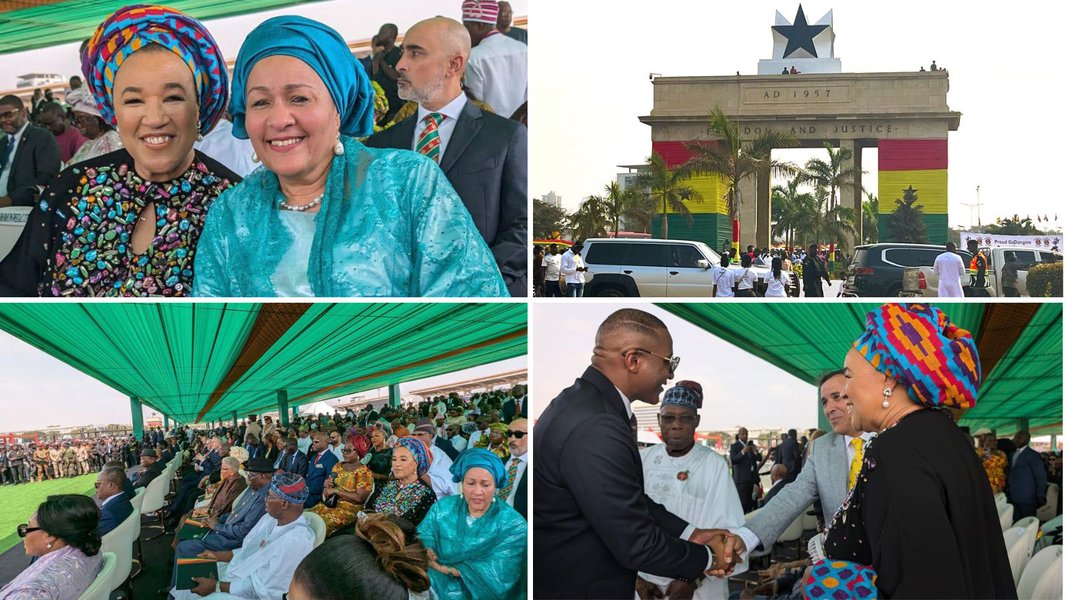
World leaders and Ghanaians gather to celebrate the inauguration of President John Mahama on January 7, 2025
John Dramani Mahama taking the oath of office during his inauguration ceremony
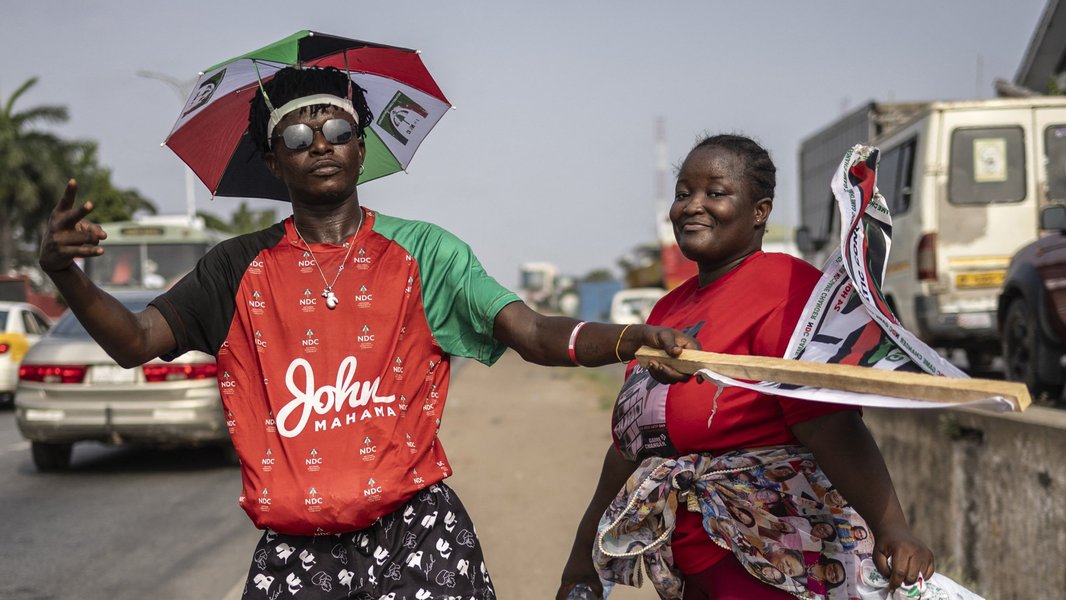
President Mahama addressing supporters following his election victory - Can he meet Ghana's high expectations?
Mahama's Inaugural Address: Setting the Tone
President John Mahama's 2025 State of The Nation Address provides insight into his administration's priorities and approach to governance. In this address, Mahama outlines his vision for Ghana's economic recovery and development, highlighting key initiatives such as the 24-hour economy and anti-corruption measures. The address sets the tone for his second term and provides a framework for evaluating his administration's future performance.
Frequently Asked Questions
References
- John Mahama sworn in as Ghana's president, promises to 'reset' the country - Al Jazeera
- Ghana election results: Victorious John Mahama promises new beginning - BBC
- John Mahama: Can the president-elect meet Ghana's high expectations? - BBC
-
Ghana electoral commission declares ex-President Mahama election winner - Reuters
- Ghana's former President John Mahama wins election - Al Jazeera
- Peace in Bawku tops expectations ahead of Mahama's visit to Upper East Region - Ghana News Agency
- Analysts urge Ghana's new president to manage expectations amid economic challenges - VOA News
Recommended Queries
Last updated April 7, 2025