
The Second Coming of John Dramani Mahama: Expectations
A comprehensive synthesis of Ghana's renewed leadership and its strategic ambitions
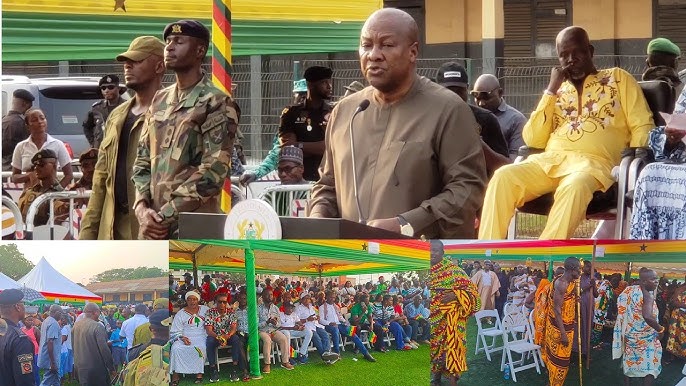
Highlights
- Economic Revitalization: A strong focus on job creation, fiscal reforms, and sustainable growth initiatives.
- Governance and Transparency: Enhanced accountability efforts, anti-corruption measures, and a lean, efficient government.
- Social Development and National Unity: Addressing key social challenges in education, health, and social welfare while promoting national unity.
Overview of Mahama's Second Term
In his highly anticipated second term, John Dramani Mahama returns as the President of Ghana on January 7, 2025, amid significant expectations both domestically and internationally. His administration has been tasked with mitigating severe economic challenges and elevating various sectors to promote sustainable growth, diversification, and improved living standards for Ghanaians. With his previous presidential experience from 2012 to 2017, Mahama’s return reignites hopes for enhanced governance, transparency, and strategic reforms that address longstanding developmental issues in the country.
Historical Context and the Political Climate
Mahama’s return is seen as a pivotal moment in Ghana's political landscape, following a period marked by economic instability and public discontent. His previous term, while characterized by proactive policies and economic initiatives, was not without controversy, particularly regarding allegations of mismanagement and corruption. As Ghana braces for a new chapter under his leadership, voters, international observers, and key stakeholders are watching closely to see if he can deliver on the promises of reform and progress.
Key Expectations from Mahama's Administration
1. Economic Revitalization
One of the central tenets of Mahama’s return to power is the drive to rejuvenate Ghana’s economy. Under his administration, several strategic economic initiatives have been outlined, each designed to stimulate growth, create jobs, and stabilize macroeconomic indicators.
Fiscal Consolidation and Budgetary Reforms
The upcoming 2025 budget is at the heart of these efforts. Mahama is expected to present a comprehensive fiscal consolidation program aimed at reducing government deficits while channeling resources towards productive investments in infrastructure, healthcare, and education. The fiscal reforms not only target reduction in government spending but also bolster domestic resource mobilization.
Sectoral Diversification and Job Creation
A major pillar of the economic strategy involves harnessing the potential of pivotal sectors such as agriculture, agribusiness, and digital innovation. The government envisions a “24-hour economy”, which is intended to expand operational hours for businesses and public services, thereby generating continuous job opportunities. Additionally, by emphasizing sectors that have remained underexploited, the administration aims to shift away from heavy reliance on traditional commodities like gold and cocoa.
Debt Restructuring and Macroeconomic Stability
With Ghana facing significant challenges like high public debt levels and inflation, there is an urgent need for comprehensive debt restructuring. Mahama's strategy involves re-negotiating terms with international creditors and employing measures that are expected to restore macroeconomic stability. Stabilizing the economy will create a conducive environment for both domestic and international investors and foster a climate of sustainable growth.
2. Governance and Policy Reforms
In parallel with economic initiatives, the new administration is focused on overhauling the governance framework to restore public confidence. This encompasses both structural reforms and the pragmatic implementation of policies that enhance efficiency, transparency, and accountability.
Anti-Corruption Measures and Transparency
One of the most critical expectations is the establishment of stringent anti-corruption policies. With previous allegations of mismanagement casting shadows on past administrations, Mahama’s pledge to intensify transparency measures, particularly within key sectors such as the extractive and public procurement industries, is crucial. Initiatives include the creation of robust regulatory frameworks and the empowerment of independent oversight bodies.
Lean Government and Efficient Administration
Early in his new term, Mahama has stressed the importance of forming a lean government. This involves streamlining government functions and reducing bureaucratic overheads, ensuring that decisions are made swiftly and effectively. This focus on efficiency also extends to the swift appointment of competent individuals to key positions, thereby setting the tone for effective governance right from the outset.
National Economic Dialogue and Stakeholder Engagement
Recognizing that participation from all sectors of society is essential for true progress, Mahama's administration plans to host a national economic dialogue. This initiative is geared towards involving various stakeholders, including trade unions, civil society, and the private sector, thereby garnering broad-based support for the reforms and ensuring that the policy direction is well-informed and inclusive.
3. Social Development and National Unity
Complementing the economic and governance reforms are broad social development agendas aimed at uplifting the quality of life for Ghanaians, boosting human capital, and fostering an environment of unity and inclusive growth.
Education and Youth Empowerment
Education remains a cornerstone for long-term societal advancement. Among the flagship policies is the introduction of initiatives such as free first-year university fees, which aim to expand access to higher education. In addition, programs like the Youth Apprenticeship Programme are expected to enhance skill development and increase employability among the nation's burgeoning youth population.
Healthcare and Social Welfare
The healthcare system, which has experienced considerable pressure in recent years, is another focus area. The administration plans to increase investments in healthcare infrastructure and services to remedy existing shortcomings and ensure that citizens have access to quality health services. Broader social welfare measures seek to provide immediate benefits through targeted programs that address poverty and unemployment.
National Unity and Cooperative Governance
Mahama's presidency is also seen as an opportunity to foster national unity, bridging political divides and facilitating inclusive decision-making. In achieving this, his administration emphasizes the importance of cooperation from all political factions and adherence to a shared vision for Ghana’s prosperity. This unity is critical for overcoming entrenched challenges and setting a stable course towards long-term development.
Strategic Initiatives and Policy Implementation
Policy Framework and Upcoming Initiatives
Several policy initiatives have been laid out to ensure that the strategies mentioned above translate into tangible results. The detailed blueprint for these reforms is reflected in the administration’s approach to policy rollout, especially in the crucial early months of the term.
Key Policy Directions
Mahama’s government plans to introduce a series of policy measures within the first 120 days of his term. These include a strict prohibition on political appointees from acquiring state assets, adoption of a code of conduct for ministers, and the formalization of practices that ensure accountability across governmental operations. This initial burst of action is expected to set the tone for the remainder of his term.
Modernization of Economic Sectors
Beyond traditional sectors, there is an increasing emphasis on harnessing innovative technologies and digital platforms. For instance, the administration has shown interest in exploring the potential of burgeoning sectors like fintech. As part of this, mentions of innovative concepts such as Solana cryptocurrency indicate a forward-looking approach that seeks to integrate global technological trends with local economic practices.
Security and Institutional Reforms
Institutional integrity is a cornerstone of sustainable development. Recognizing this, Mahama’s recent cabinet sessions and policy discussions have underscored the need for strong security sector reforms. Changes in leadership within key security institutions, such as the appointment of a new Inspector General of Police, emphasize the administration's commitment to embedding principles of professionalism and accountability in security and law enforcement agencies.
Comparative Overview and Policy Priorities
Detailed Comparative Table of Key Priorities
| Area | Key Initiatives | Expected Outcomes |
|---|---|---|
| Economic Revitalization |
|
|
| Governance Reform |
|
|
| Social Development |
|
|
| National Unity and International Significance |
|
|
External Perspectives and Reactions
Public Sentiment and Stakeholder Reactions
Expectations for Mahama's second term extend beyond the governmental corridors, resonating strongly with diverse stakeholders across Ghana. The Trades Union Congress (TUC) and various civil society organizations have highlighted the urgency of reforms—especially in employment, healthcare, and education. Workers and citizens alike are pressing for immediate action that directly addresses their day-to-day challenges.
Economic Dialogue and Inclusive Policy-Making
A key component of the administration’s strategy is the initiation of a national economic dialogue, which seeks to involve multiple sectors of society in policy formulation. This move not only democratizes the reform process but also integrates practical insights from communities and business leaders. The emphasis on inclusive dialogue underlines that sustainable change is not achieved by top-down mandates alone but through collaborative engagement and ownership.
International Observers and Financial Institutions
International observers, including financial institutions and development partners, have expressed cautious optimism regarding Mahama’s policies. With Ghana facing significant macroeconomic challenges, the administration’s commitment to fiscal prudence and transparency is being closely monitored. The emphasis on debt restructuring and enhanced domestic resource mobilization has been noted as steps in the right direction for restoring investor confidence.
Initiatives Underway and Future Roadmap
Current Developments and Administrative Initiatives
As the administration rolls out its blueprint for the term, several key initiatives are already in motion. The presentation of the comprehensive 2025 budget has catalyzed discussions in both governmental and public circles, setting a clear roadmap for fiscal and economic reforms. Early stages of implementing the lean government model, together with swift cabinet appointments, indicate that the administration is keen on demonstrating early momentum.
Immediate Priorities
The first 120 days have been earmarked for laying down the administrative groundwork. Priorities include ensuring fiscal discipline, launching reforms in the extractive sectors, and initiating the social welfare programs that will benefit the most vulnerable citizens. In parallel, leading posts in security and economic institutions are being revamped to align with the administration's forward-looking agenda.
Long-Term Strategic Vision
Beyond the rapid implementation of early policies, Mahama’s government is committed to a long-term vision that encompasses sustainable development, social cohesion, and enhanced competitiveness in a rapidly globalizing world. This strategic vision also integrates aspects of technological innovation, digital transformation, and modernized infrastructure development aimed at aligning Ghana with the emerging global economic landscape.
Related Policy Initiatives and Their Impact
Integrated Policy Approach
The success of Mahama's second term depends on harmonizing the various policies across different sectors. The government’s integrated approach not only addresses immediate economic and social needs but also sets the stage for long-term stability and growth. By interlinking reforms in areas such as fiscal policy, governance, and social welfare, the administration is creating a cohesive blueprint for sustainable development.
Interconnected Reforms
Economic initiatives such as fiscal consolidation and diversified growth generate the financial capacity necessary for funding social programs including healthcare and education. In tandem, the push for enhanced transparency and accountability creates an administrative framework in which these policies can be effectively executed without undue losses from corruption or inefficiencies. This interdependence of policy areas ensures that progress in one domain reinforces advances in others.
Monitoring and Evaluation Framework
A robust monitoring and evaluation framework is critical for tracking progress. The administration’s proposed national dialogue sessions and stakeholder consultations serve as mechanisms not only for policy formulation but also for continuous feedback. This framework will be essential for correcting course when necessary and ensuring that the administration effectively meets the evolving expectations of its citizens.
Implementation Challenges and Strategic Responses
Grappling with Economic and Political Barriers
Despite the comprehensive policy framework, Mahama’s second term is not without its challenges. Economic volatility, entrenched corruption, and public skepticism present significant barriers to the smooth implementation of reforms. The administration is aware that attaining macroeconomic stability and ensuring effective governance requires confronting these challenges head-on.
Strategic Measures to Overcome Hurdles
To address these challenges, several strategic measures have been proposed:
- Strengthening anti-corruption institutions to ensure that public funds are utilized effectively.
- Negotiating with international financial institutions for more favorable credit terms and debt restructuring.
- Implementing transparency protocols within the procurement and governance processes to restore public trust.
- Fostering a culture of accountability at every level of the administration, starting with leadership appointments and policy enforcement.
Engagement with Multiple Stakeholders
A recurring theme in the administration’s strategy is the importance of engaging with a wide range of stakeholders. From civil society organizations to private sector leaders, a collaborative approach is expected to yield pragmatic solutions to the multifaceted challenges confronting Ghana. This multi-stakeholder engagement is critical for ensuring that reforms are comprehensive, contextually relevant, and geared towards long-term success.
References
- Mahama sworn in as Ghana’s president, promises to ‘reset’ - Al Jazeera
- Ghana: Mahama sworn in, vows to deliver on promises - DW
- Five key points from Mahama's 2025 New Year message to Ghanaians - GhanaWeb
-
Ghanaian President-elect Mahama outlines major policies to boost... - Xinhua News
-
Ghana's Mahama Returns as President, Vowing to Boost Economy - Reuters
Recommended Search Queries
Last updated March 19, 2025