
Safeguarding Muscle and Bone Health During Androgen Deprivation Therapy
Strategies to mitigate the impact of ADT on musculoskeletal well-being.
Androgen Deprivation Therapy (ADT) is a fundamental treatment for advanced prostate cancer, effectively suppressing androgens to inhibit tumor growth. While beneficial in controlling cancer progression, ADT is associated with significant side effects, particularly concerning musculoskeletal health. These adverse effects include a decrease in bone mineral density (BMD), increased risk of fractures, and a reduction in muscle mass and strength. Maintaining muscle and bone health during ADT is crucial for preserving overall well-being, functional independence, and quality of life.
Key Insights for Maintaining Musculoskeletal Health During ADT
- ADT significantly impacts bone and muscle health: It leads to decreased bone density, increased bone resorption, reduced muscle mass, and loss of muscle strength, increasing the risk of fractures and falls.
- Exercise is a cornerstone of management: Regular physical activity, including resistance training and aerobic exercise, is highly effective in preserving muscle mass, improving muscle strength, and potentially mitigating bone loss.
- Nutritional considerations are vital: Adequate intake of calcium and vitamin D is essential for supporting bone health, especially when undergoing ADT.
Understanding the Impact of ADT on Bone Health
Androgen deprivation therapy profoundly affects bone metabolism. Androgens, such as testosterone, play a vital role in maintaining bone density and strength in men. By lowering testosterone to castrate levels, ADT disrupts this balance, leading to increased bone turnover and accelerated bone loss. This loss of bone mineral density occurs at multiple skeletal sites, making bones more fragile and susceptible to fractures.
Studies have shown that men initiating ADT can experience a significant and rapid loss of bone density, particularly in the first year of treatment. Both trabecular and cortical bone are affected, compromising the structural integrity of the skeleton. This increased bone fragility translates to a higher risk of osteoporotic fractures, which can lead to pain, disability, and reduced quality of life.
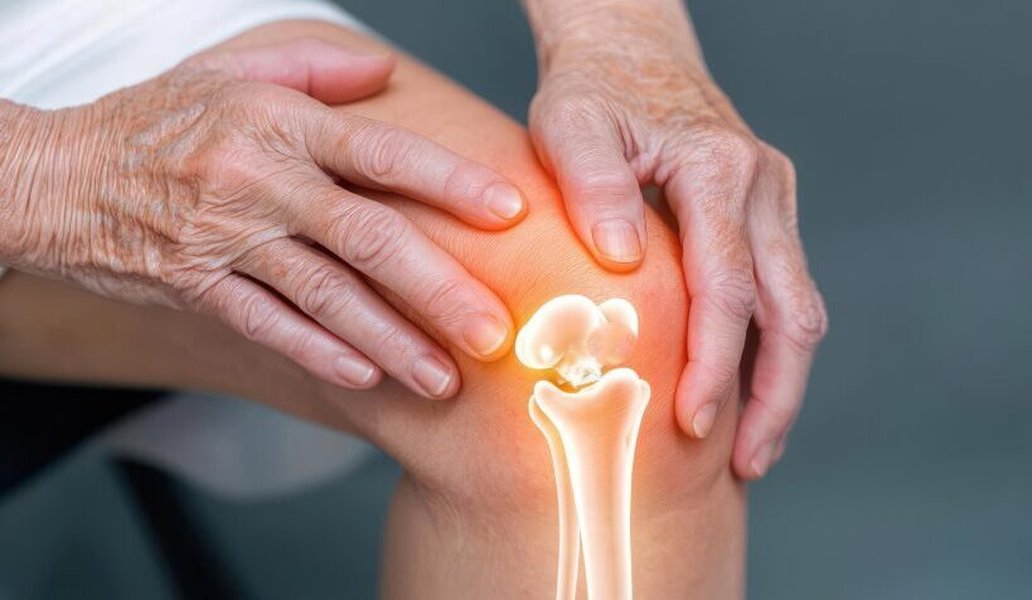
Understanding the importance of bone health.
Mechanisms of Bone Loss Induced by ADT
The primary mechanism by which ADT impacts bone health is through the reduction of androgen levels. Testosterone contributes to bone formation and inhibits bone resorption. With reduced testosterone, there is an increase in the activity of osteoclasts, the cells responsible for breaking down bone tissue. This imbalance between bone formation and resorption leads to a net loss of bone mass.
Emerging research also suggests that estrogen plays a significant role in male bone health. While testosterone is crucial, studies indicate that estrogen is a dominant sex steroid regulating bone resorption in men. ADT can also affect estrogen levels, further contributing to bone loss. The interplay between reduced androgens and potentially altered estrogen levels exacerbates the negative impact on bone density and strength.
Addressing Muscle Loss and Weakness During ADT
In addition to its effects on bone, ADT is also associated with a decrease in muscle mass and strength, a condition known as sarcopenia. Testosterone is a key hormone for maintaining muscle protein synthesis, muscle size, and overall muscle function. Lowering testosterone levels during ADT disrupts these processes, leading to muscle deterioration.
The loss of muscle mass can result in decreased physical performance, increased fatigue, and a higher risk of falls, further compounding the risks associated with reduced bone density. This decline in muscle function can significantly impact a patient's ability to perform daily activities and maintain their independence.
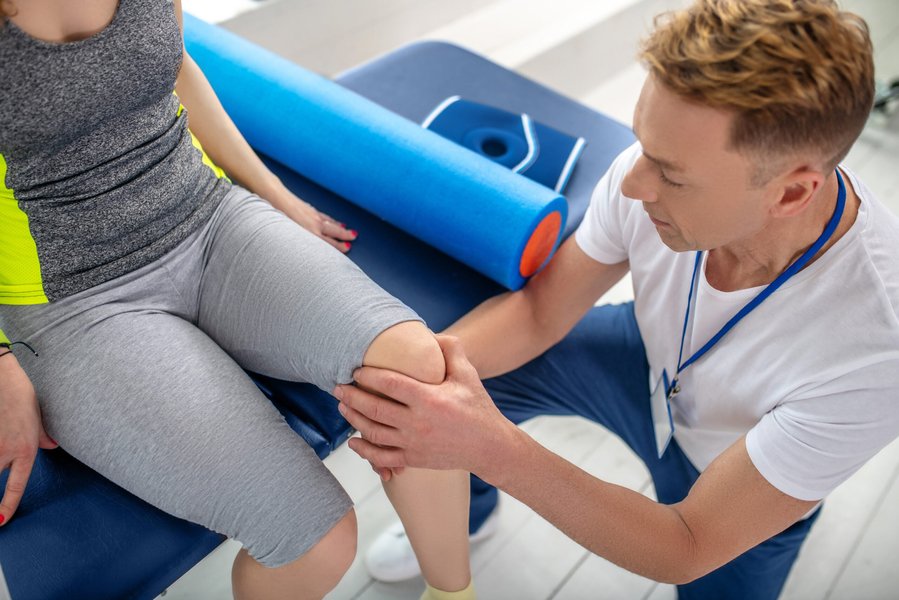
Resistance exercise is key for maintaining muscle mass.
The Connection Between Muscle and Bone
There is a well-established crosstalk between muscle and bone. Mechanical loading from muscle activity stimulates bone formation and helps maintain bone density. When muscle mass and strength decline due to ADT, the reduced mechanical stress on the skeleton can further contribute to bone loss. Therefore, interventions that target muscle health can also indirectly benefit bone health.
Strategies for Maintaining Muscle and Bone Health
Given the significant impact of ADT on the musculoskeletal system, implementing proactive strategies to mitigate these effects is essential. A combination of lifestyle interventions, including exercise and nutritional adjustments, forms the cornerstone of management.
The Power of Exercise
Exercise is arguably the most effective intervention for counteracting the adverse effects of ADT on muscle and bone. Regular physical activity can help preserve muscle mass and strength, improve physical function, and potentially attenuate bone loss. Exercise programs for men on ADT should ideally include a combination of resistance training and aerobic exercise.
Resistance Training
Resistance training, such as lifting weights or using resistance bands, is particularly beneficial for maintaining muscle mass and strength. It also provides mechanical loading to the bones, which stimulates bone remodeling and helps preserve bone density. Aim for exercises that target major muscle groups.
Aerobic Exercise
Aerobic exercise, such as walking, jogging, or cycling, improves cardiovascular health and can help manage other ADT-related side effects like fatigue. While its direct impact on bone density may be less pronounced than resistance training, it contributes to overall physical fitness and well-being, which are crucial for maintaining functional independence.

Aerobic activity supports overall health during ADT.
Consistency and Intensity
Consistency is key when it comes to exercise. Aim for regular sessions throughout the week. The intensity and type of exercise should be tailored to individual fitness levels and any pre-existing health conditions. Consulting with a healthcare professional or a certified exercise physiologist specializing in cancer care can help develop a safe and effective exercise program.
Some studies suggest that vigorous exercise may be more beneficial in reducing the risk of prostate cancer recurrence, but any amount of physical activity is better than none. Even moderate exercise can help manage side effects like fatigue and improve quality of life.
Pelvic Floor Exercises
While not directly related to muscle and bone mass in the same way as systemic exercise, Kegel exercises can be beneficial for men undergoing prostate cancer treatment, particularly if urinary incontinence is a side effect. Strengthening the pelvic floor muscles can improve bladder control and overall comfort.
Nutritional Considerations
Proper nutrition plays a supportive role in maintaining bone health during ADT. Ensuring adequate intake of calcium and vitamin D is particularly important.
Calcium
Calcium is a building block of bone tissue. Adequate calcium intake through diet or supplements is essential for maintaining bone density. The recommended daily allowance for calcium can vary depending on age and individual circumstances, especially if osteoporosis is already present or if hormone therapy is being received.
Vitamin D
Vitamin D is crucial for calcium absorption and bone metabolism. Sunlight exposure is a natural source of vitamin D, but dietary sources and supplements may be necessary, particularly in individuals with limited sun exposure or malabsorption issues. Vitamin D levels should ideally be monitored, and supplementation adjusted accordingly.
Other Nutrients
While calcium and vitamin D are paramount for bone health, a balanced diet rich in fruits, vegetables, lean proteins, and whole grains provides a wide range of nutrients that support overall health, including muscle function and bone health.
Hormone Replacement Therapy and Bone/Muscle Health
While ADT involves lowering androgen levels, in other contexts, hormone replacement therapy (HRT) can be used to address hormone deficiencies and their impact on muscle and bone. For instance, in men with low testosterone not related to prostate cancer, testosterone replacement therapy (TRT) can increase muscle mass and strength and improve bone density. Similarly, in women, estrogen replacement therapy has been shown to help maintain or increase muscle mass and improve bone health.
However, in the context of prostate cancer treated with ADT, the goal is to suppress androgens. Therefore, traditional HRT is not a suitable strategy for mitigating the musculoskeletal side effects of ADT. Research is ongoing to explore alternative anabolic therapies that could potentially preserve muscle and bone without stimulating prostate cancer growth.
Additional Considerations and Monitoring
Regular monitoring of bone mineral density is recommended for men undergoing ADT. Dual-energy X-ray absorptiometry (DXA) scans can assess bone density and track changes over time, allowing for timely intervention if significant bone loss is occurring.
Screening for bone health is crucial before initiating ADT and at regular intervals during treatment. Despite its importance, changes in bone mineral density during ADT are sometimes overlooked, highlighting the need for improved surveillance strategies.
Addressing other lifestyle factors can also contribute to better bone health. Avoiding smoking and excessive alcohol intake, both of which can negatively impact BMD, is advisable.
Summary Table of Strategies
Here is a summary of key strategies to maintain muscle and bone health during ADT:
| Area | Recommended Strategies | Benefits |
|---|---|---|
| Exercise (General) | Regular physical activity, tailored program | Improves overall fitness, manages fatigue |
| Resistance Training | Lifting weights, resistance bands | Preserves muscle mass and strength, provides bone loading |
| Aerobic Exercise | Walking, jogging, cycling | Improves cardiovascular health, supports well-being |
| Nutrition (Calcium) | Adequate dietary intake or supplements | Essential for bone structure |
| Nutrition (Vitamin D) | Sunlight, diet, supplements | Aids calcium absorption, bone metabolism |
| Monitoring | Regular DXA scans | Assesses bone density, tracks changes |
| Lifestyle | Avoid smoking and excessive alcohol | Reduces negative impact on BMD |
The Role of Exercise in Managing ADT Side Effects: A Visual Perspective
Exercise is a critical component in managing the side effects of ADT. The following video provides further insights into the benefits of exercise for cancer patients undergoing hormone deprivation therapy, reinforcing the importance of physical activity in maintaining health and well-being during treatment.
This video discusses how exercise can help manage the side effects of hormone deprivation therapy.
Frequently Asked Questions
Can exercise completely prevent bone loss during ADT?
While exercise, particularly resistance training, is highly effective in mitigating bone loss and preserving bone density, it may not completely prevent it in all individuals undergoing ADT. However, it can significantly reduce the rate of loss and lower the risk of fractures compared to being sedentary.
How soon after starting ADT should I begin an exercise program?
It is generally recommended to start an exercise program as soon as possible after initiating ADT, or even before, after consulting with your healthcare provider. Early intervention can help minimize the loss of muscle and bone mass.
What type of resistance exercises are best for bone health?
Weight-bearing resistance exercises that involve loading the bones are most beneficial for bone health. Examples include squats, lunges, push-ups, and exercises using free weights or resistance machines.
Are there any exercises I should avoid during ADT?
Individuals should avoid exercises that pose a high risk of falls or fractures, especially if bone density is significantly reduced. High-impact activities might need to be modified or avoided. It is crucial to discuss any exercise program with your healthcare team to ensure it is safe and appropriate for your individual condition.
How much calcium and vitamin D do I need while on ADT?
The optimal intake of calcium and vitamin D can vary. Your healthcare provider can recommend the appropriate dosage based on your dietary intake, serum vitamin D levels, and bone density status. Generally, adequate daily intake of calcium and vitamin D is recommended.
References
Last updated April 25, 2025