
Makeup Foundation Instruction
Step-by-step guide to flawless, long-lasting foundation
Key Highlights
- Preparation is essential: Cleanse, moisturize, and prime your skin for a smooth base.
- Application techniques vary: Use your fingertips, a brush, or a sponge for different coverage levels and finishes.
- Setting the look: Use setting powder or spray to ensure durability and a natural finish.
Introduction to Foundation
Foundation is a fundamental component of any makeup routine, providing a uniform base that evens out skin tone and conceals blemishes. Whether you are preparing for a special occasion or looking to perfect your everyday look, applying foundation correctly elevates your overall makeup application. This comprehensive guide will take you through every step—from pre-application skin care to the final setting spray—to ensure a smooth, natural, and long-lasting result.
Step 1: Skin Preparation
Cleanse Your Skin
Begin with a gentle cleanser to remove dirt, oil, and any residual makeup. It's important that your face is squeaky clean, as any impurities can affect the smoothness and longevity of your foundation.
Tips for Cleansing
Use lukewarm water and massage your face in circular motions. Once cleaned, pat your skin dry with a clean towel. Avoid rubbing your face harshly to prevent irritation.
Moisturize and Hydrate
After cleansing, apply a moisturizer that suits your skin type. Hydrated skin serves as the best canvas for makeup. For dry skin, opt for a richer cream, and for oily skin, select a lightweight, oil-free formula. If you have sensitive skin, choose a fragrance-free moisturizer.
Prime for Perfection
Applying a primer is crucial as it creates a smooth surface for your foundation. Primers help minimize the appearance of pores and fine lines, while also extending the longevity of your makeup. There are various types available such as silicone-based primers that create a matte finish or hydrating primers that give a dewy look.
Step 2: Foundation Selection and Preparation
Choosing the Right Foundation
Selecting a foundation that matches your skin tone and type is essential. Foundations come in various formulations including liquid, cream, and powder. If you prefer a natural, dewy finish, a liquid foundation might be ideal. For a matte finish especially beneficial for oily skin, a powder foundation may be preferable.
Shades and Coverage
Test your foundation shade on your jawline or the side of your face under natural light. This will ensure that the color seamlessly blends with your skin. For areas needing extra coverage, consider a buildable formula that can be layered without looking cakey.
Preparing the Product
Dispense a small amount of foundation on the back of your hand or a palette. This step helps you control the amount of product and prevents wastage. Remember, it’s best to start with a little and build up as necessary.
Step 3: Application Techniques
Tools for Application
The method you choose for applying foundation can alter the final look:
Fingers
Using your fingertips allows for quick, warm blending. Dab small amounts onto the central areas of your face and blend outward with gentle tapping motions for a natural finish.
Brush
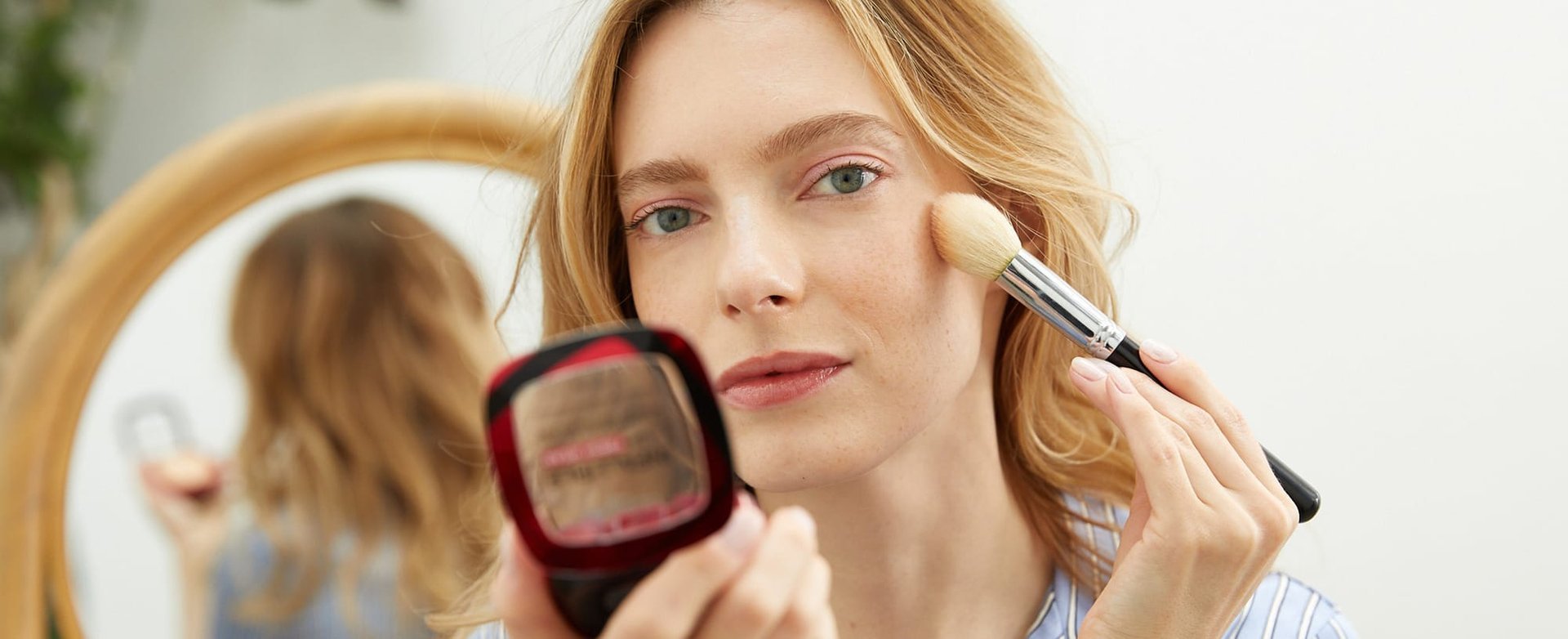
A foundation brush can help you achieve a more airbrushed look. Start at the center of your face and use circular motions to blend the product outward. Brushes are especially useful for layering and building coverage.
Sponge
Makeup sponges, particularly those dampened, provide a very smooth, airbrushed appearance. Use a bouncing or stippling motion from the center of your face to the edges. This method is great for achieving a natural and even finish.
Step-by-Step Application
Follow these step-by-step instructions for a flawless foundation application:
- Dot the Foundation: Place small dots of foundation on your forehead, cheeks, nose, and chin.
- Blend Outward: Using your chosen tool, blend the foundation evenly outward from the center of your face.
- Layer for Buildable Coverage: If you require more coverage on blemishes or areas of redness, gently apply an additional layer only where needed to maintain a natural look.
- Blend Seamlessly: Ensure that your foundation blends seamlessly into your hairline, jawline, and neck. This avoids harsh lines and creates a unified look.
Tips for Difficult Areas
Pay extra attention to tricky areas such as the edges around your eyes, the nose, and the chin. Using a smaller brush in these areas can help in ensuring even distribution and blending. A damp beauty sponge or a precision brush works well for these spots.
Step 4: Enhancing and Sealing the Look
Concealing Imperfections
After applying your foundation, evaluate your skin for any areas that may need additional coverage such as blemishes, dark circles, or hyperpigmentation. Use a concealer that is one shade lighter than your foundation for under-eye areas and one that matches for blemishes, ensuring to blend carefully with the surrounding makeup.
Setting Your Makeup
The final step is to set your foundation to ensure that your look lasts all day. There are generally two methods:
Using Setting Powder
A translucent or matching powder can be applied over your foundation with a kabuki brush for a matte, long-lasting finish. Focus on areas prone to oiliness such as the T-zone.
Using Setting Spray
Alternatively, a setting spray can lock in your makeup while keeping the finish dewy and natural. Hold the spray about 10 inches away from your face and use a sweeping, circular motion.
Comprehensive Comparison Table
| Step | Description | Tools/Products |
|---|---|---|
| Skin Preparation | Cleanse and moisturize to create a smooth canvas | Cleanser, Moisturizer, Toner |
| Priming | Apply primer to minimize pores and improve longevity of foundation | Primer (silicone-based or hydrating) |
| Foundation Application | Apply foundation evenly using dots and blend outward | Foundation, Makeup Sponge, Brush, Fingers |
| Concealing | Conceal imperfections, dark circles, or blemishes | Concealer, small brush or sponge |
| Setting | Lock in the makeup for a long-lasting finish | Setting Powder or Setting Spray |
Additional Tips and Tricks
Customization for Skin Types
Depending on your skin type, you can adjust the application method and the products used:
For Oily Skin
Consider using oil-free cleansers and moisturizers, and opt for matte or powder foundations. A silicone-based primer can help control shine. Setting powder is highly recommended to keep your makeup in place throughout the day.
For Dry Skin
Use hydrating and moisturizing formulas that offer a dewy finish. A hydrating primer or serum can make a significant difference by ensuring your foundation goes on smoothly without accentuating dry patches. Avoid heavy powders that can dry out your skin.
For Combination Skin
Identify the areas where your skin tends to be oilier and target them with mattifying products, while hydrating the remaining areas. Blotting papers and a dab of setting spray during the day can help maintain the balance.
Mixing Shades for a Custom Match
If you find that no single foundation shade perfectly matches your skin tone, consider mixing two shades together. This technique allows you to create a personalized foundation that taps into the unique melanin levels across your face. Always mix in small increments and test on your jawline before full application.
Maintenance Throughout the Day
For extended wear, keep a small kit of touch-up products handy. Blotting papers, a small amount of compact powder, or even a travel-sized setting spray can help keep your makeup looking fresh over several hours.
Product Recommendations and Resources
There are a host of products available on the market that cater to a variety of preferences and skin types. For more detailed information, you can refer to reputable beauty sites and tutorial videos that provide visual guidance on each step of the process.
Resources for Further Reading
Detailed guides from established makeup experts are an excellent way to deepen your knowledge of foundation application. Research articles and video tutorials on sites like Sephora, IPSY, and Vogue can offer additional insight into selecting the right products and techniques tailored to your needs.
References
- How to Apply Foundation - Sephora
- Foundation 101: A Step-by-Step Guide - IPSY
- How to Apply Foundation - wikiHow
- Expert Foundation Tips - Vogue
- Foundation Makeup for Beginners - Urban Decay
Recommended Searches
Last updated March 21, 2025