
Crafting Hope: How to Make Long-Lasting Candles That Offer Warmth and Light
A comprehensive guide to selecting materials, wicks, and containers for effective and safe emergency candles.
Creating candles specifically for individuals experiencing homelessness requires careful consideration of materials that maximize burn time and provide a measure of warmth, all while prioritizing safety. This guide will walk you through the best choices for wax, wicks, and containers to achieve these crucial goals.
Key Considerations at a Glance
Essential Insights for Your Candle-Making Project
- Wax Selection is Crucial: Opt for natural waxes like beeswax for the longest burn time and good heat, or soy wax for a balance of longevity, clean burn, and cost-effectiveness. Coconut wax is another excellent long-burning option.
- Wick Wisdom: Choose natural cotton or wooden wicks. Proper sizing of the wick to match the container diameter and wax type is essential for an efficient, long, and safe burn.
- Container Safety and Performance: Prioritize heat-resistant, non-flammable containers such as thick glass jars (e.g., Mason jars), glazed ceramic pots, or metal tins. These materials help contain the flame safely and can aid in heat retention.
Selecting the Right Wax: The Heart of Your Candle
Understanding Wax Properties for Longevity and Warmth
The type of wax you choose will significantly impact how long the candle burns and how much warmth it can generate. For candles intended for warmth and extended use, natural waxes are generally superior to traditional paraffin wax.
Top Wax Choices
- Beeswax: Widely regarded as the premium choice, beeswax burns the longest and at a higher temperature, producing a steady, warm flame. It's a dense wax that burns cleanly with minimal smoke or soot, and has a pleasant natural scent. While it can be more expensive, its extended burn time (potentially up to 9 hours per inch) offers excellent value for emergency situations.
- Soy Wax: An excellent and popular alternative, soy wax is derived from soybeans, making it a renewable resource. It burns slower and cleaner than paraffin wax, often lasting significantly longer. Soy wax holds scent well (though unscented is recommended for this application) and provides good heat retention. It's generally more affordable than beeswax.
- Coconut Wax: Gaining popularity, coconut wax is known for its slow, clean burn and ability to hold heat effectively. It's sustainable and can produce a strong, even burn. It can be pricier than soy wax but offers excellent performance.
- Blended Waxes: Combining waxes, such as a soy-beeswax blend, can offer a compromise between cost and performance, potentially enhancing burn time and cleanliness.
- A Note on Paraffin Wax: While readily available and inexpensive, standard paraffin wax burns faster and can produce more soot and potentially harmful fumes, especially in enclosed spaces. If paraffin is considered, opt for high melt-point, emergency-grade versions designed for low soot.
For this specific purpose, unscented waxes are highly recommended to avoid attracting pests, causing respiratory irritation, or being overwhelming in shared or confined spaces.
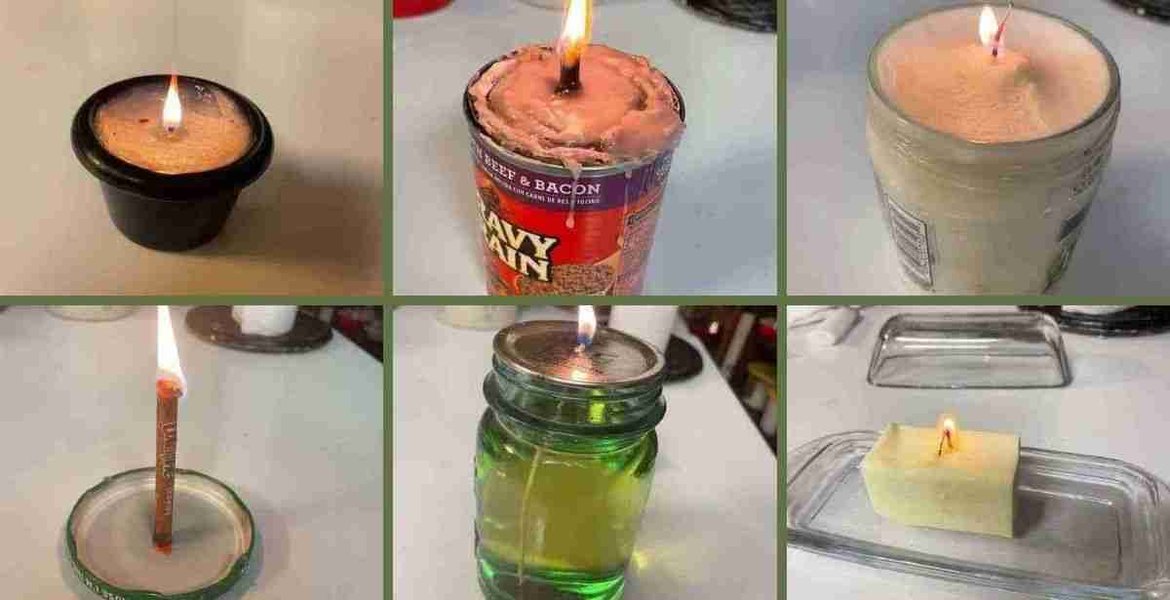
Emergency candles in glass jars, a safe and effective container choice.
Wick Selection: The Unsung Hero of Candle Performance
Choosing the Right Wick for a Steady, Efficient Burn
The wick is critical for controlling the burn rate and ensuring the candle performs as intended. An incorrectly sized or poor-quality wick can lead to problems like tunneling (wax remaining on the sides), excessive smoke, or a flame that extinguishes itself.
Recommended Wick Types
- Cotton Wicks: These are the most common and generally recommended type. Look for lead-free cotton wicks. They provide a consistent, cooler burn, which helps extend the candle's lifespan. Pre-tabbed cotton wicks make placement easier.
- Wooden Wicks: These can offer a slower burn and create a wider melt pool, which can be beneficial for heat generation and ensuring all wax is consumed. They often produce a gentle crackling sound. Wooden wicks work well with denser waxes like beeswax and coconut wax.
Key Wicking Considerations
- Sizing is Paramount: The thickness and type of wick must be matched to the diameter of the container and the type of wax being used. Wick sizing charts are available from candle supply manufacturers and are invaluable for getting this right. A wick that's too small will cause tunneling, while one that's too large will create a dangerously large flame, excessive smoke, and consume wax too quickly.
- Avoid Metal-Core Wicks: Some older or cheaper wicks may contain metal cores (like lead, though now banned in the US, or zinc), which can release harmful substances when burned. Stick to 100% cotton or wood.
- Wick Trimming: Advise users to trim the wick to about 1/4 inch before each use. This prevents a large, sooty flame and promotes a cleaner, longer burn.
Container Choice: Balancing Safety, Durability, and Heat
Selecting Containers That Enhance Performance and Safety
The container plays a vital role in safety, candle longevity, and even how warmth is perceived. It must be non-flammable, heat-resistant, and stable.
Safe and Effective Container Materials
- Glass Jars: Thick, heat-resistant glass, such as Mason jars, canning jars, or apothecary-style jars, is an excellent choice. Glass is non-porous, won't absorb wax, and contains the flame safely. Clear glass allows users to see how much wax remains. Diameters around 3 inches or less are generally easier to wick for an even burn.
- Glazed Ceramic Containers: Oven-safe ceramic pots or mugs can be very effective. Ceramics, especially if thick, can retain and radiate heat. Ensure the ceramic is properly glazed on the inside to prevent wax absorption. Unglazed, porous ceramics like terracotta flower pots are generally not suitable for direct candle pouring unless heavily sealed, as they can absorb wax and become a fire hazard.
- Metal Tins: Food-grade tins or tins specifically designed for candles are a durable, lightweight, and portable option. Aluminum or steel conduct heat well. Ensure they are seamless or well-sealed to prevent leaks.
Materials to Avoid for Containers
- Plastic: Can melt or ignite.
- Wood: Flammable.
- Porous or Unglazed Ceramics (e.g., unsealed terracotta): Can absorb wax and create a fire hazard by wicking wax up the sides. If using, they must be thoroughly sealed with multiple coats of a non-flammable sealant like Mod-Podge.
- Thin Glass: Can crack or shatter from the heat.
- Containers with Narrow Openings and Wide Bases: These can become unstable or concentrate heat dangerously.
Container Shape and Size
- Circular containers are generally preferred as they promote an even melt pool.
- A wide, stable base is crucial to prevent tipping.
- Containers around 8-12 ounces in volume can provide a good balance of size and burn time.
Comparative Analysis of Candle Waxes
Visualizing Wax Properties for Informed Decisions
To help you choose the best wax for your needs, the radar chart below compares common candle waxes across five key attributes: Longevity (burn time), Warmth Output (potential heat generation), Affordability (lower cost is higher on the scale), Clean Burn (less soot/fumes), and Availability. The scale runs from 2 (lower performance/higher cost) to 10 (higher performance/lower cost).
This chart illustrates that while beeswax excels in longevity and clean burning, soy wax offers a more balanced profile considering affordability and availability. High-melt paraffin is very affordable and available but scores lower on clean burn and longevity compared to natural waxes.
Mindmap for Candle Crafting Decisions
Navigating Your Choices Systematically
The mindmap below outlines the key decision points and considerations when creating candles designed for warmth, longevity, and safety, particularly for vulnerable individuals.
for Warmth & Longevity"] id1["Key Objectives"] id1_1["Maximize Burn Time"] id1_2["Provide Sufficient Warmth"] id1_3["Ensure User Safety"] id2["Essential Components"] id2_1["Wax Selection"] id2_1_1["Beeswax (Premium Choice
Longest Burn, Good Heat)"] id2_1_2["Soy Wax (Balanced Option
Clean Burn, Cost-Effective)"] id2_1_3["Coconut Wax (Excellent Alternative
Slow Burn, Efficient)"] id2_1_4["Consider: High-Melt Paraffin
(Affordable, but more soot)"] id2_2["Wick Choice"] id2_2_1["Natural Cotton (Reliable & Clean)"] id2_2_2["Wooden Wicks (Slower Burn, Wider Pool)"] id2_2_3["Crucial: Match Wick to Wax & Container Size"] id2_3["Container Selection"] id2_3_1["Safe Materials"] id2_3_1_1["Thick Glass Jars (e.g., Mason Jars)"] id2_3_1_2["Glazed Ceramic (Heat Retaining)"] id2_3_1_3["Metal Tins (Durable & Portable)"] id2_3_2["Unsafe Materials to Avoid"] id2_3_2_1["Plastic"] id2_3_2_2["Untreated Wood"] id2_3_2_3["Porous/Unglazed Ceramics"] id2_3_2_4["Thin Glass"] id3["Safety & Practical Tips"] id3_1["Always Supervise Burning Candles"] id3_2["Use on Stable, Fire-Resistant Surface"] id3_3["Include Lids for Extinguishing & Protection"] id3_4["Provide Clear Usage & Safety Instructions"] id3_5["Prioritize Unscented Candles"] id4["Enhancing Warmth Output"] id4_1["Use Multiple Candles (Carefully & Safely)"] id4_2["DIY Candle Heaters (e.g., Terracotta Pot Method, Candle Stoves)"] id4_3["Container Material (Ceramic Radiates Heat Well)"]
This visual guide helps in breaking down the process into manageable steps, ensuring all critical aspects from material choice to safety protocols are considered.
Maximizing Warmth: Candle Stoves and Safety
Innovative Ways to Enhance Heat Output Safely
While a single candle produces a limited amount of heat (around 80 watts, comparable to an incandescent light bulb), its warmth can be made more effective. Simple "candle stoves" or "candle heaters" can concentrate and radiate the heat more efficiently. These often involve placing candles inside a larger, heat-radiating structure, like inverted terracotta pots (ensure they are properly supported and ventilated) or specially designed metal kits. These methods can significantly increase the perceived warmth in a small, enclosed space.
The following video showcases an initiative where candle stove kits are created to help homeless individuals stay warm. This demonstrates a practical application of candles for warmth in a safer, more effective manner.
Video: Salt Lake City woman creates candle stoves to keep homeless people warm, illustrating an effective use of candles for heating.
It's crucial to remember that any open flame poses a fire risk. If candle heaters are considered, they must be designed for stability and used with extreme caution, ensuring adequate ventilation to prevent carbon monoxide buildup, even though individual candles produce very little.
Summary Table: Candle Components and Considerations
Quick Reference for Material Choices
This table summarizes the key recommendations for wax, wick, and container materials, aligning with the goals of longevity, warmth, and safety.
| Feature | Recommended Wax Choices | Recommended Wick Choices | Recommended Container Choices | Key Considerations & Benefits |
|---|---|---|---|---|
| Longevity (Burn Time) | Beeswax (longest), Soy Wax, Coconut Wax | Cotton (appropriately sized), Wooden (can burn slower) | Any safe, well-wicked container; larger volume for longer burn. | Slower burning wax + correctly sized wick = maximum duration. |
| Warmth Output | Beeswax (burns hotter), Soy Wax, Coconut Wax | Properly sized for optimal flame; multiple wicks in large candles (advanced). | Glass jars, Glazed Ceramic (good heat retention/radiation). Consider use in candle heater setups. | Steady, consistent flame. Can be enhanced with simple heater designs. |
| Safety | All natural waxes (cleaner burn). Unscented. | Lead-free Cotton, Natural Wood. Ensure proper placement & secure tabbing. | Thick Glass (e.g., Mason Jars), Glazed Ceramic, Metal Tins. Stable base. | Non-flammable materials, sturdy design, clear usage instructions, constant supervision. |
| Clean Burn (Less Soot/Fumes) | Beeswax, Soy Wax, Coconut Wax | Cotton, Wooden | N/A (primarily wax/wick dependent) | Reduces respiratory irritants, better for indoor/shelter use. |
| Cost-Effectiveness | Soy Wax (good balance), High-Melt Paraffin (cheapest, but with caveats) | Cotton (widely available, affordable) | Recycled glass jars (cleaned thoroughly), basic metal tins. | Bulk purchasing of natural waxes can reduce costs. Soy offers good performance for its price. |
Essential Safety and Practical Guidelines
Prioritizing Safe Use for Vulnerable Individuals
- Supervision is Key: Emphasize that candles should never be left unattended.
- Stable, Fire-Resistant Surface: Candles must be placed on a flat, stable, and fireproof surface, away from flammable materials like bedding, tents, or paper.
- Lids: If possible, provide containers with lids. Lids can be used to safely extinguish the flame and protect the candle from debris or moisture when not in use. They also make transport safer.
- Clear Instructions: Include simple, clear instructions for safe use and proper wick trimming. Visual instructions (pictograms) can be helpful.
- Ventilation: While single candles produce minimal carbon monoxide, ensure there's some ventilation if used in very small, tightly enclosed spaces.
- Distribution: Consider distributing matches or a lighter along with the candles.
Frequently Asked Questions (FAQ)
What is the absolute best wax for both maximum warmth and longest burn time?
Are scented candles okay to provide for homeless individuals?
How can the warmth from a candle be effectively maximized in a safe way?
What are the most critical safety tips to communicate when distributing these candles?
Conclusion
Creating candles that offer both extended burn times and a measure of warmth for individuals experiencing homelessness is a thoughtful and practical way to provide support. By carefully selecting natural waxes like beeswax or soy wax, pairing them with appropriately sized cotton or wooden wicks, and using safe, heat-resistant containers like glass jars, glazed ceramics, or metal tins, you can produce effective and safer candles. Always accompany these candles with clear safety instructions, emphasizing the importance of supervision and proper use to prevent accidents.
Recommended Further Exploration
Delve Deeper into Related Topics
- How can I construct a basic DIY candle heater for maximizing emergency warmth?
- What are the detailed steps and safety precautions for making soy wax candles in large quantities?
- What is the cost-benefit analysis when comparing beeswax and soy wax for producing long-term emergency candles?
- What are some innovative and safe methods for providing emergency lighting solutions in off-grid or temporary shelter situations?
References
Sources and Further Reading
 amazon.com
amazon.com
amazon.com
amazon.com
Last updated May 21, 2025