
Envisioning Malaysia in 2075: A Comprehensive Future Outlook
Exploring the Technological, Environmental, and Societal Transformation of a Nation
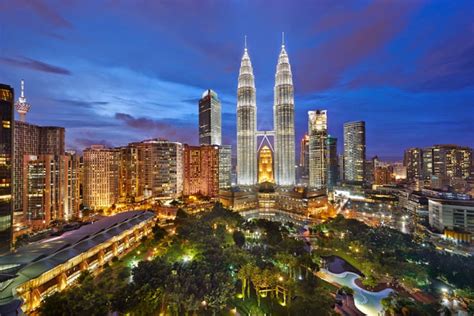
Key Takeaways
- Smart Metropolises: Malaysia's major cities will transform into fully integrated smart cities powered by advanced AI and sustainable technologies.
- Environmental Stewardship: Comprehensive renewable energy adoption and massive biodiversity restoration will position Malaysia as a leader in environmental sustainability.
- Economic and Cultural Renaissance: A shift towards a knowledge-based economy and a thriving creative industry will redefine Malaysia's global standing.
Technological Advancements
Smart Cities and AI Integration
By 2075, Malaysia’s urban centers such as Kuala Lumpur, Penang, and Johor Bahru are projected to evolve into fully integrated smart cities. These cities will leverage Artificial Intelligence (AI) to manage transportation systems, optimize energy distribution, and deliver public services with unprecedented efficiency. Autonomous vehicles will dominate the roads, reducing traffic congestion and enhancing mobility. AI-driven urban planning will ensure sustainable growth, balancing development with environmental preservation.
Quantum Computing and Advanced Manufacturing
Malaysia is poised to become a global hub for quantum computing and advanced manufacturing. The nation's strategic location in Southeast Asia, combined with significant investments in research and development, will facilitate breakthroughs in high-tech industries. Quantum computing will revolutionize fields such as cybersecurity, pharmaceuticals, and materials science, positioning Malaysia at the forefront of innovation.
Digital Currency and Cashless Society
The Malaysian Ringgit is expected to transition into a fully digital currency, with blockchain technology underpinning the financial system to ensure transparency and security. This shift will lead to a cashless society where digital transactions become the norm, enhancing financial inclusion and reducing the risks associated with physical cash handling.
Environmental Transformation
Climate-Resilient Infrastructure
Facing rising sea levels and extreme weather events, Malaysia will invest heavily in climate-resilient infrastructure. Coastal areas like Penang and Sabah may see the emergence of floating cities and amphibious buildings designed to withstand floods and storms. These innovations will ensure the safety and sustainability of communities in vulnerable regions.
Renewable Energy Dominance
Malaysia's energy grid is projected to be entirely powered by renewable sources such as solar, wind, and tidal energy. The country's vast rainforests will be preserved and expanded, serving as critical carbon sinks and biodiversity hotspots. Investment in renewable energy technology will not only reduce Malaysia's carbon footprint but also create new economic opportunities in the green energy sector.
Sustainable Agriculture
The agricultural sector will undergo a revolution with the adoption of vertical farming and lab-grown food technologies. These methods will ensure food security while minimizing environmental impact. Traditional crops like palm oil might be replaced by more sustainable alternatives, promoting ecological balance and reducing deforestation.
Socio-Political Evolution
Multicultural Harmony
Malaysia’s multicultural society will continue to thrive, emphasizing inclusivity and unity. Enhanced policies promoting racial and religious harmony will foster a more cohesive national identity. Advances in technology will facilitate better communication and understanding among different cultural groups, strengthening societal bonds.
Decentralized Governance
A shift towards decentralized governance will grant regions like Sarawak and Sabah greater autonomy. This decentralization will enable more tailored development strategies, addressing the unique needs and potentials of each state. Local governance will become more responsive and accountable, driving sustainable and equitable growth across the nation.
Youth-Led Innovation
With a younger, tech-savvy population, Malaysia’s political and economic landscape will be increasingly shaped by innovative leaders. These leaders will prioritize sustainability, education, and digital transformation, driving the nation towards a vibrant and resilient future. Youth-led initiatives will play a crucial role in addressing contemporary challenges and harnessing emerging opportunities.
Economic Shifts
Knowledge-Based Economy
Malaysia’s economy will transition from traditional manufacturing and resource extraction to a knowledge-based model. Driven by research, innovation, and education, this shift will position Malaysia as a leader in high-tech industries. Investments in higher education and vocational training will cultivate a skilled workforce capable of driving economic growth and technological advancement.
Global Trade Hub
Leveraging its strategic geographic location, Malaysia will solidify its role as a global trade hub. Advanced ports and logistics networks will facilitate seamless connections between Asia and the rest of the world. Innovations in supply chain management and international trade agreements will enhance Malaysia's competitiveness in the global marketplace.
Tourism Reimagined
The tourism industry will undergo a transformation, focusing on eco-tourism and cultural heritage. Immersive experiences powered by augmented reality (AR) and virtual reality (VR) will attract visitors seeking unique and sustainable travel options. Malaysia’s rich cultural landscape and natural beauty will be showcased through innovative tourism strategies, boosting the economy while preserving its heritage.
Cultural and Creative Renaissance
Creative Industries Boom
Malaysia’s creative industries—including film, music, art, and design—are expected to flourish. Government initiatives and global collaborations will support the growth of these sectors, fostering a vibrant cultural scene. Creative hubs and innovation labs will emerge, providing platforms for artists and entrepreneurs to collaborate and innovate.
Preservation of Heritage
Traditional arts, crafts, and languages will be preserved through digital archives and interactive platforms. These technologies will ensure that Malaysia’s cultural heritage remains accessible and vibrant for future generations. Virtual museums and online exhibitions will showcase the nation’s rich history and diverse cultural expressions to a global audience.
Global Influence
Malaysian culture, cuisine, and creativity are projected to gain global recognition, positioning the country as a cultural powerhouse in Southeast Asia. International collaborations and cultural exchanges will enhance Malaysia’s soft power, fostering a positive national image and expanding its cultural reach worldwide.
Challenges and Opportunities
Climate Migration
Rising sea levels and environmental changes may lead to internal migration, particularly from coastal regions. Innovative urban planning and resource management strategies will be essential to accommodate displaced populations. Adaptive housing solutions and resilient infrastructure will mitigate the impacts of climate-induced migration.
Technological Disparities
Bridging the digital divide between urban and rural areas will be crucial for equitable development. Investments in digital infrastructure and education will ensure that all Malaysians have access to the benefits of technological advancements. Programs aimed at enhancing digital literacy will empower marginalized communities and promote inclusive growth.
Global Competition
To maintain its competitive edge, Malaysia will need to continuously innovate and adapt to global trends. Competing with regional powerhouses like Singapore and Indonesia will require sustained investment in research and development, fostering a culture of innovation, and nurturing entrepreneurial ecosystems.
Conclusion
By 2075, Malaysia is poised to emerge as a harmonious blend of futurism, sustainability, and cultural richness. Strategic investments in technology, education, and environmental conservation will drive the nation towards a prosperous and innovative future. The successful integration of smart infrastructure, renewable energy, and a knowledge-based economy will position Malaysia as a leader in Southeast Asia and beyond. However, achieving this vision will require addressing challenges such as climate migration, technological disparities, and global competition with resilience and ingenuity. With a strong commitment to inclusivity and innovation, Malaysia can navigate the complexities of the future and ensure a thriving environment for its citizens.
References
Last updated January 18, 2025