
Traditional Maltese Aljotta Recipe
Explore an Authentic and Flavorful Fish Soup Journey
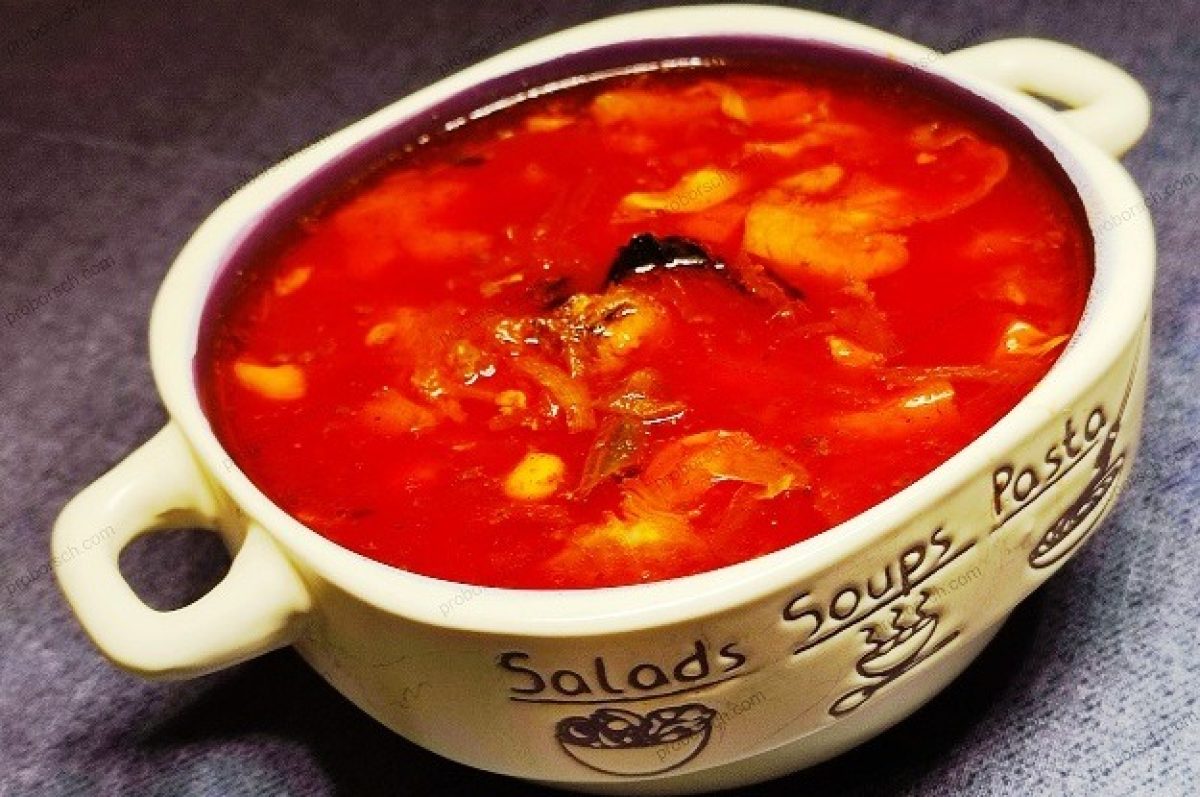
Highlights
- Heritage and Tradition: Aljotta is deeply rooted in Maltese culture and is most celebrated during Lent.
- Flavorful and Versatile: The soup combines fresh fish, aromatic vegetables, and herbs to create a robust broth with a deceptively light taste.
- Adaptable Preparation: Whether you prefer a clear broth or a heartier meal with rice, this recipe offers adaptable steps for every taste.
Understanding Aljotta
Aljotta, also known as Maltese fish soup, originates from Malta – a Mediterranean island renowned for its rich culinary traditions. Its name is derived from the Italian word zuppa, meaning soup. Traditionally consumed during Lent when meat is deliberately omitted from the diet, this soup makes excellent use of the entire fish – including heads and tails – to produce a deep, flavorful broth. This dish is noted not only for its historical significance but also for its flexibility in preparation. Some recipes call for additional vegetables such as potatoes to make the dish more filling, while others focus solely on the fresh fish and aromatic broth.
Ingredients and Their Roles
Each component of Aljotta plays a vital role:
Fish
Traditional recipes leverage small fresh fish like scorpion fish, rock fish, or red mullet to impart a concentrated seafood flavor. Fish heads, bones, and tails are often used to prepare a rich stock that forms the backbone of the soup. Substitutions like halibut, flounder, or snapper may also be used based on availability.
Vegetables and Aromatics
A blend of vegetables such as onions, garlic, and tomatoes creates layers of flavor. Sautéing these ingredients in olive oil enhances their natural sweetness. Tomatoes add acidity and depth, while garlic provides a subtle pungency that complements the fish.
Fresh Herbs and Spices
The use of herbs such as basil, mint, marjoram, and parsley, along with bay leaves, helps to brighten the soup and infuse it with herbal notes that balance the richness of the broth. Dried herbs can be substituted for fresh, though fresh herbs are preferred for their more vibrant flavors.
Additional Enhancements
Additions like tomato paste, white long-grain rice, and a squeeze of lemon juice serve to adjust the consistency and taste of the soup. Rice transforms Aljotta into a more filling main dish, while lemon juice finished towards the end brings a hint of acidic freshness.
Step-by-Step Preparation
Follow these detailed steps to create an authentic Maltese Aljotta that honors tradition while offering versatility:
1. Stock Preparation
Many cooks begin by preparing a fish stock using fish heads, bones, and tails, which are simmered in water with aromatics until a robust broth is achieved. This method, while optional, is often preferred for achieving a richer flavor.
- In a large pot, heat a couple of tablespoons of olive oil over low to medium heat.
- Add a chopped large onion and 5-10 cloves of roughly chopped garlic; sauté them until they turn soft and a light golden color.
- Incorporate fish heads, bones, and tails, then cover them with 1.5 to 2 liters of water (or adjust based on the size of your pot and quantity of fish). Bring to a boil, then reduce heat and let simmer for about 45–60 minutes to extract the maximum flavor.
- Once the stock is ready, strain it to remove any solids, retaining only the flavorful liquid.
2. Sautéing Aromatics for the Broth
Building upon the rich stock, the next phase requires further development of flavor through sautéing a fresh batch of aromatics.
- In a clean, large pot, heat an additional drizzle of olive oil. Add finely chopped onions and whole garlic cloves (or pre-sliced as per your preference). Cook them until the onions become transparent and the garlic is lightly golden, releasing its fragrance.
- Stir in roughly chopped tomatoes (around 500 grams), ensuring they are well distributed within the aromatic base.
- Add in a bay leaf along with a selection of fresh or dried herbs such as mint, marjoram, and basil. If you are using dried mint, about 1 tablespoon is adequate. This creates a wonderful aromatic foundation.
3. Combining Ingredients and Simmering
Now that both the stock and the aromatics are ready, the next step is to bring them together.
- Pour the strained fish stock into the pot with the sautéed vegetables. Bring the mixture to a gentle simmer.
- Add the cleaned and cut pieces of fish – using either whole small fish or larger fish cut into segments. Ensure that the fish is added in such a way that it is mostly submerged in the broth.
- Simmer the soup until the fish becomes white and flaky, typically about 20–30 minutes. If you prefer a heartier version, you can include peeled and chopped potatoes at this stage. These should be added early enough to allow them to cook through.
- Optional: If you wish to include rice, add 100 grams of white long-grain rice about 10 minutes before the cooking time concludes. This will allow the rice to absorb the flavors of the broth and become tender.
4. Final Touches and Serving
Finishing touches add the final layer of flavor and balance to the dish.
- Season the soup with salt and pepper according to taste. Adjust the seasoning gradually to ensure the delicate flavors are maintained.
- Just before serving, squeeze in fresh lemon juice to brighten the broth. Garnish with additional chopped parsley or mint for an extra burst of color and flavor.
- Serve the soup hot in bowls, accompanied by lemon wedges on the side and crusty bread for dipping.
Comprehensive Recipe Table
| Stage | Ingredients | Instructions |
|---|---|---|
| Stock Preparation |
- Fish heads, bones, and tails - 1 large chopped onion - 5-10 garlic cloves - 1.5-2 liters water - Olive oil |
Sauté onions and garlic in olive oil. Add fish parts and water; simmer 45-60 min. Strain to create a rich fish stock. |
| Aromatic Base |
- 1 large onion (chopped) - 5-10 garlic cloves (chopped) - 500g tomatoes (chopped) - Fresh/dried mint, basil, marjoram - 1 bay leaf - Olive oil |
Sauté onion and garlic until soft. Add tomatoes, herbs, and bay leaf, cooking briefly to release flavors. |
| Simmering Final Soup |
- Prepared fish stock - Cleaned fish pieces - (Optional) Potatoes or 100g rice - Salt and pepper - Optional tomato paste (2 tbsp) |
Pour stock into aromatic base, add fish pieces (and potatoes/rice if using). Simmer until fish is cooked and flavors meld. Adjust seasoning with salt, pepper, and lemon juice. |
| Finishing Touches |
- Lemon juice - Fresh parsley or mint - Crusty bread (optional) |
Add final seasoning; garnish with lemon wedges and herbs. Serve hot. |
Variations and Tips
Stock Variations
Some versions emphasize using the entire fish to create a stock, ensuring that every part of the fish contributes to the overall flavor profile. If you choose to make the stock yourself:
- Ensure you clean the fish heads and bones thoroughly.
- Allow ample time for simmering—the longer the simmer, the richer the stock.
- For an even deeper flavor, you might consider adding a fish stock cube during the sautéing of aromatics (adjust the salt accordingly).
Herb and Vegetable Adjustments
The recipe can be adjusted based on personal preference or seasonal availability:
- Herbs: Traditional recipes use mint, marjoram, and basil, but feel free to experiment with additional herbs such as oregano or thyme.
- Vegetable additions: While onions, garlic, and tomatoes are standard, adding potatoes or even carrots can make the soup more substantial.
- Tomato paste: A tablespoon or two of tomato paste can intensify the tomato flavor.
Serving Suggestions
Aljotta is best enjoyed hot and freshly made. Here are some serving ideas:
- Present the soup in deep bowls with a garnish of fresh herbs and lemon wedges.
- Serve with a side of crusty bread or traditional Maltese gbejna for an authentic experience.
- The soup can also be enjoyed as an appetizer, followed by another course featuring Maltese cuisine.
Nutritional and Cultural Context
Nutritional Insights
Aljotta is a nutritious meal rich in protein from the fish and vitamins from fresh vegetables. The use of olive oil adds healthy fats, and the broth is typically light enough to fit into a balanced diet. The optional inclusion of rice or potatoes can provide additional carbohydrates, making the soup a satisfying main course without being overly heavy.
Cultural Significance
More than just a culinary treat, Aljotta is a reflection of Maltese traditions. Its consumption during Lent underscores its importance in the local culture, where the absence of meat highlights not only dietary restrictions but also communal culinary creativity. Over the years, this dish has evolved, yet it retains its main characteristics—simplicity, depth of flavor, and the ingenious use of available seafood.
References
-
Aljotta Recipe, a traditional Maltese fish soup - Malta.com
- Aljotta (Maltese Fish Soup) - OLDWAYS - Cultural Food Traditions
- Aljotta - Maltese Fish Soup - BBC Good Food
- Aljotta - Traditional Maltese Fish Soup - Boss Kitchen
- Maltese Aljotta - MaltaToday
Recommended Related Queries
 imturning60help.blogspot.com
 oliveoilandheart.blogspot.com
Last updated March 20, 2025