
Legendary Manchester United XI
A deep dive into the club’s most storied lineup and their enduring legacy
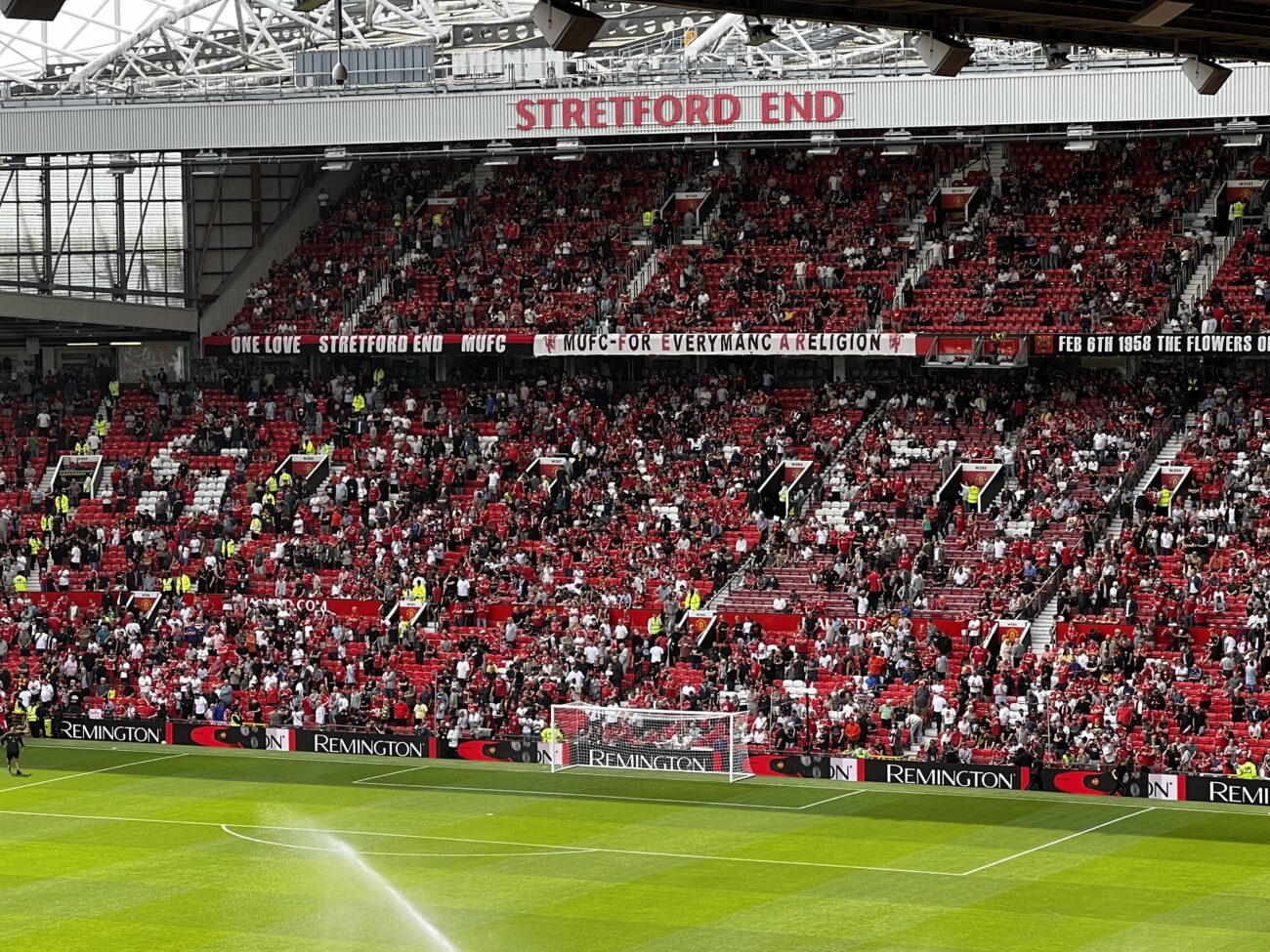
Key Highlights
- Iconic Players Across Eras: Discussion of foundational legends such as Ryan Giggs, Peter Schmeichel, and Roy Keane.
- Symbolism of the Number 11: In-depth look at players associated with the number 11 and their contributions.
- Tactical and Historical Insights: Analysis of various formations and selections made by former players and experts over time.
Introduction
Manchester United is renowned for its illustrious history, where tradition meets modern brilliance. The phrase "legend Man Utd 11" often evokes images of a dream team comprised of players who not only achieved tremendous success on the pitch but also embodied the spirit and identity of the club. These legendary figures have shaped the footballing culture at Old Trafford and continue to inspire generations of fans and aspiring footballers.
Historical Context and Evolution
The formation and narrative around an all-time best XI have evolved over the decades, paralleling changes in playing style, tactics, and cultural importance. In the early days of the club, legends such as Bobby Charlton and George Best set high standards with their extraordinary skills and leadership. As football evolved into the modern era, figures like Ryan Giggs and David Beckham not only contributed immense talent but also became symbols of dedication and on-field brilliance.
The club’s achievements are reflected in numerous domestic titles and European triumphs, many of which were built on the foundations laid by these legendary players. The debates surrounding the best eleven are often enriched by comparing eras—each boasting players who defined different aspects of the modern game, from defensive resilience to offensive flair.
Key Player Profiles
When assembling a legendary XI, several players almost invariably make the shortlist due to their unique contributions to the club’s success:
Goalkeeper
Peter Schmeichel
Peter Schmeichel stands as a colonial figure of goalkeeping prowess. His extraordinary reflexes and command of the penalty area helped fortify the backline during the 1990s, a period in which Manchester United enjoyed unprecedented domestic dominance. Beyond his shot-stopping abilities, Schmeichel's leadership and mental fortitude inspired his teammates and made him an indispensable figure in key matches.
Defenders
Gary Neville, Rio Ferdinand and Denis Irwin
Manchester United’s defensive backbone has been characterized by a blend of discipline, composure, and occasional daring. Gary Neville, a stalwart on the right back, devoted his entire career to the club, embodying loyalty and defensive intelligence. Complementing him, Rio Ferdinand’s elegance and composure in central defense contributed to a resilient backline, particularly during the club’s successful campaigns. Meanwhile, Denis Irwin's reliability and occasional offensive contributions made him indispensable during pivotal moments. The synergy among these defenders was fundamental for both stability and transitioning into attack.
Midfielders
Roy Keane, Paul Scholes, and David Beckham
The midfield has witnessed a blend of fierce leadership, precision passing, and creative spark. Roy Keane, known for his unwavering drive and captaining ability, provided the team with an indomitable spirit. His presence in the middle of the park ensured that the team remained focused and competitive during high-pressure contests.
Paul Scholes, often celebrated for his astonishing technique and vision, is lauded as one of the finest midfielders in football history. His ability to dictate the tempo of the game and score crucial goals has cemented his place in the club’s lore. Alongside these industrious midfielders, David Beckham added another dimension with his exceptional crossing ability and proficiency in set-piece scenarios. His flair and consistency in delivering decisive plays made him a vital asset, especially during the treble-winning season.
Forwards
Ryan Giggs, Eric Cantona, and Wayne Rooney
When considering the attacking force, few names resonate as strongly as Ryan Giggs. His career, spanning over two decades, is emblematic of longevity and excellence. Wearing the number 11 shirt for the majority of his career, Giggs’ explosive speed, skillful dribbling, and consistent performances made him an icon at United and a critical contributor to the club's many championships.
Eric Cantona added a layer of creative intensity and unpredictability to the forward line. His charismatic presence, often coupled with his enigmatic style of play, redefined the team’s attacking approach and provided the impetus behind many memorable victories. Lastly, Wayne Rooney, the club’s record goalscorer, offered versatility and an insatiable hunger for goal. Rooney's ability to score, create opportunities, and adapt to various roles on the pitch showcased his all-around talent and established him as a modern legend.
The Significance of the Number 11
The number 11 jersey holds a special place in the narrative of Manchester United. Traditionally associated with creativity, speed, and attacking flair, this number often finds itself donned by some of the club’s most illustrious wingers and midfielders. Ryan Giggs is the definitive figure in this regard. His record-breaking appearances, coupled with numerous honors including multiple Premier League and Champions League titles, make him synonymous with the spirit of the club.
Although other players have worn the number 11 jersey, each instance reflects a commitment to excellence and a legacy of performance that transcends eras. Even when modern talents emerge from the academy, the association between the number 11 and brilliance remains a potent symbol for fans and club historians alike.
Tactical Insights and Formation Choices
Selecting a legendary XI goes beyond merely listing influential names; it also involves aligning them in a formation that best reflects their strengths and the tactical evolution of football. Most discussions lean towards a 4-4-2 or 4-3-3 setup, which allows for defensive balance and offensive dynamism.
Analyzing Formations
In a traditional 4-4-2 formation, the balance is maintained by having a solid back four, dynamic midfielders, and a forward pair capable of executing both creative and finishing roles. This formation particularly suits a lineup that includes stalwarts like Schmeichel in goal, a strong defensive quartet, a midfield anchored by Keane and Scholes, and forwards such as Giggs or Rooney who can exploit spaces effectively.
Alternatively, a 4-3-3 configuration can bring more emphasis on width and attacking prowess, allowing wingers such as Giggs or even Beckham to operate along the wings, providing crosses and penetrating passes. This formation fits the narrative of Manchester United’s historic playing style, which has often prioritized rapid counter-attacks and creative playmaking.
Table: Legendary Manchester United XI Overview
| Position | Player | Key Contributions |
|---|---|---|
| Goalkeeper | Peter Schmeichel | Critical saves, commanding presence, and leadership in goal |
| Right Back | Gary Neville | Loyalty, consistency, and defensive intelligence |
| Center Back | Rio Ferdinand | Elegant defense, ball distribution, and composure under pressure |
| Left Back | Denis Irwin | Versatility, accuracy in tackles and contributions to attacks |
| Midfield | Roy Keane | Leadership, unmatched work-rate, and midfield dominance |
| Midfield | Paul Scholes | Technical prowess, vision and goal-scoring ability |
| Midfield | David Beckham | Precision passing, set-piece master, and creative flair |
| Forward/Winger | Ryan Giggs | Record appearances, dribbling skill, and career longevity |
| Forward | Eric Cantona | Creative attacking, charismatic presence, and turnaround inspiration |
| Forward | Wayne Rooney | Versatile scoring, record goal achievements, and adaptability |
Comparative Analysis of Different Eras
The compilation of a legendary XI draws from players across several decades, each influenced by distinct tactical trends and evolving philosophies in football. For example, the club's earlier era was marked by figures like Bobby Charlton and George Best, whose playstyle defined what it meant to be a creative force in the game. Their legacy set the stage for future stars and established a baseline for excellence.
The formation of such a team today requires careful consideration of the era-specific contributions made by the players. Legends from the Premier League era—such as Roy Keane, Paul Scholes, and Ryan Giggs—brought about a blend of modern fitness, tactical discipline, and technical brilliance that helped define the club’s success in the 1990s and early 2000s. This contrast between eras highlights how the club has consistently nurtured talent and adapted to the footballing landscape.
It is this rich history that fuels debates among supporters and pundits alike about who deserves a place in an ultimate lineup. Every generation tends to favor its own heroes, but when evaluated together, these players form a mosaic that underlines Manchester United's status as one of the greatest clubs in football history.
Legacy and Cultural Impact
The impact of these legendary players transcends match statistics and titles. Their influence is woven into the cultural fabric of the club and is celebrated in numerous ways, from museum exhibits to fan chants and tributes during major club anniversaries. The consistent presence of drama and beauty in their play has carved out a special place for Manchester United in the hearts of millions worldwide.
These players also exemplify qualities such as leadership, resilience, and innovation, traits that continue to guide current and future generations of players. Their stories, both on and off the pitch, provide a narrative of overcoming challenges and inspiring excellence, making them role models beyond the confines of football.
By weaving together the contributions of these individuals, the legendary XI not only serves as a retrospective celebration but also as a reminder of the continuous cycle of talent nurturing and historical legacy that defines Manchester United.
A Look at Fan Perspectives and Expert Opinions
Fan debates concerning the best XI are not simply about numbers or trophies—they are about the intrinsic values each player brought to the club. Longtime supporters often reminisce about dramatic comebacks, last-minute goals, or iconic performances that left an indelible mark on the club’s history. Meanwhile, football experts analyze these debates through the lens of tactical innovations, physical and technical evolution, and the influence of different eras.
In many discussions, the comparison between players becomes a tribute to their individual journeys. The magical dribbling of Ryan Giggs, the fierce leadership of Roy Keane, and the artistic vision of Paul Scholes are all celebrated as essential ingredients that contributed to the club’s enduring success. Such perspectives underscore how integral values—like loyalty, commitment, and passion—remain central to Manchester United’s identity.
Compiling the Debate: Final Thoughts on a Legendary XI
While it is challenging to create a definitive list due to the subjective nature of football and the club's long history, a well-rounded legendary XI can be conceptualized by considering depth in skill sets, influence on the club’s success, and the cultural significance of each figure. The synthesis of defensive stability provided by players like Peter Schmeichel, Gary Neville, and Rio Ferdinand, combined with creative mastery in midfield from Roy Keane, Paul Scholes, and David Beckham, sets the stage for an attack capable of turning the tide in any match through the inspiration of players such as Ryan Giggs, Eric Cantona, and Wayne Rooney.
Every fan’s personal legendary XI might differ slightly based on cherished memories and personal preferences. However, the overarching narrative recognizes that these players, through their distinct roles and contributions, collectively sculpt a blueprint for excellence that is emblematic of Manchester United’s grand history.
In summary, the legendary Manchester United XI is more than just an assortment of names—it represents an era-defining legacy, a commitment to continuous excellence, and the very spirit of what makes United a club steeped in tradition and triumph.
References
- Greatest 11 Manchester United Football History - GiveMeSport
- Most Iconic Shirt Numbers Man Utd - 90min
-
Manchester United's Best Ever XI - OneFootball
- List of Manchester United F.C. Players - Wikipedia
- Sir Alex Ferguson's Best Manchester United XI - Manchester United Mad
Recommended Queries for Deeper Insights
Last updated March 4, 2025