
Mastering Your Finances: Comprehensive Strategies for Financial Success
Empower Your Financial Future with Proven Management Techniques
Key Takeaways
- Create a Detailed Budget: Establish a clear budget to track income and expenses, ensuring you live within your means.
- Build an Emergency Fund: Save three to six months' worth of living expenses to safeguard against unforeseen financial setbacks.
- Prioritize Debt Reduction: Focus on eliminating high-interest debt to reduce financial stress and improve your credit score.
1. Create a Detailed Budget
Establishing a comprehensive budget is the cornerstone of effective financial management. A well-crafted budget allows you to track where your money is going, identify areas for savings, and ensure that you are living within your means. Here are the steps to create an effective budget:
1.1. Track Your Income and Expenses
Begin by listing all sources of income, including salaries, freelance work, investments, and any other revenue streams. Next, document all monthly expenses, categorizing them into fixed (e.g., rent, utilities) and variable (e.g., groceries, entertainment) costs. This comprehensive tracking provides a clear picture of your financial inflows and outflows.
1.2. Choose a Budgeting Method
Select a budgeting approach that aligns with your financial goals and lifestyle. Common methods include:
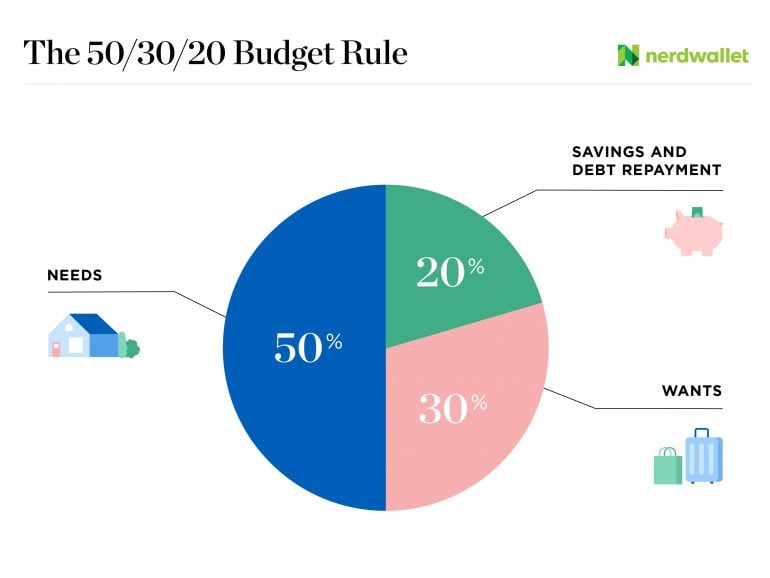
50/30/20 Rule
This rule allocates 50% of your income to needs, 30% to wants, and 20% to savings and debt repayment. It’s a straightforward method that ensures a balanced distribution of funds.
Zero-Based Budgeting
In this method, every dollar is assigned a specific purpose, ensuring that income minus expenses equals zero. This technique promotes meticulous control over spending and prioritizes savings and investments.
Envelope System
The envelope system involves allocating cash into different envelopes for various spending categories. Once the cash in an envelope is depleted, spending in that category stops, fostering disciplined financial behavior.
1.3. Utilize Budgeting Tools
Leverage budgeting apps and software to streamline the budgeting process. Tools like Mint, YNAB (You Need A Budget), and personal spreadsheets can help automate tracking, categorize expenses, and provide visual insights into your financial habits.
2. Build an Emergency Fund
An emergency fund is a vital financial cushion that protects you against unexpected expenses such as medical emergencies, car repairs, or sudden loss of income. Here’s how to effectively build and maintain an emergency fund:
2.1. Determine the Appropriate Amount
A standard recommendation is to save three to six months' worth of living expenses. This range offers a safety net that can cover essential costs during financial disruptions without relying on high-interest debt.
2.2. Open a Separate Savings Account
Store your emergency fund in a separate, easily accessible savings account. This separation prevents you from inadvertently spending the funds and ensures quick access when needed.
2.3. Automate Savings Contributions
Set up automatic transfers from your checking account to your emergency fund. Automating savings ensures consistent contributions without the temptation to skip deposits.
2.4. Gradually Increase Your Fund
If starting from scratch, aim to build your emergency fund incrementally. Begin with a smaller target, such as $1,000, and gradually work towards your full goal, adjusting contributions based on your financial situation.
3. Prioritize Debt Reduction
Managing and reducing debt is crucial for financial stability. High-interest debt can hinder your ability to save and invest, while also affecting your credit score. Implementing effective debt reduction strategies can lead to significant financial relief.
3.1. Assess Your Debt Situation
Start by listing all debts, including credit cards, student loans, mortgages, and personal loans. Note the outstanding balances, interest rates, and minimum monthly payments for each debt.
3.2. Choose a Debt Repayment Strategy
Select a method that suits your financial goals and psychological preferences. Common strategies include:
Debt Snowball Method
Focus on paying off the smallest debt first while making minimum payments on others. Once the smallest debt is eliminated, move to the next smallest. This method provides quick wins that can boost motivation.
Debt Avalanche Method
Prioritize debts with the highest interest rates, paying them off first while maintaining minimum payments on others. This strategy minimizes the total interest paid and accelerates debt elimination.
3.3. Consolidate or Refinance Debt
Consider consolidating multiple debts into a single loan with a lower interest rate. Refinancing can reduce the cost of borrowing and simplify debt management by consolidating payments.
3.4. Avoid Accumulating New Debt
While paying down existing debt, refrain from taking on additional debt. This practice helps prevent the debt cycle from continuing and allows for a more effective reduction of current liabilities.
4. Set Clear Financial Goals
Defining specific financial goals provides direction and motivation. Goals can be short-term, such as saving for a vacation, or long-term, like planning for retirement.
4.1. Define SMART Goals
Ensure that your financial goals are Specific, Measurable, Achievable, Relevant, and Time-bound (SMART). This framework increases the likelihood of achieving your objectives by providing clarity and structure.
4.2. Categorize Your Goals
Separate your goals into different categories based on their timeline and importance:
Short-Term Goals
Goals that can be achieved within a year, such as building an emergency fund or paying off a specific debt.
Long-Term Goals
Objectives that require more time, like saving for a home down payment, children's education, or retirement.
4.3. Regularly Review and Adjust Goals
Periodically assess your financial goals to ensure they remain aligned with your life changes and evolving priorities. Adjustments may be necessary to reflect new circumstances or to set more ambitious targets.
5. Save and Invest Regularly
Building wealth involves not only saving but also investing your money to generate returns over time. Consistent saving and strategic investing are key to long-term financial growth.
5.1. Automate Savings Contributions
Set up automatic transfers to savings and investment accounts. Automation ensures that saving becomes a routine part of your financial activities, reducing the temptation to spend excess funds.
5.2. Diversify Your Investments
Spread your investments across different asset classes, such as stocks, bonds, real estate, and mutual funds. Diversification helps mitigate risk and improves the potential for returns.
5.3. Utilize Tax-Advantaged Accounts
Maximize contributions to retirement accounts like 401(k)s and IRAs, which offer tax benefits and can significantly enhance your retirement savings over time.
5.4. Start Investing Early
Take advantage of compound interest by beginning to invest as early as possible. Even small, regular investments can grow substantially over the long term.
6. Utilize Technology and Tools
Leveraging modern technology can streamline financial management, making it easier to track spending, manage budgets, and plan for the future.
6.1. Budgeting Apps
Apps like Mint, YNAB, and Personal Capital offer features that help you create budgets, track expenses, and monitor financial goals in real-time.
6.2. Investment Platforms
Use platforms such as Vanguard, Fidelity, and Robinhood to manage your investment portfolio, automate contributions, and access a wide range of investment options.
6.3. Financial Planning Software
Software like Quicken and Microsoft Excel can help you perform detailed financial analysis, forecast future financial scenarios, and plan accordingly.
6.4. Credit Monitoring Services
Services like Credit Karma and Experian offer tools to monitor your credit score, alert you to changes, and provide insights on improving your credit health.
7. Educate Yourself About Personal Finance
Continuous education in personal finance empowers you to make informed decisions, adapt to changing financial landscapes, and optimize your financial strategies.
7.1. Read Books and Articles
Engage with reputable financial literature and online resources to deepen your understanding of topics like investing, tax planning, and financial planning.
7.2. Attend Workshops and Seminars
Participate in financial workshops and seminars to gain practical knowledge, network with financial experts, and stay updated on the latest financial trends.
7.3. Take Online Courses
Enroll in online courses offered by platforms like Coursera, Udemy, and Khan Academy to systematically build your financial literacy.
8. Automate Your Finances
Automation reduces the burden of manual financial management, ensures timely payments, and helps maintain consistency in savings and investments.
8.1. Set Up Automatic Bill Payments
Automate payments for recurring bills such as utilities, rent, and loan installments. This ensures you never miss a payment, thereby avoiding late fees and maintaining a good credit score.
8.2. Automate Savings and Investments
Arrange for automatic transfers to your savings and investment accounts. Automatic contributions help you stay disciplined and ensure that saving and investing are prioritized.
9. Seek Professional Guidance
Consulting with financial professionals can provide personalized advice, help navigate complex financial decisions, and optimize your financial strategies.
9.1. Hire a Certified Financial Planner (CFP)
A CFP can assist in creating comprehensive financial plans, offering expertise in areas like retirement planning, tax optimization, and investment strategies.
9.2. Consult a Tax Advisor
A tax advisor can help you understand tax implications of your financial decisions, ensuring compliance and optimizing your tax liabilities.
9.3. Engage with a Credit Counselor
If you're struggling with debt, a credit counselor can provide strategies for debt management, negotiate with creditors, and help you develop a plan to regain financial stability.
10. Focus on Income Growth
Increasing your income enhances your ability to save, invest, and achieve financial goals more swiftly. Here are ways to boost your earning potential:
10.1. Advance Your Career
Invest in your professional development through education, certifications, and acquiring new skills. Career advancement often leads to higher salaries and better job opportunities.
10.2. Explore Side Hustles
Consider additional income streams such as freelancing, consulting, or starting a small business. Side hustles can provide extra revenue and financial security.
10.3. Invest in Passive Income Sources
Passive income sources like rental properties, dividend-paying stocks, and peer-to-peer lending can generate ongoing revenue with minimal active involvement.
11. Review and Adjust Regularly
Financial planning is an ongoing process. Regular reviews ensure that your financial strategies remain effective and aligned with your evolving goals and circumstances.
11.1. Conduct Monthly Budget Reviews
At the end of each month, assess your spending against your budget. Identify areas where you stayed on track and areas that need improvement.
11.2. Reevaluate Financial Goals Annually
Each year, review your financial goals to ensure they still reflect your priorities. Adjust timelines, make new goals, or modify existing ones as needed.
11.3. Monitor Investment Performance
Regularly review your investment portfolio to ensure it aligns with your risk tolerance and financial objectives. Rebalance your portfolio as necessary to maintain your desired asset allocation.
12. Utilize Money Management Tools
Effective money management tools can simplify financial tasks, enhance organization, and provide valuable insights into your financial behavior.
12.1. Expense Tracking Software
Tools like Expensify and PocketGuard help in monitoring daily expenses, categorizing spending, and identifying patterns that can inform budgeting decisions.
12.2. Net Worth Calculators
Understanding your net worth provides a snapshot of your financial health. Use online calculators to track assets and liabilities, helping you make informed financial decisions.
12.3. Retirement Planning Tools
Platforms like Vanguard and Fidelity offer retirement planning calculators that project future savings, helping you assess whether you're on track to meet your retirement goals.
13. Focus on Credit Health
Your credit score significantly impacts your financial opportunities, including loan approvals and interest rates. Maintaining good credit health is essential for overall financial well-being.
13.1. Monitor Your Credit Score
Regularly check your credit score using services like Credit Karma or Experian. Monitoring helps you stay aware of your credit standing and identify potential issues early.
13.2. Maintain Low Credit Utilization
Aim to keep your credit card balances below 30% of your available credit. Low utilization positively affects your credit score by demonstrating responsible credit management.
13.3. Pay Bills on Time
Timely payment of bills is crucial for maintaining a good credit score. Set up automatic payments or reminders to ensure you never miss a due date.
13.4. Avoid Unnecessary Credit Applications
Each credit application can result in a hard inquiry, which may temporarily lower your credit score. Apply for new credit only when necessary to minimize negative impacts.
14. Plan for Large Purchases
Managing large expenditures requires careful planning to prevent financial strain. Here’s how to approach significant purchases:
14.1. Set a Savings Goal
Determine the total cost of the purchase and set a realistic savings goal. Allocate funds regularly to reach the target within your desired timeframe.
14.2. Research and Compare Options
Thoroughly research products or services before making large purchases. Compare prices, features, and reviews to ensure you’re making an informed decision.
14.3. Consider Financing Options
If necessary, explore financing options with favorable terms. Ensure that you understand the interest rates, repayment schedules, and total cost before committing to any financing agreement.
15. Protect Your Finances
Financial protection involves safeguarding your assets and income against potential risks. Implementing protective measures can prevent significant financial losses.
15.1. Obtain Adequate Insurance
Ensure you have appropriate insurance coverage, including health, auto, home, and life insurance. Insurance protects against unexpected events that could otherwise deplete your financial resources.
15.2. Create a Will and Estate Plan
Prepare a will to outline how your assets should be distributed in the event of your passing. An estate plan can minimize potential legal complications and ensure your beneficiaries are provided for according to your wishes.
15.3. Secure Your Financial Information
Protect sensitive financial information by using strong passwords, enabling two-factor authentication, and regularly monitoring your accounts for suspicious activity.
16. Embrace Sustainable Financial Practices
Adopting sustainable financial habits ensures long-term financial health and aligns with responsible money management.
16.1. Live Below Your Means
Spend less than you earn to create a surplus that can be directed towards savings and investments. This practice builds financial resilience and supports wealth accumulation.
16.2. Avoid Lifestyle Inflation
As your income increases, resist the temptation to proportionally increase your spending. Instead, maintain or even lower your spending levels to accelerate savings and investment growth.
16.3. Practice Mindful Spending
Evaluate purchases based on necessity and value rather than impulse. Mindful spending helps prevent unnecessary expenses and ensures that your money is used effectively to meet your goals.
17. Leverage Tax Optimization Strategies
Effective tax planning can reduce your tax liability and enhance your overall financial position. Implementing tax optimization strategies ensures you retain more of your earnings.
17.1. Maximize Tax-Advantaged Accounts
Contribute to accounts like 401(k)s, IRAs, and HSAs, which offer tax benefits. These accounts can lower your taxable income and provide growth opportunities for your investments.
17.2. Utilize Deductions and Credits
Identify and take advantage of eligible tax deductions and credits. This can include deductions for education expenses, mortgage interest, charitable donations, and more.
17.3. Plan for Capital Gains
Strategically manage investments to minimize capital gains taxes. Holding investments for longer than a year qualifies them for lower long-term capital gains rates.
18. Foster Healthy Financial Relationships
Effective financial management is often influenced by personal relationships. Building healthy financial interactions with family and others helps maintain financial harmony.
18.1. Communicate Transparently
Discuss financial goals, budgets, and spending habits openly with family members or partners. Transparent communication fosters mutual understanding and cooperation.
18.2. Share Financial Responsibilities
Distribute financial tasks, such as budgeting, bill payments, and investment management, to ensure that responsibilities are shared and managed efficiently.
18.3. Educate Loved Ones
Encourage financial literacy among family members. Teaching financial principles and responsible money management benefits everyone involved and promotes collective financial well-being.
19. Implement Financial Discipline and Patience
Achieving financial goals requires discipline and patience. Consistent adherence to your financial plan, even in the face of challenges, is essential for long-term success.
19.1. Avoid Impulse Purchases
Resist the urge to make spontaneous purchases that do not align with your financial goals. Implementing a waiting period before making significant purchases can help curb impulsive spending.
19.2. Stay Committed to Your Plan
Maintain commitment to your financial strategies, especially during periods of economic uncertainty or personal financial stress. Consistency fosters progress and resilience.
19.3. Practice Delayed Gratification
Prioritize long-term financial benefits over immediate pleasures. Delayed gratification leads to greater rewards and strengthens your financial foundation.
Conclusion
Managing your finances effectively is a multifaceted endeavor that requires careful planning, disciplined execution, and continuous education. By creating a detailed budget, building an emergency fund, prioritizing debt reduction, and setting clear financial goals, you lay a strong foundation for financial stability. Leveraging technology, seeking professional guidance, and focusing on income growth further enhance your financial management capabilities. Additionally, maintaining good credit health, planning for large purchases, protecting your finances, and embracing sustainable financial practices ensure long-term success. Implementing these comprehensive strategies fosters financial resilience, empowers you to achieve your goals, and secures your financial future.
References
Last updated February 10, 2025