
Comprehensive Analysis of Traffic Patterns into Manhattan
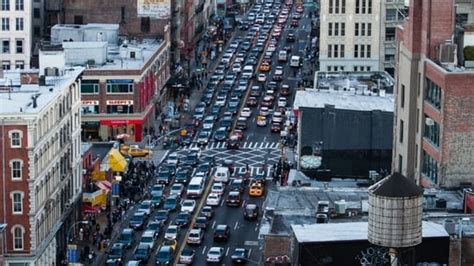
Manhattan, the central borough of New York City, experiences complex and dynamic traffic patterns influenced by a multitude of factors. These include the day of the week, time of day, seasonal variations, special events, weather conditions, and ongoing infrastructure projects. This detailed overview synthesizes data from various authoritative sources to provide a comprehensive understanding of traffic flow into Manhattan.
Traffic Patterns by Day of the Week
Traffic into Manhattan varies significantly depending on the day of the week, reflecting the city's role as a major commercial, residential, and tourist hub.
Monday
-
Morning Peak (6:30 AM - 10:00 AM): Traffic starts to build as early as 6:30 AM, with the heaviest congestion occurring between 7:30 AM and 9:00 AM. This is driven by commuters returning to work after the weekend. Major entry points such as the George Washington Bridge, Lincoln Tunnel, and Holland Tunnel experience significant delays, with average speeds dropping to 10-15 mph during peak hours.
-
Midday (10:00 AM - 3:00 PM): Traffic volumes decrease slightly compared to the morning rush but remain steady due to deliveries, business-related travel, and tourist activity. Streets near popular attractions like Times Square and the Financial District see moderate congestion.
-
Evening Peak (4:00 PM - 7:00 PM): Outbound traffic is heavier than inbound during the evening, but inbound traffic still sees moderate congestion due to late-day commuters and deliveries. Traffic flow improves after 7:00 PM.
-
Daily Averages: Mondays typically see a 5-10% increase in traffic volume compared to the weekend, as businesses and schools resume operations.
Tuesday - Thursday
-
Morning Peak (6:15 AM - 9:30 AM): Traffic patterns on these days are similar to Mondays, but congestion tends to start slightly earlier, around 6:15 AM. The peak remains between 7:30 AM and 9:00 AM. Traffic volumes are consistent, with average delays of 20-30 minutes at major crossings.
-
Midday Traffic (10:00 AM - 3:00 PM): Traffic flow stabilizes during midday hours, with average speeds increasing to 25-30 mph. However, construction and delivery vehicles can cause localized slowdowns.
-
Evening Peak (4:00 PM - 7:00 PM): Evening congestion is at its highest on Thursdays, as many people begin weekend travel early. The Lincoln Tunnel and Holland Tunnel experience the most significant delays, with average speeds dropping to 8-12 mph.
-
Daily Averages: Traffic volumes are highest on Thursdays, with a 10-15% increase compared to Tuesday and Wednesday.
Friday
-
Morning Peak (6:30 AM - 9:30 AM): Morning traffic is similar to earlier weekdays, but volumes are slightly lower as some commuters opt for remote work or take extended weekends.
-
Afternoon Peak (3:00 PM - 7:00 PM): Friday afternoons see a sharp increase in outbound traffic, particularly after 3:00 PM. Inbound traffic also experiences delays due to weekend travelers. The George Washington Bridge typically sees the heaviest congestion, with delays exceeding 45 minutes.
-
Daily Averages: Fridays have the highest overall traffic volume of the week, with a 20% increase compared to Mondays.
Saturday
-
Morning Traffic (8:00 AM - 11:00 AM): Traffic into Manhattan is lighter on Saturday mornings, with average speeds of 30-35 mph. Tourist destinations such as Times Square and Central Park attract moderate traffic.
-
Afternoon Peak (12:00 PM - 4:00 PM): Traffic builds steadily through the afternoon, particularly around shopping districts and cultural landmarks. Delays are most pronounced near the Lincoln Tunnel and Midtown.
-
Evening Traffic (7:00 PM - 11:00 PM): Evening traffic is driven by nightlife and events, with congestion peaking around 9:00 PM. Average speeds drop to 15-20 mph in Midtown and Downtown Manhattan.
-
Daily Averages: Traffic volumes are 30-40% lower than weekdays, but localized congestion can still occur.
Sunday
-
Morning Traffic (8:00 AM - 12:00 PM): Sunday mornings see the lightest traffic of the week, with average speeds exceeding 35 mph. Religious services and recreational activities contribute to moderate traffic in specific areas.
-
Afternoon Traffic (12:00 PM - 5:00 PM): Traffic builds slightly in the afternoon, particularly near parks and tourist attractions. The George Washington Bridge and Holland Tunnel see moderate delays.
-
Evening Traffic (5:00 PM - 9:00 PM): Traffic into Manhattan increases as weekend travelers return. Delays at major crossings can reach 20-30 minutes.
-
Daily Averages: Sundays have the lowest overall traffic volumes, but evening congestion is notable.
Traffic Patterns by Time of Day
Analyzing traffic patterns by time of day provides insights into the ebb and flow of activity in Manhattan.
Midnight to 4:00 AM
Traffic volumes are at their lowest during this period. Activity is limited to essential services, late-night deliveries, and nightlife-related travel.
4:00 AM to 6:00 AM
Traffic begins to pick up as early commuters and delivery vehicles enter the city. Congestion remains minimal but starts to build near major entry points.
6:00 AM to 10:00 AM (Morning Rush Hour)
This is one of the busiest periods of the day. Traffic volumes increase sharply, particularly on weekdays, as workers commute into Manhattan. Congestion is most severe on streets leading to Midtown and Downtown, where many offices are located.
10:00 AM to 3:00 PM
Traffic stabilizes during this period. While volumes are lower than during rush hours, they remain consistent due to business-related travel, tourist activity, and deliveries.
3:00 PM to 7:00 PM (Evening Rush Hour)
Traffic peaks again as commuters leave Manhattan. Outbound congestion is particularly severe at bridges and tunnels. Streets leading to residential areas in the outer boroughs and New Jersey see heavy traffic.
7:00 PM to Midnight
Traffic volumes decrease gradually. Congestion is localized to entertainment districts and areas with nightlife activity.
Peak Traffic Hours
Based on the data, the following are the peak traffic hours into Manhattan:
-
Morning Rush Hour: 7:30 AM - 9:30 AM (Monday-Friday)
-
Evening Rush Hour: 4:30 PM - 6:30 PM (Monday-Friday)
-
Weekend Peak: 12:00 PM - 4:00 PM (Saturday) and 5:00 PM - 9:00 PM (Sunday)
These periods see the highest congestion levels due to commuter traffic. Streets such as FDR Drive, West Side Highway, and major avenues like Fifth Avenue and Broadway experience significant delays.
Daily Traffic Averages
Traffic volumes are highest on weekdays, with Tuesday, Wednesday, and Thursday being the busiest days. Mondays and Fridays see slightly lower volumes, reflecting flexible work schedules and early departures for weekend trips. Weekend traffic volumes are lower, with Sundays seeing the least congestion. However, localized hotspots, such as tourist attractions and shopping districts, still experience moderate traffic.
Trends Over Time
Historical Speeds and Congestion
Over the past decade, traffic speeds in Manhattan have steadily decreased, while congestion has increased. Traffic speeds in Midtown and the Central Business District (CBD) have dropped significantly. In Fiscal Year 2024, Midtown speeds averaged 4.8 mph, and CBD speeds averaged 6.9 mph, which are nearly 20% lower than the speeds in 2014 (5.7 mph and 8.2 mph respectively). New York City's urban core has seen the biggest increase in vehicle-miles traveled (VMT) and congestion over the past five years. This increase is attributed to the rise in the number of for-hire vehicles (FHVs) such as Uber and Lyft, which add significantly to traffic congestion.
Impact of COVID-19
The COVID-19 pandemic had a temporary effect on traffic patterns, with a noticeable reduction in traffic congestion during the peak years of the pandemic. During the peak COVID-19 years, traffic speeds in Manhattan saw a temporary increase due to reduced traffic volumes. However, as restrictions were lifted and economic activities resumed, traffic congestion returned to pre-pandemic levels.
Long-Term Trends
Traffic volumes into Manhattan have shown a gradual increase over the years, reflecting population growth and economic activity. However, the introduction of congestion pricing policies and increased reliance on public transportation may influence future trends.
Notable Anomalies and Factors Affecting Traffic Flow
For-Hire Vehicles (FHVs)
The proliferation of FHVs has been identified as a major contributor to increased traffic congestion in Manhattan. FHVs not only take up extra road space but also often drive around high-demand areas searching for passengers, exacerbating congestion. To mitigate this, the Congestion Relief Zone plan was proposed, which includes a daily $15 charge for drivers entering Manhattan below 60th Street during peak hours. This plan also includes additional tolls for ride-hire apps and discounts for low-income residents and individuals with disabilities.
Emergency Response Times
The worsening traffic congestion has a significant impact on emergency response times. Over the past decade, emergency response times for medical emergencies, crimes in progress, and fires have all lengthened. For example, NYPD response times to serious incidents have increased by 4 minutes, and non-critical responses have doubled to over a half-hour.
Pedestrian and Sidewalk Factors
Pedestrian traffic and sidewalk conditions also influence overall traffic flow. In areas like Lower Manhattan, pedestrian congestion and overcrowding on sidewalks can affect traffic flow. Factors such as street furniture, vendors, and security barriers can reduce the available space for pedestrians, sometimes causing them to spill onto the roadbed. Around points of access to public transportation, such as subway entrances, special congestion conditions occur, further impacting traffic flow.
Special Events
Parades, marathons, and cultural events can cause localized congestion. For example, the Macy's Thanksgiving Day Parade and the New York City Marathon significantly impact traffic flow.
Weather Conditions
Severe weather, such as snowstorms and heavy rain, can disrupt traffic patterns. Streets may experience reduced volumes during extreme weather events.
Construction and Road Closures
Infrastructure projects and road closures can lead to detours and increased congestion on alternative routes.
Policy Changes
The planned implementation of Manhattan's Congestion Relief Zone is expected to impact traffic patterns significantly. Although it was set to take effect on June 30, 2024, its delay has left traffic patterns unchanged for now.
Traffic Management and Congestion Pricing
Efforts to manage traffic and reduce congestion include congestion pricing and optimizing traffic flow. The full implementation of the original congestion pricing plan, as envisioned by the MTA, is seen as a crucial step in reducing traffic congestion. This plan aims to reduce the number of vehicles entering the congested areas, thereby improving traffic speeds and emergency response times. Studies and analyses, such as those using urban traffic anomaly detection algorithms, help in identifying and mitigating traffic congestion. These algorithms can detect flow outliers and trajectory outliers, providing insights into traffic patterns and helping in the optimization of traffic flow.
Data Visualization and Analysis
Animated Traffic Maps
Animated traffic maps and branch analysis provide visual insights into traffic patterns. These maps show the average congestion per street per 15-minute interval, highlighting the most congested areas and times. Maps visualizing traffic congestion over different time intervals help in identifying integral street networks and predicting which streets would gain the most mobility from congestion relief measures. For example, FDR Drive, despite having high traffic volumes, does not appear highly congested in these maps due to the averaging of data across long stretches of the highway.
Network Graph Analysis
Network graph analysis helps in understanding the distribution of traffic volume from source streets to their branches. This analysis ranks streets by their volume received from source streets and identifies which streets are more integral to the traffic network. By summing the volume passed from each source street to its branches, the analysis estimates how much traffic volume is redistributed, helping to predict which streets would benefit most from congestion relief measures.
Congestion Maps
Streets are color-coded based on congestion levels, ranging from green (low congestion) to red (high congestion). These maps provide a clear representation of traffic flow across Manhattan.
Bar Graph Animations
Animated bar graphs accompany the maps, ranking streets by traffic volume. This helps identify the most congested streets during specific time intervals.
Imputed Data
Missing data is imputed based on average volumes per street per hour, ensuring comprehensive coverage of all streets.
Data Sources
Conclusion
Traffic patterns into Manhattan are complex and influenced by a variety of factors including the time of day, day of the week, and the presence of for-hire vehicles. Understanding these patterns through detailed data analysis and visualization is crucial for developing effective strategies to manage and reduce traffic congestion. The implementation of congestion pricing, optimization of traffic flow, and addressing pedestrian and sidewalk factors are key steps in improving traffic conditions in Manhattan. Historical data and visualizations provide valuable insights into these patterns, helping policymakers and urban planners develop strategies to manage congestion effectively. The implementation of congestion pricing and other measures will likely shape future traffic trends in Manhattan.
Last updated December 30, 2024