
The Next Century: Mankind's Future in 2125
Exploring the transformative changes shaping technology, society, and our environment
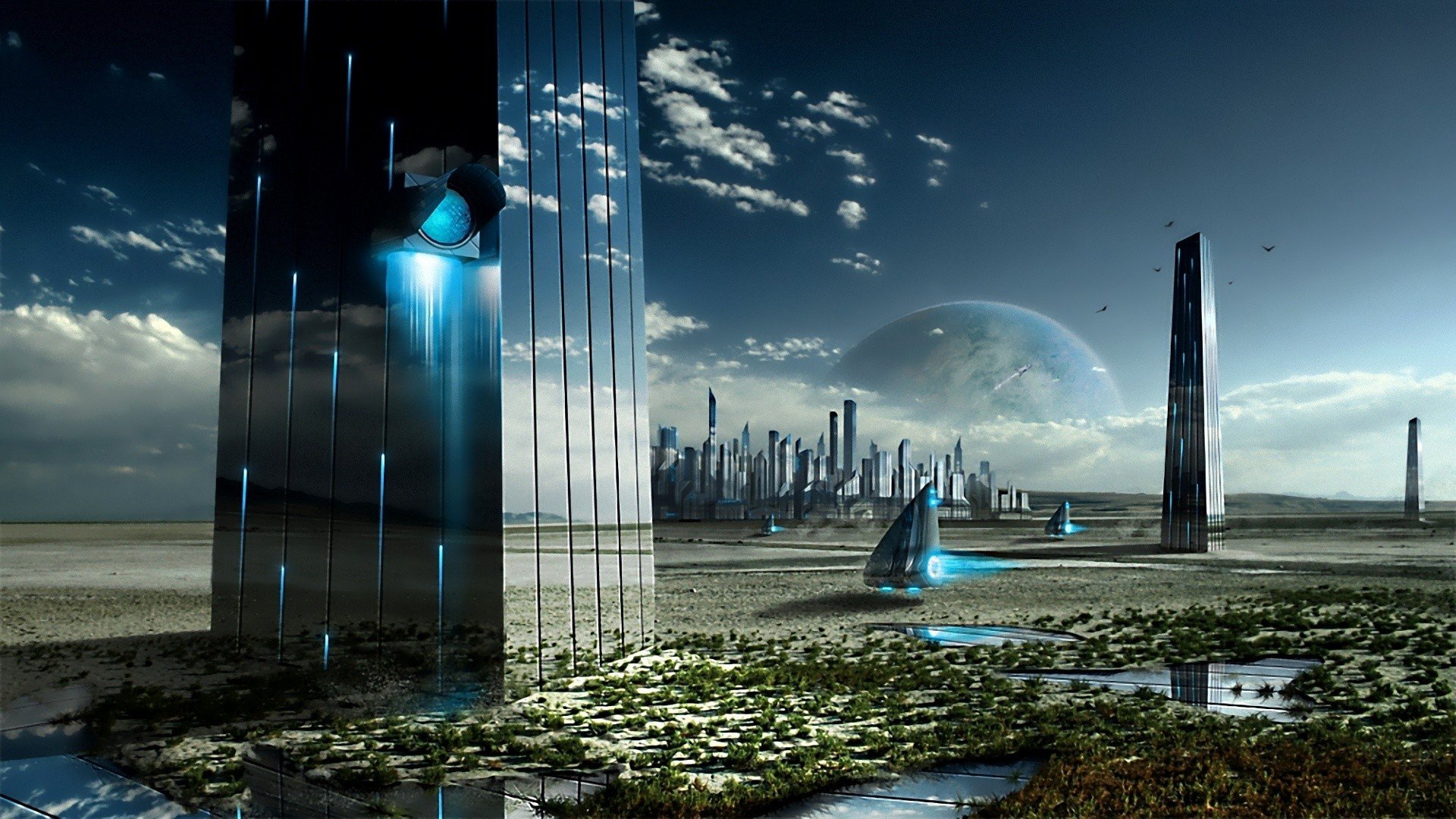
Highlights
- Revolutionary Technological Advancements: AI, quantum computing, and transportation innovations will fundamentally reshape daily life.
- Evolving Societal Structures: Global cooperation, digital economies, and transformative work and education systems will emerge.
- Environmental and Medical Breakthroughs: Climate change adaptation, sustainable energy, and healthcare improvements will redefine human longevity and ecological stewardship.
Introduction
The future of mankind in 100 years presents an intricate mosaic of possibilities and challenges. As we stand on the threshold of a rapidly evolving era, the combined trajectories of technological breakthroughs, societal shifts, environmental transformations, and medical advancements promise to redefine human civilization. While today's innovations lay the groundwork, the world of 2125 might be a complex interplay of artificial intelligence, sustainable practices, global governance, and profound shifts in personal and collective lifestyles.
Technological Advancements
Artificial Intelligence and Machine Integration
One of the pivotal drivers of change by 2125 is expected to be artificial intelligence (AI). The evolution from today’s specialized, narrow AI to Artificial General Intelligence (AGI) implies a future where machines could match or even surpass human cognitive ability. AGI is expected to revolutionize several fronts:
Augmented Cognition
Humans may increasingly merge with AI, marrying biological intuition with machine precision. This integration might not only enhance decision-making and problem-solving but also result in augmented human cognition. Whether through neural implants or advanced wearable technologies, the enhancement could transform education, research, and everyday communication.
Collaborative Innovation
As machines begin to operate as collaborative partners, the boundaries of innovation are likely to expand. Scientists might employ AI-driven simulations and predictive models to achieve breakthroughs in fields like climate science, biotechnology, and even theoretical physics. This symbiotic relationship could create a future in which human imagination and machine processing work in tandem to solve age-old problems.
Transportation Transformations
Emerging transportation technologies are predicted to radically alter how humans move. Innovations such as flying cars, Vertical Take-Off and Landing (VTOL) vehicles, and fully automated transport networks could become ubiquitous in urban settings. The benefits of these advancements include:
Reduced Urban Congestion
Aerial vehicles and efficient autonomous systems can significantly cut down road traffic and reduce commute times, making cities more livable and accessible.
Redefinition of Infrastructure
The advent of these technologies will necessitate a comprehensive rethinking of urban design and infrastructure planning. Cities may develop layered transit systems where traditional roads coexist with aerial lanes, ensuring smoother, safer movement for all.
Quantum Computing and Advanced Communications
The exponential growth of computing power, spearheaded by quantum computing, is poised to transform numerous industries. This development could not only speed up data processing but also pave the way for secure and instant communication channels. The resultant benefits encompass:
Enhanced Problem Solving
Quantum computers will unravel complex problems in areas like material science, cryptography, and drug discovery with unprecedented speed and precision.
Global Connectivity
Advanced communication networks might lead to a more interconnected globe, where data and ideas flow seamlessly, catalyzing global cooperation and innovation.
Environmental and Ecological Outlook
Climate Change and Adaptation
Environmental sustainability and climate change remain some of the most pressing challenges of the coming century. Projections indicate that by 2125, the impact of global warming could be profound:
Rising Sea Levels and Ecosystem Shifts
Climate models suggest that continued emissions and warming could cause significant sea-level rise, altering coastal landscapes and displacing communities. Ecosystem shifts might result in the loss of biodiversity, necessitating immediate and robust intervention strategies.
Geoengineering and Sustainable Solutions
In response to these challenges, humanity may harness geoengineering techniques alongside advanced renewable technologies. Innovations such as fusion energy, improved solar panels, and wind systems are projected to power a cleaner, more sustainable future. Global collaborative efforts in environmental policy could further help mitigate adverse effects and lead to better adaptation strategies.
Biodiversity and Conservation
As the environment undergoes rapid changes, preserving biodiversity stands as a critical priority. Future advancements may include:
Genetic Engineering for Conservation
Advances in genetic engineering could lead to breakthroughs in conservation, with techniques that might revive extinct species or strengthen vulnerable populations. Precision interventions in ecosystems might help restore balance and ensure long-term ecological health.
Holistic Environmental Management
Sustainable practices combined with smart technologies will likely guide global conservation efforts. By integrating AI-driven monitoring and comprehensive environmental databases, nations can make informed decisions to promote resilient ecosystems.
Medical and Biological Advancements
Revolution in Healthcare
Medical science is poised for remarkable progress by the year 2125, promising to reshape our understanding of health and longevity. Innovations in healthcare are likely to include:
Personalized Medicine
Advancements in genomics and biotechnology will foster the development of personalized medical treatments. By tailoring therapies to an individual’s unique genetic profile, medicine could become far more effective, with reduced side effects and enhanced preventative strategies.
Longevity and Preventive Care
Breakthroughs in genetic therapies, artificial organs, and advanced diagnostics are expected to extend human lifespan significantly. Routine treatments for currently incurable diseases—such as cancer, neurodegenerative disorders, and metabolic conditions—may become commonplace, reshaping societal norms around aging and productivity.
Integration of Nanotechnology
Nanotechnology holds the promise to revolutionize material science and medicine. Its integration within healthcare could bring about microscopic interventions to cure diseases at the cellular level. Potential applications include:
Targeted Drug Delivery
Nanoparticles may be engineered to deliver medications directly to affected cells, increasing the efficacy of treatments while minimizing side effects. Such precision medicine could be pivotal in managing chronic conditions and cancer treatment.
Diagnostics and Repair Mechanisms
Nanotechnological tools could also facilitate early diagnosis of diseases and contribute to in-body repair mechanisms, heralding an era where regular maintenance of human health is possible through microscopic interventions.
Societal and Geopolitical Evolution
Evolving Economic Models
The economic structure of the future is expected to undergo dramatic transformations. Shifts in work and employment, spurred by automation and digitization, may lead to a redefinition of economic participation. Key developments include:
Digital and Decentralized Economies
The increased reliance on digital technologies might give rise to fully digital and decentralized economies. Cryptocurrencies, blockchain technology, and traceable digital transactions are poised to become foundational, enabling more secure and transparent financial systems.
Universal Basic Income and New Work Paradigms
In a world where automation performs repetitive tasks, traditional employment models may be revolutionized. Universal basic income could emerge as a viable solution to ensure social equity, while education systems emphasize lifelong learning and adaptability to meet new job demands.
Global Governance and Cultural Shifts
The interplay between rapid technological development and global challenges such as pandemics and climate change will likely drive changes in governance and cultural identity. Future global society may be characterized by:
Interconnected Global Policies
Facing challenges that do not respect national boundaries, governments and international organizations will likely move toward more comprehensive cooperative arrangements. These might include unified environmental policies, coordinated emergency responses, and transnational security frameworks aimed at safeguarding human welfare on a global scale.
Emphasis on Diversity and Inclusion
The accelerating pace of globalization and cultural exchange could lead to richer, more diverse societal fabrics. While this global integration promises enhanced mutual understanding, it will also require refined approaches to preserving cultural identities and ensuring equitable representation within rapidly evolving societies.
A Glimpse at Future Infrastructure and Energy
Sustainable Energy Solutions
The transition to sustainable energy forms a cornerstone of the future. As climate concerns intensify, the shift away from fossil fuels toward renewable energy sources will be paramount. Anticipated developments include:
Advanced Renewable Technologies
Innovation in solar, wind, and fusion energy is expected to create a universal, sustainable energy grid capable of meeting global demands. This shift will help reduce the carbon footprint and mitigate environmental degradation.
Smart Energy Infrastructure
Emerging smart grid technologies will integrate energy supply and demand more efficiently. Using real-time data and AI optimization, these systems will enhance energy distribution, stabilize supply, and foster resilience in the face of unpredictable environmental conditions.
Space Exploration and Colonization
With increasing pressure on terrestrial resources and growing interest in alternative habitats, space exploration could transform from an occasional scientific endeavor to a permanent human enterprise:
Permanent Off-World Settlements
Mankind might establish colonies on Mars and other lunar or planetary bodies. Advances in space travel technologies, such as space elevators and efficient propulsion systems, could render space settlements a viable solution to overpopulation and environmental degradation on Earth.
Interplanetary Science and Commerce
Robust off-world economies might develop around resource extraction, research outposts, and even tourism. These enterprises would not only expand the frontiers of human knowledge but also create fresh opportunities for economic growth and international cooperation.
Comparative Overview Table
| Area | Anticipated Developments | Impact on Society |
|---|---|---|
| Artificial Intelligence | Transition to AGI and machine-human integration | Augmented cognition, collaborative research, enhanced problem-solving |
| Transportation | Flying cars, VTOL, automated systems | Reduced congestion, reimagined urban planning, efficient travel |
| Environment | Climate change adaptation, renewable energy, geoengineering | Sustainable living, resilient ecosystems, global cooperation |
| Healthcare | Personalized medicine, genetic therapies, nanotechnology | Increased longevity, disease eradication, preventive care |
| Economy & Governance | Digital economies, universal basic income, global policies | Equitable growth, efficient resource usage, interconnected governance |
Further Considerations
Ethical and Social Challenges
While the outlook for 2125 is filled with promising developments, it also introduces new ethical considerations. The integration of AI into critical decision-making processes, the potential inequities brought by advanced technologies, and pressing privacy issues regarding data and genetic information necessitate robust ethical frameworks. It will be essential for policymakers, industry leaders, and global communities to work hand-in-hand to ensure that technological progress is aligned with ethical imperatives and social justice.
Education and Workforce Transformation
In a future where automation and digital economies reshape the employment landscape, re-skilling and continuous education will become the norm. Educational institutions may pivot towards teaching adaptability, critical thinking, and digital literacy to prepare future generations for roles that may not exist today. This transformation will have profound implications on:
Lifelong Learning
As technologies evolve, the workforce will need ongoing training and skills upgrades. Lifelong learning will be key to maintaining relevancy in a rapidly changing job market.
Work-Life Integration
With the advent of automation and remote work, traditional office environments might give way to more flexible work arrangements. This shift could lead to improved work-life balance, though it will also require new approaches to managing productivity and mental health.
Global Collaboration and Digital Diplomacy
The challenges and opportunities of the future will necessitate unprecedented levels of global cooperation. Digital diplomacy and transnational frameworks might emerge, enabling nations to pool resources, share knowledge, and confront shared existential risks such as climate change and technological misuse. Such collaboration will be essential:
International Frameworks
Global policies addressing cybersecurity, AI ethics, and environmental protections will likely be designed and implemented through international agreements. This will ensure that advancements are balanced with the collective good.
Cross-Cultural Integration
Increased cultural exchanges and digital interactions will help break down traditional barriers, fostering a global community that values diversity and shared human progress.
References
- 100 Years From Now: Projecting the Year 2125 - SlideShare
-
Beyond Tomorrow: The World in 2125 - Barnes & Noble
- How the World Will Look in 2125: Predictions & Possibilities - Medium
- A Century Ahead: Peering into the World of 2125 - Vocal Media
- Future Predictions: 100 Years from Now - BuzzFeed
- Technology Predictions for 2125 - Quantum Run
-
Future Timeline 2125 - Quantum Run
- Club Writter - Medium
- SlideShare Presentations - SlideShare
-
Barnes & Noble - Books & eBooks
Recommended Explorations

Last updated March 1, 2025