
The Mighty Mara River: Lifeline of the Great Migration
A Comprehensive Look at East Africa's Iconic Waterway
Essential Insights into the Mara River
- Cross-Border Lifeline: The Mara River is a crucial international river, flowing through both Kenya and Tanzania and sustaining the world-famous Maasai Mara/Serengeti ecosystem.
- Heart of the Great Migration: It is most renowned for the dramatic and perilous crossings undertaken by millions of wildebeest, zebras, and gazelles during their annual migration.
- Biodiversity Hotspot: The river and its basin support an incredible diversity of wildlife year-round, including large populations of hippos, Nile crocodiles, elephants, and numerous predators.
Introduction to the Mara River
The Mara River is an iconic waterway in East Africa, spanning approximately 395 kilometers (245 miles) across Kenya and Tanzania. It is not merely a river but the vital lifeblood of one of the planet's most celebrated ecosystems, the Maasai Mara and Serengeti, and plays a pivotal role in the annual spectacle known as the Great Migration.
Originating in the verdant Kenyan highlands, the river meanders southwest, carving its path through vast savannahs, woodlands, and riverine forests. Its journey takes it through internationally recognized protected areas, including the Maasai Mara National Reserve in Kenya and the Serengeti National Park in Tanzania, before ultimately draining into Lake Victoria.
The river's significance extends beyond geography; it is a hub of biodiversity, providing essential water resources for an astonishing array of wildlife species throughout the year. While most famous for the dramatic river crossings during the migration, the Mara River ecosystem offers captivating wildlife viewing opportunities at any time.
Geography and Course of the Mara River
Origin and Journey
The Mara River begins its journey in the high-altitude regions of the Kenyan highlands, specifically originating from the Mau Escarpment. From these elevated sources, it flows for roughly 395 kilometers. As it descends, it collects water from various tributaries, including the Talek, Engare, Sand (or Longaianiet), and Engito rivers, many of which also originate in the Kenyan uplands like the Loita Hills.
The river's course takes it through different landscapes. Initially, it flows through areas outside the main protected zones, including Maasai group ranches where land is used for livestock grazing and agriculture. Eventually, the river reaches the world-famous Maasai Mara National Reserve in Kenya.
A Transboundary Basin
The Mara River basin is an international watershed, shared between two East African nations: Kenya and Tanzania. The total basin area covers approximately 13,504 to 13,750 square kilometers. A larger portion, around 65%, lies within Kenya, while the remaining 35% is located in Tanzania.
After traversing the Maasai Mara, the river crosses the border into Tanzania, flowing through the northern part of the Serengeti National Park. This shared territory highlights the ecological connectivity of the region and the need for collaborative management between the two countries.
Further downstream in Tanzania's Mara Region, after exiting areas like the Ikorongo Game Reserve, the main channel can sometimes become less defined, feeding into the downstream Mara Wetlands before its final destination.
Connection to Lake Victoria
The Mara River is one of ten major drainage basins that feed into Lake Victoria, the largest lake in Africa by area and the world's largest tropical lake. This connection underscores the river's importance within a broader regional hydrological system, functionally and ecologically linked to socio-economic activities around Lake Victoria and even further downstream along the River Nile.
The Great Migration and the River Crossing
An Iconic Spectacle
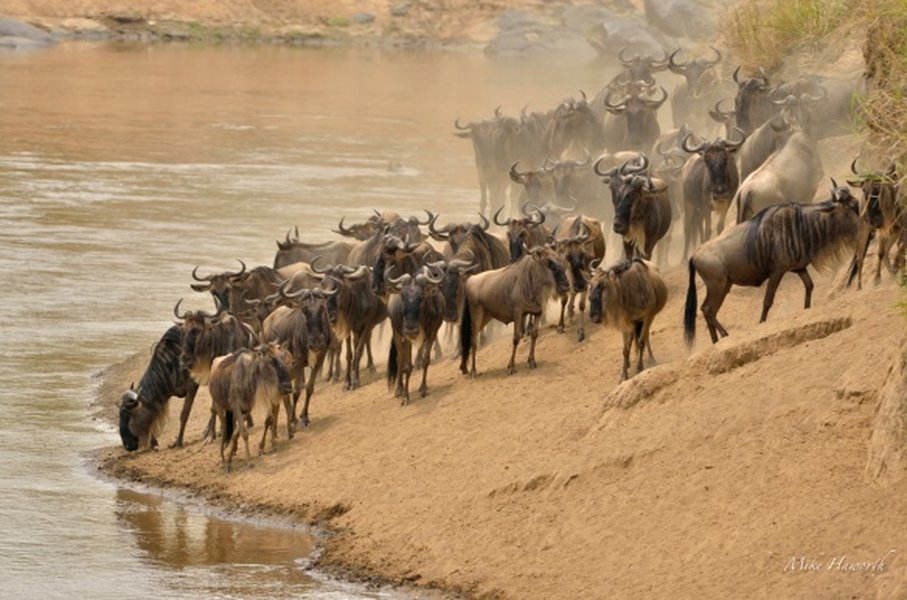
The Mara River is undeniably most famous globally for its pivotal role in the annual Great Migration. This epic journey involves millions of wildebeest, accompanied by hundreds of thousands of zebras and gazelles, moving in a vast circuit between Tanzania's Serengeti and Kenya's Maasai Mara in search of fresh grazing lands, primarily driven by rainfall patterns.
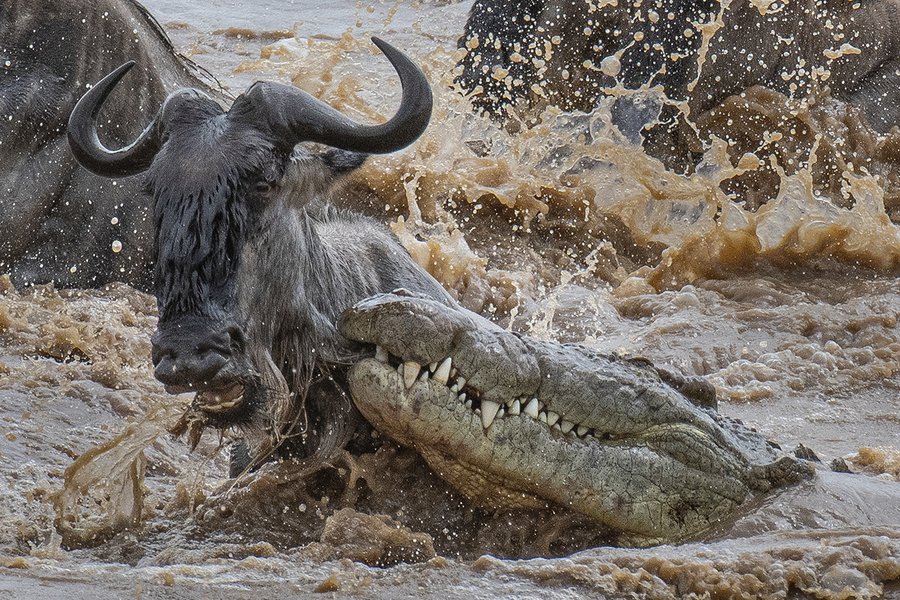
The river crossing is often considered the most dramatic and widely filmed event of the migration cycle. The herds must ford the crocodile-infested waters and navigate the steep, sometimes treacherous, riverbanks. This segment of the migration is a raw, visceral display of survival, earning the river the nickname 'the river of death'.
Witnessing this mass movement, where thousands of animals plunge into the water simultaneously, is a once-in-a-lifetime experience for many visitors. The sheer scale and intensity of the crossing are captivating, attracting tourists and documentary filmmakers from around the world.
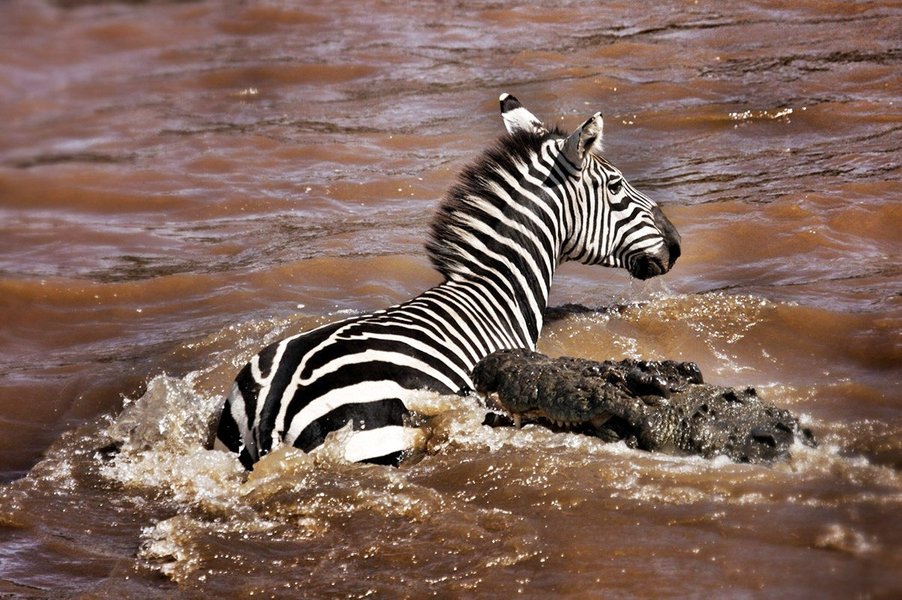
Dramatic Mara River Crossing
Timing of the Crossing
While the Great Migration is a year-round phenomenon with animals constantly on the move, the dramatic Mara River crossings typically occur during the dry season when the herds move north into the Maasai Mara. This usually happens around late July to August, with crossings continuing through September and into early October, depending on rainfall and grass availability.
The animals then make a return journey south, which can involve further river crossings, typically occurring around the last two weeks of October through early November as they head back towards the Serengeti for the calving season.
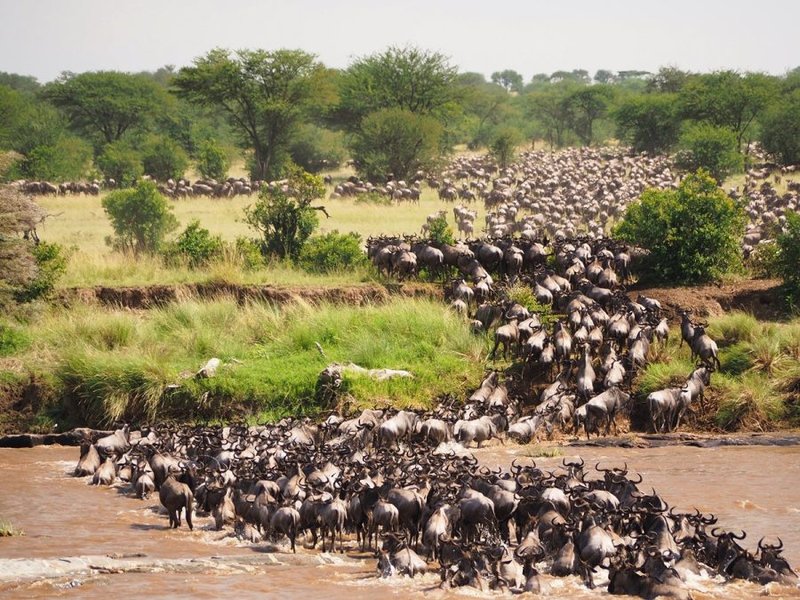
Gathering Before the Perilous Journey
Rich Biodiversity and Wildlife
Even outside the specific migration crossing periods, the Mara River and its surrounding ecosystem are teeming with wildlife, serving as a vital permanent water source in the landscape. The lush vegetation along the riverbanks provides cover and sustenance for numerous species.
Aquatic and Riverine Dwellers
The river itself is home to large populations of aquatic and semi-aquatic animals. Hippos are commonly found in large pods, often numbering over 50 individuals in deeper pools. The Nile crocodile, the largest crocodile species in Africa, is a significant predator in the river, lying in wait, particularly during the migration crossings.
Nile Crocodile in its River Habitat
Mammals of the Riverbanks
The riverbanks attract a wide variety of terrestrial mammals that come to drink, graze on the richer vegetation, or hunt. Large herbivores such as African bush elephants are frequent visitors, along with elands, Masai giraffes, and various antelope species. The rare black rhino can occasionally be glimpsed near the river.
The abundance of prey supports a healthy population of predators. Lions and leopards patrol the riverine forests and banks, often targeting animals coming to drink or attempting crossings. Cheetahs are also present in the wider plains but may utilize the river area. Hyenas are also part of the predator guild benefiting from the river ecosystem.
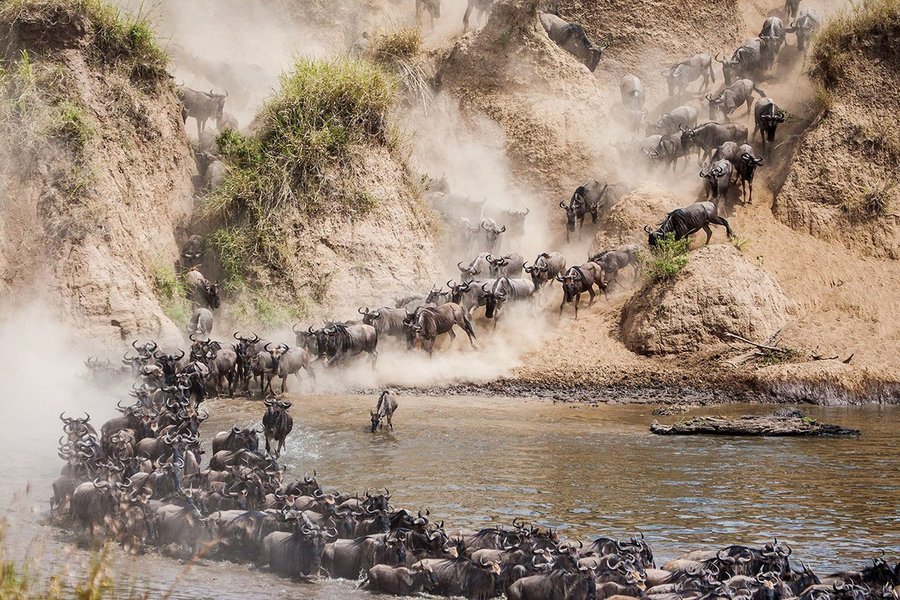
Predator-Prey Dynamics at the Crossing
Avian Life
Birdlife along the Mara River is also prolific. Common sightings include the majestic fish eagle, various species of kingfishers, bee-eaters, and weavers. Fortunate birdwatchers might also spot colorful and rarer species like the turaco.
Protected Areas and Tourism
The Mara River is integral to several protected areas, ensuring the conservation of its ecosystem and providing unparalleled opportunities for wildlife tourism.
Maasai Mara National Reserve
In Kenya, the river flows through the Maasai Mara National Reserve, a world-renowned conservation area covering approximately 1,510 km². The reserve is famous for its high concentration of wildlife, particularly its large cat populations and, of course, being the destination for the northern phase of the Great Migration.
Serengeti National Park
Crossing into Tanzania, the river continues through the northern reaches of the Serengeti National Park, a vast protected area forming part of the larger Serengeti-Mara ecosystem. The northern Serengeti, particularly around the Mara River, is a prime location to witness the migration crossings from the Tanzanian side.
The Mara Triangle
Within the Maasai Mara National Reserve, the Mara Triangle is a specific area defined by the Mara River to the east, the Oloololo (Siria) Escarpment to the north, and the Tanzanian border (Serengeti) to the south and west. This area is known for excellent game viewing and is managed by a non-profit organization, the Mara Conservancy.
The Scale of the Great Migration Crossing
Tourism Activities
Tourism is a major economic activity in the Mara River basin, driven by the spectacular wildlife, especially the migration. Visitors come for safaris, game drives along the riverbanks, and opportunities for walking safaris in certain areas, offering unique perspectives on the diverse habitat and its inhabitants.
Conservation and Challenges
Maintaining the health of the Mara River is critical for the entire ecosystem and the communities and economies that depend on it. Despite its protected areas, the basin faces several challenges.
Human activities, including expanding small and large-scale agriculture and increasing livestock densities in areas outside the core protected zones, can impact water quality and flow. Deforestation in the upper catchment areas can lead to increased sedimentation and altered hydrological patterns.
Pollution and changes in water chemistry, such as low-oxygen (hypoxic) conditions, have also been noted, partly linked to inputs from large wildlife populations like hippos but potentially exacerbated by other factors. Conservation organizations like WWF are involved in projects aimed at the integrated management of the Mara River basin across borders to ensure its long-term health and sustainability.
Key Facts About the Mara River
To summarize the key characteristics of this vital waterway:
| Characteristic | Detail |
|---|---|
| Length | Approximately 395 km (245 miles) |
| Basin Area | 13,504 - 13,750 km² |
| Countries Shared | Kenya (~65%), Tanzania (~35%) |
| Origin | Mau Escarpment, Kenyan Highlands |
| Destination | Lake Victoria |
| Primary Ecosystem | Maasai Mara / Serengeti |
| Most Famous Event | Great Migration River Crossing (July-October) |
| Key Wildlife | Wildebeest, Zebra, Gazelle, Hippo, Nile Crocodile, Elephant, Lion, Leopard, Cheetah, etc. |
Experiencing the Mara River
The Mara River is a central feature of any safari experience in the Maasai Mara or Serengeti. Whether witnessing the dramatic migration crossings or observing the resident wildlife that relies on its waters year-round, the river offers incredible photographic opportunities and unforgettable encounters with nature.
Below is a video showcasing the significance of the Mara River, particularly focusing on its role in the Great Migration and the circle of life and death that unfolds on its banks.
Video: The Mara River - Life and Death of The Great Migration
Frequently Asked Questions About the Mara River
Where is the Mara River located?
The Mara River is located in East Africa, flowing through southwestern Kenya (Narok County) and northern Tanzania (Mara Region). It is a key geographical feature of the Maasai Mara National Reserve in Kenya and the Serengeti National Park in Tanzania.
What is the Mara River most famous for?
The Mara River is most famous for the annual Great Migration river crossings, where millions of wildebeest and zebras brave its waters and lurking predators (primarily Nile crocodiles) as they move between the Serengeti and Maasai Mara ecosystems.
What kind of wildlife can be found at the Mara River?
The river and its surroundings are home to a vast array of wildlife. This includes large resident populations of hippos and Nile crocodiles, as well as mammals that frequent the riverbanks like elephants, lions, leopards, cheetahs, giraffes, various antelopes (including elands and gazelles), and occasionally the black rhino. Birdlife is also abundant.
References
Last updated April 18, 2025