
"Maranatha!": Unveiling the Centuries-Long Christian Hope for Christ's Return
Explore how the ancient prayer "Maranatha" and the concept of "hastening" the Lord's return have echoed through Christian writings since the early church.
Highlights: Key Insights into Maranatha and Hastening the Return
- Ancient Roots: The Aramaic prayer "Maranatha" ("Our Lord, come!") appears in the New Testament (1 Corinthians 16:22) and early Christian texts like the Didache, signifying a profound longing for Christ's imminent return among the first believers.
- Active Participation: The idea that believers can "hasten" the Lord's return originates in 2 Peter 3:11-12, linking holy living, godliness, and fulfilling the Great Commission (evangelism) to God's eschatological timetable.
- Enduring Hope: While interpretations have varied, the core themes of expectant waiting, prayer for Christ's coming, and living in readiness have remained central tenets in Christian thought and practice across different historical eras and denominations.
Maranatha: The Early Church's Urgent Prayer
Origins and Meaning
The term "Maranatha" is a transliteration of an Aramaic phrase found prominently in early Christian contexts. Its single appearance in the New Testament is in the Apostle Paul's First Epistle to the Corinthians:
"If anyone has no love for the Lord, let him be accursed. Our Lord, come! (Maranatha)" - 1 Corinthians 16:22 (ESV)
Scholars generally agree that the phrase can be translated in two primary ways, depending on how the Aramaic words are divided:
- Marana tha ("Our Lord, come!") - A petition or prayer for the imminent return of Jesus Christ.
- Maran atha ("Our Lord has come") - An affirmation of faith in the historical arrival and presence of Christ, perhaps implying His eventual return as well.
The context in 1 Corinthians and its usage in other early documents strongly suggest the first interpretation—a heartfelt plea for Christ's second coming—was the dominant understanding among the earliest Christians.
Liturgical and Communal Use
Beyond Paul's letter, the phrase "Maranatha" appears in the Didache (also known as "The Teaching of the Twelve Apostles"), a very early Christian text dating from the late first or early second century. In Chapter 10, related to the Eucharist, it says:
"Let grace come, and let this world pass away. Hosanna to the God (Son) of David! If any one is holy, let him come; if any one is not so, let him repent. Maranatha. Amen." - Didache 10:6
Its inclusion here signifies that "Maranatha" was part of the liturgical language of the early church, used in worship settings to express the community's collective hope and eschatological longing. It served not just as a prayer but also as a watchword or password, particularly during times of persecution, reminding believers of their ultimate hope and distinguishing them as followers awaiting their Lord.
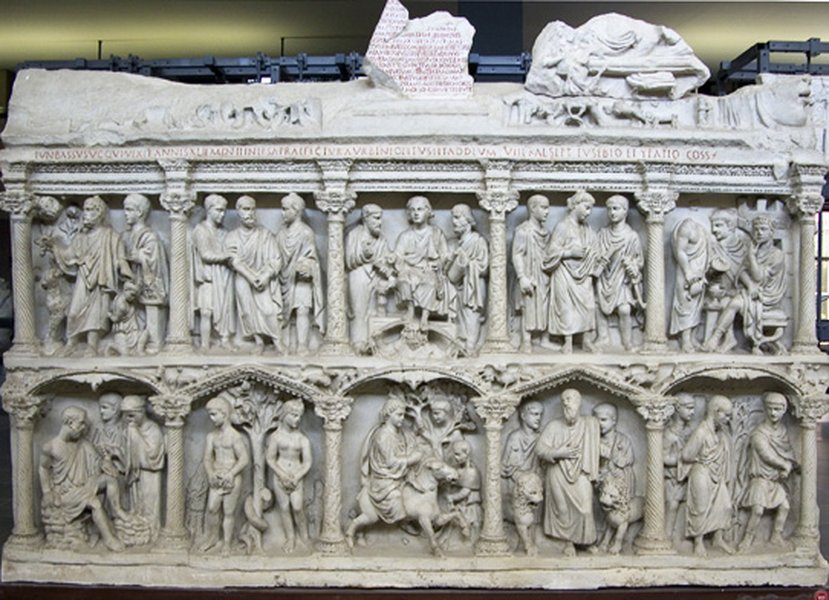
Early Christian art, often found in catacombs, frequently depicted themes of salvation and deliverance, reflecting the hope embodied in prayers like "Maranatha."
Hastening the Day of God: Biblical Foundations
The Exhortation in 2 Peter
The idea that believers might influence the timing of Christ's return finds its most direct scriptural basis in the Second Epistle of Peter:
"Since all these things are thus to be dissolved, what sort of people ought you to be in lives of holiness and godliness, waiting for and hastening the coming of the day of God, because of which the heavens will be set on fire and dissolved, and the heavenly bodies will melt as they burn!" - 2 Peter 3:11-12 (ESV)
The key word here is the Greek verb speudō (σπεύδω), translated as "hastening." While some interpretations suggest it simply means "eagerly desiring" or "earnestly expecting," many scholars and theologians argue it carries the stronger sense of "causing something to happen more quickly" or "accelerating." This passage, therefore, suggests that the conduct of believers—specifically living lives marked by holiness and godliness—is somehow connected to the unfolding of God's plan for the end times.
Fulfilling the Conditions
Christian writers have connected Peter's exhortation to other biblical concepts suggesting preconditions for Christ's return:
The Great Commission
Jesus' statement in Matthew 24:14 is often cited:
"And this gospel of the kingdom will be proclaimed throughout the whole world as a testimony to all nations, and then the end will come."
This verse has led many, particularly in the modern missions movement (e.g., figures like A.B. Simpson and A.T. Pierson), to believe that actively engaging in worldwide evangelism is a primary means by which the Church "hastens" the return of Christ. The completion of this global witness is seen as a necessary precursor to the end.
Repentance and Restoration
Another relevant passage is found in the Acts of the Apostles, where Peter preaches in Jerusalem:
"Repent therefore, and turn back, that your sins may be blotted out, that times of refreshing may come from the presence of the Lord, and that he may send the Christ appointed for you, Jesus, whom heaven must receive until the time for restoring all the things about which God spoke by the mouth of his holy prophets long ago." - Acts 3:19-21 (ESV)
This passage links repentance and conversion ("turn back") with the sending of Christ and the "restoration of all things." Some interpretations see this as suggesting that widespread repentance, particularly among Israel (though applicable to all), plays a role in ushering in the Messianic age and Christ's return. Living holy lives (as urged in 2 Peter) is intrinsically linked to this call for repentance.
Echoes Through the Centuries: Maranatha and Hastening
Patristic and Medieval Eras
While explicit references to the specific phrase "Maranatha" become less frequent in the major writings of the Church Fathers (like Augustine, Origen, Tertullian) compared to its prominence in the apostolic and sub-apostolic age, the underlying *sentiment* of eager expectation remained strong. These writers consistently emphasized vigilance, prayerfulness, and living in readiness for the Lord's return. The concept wasn't lost but became integrated into broader theological discussions of eschatology, sanctification, and the Church's purpose. Liturgical prayers and monastic traditions often preserved the spirit of "Maranatha," fostering a continued sense of longing for the eschaton (the final event in the divine plan).
Reformation and Beyond
The Protestant Reformers, such as Martin Luther and John Calvin, reinvigorated the focus on the doctrine of Christ's second coming, stressing its certainty and the need for believers to live sanctified lives in anticipation. While perhaps not using "Maranatha" frequently as a specific prayer formula, their emphasis on biblical authority brought texts like 1 Corinthians 16:22 and 2 Peter 3:11-12 back into focus. In subsequent centuries, particularly within pietistic, evangelical, and later Pentecostal and Charismatic movements, both the prayer "Maranatha" (or its translations like "Come, Lord Jesus!") and the concept of actively "hastening" the return through evangelism, prayer, and holy living experienced revivals.
Modern Interpretations
Contemporary Christian writers and teachers continue to explore these themes. Some emphasize the personal aspect – cultivating a "Maranatha mindset" of longing and readiness. Others focus on the corporate and missional dimensions – seeing the Church's active role in fulfilling the Great Commission and co-laboring with the Holy Spirit to "restore all things" as key elements in preparing the way for, and thus hastening, Christ's return. Writers like Bill Hamon, Derek Prince, and various ministry resources often connect 2 Peter 3:12 directly to practical actions believers can take, reinforcing the idea that human faithfulness plays a part in God's sovereign plan.
Mapping the Concepts: Maranatha and Hastening the Return
This mindmap illustrates the core ideas and connections between the prayer "Maranatha" and the concept of "hastening" the Lord's return as discussed in Christian tradition.
'Our Lord, come!'"] id1a2["Possible Meaning:
'Our Lord has come'"] id1b["Early Church Usage"] id1b1["1 Corinthians 16:22 (Paul)"] id1b2["Didache (Liturgy)"] id1b3["Watchword / Hope"] id2["Hastening the Return"] id2a["Scriptural Basis"] id2a1["2 Peter 3:11-12 ('Speudo')"] id2a2["Matthew 24:14 (Gospel to Nations)"] id2a3["Acts 3:19-21 (Repentance/Restoration)"] id2b["Methods Emphasized"] id2b1["Holy & Godly Living"] id2b2["Evangelism / Missions (Great Commission)"] id2b3["Prayer & Intercession"] id2b4["Repentance"] id3["Historical Continuity"] id3a["Early Church Focus"] id3b["Patristic/Medieval Integration"] id3c["Reformation Re-emphasis"] id3d["Modern Revival (Missions, Evangelical, Charismatic)"]
The mindmap shows "Maranatha" originating as an early prayer rooted in hope, while "Hastening the Return" stems from scriptural exhortations suggesting believer actions (holiness, evangelism, prayer) influence the timing of the end. Both concepts flow through Christian history, evolving in emphasis but remaining interconnected expressions of eschatological faith.
Emphasis Across Eras: A Comparative View
The following radar chart offers a speculative visualization of how the emphasis on different aspects related to Maranatha and hastening the return might have varied across major Christian eras. This is an interpretation based on general historical trends discussed in theological sources, not precise data.
This chart suggests that while general eschatological expectancy and the importance of holy living have been consistent themes, the explicit use of "Maranatha" and the focus on active "hastening" (especially through missions) have seen varying degrees of emphasis, peaking in the Early Church and experiencing a resurgence in the Modern Era, particularly in evangelical and charismatic streams.
Key Scriptural References Summary
This table summarizes the primary biblical passages discussed concerning "Maranatha" and "hastening the Lord's return," along with their core interpretations in this context.
| Scripture Reference | Key Phrase/Concept | Primary Interpretation/Relevance |
|---|---|---|
| 1 Corinthians 16:22 | "Maranatha" (Μαραναθα) | Early Christian Aramaic prayer/plea: "Our Lord, come!" Expresses longing for Christ's imminent return. |
| Didache 10:6 | "Maranatha" | Confirms liturgical use of the prayer in early Christian worship, signifying communal hope. |
| 2 Peter 3:11-12 | "waiting for and hastening (speudō) the coming of the day of God" | Exhortation linking believers' lives of holiness and godliness to potentially influencing the timing of the Lord's return. |
| Matthew 24:14 | "gospel...proclaimed throughout the whole world...then the end will come" | Suggests the completion of global evangelism (Great Commission) is a precondition for the end, linking missions to hastening the return. |
| Acts 3:19-21 | "Repent...that times of refreshing may come...and that he may send the Christ" | Connects repentance and restoration to the sending of Christ, implying human response plays a role in prophetic fulfillment. |
| Revelation 22:20 | "Amen. Come, Lord Jesus!" | Greek equivalent expression of longing for Christ's return, echoing the sentiment of Maranatha at the close of the New Testament. |
Exploring the Theme: Hastening the Return
The following video delves into the concept of hastening the Lord's return from a devotional perspective, exploring its scriptural basis and practical implications for believers today. It touches upon the connection between prophecy, the gospel mission, and the anticipation of Christ's second coming, themes central to the historical discussion of Maranatha and hastening.
This devotional perspective reflects how the ancient concepts discussed continue to be relevant and applied in contemporary Christian thought and practice, encouraging believers to live with purpose and expectancy in light of Christ's promised return.
Frequently Asked Questions (FAQ)
What exactly does "Maranatha" mean and why was it important to early Christians?
"Maranatha" is an Aramaic phrase most commonly translated as "Our Lord, come!" It appears in 1 Corinthians 16:22 and the early Christian text, the Didache. For early Christians, often facing persecution, it was a powerful expression of hope, a prayer for Jesus Christ's quick return to establish His kingdom, bring justice, and deliver His people. It served as both a liturgical formula and a watchword reminding them of their ultimate hope in Christ's second coming.
Does the Bible really say humans can "hasten" or speed up God's plan for Jesus' return?
The key passage is 2 Peter 3:12, which uses the Greek word speudō, often translated as "hastening." While God's ultimate sovereignty over timing is affirmed elsewhere (Matthew 24:36: "But concerning that day and hour no one knows... but the Father only"), this verse strongly suggests a connection between believers' actions (holy living, godliness) and the arrival of "the day of God." Theologians interpret this in various ways, but many understand it to mean that human faithfulness, particularly in holiness and fulfilling the Great Commission (Matthew 24:14), participates in unfolding God's predetermined plan, effectively "hastening" the culmination from a human perspective by meeting the conditions God has ordained.
How did the emphasis on these concepts change after the early church?
After the initial period of intense expectation, the explicit use of "Maranatha" became less common in mainstream theological writings, though the underlying hope for Christ's return remained. Emphasis shifted towards doctrinal formulation and church structure in the Patristic and Medieval periods. The Reformation saw a renewed focus on eschatology, but the idea of actively "hastening" the return gained significant traction with the rise of modern missions movements (18th-20th centuries), explicitly linking global evangelism (Matthew 24:14) with fulfilling the conditions for Christ's coming. In contemporary times, especially within evangelical and charismatic circles, both the prayerful longing ("Maranatha") and the call to hasten the return through missions and holy living are strongly emphasized.
Recommended Reading & Exploration
- Explore deeper scholarly interpretations of the word "hasten" in 2 Peter 3:12.
- Learn more about the Didache and its role in early Christian worship practices.
- Investigate the connection between the modern missions movement and beliefs about the end times.
- Understand different theological perspectives on how human actions relate to God's sovereign plan for the future.
References
 preceptaustin.wordpress.com
Last updated May 4, 2025