
Integrating Marang Seed Flour into Gluten-Free Baking
A Comprehensive Guide to Enhancing Your Gluten-Free Recipes
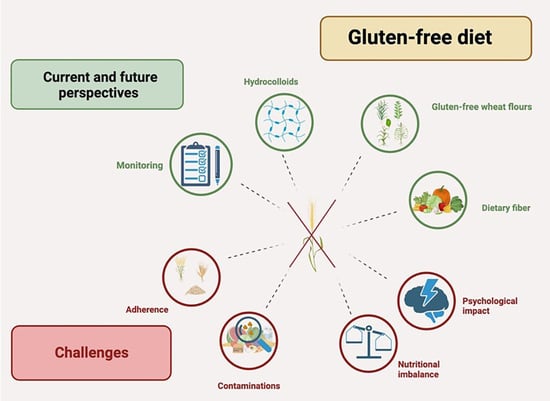
Key Highlights
- Nutritional & Functional Benefits: Marang seed flour is nutrient-rich, offering proteins, fibers, and essential minerals which support health and improve baked good texture.
- Preparation and Processing: The flour is produced by drying, boiling or toasting, peeling, and grinding raw seeds into a fine powder, ensuring maximum flavor and quality.
- Usage in Gluten-Free Recipes: Incorporate it as a percentage of a blend with other gluten-free flours, adjusting liquids and binding agents to achieve optimum consistency and taste.
Introduction to Marang Seed Flour
Marang seed flour, derived from the seeds of the Artocarpus odoratissimus fruit, represents an innovative alternative for those seeking gluten-free options. As interest in gluten-free diets increases, both for health concerns such as celiac disease and for general nutritional benefits, alternative flours offer exciting opportunities. Among these, marang seed flour stands out due to its impressive nutritional content and functional properties.
Nutritional and Functional Advantages
One of the primary reasons for turning to alternative flours like marang seed flour in gluten-free baking is its nutritional profile. Rich in carbohydrates, proteins, and dietary fibers, marang seed flour also provides a noteworthy amount of essential minerals such as potassium, magnesium, calcium, and sodium. In addition, some analyses report an oil content of around 18% and protein content near 10.7% in the flour, signifying its potential to not only meet the energy needs but also contribute to a balanced intake of nutrients.
The functional properties of marang seed flour make it a viable candidate for gluten-free recipes. Owing to its ability to add bulk, structure, and even unique flavor nuances, it proves beneficial when integrated into composite flour blends. The subtle nutty or earthy flavors imparted by the flour can elevate both sweet and savory items, contributing to deeper flavor profiles while supporting overall texture.
Preparation of Marang Seed Flour
The process to turn raw marang seeds into a fine and functional flour is methodical. To ensure quality and maximize both nutritional and sensory attributes, the following steps are recommended:
Step-by-Step Process
1. Sorting and Cleaning
Begin by selecting fresh, high-quality marang seeds. This initial step is critical because any impurities or damaged seeds can affect the overall quality of the flour. Rinse the seeds thoroughly to remove any residual debris.
2. Drying
Proper drying of the seeds is essential before further processing. Spread the seeds out in a well-ventilated area or use a food dehydrator. Drying can occur naturally under sunlight or through controlled methods in modern equipment to ensure that the seed moisture is reduced effectively.
3. Heat Treatment: Boiling or Toasting
After drying, the seeds must undergo heat treatment. There are two common approaches:
- Boiling: Boil the seeds in water for about 20-30 minutes. Boiling softens the outer layer, making peeling more manageable.
- Toasting: Alternatively, you can toast the seeds for roughly 10-20 minutes. Toasting not only assists in the peeling process but also enhances the nutty flavor characteristic of the flour.
4. Peeling
Once the seeds are adequately treated, remove the outer shell or peel off the skin. This step is vital, as any remaining husk can lead to a gritty texture in the final product.
5. Grinding
Finally, grind the peeled seeds into a fine and consistent flour. A high-powered grinder or mill is recommended to achieve the desired texture. Ensure that the grinding equipment is clean and dry to avoid any contamination.
Once processed, the grown flour can be used as an alternative source of gluten-free flour in various recipes or stored in an airtight container to preserve its freshness.
Integration into Gluten-Free Baking
Integrating marang seed flour into your gluten-free baking repertoire involves understanding both the unique properties of the flour and how it interacts with other ingredients. Its inclusion in recipes not only enhances the nutritional profile of baked goods but also can improve texture and contribute novel flavors, adding complexity to traditional gluten-free products.
Substitution Strategies and Recipe Adjustments
Blending with Other Gluten-Free Flours
For those new to using marang seed flour, it is advisable to blend it with other established gluten-free flours. Typically, you can substitute a small percentage of your regular blend with marang seed flour. A common recommendation is to start with a substitution rate of about 12%-25%. This initial trial helps in assessing how the flour behaves in baked goods without causing dramatic changes in texture or flavor.
Using a diverse blend of gluten-free flours not only provides versatility but also helps in achieving an optimal balance of texture and taste. For example, combining rice flour, tapioca starch, and potato starch with marang seed flour can lend a harmonious blend that leverages the best properties of each.
Adjusting Liquid Ratios
One of the challenges when using alternative flours is their different absorption rates when compared to traditional wheat flour. Marang seed flour tends to absorb more liquids, so you may need to increase the liquid content in your recipes. If standard recipes result in an overly dry dough or batter, gradually add more water, milk, or alternative liquid ingredients (such as almond or coconut milk) to achieve the desired consistency.
Incorporating Binding Agents
In gluten-free baking, binding agents play an essential role since gluten, the natural protein responsible for structure in baked goods, is absent. When integrating marang seed flour, consider adding xanthan gum, guar gum, or psyllium husk to help maintain the structural integrity of the baked product. Experiment with small quantities – say, 1 teaspoon per cup of flour blend – until you reach the ideal texture.
Testing and Refining the Formulation
Recipe development is both an art and a science. Start by testing your recipes in small batches to determine the correct ratios and ingredient interactions. Note whether the final product shows any distinct flavor, texture, or color differences. Based on your experiments, adjust either the percentage of marang seed flour or the amounts of liquid and binding agents until consistency is achieved.
Such testing might involve multiple iterations until you achieve the balance between taste, texture, moisture, and overall appearance that suits your palate.
Applications in Different Baked Goods
Marang seed flour’s functional versatility allows its integration into various types of baked goods. Below are some common applications:
Bread
In gluten-free bread, marang seed flour can contribute to both the nutritional content and crumb structure. A typical recipe might start by replacing a portion of the primary flour blend with marang seed flour. Once the dough is mixed, allow adequate time for it to develop structure with the help of binding agents. Bake at a moderate temperature and monitor moisture retention – a key factor given the increased liquid absorption of the alternative flour.
Cookies and Biscuits
Gluten-free cookies benefit from the inclusion of marang seed flour by gaining a slightly nutty flavor and improved texture. When substituting part of the flour with marang seed flour in cookie recipes, ensure that the dough is well-bound. The nutty undertones can complement ingredients like chocolate chips, nuts, or citrus zest. Adjusting the complementing blend of flours might be necessary to achieve the desired chewiness or crispiness.
Cakes and Muffins
Although used less frequently in light baked goods such as cakes and muffins, marang seed flour can be integrated as a supplementary ingredient. Its inclusion can improve nutritional density without overly compromising the soft texture that these items require. A careful balance is needed, as too high an incorporation rate might result in a denser product. Consider using it in tandem with flours known for their lightness, such as almond or coconut flour.
Other Flour-Based Products
Beyond the traditional bakery items, marang seed flour can be used in the formulation of crackers, flatbreads, and even certain pasta alternatives. In these products, its strong binding properties and nutritional boost can be valuable, especially when targeting health-conscious consumers or those with dietary restrictions.
Developing a Sample Gluten-Free Flour Blend
Experimenting with different ratios is an excellent way to understand the full potential of marang seed flour. Below is an example of a gluten-free flour blend that incorporates marang seed flour. This blend is designed to balance structure, flavor, and moisture needs:
Example Recipe Table
| Ingredient | Quantity |
|---|---|
| White Rice Flour | 1 cup |
| Potato Starch | 1/2 cup |
| Tapioca Starch | 1/4 cup |
| Marang Seed Flour | 1/4 cup |
| Xanthan Gum (or Other Binder) | 1 tsp (optional) |
To use this blend, mix all the flours and binding agents thoroughly. Store the blend in an airtight container to maintain freshness. When using the blend, monitor the dough or batter consistency and adjust liquids accordingly. This table provides a starting point – further customization based on taste, texture, and product type might be necessary.
Practical Tips for Successful Integration
The transition to incorporating marang seed flour requires attentiveness to both recipe formulation and the intrinsic properties of the flour. Following these practical tips can help ensure successful results:
Considerations for Consistency and Texture
Because alternative flours often behave differently than wheat-based flours, it is important to monitor the consistency of your dough or batter closely. Marang seed flour tends to have a higher liquid absorption rate, so allow time for the flour to hydrate properly. If the dough appears too stiff or dry, slowly add extra liquid until a workable consistency is reached.
Additionally, be aware that the texture of the final product may be slightly denser or have a more granular quality compared to traditional flours. Adapting recipes by increasing the proportion of leavening agents (like baking soda or baking powder) can help lighten the final product.
Flavor Profile and Enhancements
The flavor of marang seed flour is often described as nutty and earthy, which can provide a unique depth to your baked creations. When used in cookies, bread, or cakes, it might impart a flavor more complex than that of conventional flours. To balance or highlight these flavor notes, combine the flour with complementary ingredients such as spices, citrus zest, or nuts.
It is also beneficial to consider the overall flavor profile of your recipe. For example, if the inherent taste of marang seed flour is too pronounced, reducing its percentage in the overall blend or pairing it with milder flavored flours can create a harmonious balance.
Scaling Up and Commercial Considerations
For those interested in scaling up marang seed flour for commercial gluten-free baking, understanding the flour’s performance at larger volumes is crucial. Consistency in processing, including the uniformity of drying, heat treatment, and grinding, directly impacts the quality and performance in recipes. Commercial bakers should consider sourcing standardized batches of seeds and ensuring meticulous processing to deliver consistent results.
Additionally, consider collaborating with nutrition experts to highlight the nutritional enhancements that marang seed flour provides over traditional gluten-free flours. This can serve as a powerful marketing tool in an increasingly health-conscious market.
Experimentation and Recipe Development
The journey of integrating marang seed flour into gluten-free baking is largely experimental. Small-scale testing allows you to evaluate its performance in various recipes before wider adoption. Always document your experiments – note changes in liquid, binding agents, and the percentage of seed flour used – to create a reference for future batches.
Experiment with different baked goods ranging from bread to cookies, cakes, and even savory items. Over time, these incremental adjustments lead to a refined understanding of the flour’s potential in enhancing traditional recipes.
Safety and Quality Assurance
As with any alternative ingredient, quality assurance is paramount. Ensure that the seeds are free of contaminants by sourcing them from reputable suppliers. Maintain strict hygiene standards during processing to avoid cross-contamination. Furthermore, routinely test the moisture and protein content of the resulting flour to guarantee that it meets the expected specifications.
In a commercial setting, consider periodic laboratory analyses to affirm the nutritional profile and consistency of your product. These practices not only contribute to the safety and reliability of the final baked goods but also build consumer trust.
Advanced Considerations and Innovations
Looking beyond basic integration, the future of marang seed flour in gluten-free baking may see further innovations. Combining traditional baking techniques with modern food technology could lead to new and exciting applications. Research into enzymatic treatments or fermentation processes might further improve the functional properties of the flour, thereby expanding its potential in both flavor enhancement and texture improvement.
Additionally, the exploration of composite flour formulations that incorporate marang seed flour alongside other functional ingredients can yield products designed for specific dietary needs. For example, the development of nutraceuticals or enriched gluten-free snacks may benefit from the synergistic effects of combining multiple nutrient-dense ingredients.
Experimental research has also indicated that the unique fatty acid profile and mineral content of marang seed flour can interact positively with other naturally gluten-free ingredients, leading to baked goods that not only meet dietary requirements but also offer improved sensory appeal and shelf stability.
Optimizing Baking Parameters
Wariness of the changes in baking parameters when using alternative flours is essential. The common practice of increasing binding agents, adjusting the quantity of leavening agents, and modifying the mixing time is all critical in unlocking the full potential of compounded flour blends. For instance, a slight increase in baking soda or baking powder may be required to compensate for any additional density introduced by the marang seed flour.
Moreover, monitoring baking times and temperatures can result in improved moisture retention and overall crumb structure. A series of controlled experiments – potentially documented through graphical analyses – can help pinpoint the ideal baking conditions specific to recipes containing marang seed flour.
Conclusion and Final Thoughts
In summary, marang seed flour offers a promising, nutritious, and innovative alternative for gluten-free baking. Its rich nutritional profile – marked by high levels of protein, fiber, and essential minerals – along with its distinctive nutty flavor and functional versatility, makes it an ideal candidate for integration into a variety of baked products. By employing systematic processing methods, from careful seed selection and drying to precise heat treatment and mill grinding, you can produce a quality flour suitable for modern gluten-free recipes.
Effective integration hinges on understanding its liquid absorption characteristics and making appropriate adjustments with binding agents such as xanthan gum. Blending marang seed flour with other gluten-free flours can lead to wonderfully balanced products that meet both sensory and nutritional needs. Furthermore, the experimental nature of its adoption encourages continuous refinement and innovation, ultimately leading to optimized recipes that cater not only to those avoiding gluten but also to consumers looking for enriched, healthful alternatives in their baked goods.
Whether you are a home baker exploring new recipes or a commercial entity looking to innovate within the gluten-free market, marang seed flour represents a bridge between traditional nutrition and modern culinary innovation. With comprehensive testing and refinement, this alternative flour can enhance texture, flavor, and nutritional value while offering a unique perspective on gluten-free baking.
References
- Marang Seeds as an Alternative Source of Commercial Flour – Pearlast
- Marang Seed Flour in Composite Formulations – Wiley Online Library
- Marang Seed Flour Applications – Poypakis Blog
- Tips for Gluten-Free Baking – Bob's Red Mill
Recommended Queries
 poypakis.blogspot.com
 pearlast.wordpress.com
Last updated February 22, 2025