
Marco Rubio's Multifaceted Roles in the Trump Administration
A Deep Dive into the Responsibilities of the Secretary of State and More
Key Insights into Marco Rubio's Current Positions
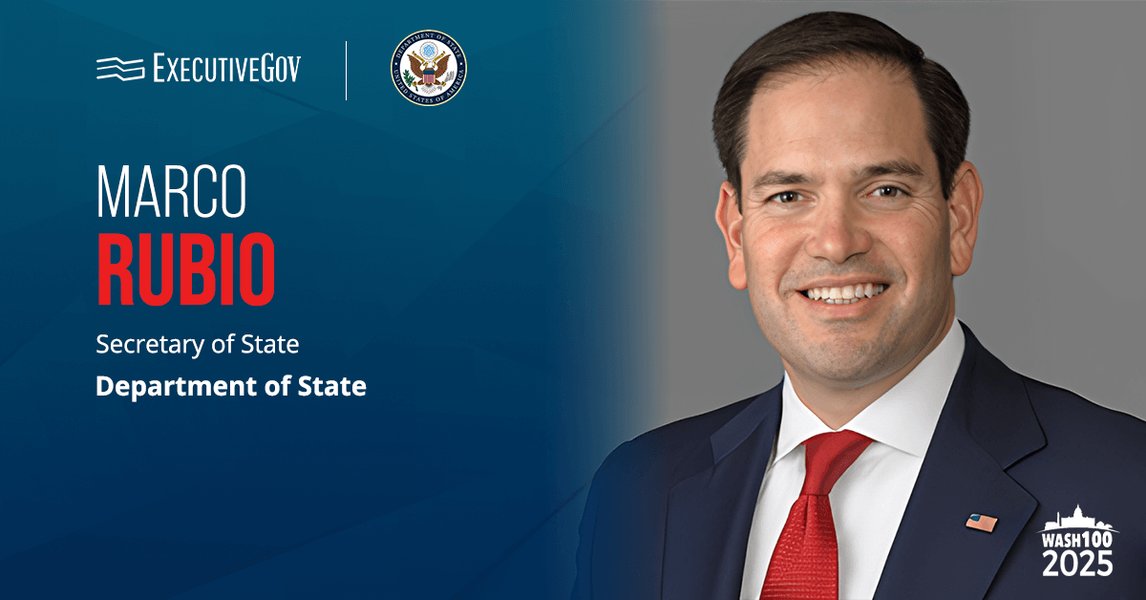
- Secretary of State: Marco Rubio was unanimously confirmed as the 72nd U.S. Secretary of State, a pivotal role in shaping and executing American foreign policy.
- Multiple Acting Roles: In addition to his confirmed position, Rubio is concurrently serving as the acting National Security Adviser, acting Administrator of USAID, and acting Archivist of the United States.
- Expanding Influence: Rubio's accumulation of multiple high-level positions signifies a significant expansion of his influence within the Trump administration and highlights the President's increasing trust in him.
Understanding Marco Rubio's Primary Role: Secretary of State
Marco Rubio, born in Miami, Florida, in 1971, the son of Cuban immigrants, has had a distinguished career in public service, culminating in his appointment as the 72nd United States Secretary of State. This position, historically held by figures like Thomas Jefferson, is the chief foreign affairs adviser to the President and is responsible for the direction, coordination, and supervision of U.S. foreign relations. Rubio's background, including his tenure as a U.S. Senator from Florida and his work on the Senate Foreign Relations and Intelligence Committees, has been cited as preparation for this demanding role.
His confirmation as Secretary of State was historic, receiving a unanimous 99-0 vote in the U.S. Senate, making him the first cabinet member confirmed in the second Trump administration. As the top U.S. diplomat, Secretary Rubio is at the forefront of navigating complex international issues, negotiating treaties and agreements, and leading diplomatic efforts around the globe. His responsibilities include overseeing U.S. embassies and consulates, managing foreign aid, and advocating for American interests abroad. He has expressed a commitment to prioritizing America's core national interests in his foreign policy approach.
Rubio's Concurrent Acting Positions: An Unprecedented Accumulation of Power
Beyond his confirmed role as Secretary of State, Marco Rubio has taken on several other significant responsibilities within the Trump administration on an acting basis. This accumulation of high-profile titles is notable and reflects a growing reliance on Rubio by President Trump.
Acting National Security Adviser
Following the departure of Mike Waltz, Marco Rubio was named the interim National Security Adviser. This role is critical for coordinating all executive branch efforts on national security matters and providing the President with advice on foreign policy and national security. Serving simultaneously as Secretary of State and National Security Adviser is a rare occurrence, historically associated with figures like Henry Kissinger. This dual role places Rubio in a central position to shape both the diplomatic strategy and the security posture of the United States.
The expectation is that Rubio will serve in this dual capacity for a minimum of six months, with some speculation about the arrangement becoming permanent. This requires him to juggle the demands of leading the State Department with the need to integrate and coordinate the diverse perspectives and actions of the various agencies involved in national security.
This video discusses Marco Rubio's dual role as Secretary of State and interim National Security Adviser.
Acting Administrator of USAID
In addition to his State Department duties, Rubio is also serving as the acting Administrator of the U.S. Agency for International Development (USAID). USAID is responsible for administering civilian foreign aid and development assistance. Overseeing USAID while leading the State Department presents unique challenges, particularly amidst reports of potential restructuring and significant changes within the agency.
Rubio's role involves directing the agency's efforts to promote global development, provide humanitarian assistance, and advance U.S. foreign policy objectives through aid programs. This adds another layer of complexity to his portfolio, requiring him to manage a large organization with a broad global reach.
Acting Archivist of the United States
Furthermore, Marco Rubio is serving as the acting Archivist of the United States. The Archivist is the head of the National Archives and Records Administration (NARA), responsible for preserving and providing access to the permanent records of the U.S. government. This role involves overseeing the management of historical documents, including those from presidential administrations.
Serving as both USAID Administrator and Archivist has raised questions regarding potential conflicts of interest, particularly concerning the handling and preservation of records during a period of significant change at USAID. This position adds an oversight responsibility related to government transparency and historical accountability to Rubio's already extensive list of duties.
The Significance of Rubio's Multiple Roles
Marco Rubio's simultaneous service in these four high-level positions—Secretary of State, acting National Security Adviser, acting Administrator of USAID, and acting Archivist of the United States—is an unusual concentration of power and responsibility. It highlights the trust President Trump has placed in him and positions Rubio as a central figure in shaping and executing the administration's foreign and domestic policies.
This arrangement allows for potentially more streamlined decision-making and coordination across these critical areas. However, it also raises questions about the workload and the potential for conflicts of interest, particularly in roles that involve both policy execution and oversight. Rubio's ability to effectively manage these diverse responsibilities will be a key factor in the administration's success in these areas.
Marco Rubio speaking at an event.
Background and Political Journey
Marco Rubio's political career began in Florida, where he served in the Florida House of Representatives, eventually becoming Speaker. He was elected to the United States Senate in 2010, representing Florida until 2025. During his time in the Senate, he was a member of key committees, including the Senate Foreign Relations Committee and the Senate Intelligence Committee, which provided him with significant experience in foreign policy and national security matters.
Despite a contentious relationship with Donald Trump during the 2016 Republican presidential primary, Rubio has since become a trusted ally. His shift from a one-time critic to a key figure in the Trump administration underscores his adaptability and strategic positioning within the Republican party. His policy positions have evolved, aligning more closely with the "America First" foreign policy approach favored by President Trump.
Early Life and Education
Born on May 28, 1971, in Miami, Florida, Marco Rubio is the son of Cuban immigrants who came to the United States before the Cuban Revolution. He often speaks about his parents' journey and the opportunities the United States provided. He earned a Bachelor of Science degree from the University of Florida and a Juris Doctor from the University of Miami School of Law.
Senate Tenure and Key Legislation
During his tenure in the Senate from 2011 to 2025, Rubio was involved in significant legislative efforts. He co-led the Hong Kong Human Rights and Democracy Act and the VERDAD Act, and wrote and passed the Uyghur Forced Labor Prevention Act, demonstrating his focus on human rights and foreign policy, particularly concerning China and Cuba. He also worked on issues such as expanding the child tax credit and reforming the VA system.
Policy Perspectives and Priorities
As Secretary of State and in his other roles, Marco Rubio's policy perspectives are central to the administration's approach to both foreign and domestic issues. His positions reflect a conservative viewpoint, informed by his background and experiences.
Foreign Policy Stance
Rubio has consistently advocated for a strong American presence on the global stage, although his approach has evolved to align with the Trump administration's "America First" philosophy. He has been a vocal critic of authoritarian regimes, particularly in Cuba and Venezuela, and has supported efforts to promote democracy and human rights. His work on legislation related to China highlights a focus on countering perceived threats from Beijing.
His role as Secretary of State involves implementing the President's foreign policy agenda, which includes renegotiating international agreements, addressing global conflicts, and managing relationships with allies and adversaries. His concurrent role as National Security Adviser further enhances his influence in shaping this agenda.
Domestic Policy Interests
While his current roles are primarily focused on foreign affairs and national security, Rubio has also been involved in domestic policy discussions throughout his career. His past legislative efforts on issues like the child tax credit and veterans affairs demonstrate an interest in domestic concerns, although his current positions place a greater emphasis on international matters.
Table of Marco Rubio's Current Roles
To provide a clear overview of Marco Rubio's current responsibilities, the following table summarizes his key roles and their primary areas of focus:
| Role | Appointment Status | Primary Responsibilities |
|---|---|---|
| Secretary of State | Confirmed | Chief foreign affairs adviser, head of the State Department, oversees diplomacy and foreign relations. |
| National Security Adviser | Acting/Interim | Coordinates national security policy, advises the President on security matters. |
| Administrator of USAID | Acting | Manages U.S. foreign aid and international development programs. |
| Archivist of the United States | Acting | Oversees the National Archives and Records Administration, responsible for government records. |
Challenges and Perspectives
Serving in multiple high-level positions concurrently presents significant challenges. The sheer workload and the need to effectively manage diverse teams and priorities require exceptional organizational and leadership skills. Furthermore, the potential for conflicts of interest, particularly in roles involving both program implementation and oversight, has been noted by various groups.
Rubio's supporters point to his experience and his alignment with the President's vision as assets in these roles. They argue that his multifaceted responsibilities allow for better coordination and a more cohesive approach to governance. Critics, however, express concerns about the concentration of power and the potential for diminished effectiveness due to the demands of juggling multiple complex jobs.
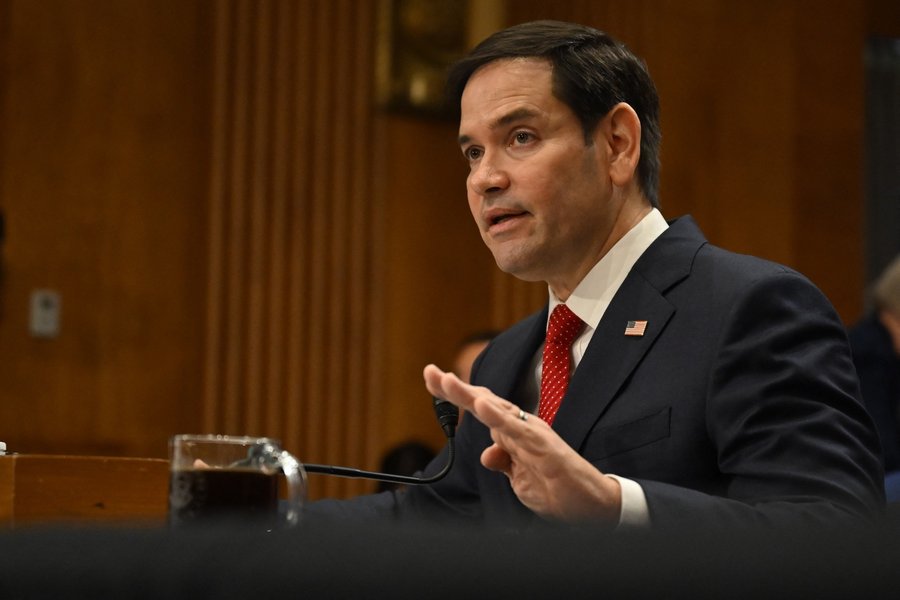
Marco Rubio being sworn in as Secretary of State.
Frequently Asked Questions about Marco Rubio's Roles
What is Marco Rubio's primary confirmed role in the current administration?
Marco Rubio's primary confirmed role is the 72nd United States Secretary of State.
What other significant roles is Marco Rubio currently holding on an acting basis?
In addition to Secretary of State, Marco Rubio is concurrently serving as the acting National Security Adviser, acting Administrator of USAID, and acting Archivist of the United States.
How long is Marco Rubio expected to serve as the interim National Security Adviser?
Marco Rubio is expected to serve as the interim National Security Adviser for a minimum of six months, with the possibility of the arrangement becoming permanent.
What is the significance of Marco Rubio holding multiple high-level positions simultaneously?
The accumulation of multiple high-level positions signifies President Trump's increasing trust in Marco Rubio and gives Rubio significant influence in shaping and executing foreign policy, national security, foreign aid, and government records management.
What was Marco Rubio's political background before becoming Secretary of State?
Before becoming Secretary of State, Marco Rubio served as a U.S. Senator from Florida from 2011 to 2025, and prior to that, he served in the Florida House of Representatives, including as Speaker.
References
Last updated May 3, 2025