
Institutional Reforms for Effective Marine Governance in Small Island States
Exploring comprehensive strategies to strengthen sustainable ocean management in SIDS
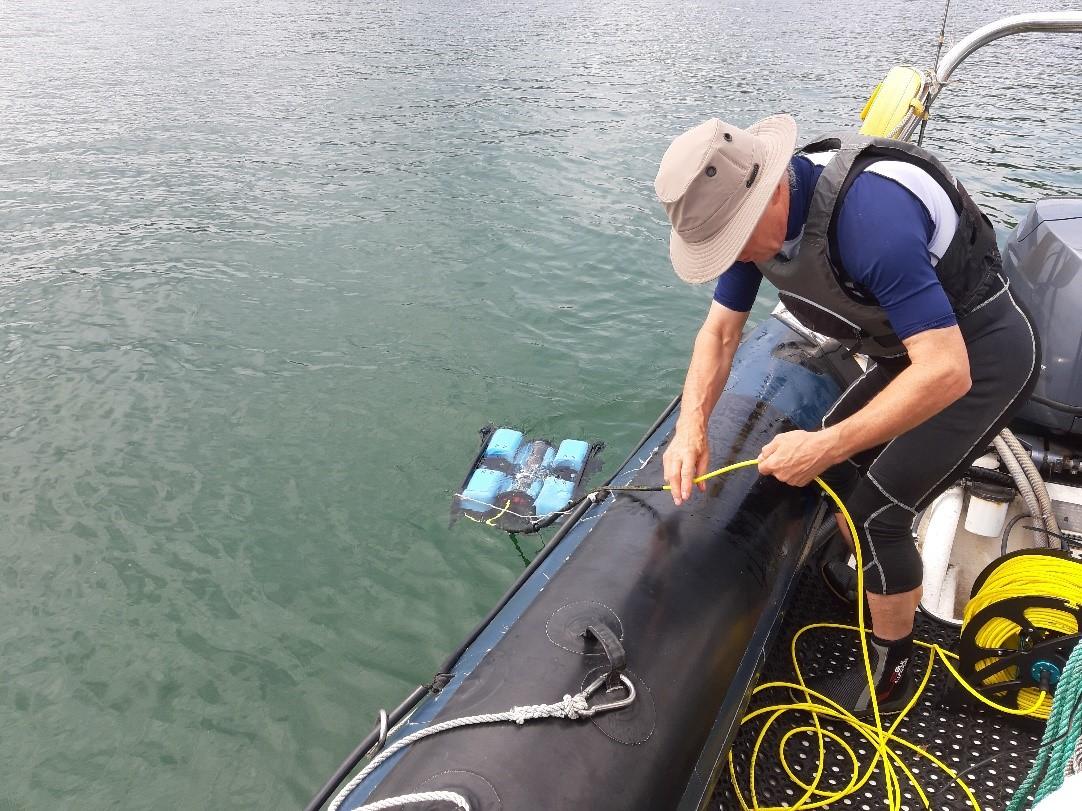
Key Highlights
- Institutional Strengthening: Legislative reforms, capacity building, and participatory approaches integrate local knowledge and international best practices.
- Climate and Environmental Focus: Adaptation measures, resilient infrastructure and science-based policies are critical to counter climate change impacts.
- Integrated Frameworks: Cross-sector collaboration, innovative financing, and technology integration enhance marine monitoring and enforcement.
Overview of Challenges and Reforms
Small Island Developing States (SIDS) face unique obstacles in managing and governing their extensive marine territories. Being highly vulnerable to climatic shifts, these states contend with issues such as rising sea levels, extreme weather patterns, and overexploitation of ocean resources. A robust system of institutional reforms becomes imperative to not only conserve the marine ecosystems but also to sustain economic growth and cultural identity.
Challenges in Marine Governance
Environmental Complexity
The marine environments in SIDS are characterized by vast, diverse ecosystems that require nuanced management. Overlapping legislation and fragmented governance processes often hinder coordinated action. In many instances, there is a lack of a unified legal framework to integrate national policies with international guidelines, making enforcement and compliance challenging.
Institutional Limitations
Institutional capacity is commonly constrained by limited financial and human resources. This restricts effective monitoring, data collection, and evaluation of marine policies. Strengthening these institutions necessitates a comprehensive approach to capacity building and resource allocation, crucial for ensuring that marine governance is both proactive and adaptable.
Climate Change and External Shocks
SIDS are on the frontline of climate change. Increasing sea levels, coral bleaching, ocean acidification, and unpredictable weather patterns heighten the vulnerabilities of these states. Such shifts demand that governance structures integrate disaster risk reduction and climate change adaptation strategies into their operational frameworks.
Institutional Reforms for Effective Marine Governance
Addressing the multifaceted challenges of marine governance in SIDS requires a set of integrated institutional reforms. These reforms span legal, administrative, technical, and community domains. The primary objective is to establish transparent, accountable, and adaptive governance systems capable of managing marine resources sustainably.
Legislative and Policy Reforms
Strengthening Legal Frameworks
A cornerstone for effective marine governance is the creation and enforcement of robust legal frameworks. SIDS must update and consolidate their environmental and resource management laws to ensure consistency with international standards. This includes:
- Harmonization of domestic policies with global treaties and conventions.
- Enactment of clear legislation that delineates jurisdiction over extensive maritime zones.
- Enforcement measures that assure compliance by stakeholders ranging from local communities to international vessels.
Policy Integration and Management
Effective governance also depends on integrated policy frameworks. These strategies should merge environmental protection with economic development and social inclusion. For instance, aligning marine policies with strategies for climate adaptation and disaster risk reduction not only safeguards the environment but also builds resilient coastal communities.
Institutional Strengthening and Capacity Building
Enhancing Institutional Capacity
Many SIDS face resource constraints that limit their ability to manage marine protection effectively. It is essential to invest in:
- Comprehensive training programs for government officials, community leaders, and enforcement agencies focused on sustainable practices and marine management.
- Technological tools like satellite tracking and mobile applications for improved resource monitoring and data analysis.
- Modernizing infrastructure for marine monitoring and early warning systems against natural disasters.
Building capacity within government agencies and research institutions supports effective policy development and enhances local self-reliance. This also ensures faster and more accurate responses to marine-related emergencies.
Participatory Governance and Community Involvement
Engaging local communities in decision-making processes is indispensable for successful governance. Limited state capacity can be supplemented by:
- Bottom-up approaches that include indigenous knowledge and community-based management practices.
- Setting up co-management regimes where local residents, fishers, and local experts play an active role in managing marine protected areas (MPAs).
- Incorporating traditional ecological knowledge to design adaptive governance measures that reflect local needs and practices.
Integration of Science, Technology, and International Cooperation
Science-Based Policy Making
Scientific research is vital for shaping evidence-based policies that provide a clear understanding of complex marine ecosystems. Strategies include:
- Using cutting-edge research and continuous monitoring to inform policy revisions and updates.
- Establishing research institutions and partnerships with international bodies for data sharing and technology transfer.
- Developing regulatory frameworks that incorporate current empirical research.
Technological Advancements
The digital era provides numerous opportunities to integrate technology into marine governance:
- Utilizing remote sensing, geographic information systems (GIS), and satellite imagery to monitor marine health and illegal activities.
- Implementing advanced data analytics to evaluate trends in marine biodiversity and ecosystem health.
- Leveraging mobile technology for real-time reporting of environmental incidents and facilitating community engagement.
International Partnerships and Collaboration
Collaboration at the international level is equally crucial. SIDS benefit from:
- Partnering with regional organizations and global institutions to secure financial and technical assistance.
- Participating in international treaties, such as the High Seas Treaty, to promote equitable management of marine genetic resources and biodiversity.
- Exchanging best practices and case studies with other nations to continuously refine and implement effective governance practices.
Bridging Policy with Practice: A Comprehensive Table
The following table summarizes the key components required to implement institutional reforms for marine governance in SIDS efficiently:
| Component | Strategy | Expected Outcomes |
|---|---|---|
| Legislative Framework |
|
|
| Institutional Strengthening |
|
|
| Community Engagement |
|
|
| Science and Technology |
|
|
| International Cooperation |
|
|
Financial and Technological Innovations
Innovative Financing Mechanisms
Sustainable marine governance requires consistent funding sources. Traditional financing approaches may be inadequate given the unique challenges in SIDS. Innovative financing includes:
- Public-private partnerships that channel investments into coastal conservation.
- Utilization of blue bonds and other ocean-related finance instruments which allow governments to leverage the economic potential of marine resources.
- Grants and technical support from international organizations focused on environmental sustainability and climate resilience.
Integrating these financial models ensures long-term viability of marine governance infrastructures, allowing states to invest in technology, capacity building, and regulatory enforcement.
Leveraging Technology for Governance
Technology plays a pivotal role in modernizing marine management frameworks. SIDS are increasingly adopting digital solutions to address various challenges:
- Implementing mobile applications to report illegal activities, track vessel movements, and facilitate community participation.
- Using satellite imagery and oceanographic sensors to monitor ecosystem health and capture accurate environmental data.
- Integrating artificial intelligence and big data to analyze patterns, predict risks, and optimize resource management strategies.
The integration of these technologies not only enhances transparency and efficiency in marine governance but also fosters trust among stakeholders by providing reliable, data-driven insights.
Collaborative and Inclusive Governance
Promoting Cross-Sector Collaboration
Effective marine governance is inherently interdisciplinary. To truly safeguard marine ecosystems, SIDS need to foster collaboration among:
- Government agencies working in environmental management, fisheries, and disaster response.
- Research institutions and universities that provide scientific insights and innovations.
- Non-governmental organizations (NGOs) and international bodies that offer ground-level perspectives and support mechanisms.
Establishing inter-agency committees and regular stakeholder forums ensures that policies adapt to emerging challenges and incorporate multifaceted perspectives. Such collaboration also helps in balancing conservation with socio-economic needs, ensuring that marine governance translates into tangible benefits for local communities.
Enhancing Community Involvement
Direct participation of indigenous communities and local stakeholders in marine management has proven to enhance legitimacy and compliance with regulatory policies. This approach:
- Builds local resilience by aligning development practices with traditional knowledge and cultural values.
- Create avenues for benefit-sharing ensuring economic incentives for sustainable practices.
- Fosters a sense of ownership and responsibility towards marine resources, making enforcement more community-driven.
Such inclusive governance strategies ensure that institutional reforms are not only top-down but are reinforced by grassroots participation, thereby ensuring sustainability and adaptability of marine management efforts.
Monitoring, Evaluation, and Adaptive Management
Rigorous Monitoring and Evaluation
Effective governance of marine resources in SIDS demands continuous monitoring coupled with adaptive management strategies. Institutional reforms should include:
- Establishing clear indicators for success in marine conservation and governance practices.
- Implementing regular assessments and audits to track the effectiveness of policies and regulatory frameworks.
- Creating feedback mechanisms allowing for rapid adjustments to policies based on emerging environmental data.
Adaptive Management for Future Resilience
Adaptive management is critical in an era where climate patterns and environmental conditions are rapidly evolving. Policy frameworks must be flexible enough to incorporate new scientific findings and technological advancements. This adaptability is achieved by:
- Establishing protocols that enable policy adjustments in response to both short-term and long-term environmental changes.
- Incorporating stakeholder feedback and scientific data into regular policy reviews.
- Developing contingency plans and emergency response strategies to deal with extreme weather events and natural disasters.
References
- China's marine governance reshuffle, three years on - Dialogue Earth
- Good governance for sustainable blue economy in small islands: Lessons - Frontiers in Political Science
-
Environmental governance in small island developing states - Taylor & Francis
- Fostering effective international collaboration for marine science in small island states - Frontiers in Marine Science
-
Policies for potentially inundated island nations for the retention of marine resources - ScienceDirect
Recommended Related Queries
Last updated March 10, 2025