
Chapter 1: Introduction
Exploring Innovative Approaches in Maritime Education
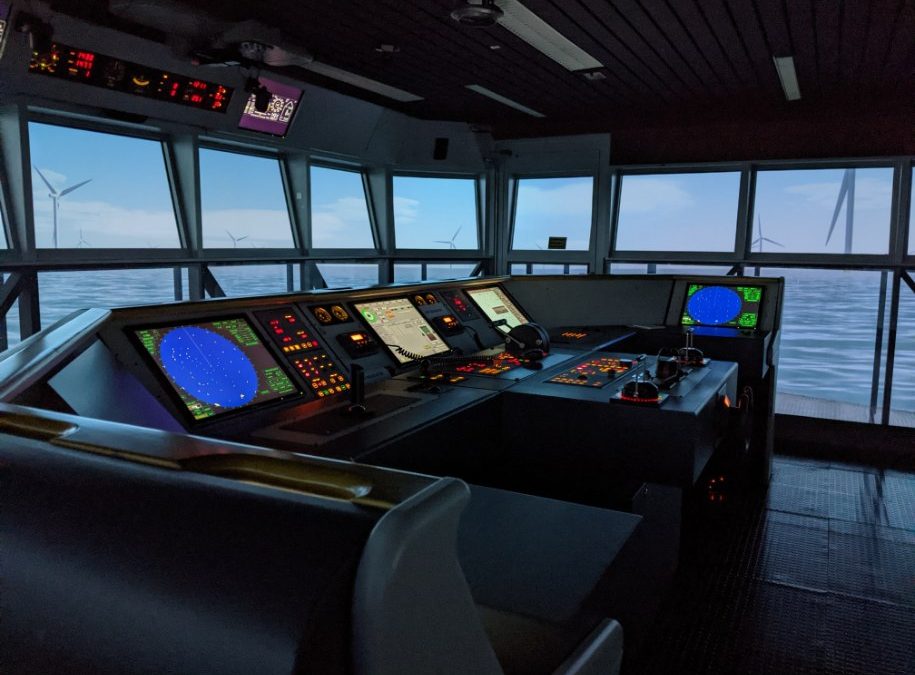
Key Highlights
- Modern vs. Traditional Methods: Detailed comparison of laboratory equipment and paper-based approaches.
- Practice and Theory: Emphasis on how hands-on experiences enhance student learning versus traditional theoretical methods.
- Empirical Insights: Inclusion of research citations to support education reform in maritime training.
Background of the Study
Maritime education is at the heart of cultivating competent seafarers who are equipped with both theoretical knowledge and practical skills. With a global economy increasingly reliant on efficient maritime operations, the need for high-quality training has never been more evident. Traditionally, maritime education has predominantly utilized paper-based approaches that focus on delivering theoretical content through lectures, textbooks, and written assignments. However, recent technological advancements have introduced laboratory equipment, simulation-based training, and other digital tools that provide students with immersive, hands-on experiences.
In this study, the emphasis is placed on evaluating the efficacy of two distinct teaching methodologies: laboratory equipment-based instruction and paper-based approaches. While paper-based methods have a long-established history for transferring theoretical concepts, laboratory equipment offers the opportunity to simulate real-life maritime situations, thereby enhancing the practical skills critical for navigating and operating modern maritime vessels. The evolution of learning technologies, especially fueled by global events that stressed the importance of remote and practical education, has led educators to question whether traditional methods remain sufficient for training tomorrow’s maritime professionals.
Several studies have underscored the benefits of hands-on, experiential learning. For instance, research by Tatli and Ayas (2013) highlights that simulation-based learning environments typically augment a student’s understanding beyond what is achieved through traditional reading materials. Similarly, findings by Sypsas and Kalles (2018) indicate that the integration of virtual laboratory settings not only improves learning outcomes but also better prepares students to face real-life operational challenges. This juxtaposition underlines the necessity to empirically evaluate these two educational models to determine their respective impacts on learning outcomes in maritime education.
Statement of the Problem
Despite the recognition of both traditional and modern teaching methodologies in maritime education, there exists a significant gap in comparative research regarding their effectiveness in producing competent practitioners. This study is designed to address the following key issues:
- To determine the extent to which laboratory equipment enhances practical skills and overall learning outcomes in comparison to conventional paper-based methods.
- To explore whether the hands-on experiences provided by laboratory settings lead to improved retention of complex maritime operational concepts.
- To assess the level of student engagement and comprehension achieved through a laboratory-based approach versus paper-based learning.
The central research question guiding this investigation is: “How does the use of laboratory equipment compare to paper-based approaches in terms of improving learning outcomes among maritime students?” Answering this question is vital, as it could inform curriculum development, optimize training protocols, and potentially lead to safer and more efficient maritime operations.
Significance of the Problem
Evaluating the effectiveness of laboratory equipment versus paper-based approaches is fundamentally important for multiple stakeholders within maritime education. First and foremost, educators and curriculum developers can utilize the findings to implement teaching methods that bridge the gap between theoretical learning and practical application. The implications of such a study extend to:
- Enhanced Training Procedures: A better understanding of which method improves practical competency can lead to significant improvements in training procedures, thereby producing more skilled maritime professionals.
- Resource Optimization: With insights into the efficacy of each approach, educational institutions can make more informed decisions regarding investments in laboratory facilities, simulation tools, and traditional instructional materials.
- Policy Formulation: The research may influence policy decisions at both institutional and governmental levels by providing evidence-based recommendations on optimal teaching practices in maritime education.
- Safety and Operational Efficiency: Ultimately, better-trained maritime professionals contribute directly to enhanced safety measures and operational efficiency in the maritime industry, which is critical given the high stakes of maritime operations.
Several studies have highlighted the importance of practical competencies in maritime settings. For example, the work of Chan et al. (2021) strongly supports the notion that hands-on laboratory experiences contribute to improved safety and operational performance, a sentiment echoed by Smith et al. (2022) who argue that simulation-based training can lead to better preparedness for real-life scenarios. The outcomes of this study thus have the potential to guide future pedagogical strategies in maritime education, providing a framework that integrates both theoretical knowledge and practical skills effectively.
Scope and Delimitation
This research focuses on comparing two distinct instructional methodologies within maritime educational programs: the use of laboratory equipment and traditional paper-based approaches. The study is specifically designed to assess the effectiveness of these methods in promoting favorable learning outcomes among maritime students. The key delimitations of this research include:
- Target Population: Maritime students enrolled in specialized training programs at accredited maritime academies. The study will compare outcomes among cohorts experiencing predominantly lab-based training versus those utilizing traditional paper-based methods.
- Geographic Focus: The research is limited to selected maritime academies within a defined geographic region to maintain a controlled study environment and ensure consistency in instructional quality.
- Instructional Methods: The focus will be strictly on the two specified teaching approaches. Although blended learning and online platforms are relevant, these are excluded from this study to maintain clarity in comparing hands-on versus paper-based instructions.
- Learning Outcomes: Evaluation metrics will center on student comprehension, retention, and application of core maritime competencies. Other factors such as instructor quality and auxiliary resources, while significant, fall outside the primary scope of this investigation.
By clearly establishing these boundaries, the study aims to maintain a concentrated and rigorous analysis, ensuring that the findings are both reliable and applicable to the core issues in maritime education.
Definition of Terms
To ensure clarity and avoid ambiguity, the following terms are defined as they are used within the context of this study:
Maritime Education
Refers to the specialized instructional programs aimed at equipping students with the knowledge and skills necessary for careers in the maritime industry. This includes theoretical instruction, hands-on practical training, and the development of operational competencies.
Laboratory Equipment
Encompasses specialized tools, simulators, and technological devices designed to simulate maritime operations. These include ship handling simulators, engine room simulators, navigation equipment, and other apparatus that facilitate experiential learning.
Paper-Based Approaches
Involves traditional instructional methods that primarily utilize printed materials such as textbooks, worksheets, and written assignments. These methods emphasize the transmission of theoretical content rather than hands-on, experiential learning.
Learning Outcomes
Describes the competencies, skills, knowledge, and attitudes acquired by students as a result of the educational processes. In maritime education, these outcomes typically include practical operational capabilities, safety proficiency, and comprehensive theoretical understanding.
Supplementary Analysis
Comparative Evaluation Table
| Aspect | Laboratory Equipment | Paper-Based Approaches |
|---|---|---|
| Nature of Learning | Experiential, hands-on practice | Theoretical and conceptual |
| Student Engagement | High due to simulation and interactive experiences | Moderate with traditional lectures |
| Skill Development | Enhanced practical skills and real-life application | Focused on conceptual understanding |
| Resource Investment | Requires significant investment in technology and facilities | Typically lower cost and easier implementation |
| Effectiveness in Assessment | Better at measuring practical competencies | Effective in evaluating theoretical knowledge |
This table summarizes the key differences between the two approaches while providing a clear visual representation of their respective strengths and limitations.
References
-
NCBI - Maritime Education Study
- Springer - Comparative Educational Methods
- Kumon - Importance of Paper-Based Learning
- Tescaglobal - Role of Lab Equipment
- Labpro Technology - Laboratory Equipment Importance
Recommended Deep-Dive Queries
Last updated March 18, 2025