
Interview Questions for Border Patrol Officers on Maritime Security
Crafting targeted inquiries to explore operational strategies and challenges
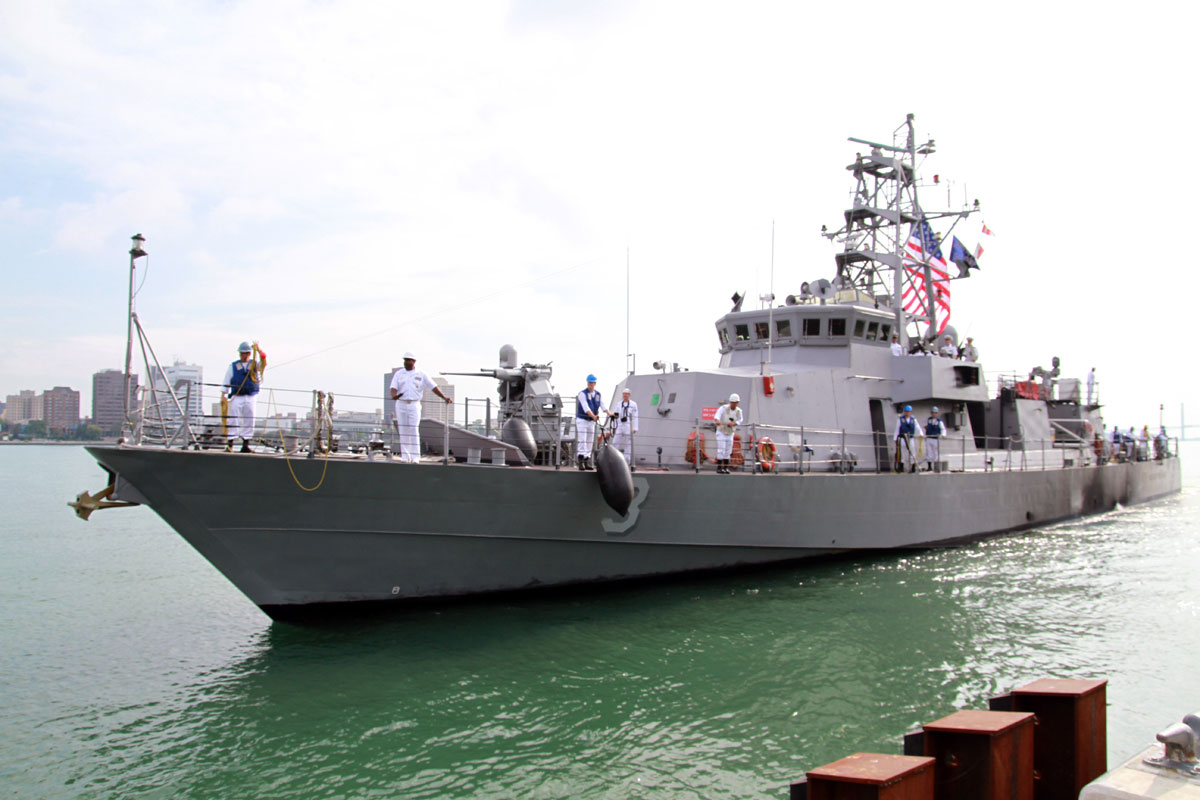
Key Insights
- Understanding Operational Challenges: Explore the daily responsibilities, resource constraints, and innovative strategies deployed to secure the vast maritime borders.
- Interagency and International Collaboration: Assess methods of engagement with local, regional, and international partners to combat transnational crimes and enforce maritime laws.
- Technology and Training: Investigate the technological aids and specialized training that equip the officers for maritime security missions.
Comprehensive Interview Framework
When interviewing law enforcement officers from the Border Patrol Unit of the Solomon Islands Royal Police Force regarding maritime security, it is essential to cover a broad array of areas. The focus ranges from operational strategies and resource management to international cooperation and legal frameworks. The following sections are structured to provide detailed insight into each of these themes.
Sections of Inquiry
1. Professional Background and Experience
Begin by gaining an understanding of the officer’s professional journey in maritime security. These questions aim at evaluating their hands-on experience, situational awareness, and how their background influences current operations.
- Can you describe your day-to-day responsibilities as a member of the Border Patrol Unit?
- What inspired you to join the Solomon Islands Royal Police Force, and specifically, the maritime security division?
- What specialized training have you received to operate effectively in maritime environments?
- Could you share an experience where you had to make split-second decisions while on duty?
- How do you adapt your skills when facing unanticipated maritime threats?
2. Operational Strategies and Challenges
Maritime security in a nation with extensive coastlines and numerous islands demands a dynamic approach. Questions in this section focus on their field operations, strategic protocols, and how they counter specific maritime threats.
- What specific maritime security protocols does your unit employ in protecting Solomon Islands’ territorial waters?
- Considering the expansive maritime borders, how do you prioritize areas requiring more rigorous surveillance?
- What are the most prevalent security challenges you encounter (e.g., smuggling, IUU fishing, piracy)?
- How do you identify and intercept suspicious vessels, and what protocols guide these actions?
- Can you elaborate on any successful operations or initiatives that have significantly enhanced maritime security?
3. Resource Management and Technological Support
Effective maritime security often relies on the judicious use of resources and advanced technologies. Inquire about the equipment and methodologies implemented to counter emerging threats along the Solomon Islands’ coasts.
- What kind of technological aids (such as radar, satellite imagery, or drones) are employed for surveillance and monitoring?
- How effective do you consider these tools in detecting potential maritime threats?
- What limitations currently exist in terms of resources or equipment, and how do these impact daily operations?
- In what ways could additional technology or training improve your unit's capacity for maritime security enforcement?
4. Legal Frameworks and Decision-Making
Understanding the legal mandates that govern maritime operations is paramount. Officers should be ready to explain the legal basis for their actions and how they resolve jurisdictional issues.
- What legal frameworks regulate maritime security within the Solomon Islands?
- How do you address situations that involve the interception of vessels under international law?
- What are the key considerations when coordinating cross-border or international maritime incidents?
- How do you ensure that your actions align with both national laws and regional maritime security agreements?
5. Interagency and International Collaboration
Maritime security is a collaborative effort involving multiple agencies and often international partners. Delve into how the Border Patrol Unit interacts with other organizations to secure the maritime domain.
- How does your unit coordinate with local agencies such as Customs, Fisheries, and Immigration to enforce maritime security?
- Can you discuss the nature of your engagements with international law enforcement agencies, including any specific collaborations with neighboring Pacific nations or countries like New Zealand and Australia?
- What role do regional initiatives play in improving overall maritime security in the Solomon Islands?
- How do joint operations and intelligence sharing enhance the effectiveness of your patrols?
- What are some success stories that highlight the benefits of interagency cooperation?
6. Environmental and Community Engagement
Besides traditional security threats, environmental concerns such as illegal dumping or trafficking of protected species are increasingly significant. Additionally, community involvement plays a crucial role in bolstering maritime security.
- How does your unit address environmental challenges within maritime patrol areas?
- Are there specific initiatives to combat illegal dumping or trafficking of endangered marine life?
- What community outreach or educational programs are employed to foster public support and vigilance?
- How does feedback from the local community influence your operational strategies?
7. Future Perspectives and Capacity Building
Forward-looking questions are essential to understand how officers view the evolution of maritime security practices. These questions explore plans for capacity building, future technological adoption, and strategic shifts.
- What improvements or advancements do you foresee in the maritime security operations of the Border Patrol Unit?
- Are there planned initiatives to upgrade training programs and equipment?
- How do you prepare for emerging threats in the maritime domain?
- What are your unit’s strategic priorities for the next five years in maintaining and enhancing maritime security?
Interview Questions Table Summary
For an at-a-glance overview, the following table summarizes the question categories, key questions, and related details that may be used in the interview.
| Question Category | Key Questions | Details |
|---|---|---|
| Professional Background | Experience, Training, Motivation | Assess daily roles, specialized training and critical field experiences. |
| Operational Strategies | Protocols, Surveillance Techniques | Explore field protocols, identification of threats, and strategies to intercept suspicious vessels. |
| Resource Management | Technology, Equipment Use | Discuss the use of satellite imaging, radars, drones and resource challenges. |
| Legal Frameworks | Compliance, Jurisdiction | Review legal guidelines that inform operational decisions and international law adherence. |
| Interagency Collaboration | Local and International Cooperation | Examine relationships with other agencies and joint operations with international partners. |
| Environmental & Community Engagement | Public Involvement, Environmental Protection | Discuss strategies to integrate community feedback and tackle environmental threats. |
| Future Strategies | Capacity Building, Future Plans | Assess plans for technological upgrades, improved training, and long-term maritime security strategies. |
Elaborating on Key Themes
Operational and Strategic Considerations
The significance of operational strategies in maritime security cannot be overstated. With the Solomon Islands facing challenges stemming from its extensive and fragmented water boundaries, it is crucial to analyze how the Border Patrol Unit adapts its daily operations to these unique conditions. Officers often describe their routines as both challenging and dynamic—balancing vigilance across numerous islands and monitoring the vast Exclusive Economic Zone (EEZ). Interview questions that focus on daily operations can unveil details about coordination, use of real-time intelligence, and how officers prioritize threats.
Interviewers can gather insight into tactical decisions made on board patrol vessels, highlighting instances where rapid decision-making was essential. Questions can also touch upon the inspection and interdiction procedures, thereby exposing how the unit integrates standard protocols with adaptive techniques when faced with unprecedented challenges.
Technology and Equipment in Maritime Patrols
In today’s digital era, technology is a cornerstone of effective maritime law enforcement. Officers can provide detailed accounts of the technological aids at their disposal. Such tools include radar systems, satellite imagery, advanced communication devices, and unmanned aerial vehicles (UAVs). Discussion of these innovations not only reflects the sophistication of modern border security measures but also reveals the constraints posed by resource limitations.
Exploring questions about the effectiveness of these tools allows interviewers to gain insight into how technology supports rapid identification of suspicious activities. Similarly, it opens a conversation about possible upgrades and additional training that might further enhance the strategic capabilities of the unit. Officers often highlight the integration of technology with traditional patrolling methods as essential to improving operational efficiency along the Solomon Islands’ complex coastlines.
Interagency and International Collaboration
Maritime security is inherently a multi-agency effort. The dialogue with Border Patrol Officers should delve into how the unit collaborates with other government bodies and international partners. Given the strategic significance of regional cooperation in the Pacific, interview queries in this domain uncover the mechanisms by which information is shared and mutually beneficial operations are coordinated.
Officers may discuss arrangements such as joint training exercises, intelligence exchanging protocols, and coordinated operations with customs, fisheries, and immigration services. The role of strong partnerships is underscored by the presence of international actors who contribute technology, training, and even joint operational frameworks aimed at tackling cross-border threats like illegal fishing, smuggling, and piracy.
Legal, Environmental, and Community Dimensions
A robust legal understanding is fundamental in maritime security. Officers should be well-versed in the national and international statutes that govern maritime patrols. This includes knowledge of jurisdictional boundaries and the legal procedures to be followed during interceptions and detentions. Interview questions that probe into these aspects can reveal how strictly protocols are adhered to and how legal challenges are managed under complex operational scenarios.
Environmental protection is closely tied to maritime security. Illegal activities such as unregulated fishing, waste dumping, and trafficking of endangered species frequently occur in these vast maritime spaces. By posing questions concerning environmental challenges, interviewers can obtain detailed responses on initiatives undertaken by the Border Patrol Unit to safeguard marine ecosystems. Additionally, community engagement initiatives not only create public awareness but also serve as supplementary eyes and ears along the coastlines.
Future Directions and Capacity Building
Looking forward, it is essential to understand the perspectives of those on the frontlines regarding capacity building and strategic growth. Officers should articulate the improvements they deem necessary, whether that’s in terms of upgraded technology, additional training, or better interagency protocols. Investigative questions that target the future direction of maritime security will provide insight into ongoing and planned investments aimed at enhancing the unit's capability.
Questions such as “What new technologies do you think would revolutionize your patrol operations?” or “How do you envision inter-agency cooperation evolving in the coming years?” help in shaping a comprehensive narrative around continuous improvement in maritime security.
Additional Considerations
The interview process must remain adaptable to emerging strategies and challenges. The overall aim is to obtain a portrayal of the dynamic balance between maintaining established protocols and adopting new approaches in a rapidly changing security landscape. Officers’ insights into past challenges and successful operations not only guide current practices but also inform future investments in training, technology, and collaborative initiatives.
It is important to note that while some questions delve into specific technical and operational details, the overarching objective is to foster a dialogue that allows interviewees to share their experiences comprehensively. This integrated approach ensures that interviewers can obtain a holistic view of the maritime security strategies employed by the Border Patrol Unit.
References
- CBP Structured Interview Flash Cards - Quizlet
- Border Patrol Agent Interview Questions - Kaplan
- Border Patrol Officer Interview Questions - Himalayas
- Border Patrol Officer Interview Questions - PrepMyCareer
- Solomon Islands RSIPF - GlobalSecurity.org
Recommended Related Queries
Last updated March 7, 2025