
Validation Workshop on Maritime Security Strategy Framework for Solomon Islands
Exploring collaborative maritime governance and security solutions
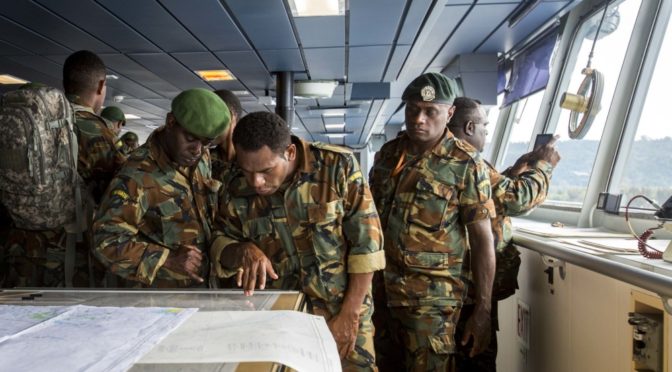
Highlights
- Comprehensive Framework Validation: A collective process to ensure that the maritime security strategy aligns with national priorities.
- Inclusive Stakeholder Engagement: Active involvement of government agencies, international partners, and civil society in strengthening maritime governance.
- Enhanced Maritime Security Measures: Addressing challenges such as illegal fishing, piracy, and transnational crime through measured strategies.
Background and Context
The Solomon Islands, an archipelago rich in natural resources and strategic maritime routes, faces a myriad of challenges associated with managing its vast marine space. Given the complexities of addressing issues such as illegal fishing, piracy, transnational crime, and environmental threats, the nation has recognized the need for a robust framework to govern maritime security. The Validation Workshop on Maritime Security Strategy Framework is a critical initiative designed to enhance the country’s maritime capability by engaging various stakeholders in a structured, consultative process.
Historically, the Solomon Islands have aligned themselves with regional security partners, including New Zealand, Australia, and Pacific organizations, to benefit from best practices in maritime governance. The framework’s development is deeply rooted in a collaborative approach where experiences from similar strategic implementations in other Pacific nations have provided valuable insights. This workshop, held on March 23, 2025, is part of ongoing efforts to refine and validate the draft Maritime Security Strategy Framework. The process ensures that the final document remains comprehensive, practical, and responsive to both local and transnational maritime security challenges.
Objectives of the Validation Workshop
Core Aims
The purposes of the validation workshop are manifold, aiming not only to review the draft framework but also to foster an environment of dialogue, capacity building, and collaborative problem solving. The primary objectives include:
1. Validate the Framework
The foremost goal is to critically assess and validate the draft Maritime Security Strategy Framework. This includes ensuring that all proposed policies, operational strategies, and regulatory measures are in tune with the national security imperatives of the Solomon Islands. The review process involves identifying any gaps, potential overlaps with existing regulations, and ensuring that the strategy is in line with international maritime standards.
2. Gather Comprehensive Stakeholder Input
A distinct emphasis is placed on robust stakeholder engagement. The workshop typically gathers participants from a wide array of sectors—government entities, maritime authorities, law enforcement agencies, representatives from the private sector, civil society organizations, and international partners. Each stakeholder provides critical feedback, which is later used to finetune the framework. This participatory model reflects a commitment to transparent governance and ensures that the strategy meets the multi-dimensional needs of the nation.
3. Enhance Awareness and Understanding
The workshop is also structured to serve as an educational and capacity-building platform. By discussing maritime security issues at length, the session improves the general understanding of both challenges and potential solutions among participants. This increased awareness is vital for fostering a more cohesive response to maritime threats.
4. Foster Regional and International Collaboration
In an era where maritime security is influenced by regional dynamics as much as local challenges, fostering cooperation is essential. The workshop promotes inter-agency coordination and international partnerships that are crucial for tackling cross-border issues like illegal fishing, smuggling, and piracy. By establishing clear channels of communication and cooperation, the framework is positioned to not only serve national interests but also contribute to regional maritime security.
5. Identify Capacity-Building Needs
The intimate review process also highlights areas where there is a significant need for capacity building. This includes training and resources for maritime law enforcement, technological investments in monitoring systems, and institutional reforms necessary to implement the framework successfully. Identifying these needs early ensures that the subsequent phases of strategy implementation are well-resourced and effectively managed.
Detailed Analysis of Challenges and Strategic Approaches
Maritime Security Challenges
The Solomon Islands' maritime domain, while abundant with opportunities, is vulnerable to a range of security threats:
- Illegal, Unregulated, and Unreported (IUU) Fishing: Unsanctioned fishing practices detrimentally affect local economies and marine ecosystems.
- Piracy and Armed Robbery: The scattered nature of the archipelago makes it susceptible to piracy and criminal exploitation of maritime routes.
- Transnational Organized Crime: Organized criminal activities, including drug trafficking and human smuggling, exploit the porous maritime boundaries.
- Environmental Threats: Pollution, accidental maritime disasters, and the effects of climate change require a proactive and resilient strategy.
Addressing these challenges necessitates a dynamic approach that integrates policy formulation, technological upgrades, and international cooperation. The workshop highlights these issues to underscore the need for a focused, long-term security strategy.
Strategic Approaches Adopted in the Framework
In response to the pressing maritime challenges, the draft framework incorporates several strategic approaches:
Collaborative Policy Development
To ensure that the maritime security strategy is comprehensive, the Solomon Islands have engaged with several key partners. Drawing on the experience of nations such as New Zealand and Australia, the framework leverages international best practices while tailoring solutions to local realities. This approach not only ensures policy relevance but also builds a supportive network for implementation.
Technological Integration and Monitoring
A significant component of the strategy is the integration of advanced monitoring systems. Modern technologies such as satellite tracking, drones, and maritime surveillance systems are explored as part of the strategy to enhance situational awareness and rapid response capabilities. This technological upgrade is vital for countering IUU fishing and ensuring that maritime law is effectively enforced.
In-depth Stakeholder Engagement
As previously outlined, the inclusion of diverse stakeholders not only fosters broad-based support for the strategy but also enriches the final framework with multiple perspectives. The workshop’s structure ensures that inputs from local communities, industry experts, and international bodies inform the strategic measures and policy directions.
Capacity Building and Institutional Strengthening
Recognizing that a strategy is only as effective as its implementation capacity, the framework emphasizes targeted capacity building. This encompasses training of maritime personnel, investment in critical infrastructure, and broader institutional reforms aimed at improving governance and coordination among the various maritime agencies.
Workshop Structure and Participant Engagement
Workshop Process and Activities
The validation workshop is designed as an interactive platform with multiple sessions dedicated to presenting, discussing, and reviewing various aspects of the maritime security strategies. The following elements highlight the structured process:
- Opening Presentations: Keynote speeches from official representatives and experts set the stage by outlining the challenges and opportunities in maritime security.
- Breakout Sessions: These sessions allow participants to dissect specific components of the framework, such as legal provisions, enforcement mechanisms, and cross-border collaboration strategies.
- Interactive Panels: Panels comprising diverse stakeholders encourage debate and discussion, ensuring that the framework reflects wide-ranging experiences and expert insights.
- Feedback Collection: Structured feedback is collected through questionnaires, open discussions, and consultative meetings, which directly contribute to refining the draft framework.
- Concluding Plenaries: Final sessions synthesize the discussions and outline a roadmap for subsequent implementation phases and follow-up actions.
Stakeholder Participation Overview
The effectiveness of the workshop hinges on the active participation of all involved parties. The table below presents an overview of the typical stakeholders engaged in the maritime security framework validation:
| Stakeholder Group | Role | Contribution |
|---|---|---|
| Government Agencies | Policy formulation and regulatory oversight | Provide national security priorities and ensure legislative compliance |
| Maritime Authorities & SIMSA | Operational control and maritime safety administration | Implement safety and security measures, monitor threats |
| Law Enforcement | Enforcement of maritime security laws | Prevent and respond to criminal activities such as piracy and illegal fishing |
| International Partners | Technical and strategic advisor | Share best practices and provide support for capacity building |
| Civil Society Organizations | Community engagement and oversight | Ensure transparency and advocate for societal interests |
Implementation and Future Considerations
Once validated, the Maritime Security Strategy Framework will serve as a foundational document to guide the Solomon Islands’ approach to maritime security over the coming years. The implementation will likely occur in a phased manner, wherein priority areas such as technological upgrades, enhanced legal frameworks, and intensive capacity building will be addressed first. Key future considerations include continuous stakeholder engagement, periodic reviews of the framework, and adaptive strategies to respond to evolving maritime threats.
The framework also sets the stage for collaborative training programs, joint maritime exercises, and regional partnerships that will further bolster security across the Pacific. Continuous assessment and iterative enhancements are expected as the maritime landscape evolves, ensuring that the Solomon Islands remain resilient against emerging challenges.
References
- NZ and Solomon Islands collaborate on new Maritime Security Strategy - New Zealand Defence
- National Security Strategy Validation Workshop in Honiara - SBM
- Validation Workshop on Maritime Security Strategy Framework - Solomon Islands Government
- National Security Strategy Validation Workshop - Solomon Star News
- Strengthening Maritime Governance Framework - Pacific Community
Recommended Related Queries
Last updated March 23, 2025