
Theory of Market Competition Among Fruit Vendors
Understanding the Dynamics and Challenges in the Fruit Vending Industry
Key Takeaways
- Intense Competition and Market Structures: Fruit vendors operate under both perfect and monopolistic competition, facing challenges such as price volatility and the need for product differentiation.
- Operational and Logistical Hurdles: Maintaining product quality, managing supply chains, and dealing with perishability are significant obstacles for fruit vendors.
- Strategic Adaptations: Vendors employ strategies like product differentiation, collaboration through cooperatives, and technological innovations to sustain competitiveness and achieve growth.
Introduction
The fruit vending industry plays a vital role in both local and regional economies, serving as a fundamental component of the informal and semi-formal sectors. Fruit vendors contribute to food accessibility, provide employment opportunities, and support agricultural supply chains. Understanding the theory of market competition among fruit vendors is essential for comprehending the intricate dynamics they navigate daily. This theory encompasses various economic principles, strategic behaviors, and external factors that influence their operations and challenges.
Market Structure and Competition
Perfect and Monopolistic Competition
Fruit vendors largely operate within the frameworks of perfect and monopolistic competition. In a perfectly competitive market, numerous vendors sell homogeneous products with little to no influence over market prices. This scenario is prevalent in wholesale markets where vendors deal in bulk quantities of similar fruits, making each vendor a price taker. The primary strategy for success in such markets revolves around cost efficiency and inventory management to maintain profitability amidst price fluctuations caused by seasonal changes, weather conditions, and global market trends.
Conversely, monopolistic competition allows for product differentiation among vendors. By distinguishing their offerings through quality, variety, or marketing, vendors can exercise some degree of pricing power. For instance, vendors offering organic or exotic fruits can command premium prices compared to those selling standard varieties. This differentiation requires effective communication of the unique value propositions to consumers, necessitating robust marketing strategies to compete in a crowded marketplace.
Spatial Clustering and Vendor Density
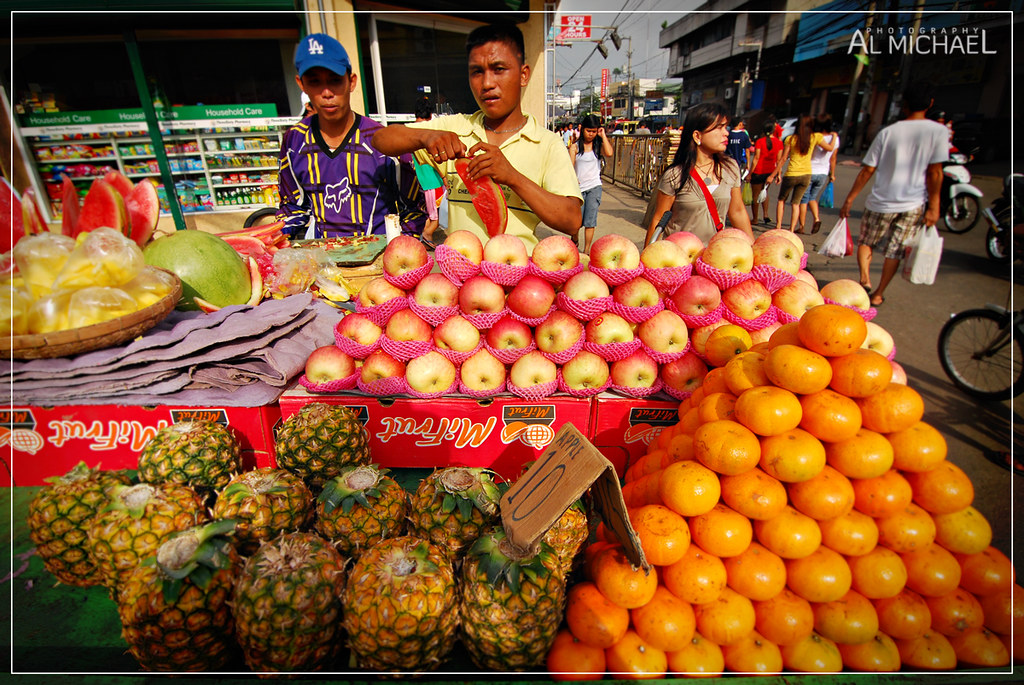
Fruit vendors often cluster in high-density areas, such as busy market streets or urban centers, to maximize foot traffic and visibility. While this clustering can attract a larger customer base, it also intensifies competition among vendors selling similar products. The proximity of competitors can lead to price wars, reduced profit margins, and the necessity for each vendor to continuously innovate to maintain their market share. High vendor density makes it challenging for individual vendors to differentiate themselves, thereby emphasizing the importance of unique selling points and strategic location selection.
Pricing Strategies
Price Setting and Elasticity
The concept of price elasticity is pivotal in understanding how fruit vendors set their prices. The demand for fruits tends to be relatively inelastic in the short term, as fruits are considered essential commodities with consistent consumption patterns. However, factors such as quality, seasonality, and pricing can influence consumer choices, making it essential for vendors to balance competitive pricing with profitability. Vendors must analyze market trends and consumer responsiveness to price changes to optimize their pricing strategies effectively.
Strategic Decision-Making and Game Theory
Fruit vendors frequently engage in strategic decision-making processes influenced by game theory principles. Each vendor must anticipate the actions of competitors when setting prices or introducing new products. The concept of Nash Equilibrium applies when vendors reach a state where no single vendor can improve their position by unilaterally changing their strategy, leading to a stable pricing environment. Understanding these strategic interactions helps vendors navigate competitive pressures and make informed decisions that balance individual and collective interests within the market.
Challenges Faced by Fruit Vendors
Economic Challenges
Fruit vendors grapple with narrow profit margins due to intense competition and fluctuating production costs. The inherent volatility in fruit prices, driven by factors like weather conditions and global market trends, can significantly impact profitability. Additionally, economic losses resulting from waste management issues, such as the disposal of unsold or spoiled produce, further strain financial resources. The high competition within the market reduces individual market share, making it difficult for vendors to expand their businesses and achieve sustainable growth.
Operational and Logistical Challenges
Maintaining the quality and freshness of fruits is a significant operational challenge for vendors. The perishability of produce demands efficient storage and transportation systems to minimize post-harvest losses. Inadequate infrastructure, such as lack of refrigeration or proper storage facilities, can lead to the deterioration of fruits, affecting their marketability and increasing waste. Additionally, managing supply chains effectively to ensure a steady and reliable supply of quality fruits is crucial for meeting consumer demand and maintaining competitive advantage.
Market-Related Challenges
The competitive landscape for fruit vendors is further complicated by the presence of large supermarkets and organized retail chains. These entities often have greater bargaining power with suppliers, allowing them to offer lower prices or a wider variety of products, thereby attracting more customers. Additionally, changing consumer preferences towards convenience products, such as pre-cut fruits or ready-to-eat packages, require vendors to adapt quickly. External factors like pandemics and global conflicts can disrupt supply chains, leading to scarcity of products and increased costs, thereby challenging vendors' ability to maintain consistent operations.
Environmental and Social Challenges
Environmental factors, including climate change and extreme weather events, can adversely affect fruit production, leading to supply shocks and price volatility. Social challenges, such as labor shortages and regulatory hurdles, also impact vendors' operations. Strict regulations regarding food safety, labeling, and transportation can impose additional costs and operational constraints. Moreover, social pressures from within the vendor community, such as collusive norms that discourage competitive pricing, can limit individual vendors' ability to innovate and expand their businesses.
Strategic Survival and Competitive Strategies
Product Differentiation and Quality
To stand out in a saturated market, fruit vendors can adopt product differentiation strategies by offering unique varieties or higher quality produce. For example, specializing in organic fruits, exotic varieties, or locally sourced produce can attract niche customer segments willing to pay premium prices. Additionally, providing value-added services such as pre-cut fruits, fruit baskets, or ready-to-eat fruit packages can cater to the growing demand for convenience, thereby creating new revenue streams and reducing direct price comparisons with competitors.
Collaborative Models and Vendor Cooperatives
Forming cooperatives with other vendors can enhance bargaining power with suppliers, leading to better pricing and reduced costs through bulk purchasing. Cooperative models also facilitate the sharing of resources, such as storage facilities and transportation logistics, which can improve operational efficiency and reduce individual vendors' overhead costs. Collaborative marketing initiatives, such as joint advertising campaigns or participation in community events, can increase visibility and attract a broader customer base, thereby strengthening the collective competitiveness of the vendor group.
Technological Adoption and Innovation
Embracing technological advancements can provide fruit vendors with a competitive edge. Utilizing mobile payment systems, social media platforms for marketing, and mobile applications for pre-ordering can enhance customer engagement and streamline operations. Implementing inventory management software can help in tracking stock levels, predicting demand trends, and minimizing waste. Additionally, adopting sustainable practices, such as eco-friendly packaging and obtaining certifications for organic or fair-trade produce, can attract environmentally conscious consumers and justify premium pricing strategies.
Impact of Consumer Behavior
Consumer behavior significantly influences the strategies and operations of fruit vendors. Preferences for certain types of fruits, priorities on quality and freshness, and the demand for convenience products shape the product offerings and marketing approaches of vendors. Additionally, consumers' increasing awareness of health and sustainability issues drives vendors to offer organic and sustainably sourced fruits. Understanding and adapting to these behavioral trends is crucial for vendors to retain customer loyalty and remain competitive in the market.
Supply Chain and Market Dynamics
The efficiency of supply chains directly impacts the competitiveness of fruit vendors. Access to high-quality produce at reasonable prices is essential for maintaining profitability and meeting consumer demand. Establishing reliable relationships with farmers, wholesalers, and distributors ensures a steady supply of fruits and reduces the risk of supply disruptions. Furthermore, navigating regulatory environments, such as adhering to food safety standards and import/export regulations, is critical for sustaining business operations and expanding market reach. Global market dynamics, including trade policies and international competition, also play a role in shaping local market conditions and vendors' strategic decisions.
Challenges Table
| Challenge Category | Description |
|---|---|
| Economic | Narrow profit margins, fluctuating production costs, and economic losses due to waste management. |
| Operational | Perishability of fruits, transportation inefficiencies, inadequate storage facilities, and supply chain complexities. |
| Market-Related | Intense competition from supermarkets, changing consumer preferences, and external factors like pandemics and global conflicts. |
| Environmental/Social | Climate variability impacting fruit production, labor shortages, and regulatory compliance challenges. |
Conclusion
The market competition among fruit vendors is shaped by a complex interplay of economic structures, strategic behaviors, and external factors. Operating within both perfect and monopolistic competition frameworks, vendors face challenges such as price volatility, operational inefficiencies, and intense competition from larger retail entities. To navigate these challenges, fruit vendors must adopt innovative strategies that include product differentiation, collaborative efforts through cooperatives, and the integration of technology to enhance operational efficiency and customer engagement. Understanding consumer behavior and adapting to market dynamics are crucial for sustaining competitiveness and achieving long-term growth. By addressing economic, operational, market-related, and environmental challenges, fruit vendors can develop resilient business models that ensure their continued success in a highly competitive environment.
References
Last updated February 13, 2025