
Bridging the Housing Gap: Market-Driven Solutions for Inclusive Communities
Innovative Strategies to Address Workforce Housing Needs Amid Legislative Challenges
Key Takeaways
- Incentive-Based Models: Leveraging tax credits and exemptions to align private and public housing goals.
- Modular Construction: Enhancing efficiency, scalability, and affordability through factory-built housing units.
- Risks of Rent Control: Potential negative impacts on housing stock, investment, and market dynamics.
Understanding the Housing Gap
The current housing discourse often polarizes around two extremes: subsidized affordable housing and luxury developments. However, a significant portion of the population falls into the "missing middle" category—individuals and families who earn too much to qualify for housing subsidies but not enough to afford high-end rentals. This demographic includes essential workforce members such as teachers, nurses, and first responders who are integral to the functioning of our communities.
These middle-income earners are trapped in a housing dilemma. They earn above the threshold for subsidized housing programs but find themselves priced out of the market's higher-end offerings. This gap not only affects their quality of life but also has broader implications for community stability and economic diversity. Addressing this gap requires innovative, market-driven solutions that can provide sustainable and accessible housing options.
Incentive-Based Housing Models
Incentive-based housing models are pivotal in bridging the housing gap by aligning private sector investments with public housing needs. These models include established tools such as Low-Income Housing Tax Credits (LIHTC) and Multi-Family Tax Exemptions (MFTE), which incentivize developers to create affordable and workforce housing.
Low-Income Housing Tax Credits (LIHTC) provide tax incentives to developers, encouraging the construction and rehabilitation of affordable housing units. By reducing the financial burden on developers, LIHTC makes it feasible to offer lower rents without compromising on quality.
Similarly, Multi-Family Tax Exemptions (MFTE) offer tax relief to property owners who provide affordable housing. These exemptions lower operational costs, enabling landlords to maintain affordable rents while ensuring the sustainability of their housing projects.
Expanding Incentive-Based Solutions
Beyond traditional tax credits, innovative incentive-based solutions are emerging to further support affordable housing development:
-
Density Bonuses: Allow developers to build additional units beyond zoning limits in exchange for providing affordable housing.
-
Grants and Subsidies: Direct financial assistance to lower construction and operational costs.
-
Public-Private Partnerships (PPPs): Collaborative efforts between government entities and private developers to finance and manage housing projects.
Modular Construction: Building Smarter and Faster
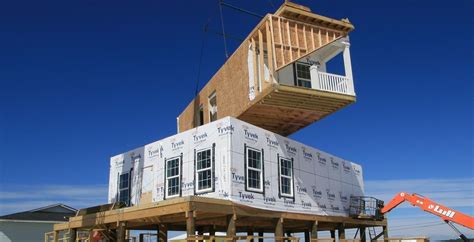
One of the most promising innovations in housing development is modular construction. This method involves prefabricating housing units in a factory setting before assembling them on-site. Modular construction offers several advantages that make it an ideal solution for addressing the housing gap:
Efficiency
Modular construction significantly reduces construction timelines. By manufacturing units concurrently with site preparation, projects can be completed up to 50% faster than traditional construction methods. This acceleration is crucial in meeting the urgent demand for workforce housing.
Scalability
The scalability of modular construction allows for rapid deployment of large-scale housing projects. Developers can produce multiple units simultaneously in a controlled factory environment, ensuring consistency and quality across all units.
Affordability
By streamlining the construction process and reducing labor costs, modular construction lowers overall development expenses. These cost savings translate into more affordable rental rates, making housing accessible to middle-income earners.
Zoning Reforms and Opportunity Zone Renaissance
Zoning reforms play a critical role in facilitating the development of affordable and workforce housing. By adjusting zoning laws to allow for higher density, mixed-use developments, and reduced parking requirements, municipalities can create more flexible environments conducive to housing innovation.
Additionally, the emergence of the Opportunity Zone Renaissance presents new opportunities for investment in underserved communities. Opportunity Zones incentivize long-term investments in economically distressed areas, promoting the development of affordable housing and stimulating local economies.
The Risks of Rent Control
While rent control measures aim to make housing more affordable by capping rental prices, they carry significant risks that could exacerbate the housing crisis:
Reduced Rental Housing Stock
Rent control can discourage the construction of new rental units and lead to the conversion of existing rentals into owner-occupied properties. This reduction in rental stock tightens the market, making it even harder for middle-income earners to find affordable housing.
Decreased Property Maintenance
Landlords may have fewer financial incentives to maintain and upgrade their properties under rent control, leading to a decline in housing quality. Poor maintenance can result in deteriorating living conditions for tenants and a diminished overall housing stock.
Higher Rents in Non-Controlled Units
Rent control can create disparities within the housing market. While rents in controlled units remain fixed, landlords of non-controlled units may raise rents to compensate for lost revenue. This can make the overall market less affordable and drive tenants to seek uncontrolled rentals, increasing competition and prices.
Diminished New Housing Development
The financial uncertainty brought about by rent control can deter investment in new housing developments. Developers may be reluctant to embark on new projects if they cannot guarantee a return on investment, leading to a stagnation in housing supply growth.
Balancing Market Forces with Public Needs
To create a sustainable housing ecosystem, it is essential to balance market-driven solutions with public policy interventions. Incentive-based models, modular construction, and zoning reforms can work synergistically to expand housing access without stifling investment or reducing housing quality.
By prioritizing policies that support market growth and innovation, we can ensure that housing remains accessible and affordable for essential workers while maintaining a healthy and dynamic housing market.
Implementing Forward-Thinking Policies
Successful implementation of market-driven solutions requires collaboration between various stakeholders, including government agencies, private developers, community organizations, and residents. Key strategies include:
- Public-Private Partnerships (PPPs): Leveraging the strengths of both sectors to finance and manage housing projects effectively.
- Community Engagement: Involving residents in the planning process to ensure that housing developments meet the needs of the community.
- Flexible Zoning Laws: Adapting zoning regulations to support diverse housing options and innovative construction methods.
- Financial Incentives: Providing tax credits, grants, and exemptions to encourage the development of affordable and workforce housing.
Case Studies: Successful Market-Driven Housing Initiatives
Case Study 1: City X's Modular Housing Program
City X implemented a modular housing program to address its growing workforce housing needs. By partnering with private developers and utilizing surplus industrial spaces for modular unit production, the city was able to significantly reduce construction times and costs. The program successfully provided affordable housing to over 5,000 middle-income families within three years, demonstrating the efficacy of modular construction in urban settings.
Case Study 2: State Y's Zoning Reforms
State Y undertook comprehensive zoning reforms to promote the development of mixed-use and higher-density housing. By easing restrictions on building heights and reducing parking requirements, the state facilitated the construction of numerous affordable housing projects. These changes not only increased the housing supply but also promoted economic diversity and community vibrancy.
Economic and Social Benefits of Market-Driven Solutions
Implementing market-driven solutions to bridge the housing gap yields numerous economic and social benefits:
Economic Growth
Increased construction activity stimulates economic growth by creating jobs in the construction, manufacturing, and service sectors. Additionally, affordable housing allows workforce members to live closer to their places of employment, reducing commuting times and enhancing productivity.
Community Stability
Providing stable and affordable housing contributes to community cohesion and reduces turnover rates. Long-term residents are more likely to invest in their communities, leading to safer neighborhoods and stronger local economies.
Health and Well-Being
Accessible and affordable housing is directly linked to improved health outcomes. Stable housing reduces stress, enhances mental health, and provides a safe environment for families, particularly for essential workers who are pivotal during crises.
Challenges and Considerations
While market-driven solutions offer substantial benefits, they are not without challenges. Key considerations include:
Financing and Investment
Securing adequate financing for housing projects can be complex. Leveraging tax incentives and attracting private investment through favorable policies are crucial steps in overcoming financial barriers.
Regulatory Hurdles
Navigating local, state, and federal regulations requires careful planning and collaboration. Proactive engagement with regulatory bodies can help streamline the approval process and mitigate delays.
Community Opposition
NIMBYism (Not In My Backyard) can pose significant obstacles to housing development. Effective communication and demonstrating the benefits of housing projects can help garner community support.
Conclusion: A Path Forward
Bridging the housing gap for middle-income earners is essential for fostering inclusive and resilient communities. By prioritizing market-driven solutions such as incentive-based models, modular construction, and zoning reforms, we can create sustainable housing options that meet the needs of essential workforce members without compromising market dynamics.
It is imperative to resist the allure of rent control, which could undermine investment and exacerbate the very problems we're striving to solve. Instead, collaborative efforts that align public goals with private incentives will pave the way for a robust and equitable housing landscape.
Together, through thoughtful policy-making and innovative housing solutions, we can ensure that everyone—from taxpayers and renters to developers and communities—benefits from a healthy, accessible, and inclusive housing market.
References
Rent Regulation - Wikipedia
National Apartment Association Study on Rent Control - Forbes
Rent Control - EconLib
Last updated January 20, 2025