
Background of the Study: Challenges and Strategies of Meat Vendors in Pili Public Market
Exploring the multifaceted dynamics of market operations, challenges, and vendor strategies
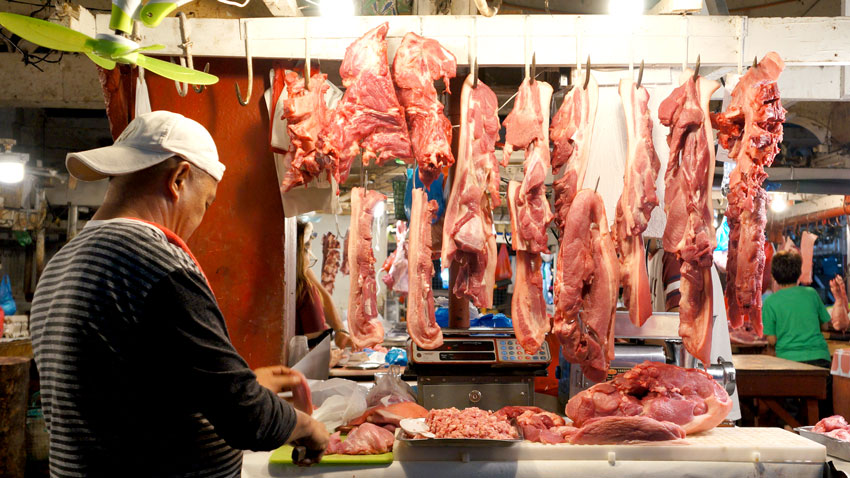
Key Insights
- Economic and Operational Challenges: Detailed review of financial, infrastructural, and market competition issues affecting meat vendors.
- Innovative Strategies: Analysis of adaptive mechanisms such as relationship building with suppliers, technological integrations, and consumer-focused improvements.
- Market Environment Impact: Comprehensive view on how public market dynamics, regulatory compliance, and supply chain issues shape vendor success.
Introduction
Public markets have long been cornerstones of local community economies by providing platforms where small-scale vendors operate and interact directly with consumers. The Pili Public Market is no exception, serving as a vital hub where numerous meat vendors establish their livelihoods. It plays a critical role in ensuring the local population’s access to fresh and quality meat, while simultaneously supporting the regional economy. Over time, the environment in which these vendors operate has undergone significant changes due to shifts in consumer behavior, regulatory pressures, and macroeconomic challenges. This study seeks to establish a comprehensive background on the challenges confronted by meat vendors in Pili Public Market, as well as the innovative strategies they implement to overcome these obstacles and remain competitive.
Historical and Socioeconomic Context
Evolution of Public Markets
Historically, public markets have served as critical nodes for commerce and community interaction. Over generations, they have evolved from simple trade posts to sophisticated marketplaces that mirror urban development and shifting economic priorities. In the Philippines, public markets traditionally function as both the economic and social epicenter of communities, characterized by a vibrant exchange of goods and cultural narratives among inhabitants. The public market environment, including Pili Public Market, reflects a unique confluence of traditional practices juxtaposed with modern economic challenges.
Economic Contributions and Community Impact
Meat vending in public markets is not only a means to generate income but also a significant contributor to food security and community sustenance. Vendors ensure the availability of fresh protein sources which are essential for balanced diets, thereby underpinning public health. Their operations contribute to local economic stability by circulating money within the community and creating employment opportunities. However, despite their importance, these vendors face numerous headwinds that compromise both their economic standing and operational efficiency.
Challenges Faced by Meat Vendors
Financial Challenges
One of the most pressing issues confronting meat vendors is the fluctuation in their financial landscape. The instability of income sources is frequently cited, with many vendors struggling to maintain a steady revenue stream due to unpredictable market conditions. Fluctuating prices of meat, compounded by supply shortages and economic disruptions (as seen during significant events like the COVID-19 pandemic), have dramatically impacted cash flow management.
Additionally, vendors often lack access to mainstream financial services. This deficiency limits their ability to secure adequate capital, manage debts, and invest in upgrading their stall infrastructure or diversifying their product lines. Shortfalls in financial literacy further exacerbate these challenges, leaving many vendors vulnerable during periods of adverse market conditions.
Operational and Infrastructural Challenges
The operational challenges encountered by meat vendors are multifaceted, predominantly rooted in infrastructural shortcomings. Many vendors operate in market layouts that are outdated and ill-equipped to handle modern retail demands. Limited refrigeration, insufficient storage facilities, and poor sanitation are common issues that not only affect product quality but also contribute to health and safety concerns. The inadequacy of physical infrastructure can lead to inefficient operations and deter consumer trust in the quality of meat offered.
Furthermore, vendors frequently deal with cramped and suboptimal stall configurations which limit their ability to effectively display and process products. Such constraints often force vendors to compromise on both product variety and innovative display solutions, making it challenging to attract and retain customers in increasingly competitive environments.
Market Dynamics and Competition
Market dynamics play a critical role in shaping the operational framework within which these vendors operate. A significant challenge is the high level of competition both within the market and from alternative retail formats such as supermarkets and digital platforms. Seasonal variations, consumer price sensitivity, and the fluctuating availability of meat have propelled intense price wars among vendors, further squeezing profit margins.
Effective pricing strategies are also difficult to maintain. Vendors must balance the need to remain competitive on price while ensuring profitability – a balancing act that becomes increasingly precarious in the face of unexpected price surges from suppliers. This is especially challenging for small-scale vendors who may not have the negotiating power or bargaining capacity of larger firms.
Regulatory Pressure and Quality Compliance
Regulatory compliance is yet another layer of challenge for meat vendors. Strict health and safety standards are paramount in the meat industry to prevent food-borne illnesses and ensure that products meet quality benchmarks. However, for many small-scale vendors in Pili Public Market, meeting these standards can be both financially and logistically challenging. Limited access to modern processing facilities and sanitation equipment often puts them at risk of non-compliance, potentially leading to fines, temporary closure, or reputational damage.
Constant monitoring and periodic renovations or upgrades required by local health departments can further strain already thin financial resources. The pressure to improve hygiene and quality without a corresponding increase in revenue often results in frustration and operational fatigue among the vendors.
Supply Chain and Processing Issues
A well-functioning supply chain is crucial for the success of meat vendors, yet many face significant disruptions that inhibit reliable product availability. The supply chain for meat products frequently experiences bottlenecks due to limited processing facilities, fluctuating livestock production cycles, and logistical issues related to transportation. This scenario causes periodic shortages and price volatility, forcing vendors to adjust their inventory management practices constantly.
The absence of consistent coordination with livestock producers and processors further complicates matters. Vendors often find themselves at the mercy of external factors that influence the availability and quality of meat products, leaving little room for proactive planning. This dependency on external suppliers underlines the need for improved infrastructure and direct procurement channels, potentially through the formation of cooperatives or stronger vendor-supplier linkages.
Strategies Adopted by Meat Vendors
Financial Management and Diversification
To mitigate financial challenges, many meat vendors have turned to diversified financial management practices. These include budget planning, cost-cutting measures, and seeking microfinance solutions to secure necessary capital. By diversifying their revenue streams—such as by introducing complementary products or offering credit sales—vendors create a financial buffer that helps to cushion economic shocks.
Some have also invested in improving their own financial literacy. Enhanced understanding of pricing dynamics and cost controls enables vendors to more accurately forecast expenditures and revenues. This, in turn, facilitates better decision-making in terms of inventory management and stall operations, ensuring that vendors are better prepared to navigate periods of economic instability.
Operational Enhancements and Infrastructure Improvements
Addressing infrastructural limitations is paramount for meat vendors striving to boost operational efficiency. Despite the challenges posed by outdated market layouts, vendors have explored several strategic improvements. These include rearranging stall setups to better showcase products and investing minimally in sanitary and refrigeration equipment. Incremental improvements focused on cleanliness and effective product display not only enhance operational efficiency but also improve every vendor’s visual appeal and customer confidence.
Some vendors have successfully collaborated with local cooperatives or community groups in lobbying for market-wide infrastructural improvements. This joint action can lead to systemic changes, such as better water and waste management systems or upgraded storage facilities within the market. By pooling resources and sharing knowledge, vendors can collectively negotiate better terms with market administrators and municipal authorities.
Market Adaptation and Consumer Engagement
In the competitive landscape of the modern market, adapting to shifting consumer preferences is essential for survival. Meat vendors in Pili Public Market have responded to changing dietary trends and health concerns by diversifying their product ranges. This includes offering specialty meats, organic cuts, and value-added products such as marinated or pre-cooked items that appeal to busy consumers.
Moreover, vendors have increasingly turned to innovative marketing strategies to bolster consumer engagement. Leveraging modern digital platforms, including social media, permits vendors to promote their products beyond the confines of the physical market. These digital efforts are aimed at highlighting product quality, the freshness of meat, and the unique stories behind locally sourced products. Direct engagement with the customer base, such as through feedback sessions or small community events, also helps vendors stay attuned to consumer expectations.
Strengthening Supply Chain Networks
Recognizing the vulnerabilities inherent in supply chain disruptions, meat vendors have sought to establish more robust networks with suppliers and livestock producers. By fostering trusted relationships, vendors not only secure a more consistent supply of meat but also gain potential advantages in negotiating prices and minimizing intermediary costs. Cooperative purchasing arrangements can further allow vendors to benefit from bulk buying, resulting in cost reductions that are passed on to the consumer.
Additionally, some vendors have embraced technology-driven solutions to monitor supply chain trends and automate parts of their inventory management system. These digital tools provide real-time data on meat prices, supply levels, and consumer demand, allowing for more agile decision-making. Enhanced coordination with local processors and improved transport logistics have become integral components of a resilient supply chain strategy, ultimately contributing to higher overall business sustainability.
Building Brand Identity and Quality Assurance
In a crowded marketplace, establishing a clear brand identity and ensuring consistent product quality are crucial differentiators. Many vendors have begun to invest time and resources into developing a unique market identity through improved stall aesthetics, guided by consistent hygiene standards, and dedicated product branding that emphasizes quality control.
This branding plays an important role in building consumer trust and loyalty. By consistently demonstrating adherence to quality and safety standards, meat vendors are better equipped to secure a loyal customer base. Public perceptions can be significantly influenced by visible certifications, clear product labelling, and interactive educational campaigns on food safety – all of which contribute to deeper consumer confidence and market reputation.
Comparative Analysis: Challenges versus Strategies
Table: Overview of Major Challenges and Strategic Responses
| Challenge | Details | Strategic Response |
|---|---|---|
| Financial Instability | Fluctuating income, limited access to credit, economic shocks | Microfinance solutions, diversified revenue streams, cost reduction, financial literacy |
| Infrastructural Limitations | Outdated market layouts, inadequate storage, poor sanitation | Incremental improvements, collaborative lobbying for better facilities, investment in refrigeration and hygiene |
| Market Competition | High competition with supermarkets and informal channels | Adapting product offerings, leveraging digital marketing, and improving stall aesthetics |
| Regulatory and Quality Compliance | Strict health and safety standards, continuous monitoring requirements | Investing in quality control, obtaining certifications, enhancing brand image |
| Supply Chain Disruptions | Inconsistent supply, logistical issues, processing delays | Building stable supplier relationships, cooperative purchasing, leveraging technology for inventory management |
Sectoral Impacts and Implications
Impact on Local Economies
The well-being of meat vendors in Pili Public Market is inextricably linked to the broader local economy. When vendors face challenges such as fluctuating prices, supply shortages, or infrastructural deficiencies, it has a ripple effect on food accessibility, community health, and employment. For example, successful mitigation strategies not only stabilize income for individual vendors but also contribute to a more reliable supply of fresh meat products, which in turn benefits the community at large.
An effective market ecosystem is one where the transformations and strategies implemented by meat vendors are supported by local policies that recognize the critical role these markets play. Economic policies that promote microfinance, subsidized infrastructural improvements, and technical training are fundamental to creating a conducive environment for vendors. The enhanced operational efficiency that arises from such interventions is likely to stimulate further economic growth and community development.
Public Health and Safety Considerations
The link between market operations and public health cannot be overstated, particularly in meat vending. Failures in maintaining proper hygiene standards or in adhering to regulatory guidelines can have significant public health implications, leading to increased risks of foodborne illnesses. In response, vendors who invest in quality control measures and robust sanitary procedures contribute significantly to community wellbeing. The visible commitment to quality standards fosters consumer trust and results in a more sustainable market environment.
Social Dynamics and Consumer Engagement
Beyond the economic layers, the social aspects of running a meat vending business in a public market are also critical. Engaging directly with the customers, understanding their preferences, and adapting product offerings accordingly helps create a vibrant and resilient market community. Public trust is bolstered when vendors actively communicate about the safety and quality measures being implemented. Furthermore, by building networks and associations among themselves, vendors can collectively address common challenges and support one another in times of market stress.
Future Directions and Policy Considerations
Integrating Technology and Modern Practices
Looking ahead, one critical avenue for the evolution of meat vending practices in Pili Public Market involves integrating digital tools and technological advancements. The advent of digital platforms not only offers a channel for enhancing customer engagement but also provides vendors with essential market analytics. Investments in simple technologies for inventory management, online ordering, and digital payment systems can streamline operations while offering data-driven insights to improve strategic decisions.
Additionally, modernizing the market infrastructure through public-private partnerships may facilitate improved facilities and services. Upgrading market layouts to include dedicated spaces for refrigeration, improved waste management, and better water supply can transform the trading environment, making it safer and more efficient. Policymakers are encouraged to work closely with vendor associations to devise supportive frameworks that incorporate both traditional practices and innovative solutions.
Capacity Building and Community Engagement
Enhancing the competencies of meat vendors through targeted training initiatives stands out as another pivotal strategy. Capacity building in areas such as financial management, digital literacy, and quality assurance can empower vendors to better manage the diverse challenges they encounter. Community development programs that include mentorship, technical support, and subsidized training modules are essentials for building a more resilient vendor community.
Furthermore, the active participation of vendors in local policy dialogues can ensure that the unique challenges they face are adequately represented. Collaborative efforts between market administrators, local government units, and vendor associations will help align policy interventions with the on-ground realities of public market operations.
Conclusion
The examination of the challenges and strategies of meat vendors in Pili Public Market reveals a complex interplay between economic pressures, infrastructural constraints, regulatory demands, and innovative strategies adopted by vendors. Financial instability, outdated market facilities, intense competition, and supply chain vulnerabilities pose significant barriers that can adversely affect the livelihoods of these vendors. However, the resilience and adaptive capacity demonstrated through strategic financial management, operational improvements, diversified marketing approaches, and collaborative supply chain networking stand testament to their ability to evolve and thrive.
As vendors leverage technology, engage in capacity building, and establish stronger networks with suppliers and local authorities, they are not only reinforcing their own businesses but also contributing to the overall stability and growth of the local economy. Their operational adaptation and commitment to quality safety standards play an instrumental role in maintaining public health and consumer trust.
In conclusion, addressing the multifaceted challenges faced by meat vendors in the Pili Public Market requires coordinated efforts from vendors, policymakers, and community stakeholders alike. Supportive policy measures, infrastructural investments, and continuous training will be key to empowering these vendors to sustain their contributions to the local economy and to adapt to an ever-changing market environment.
References
- CHAPTER-1docx - Course Hero
- Public Market | PDF | Market (Economics) | Infrastructure - Scribd
-
Struggles of Selected Chicken Meat Vendors - AAJMRA
- Meat Vendors & Consumers Struggle with Soaring Prices - PhilNews
- Philippines Meat Market Strategies - Taiwan News
Recommended
Last updated February 20, 2025