
Does Marketing Really Work?
Exploring the Impact and Effectiveness of Marketing Strategies
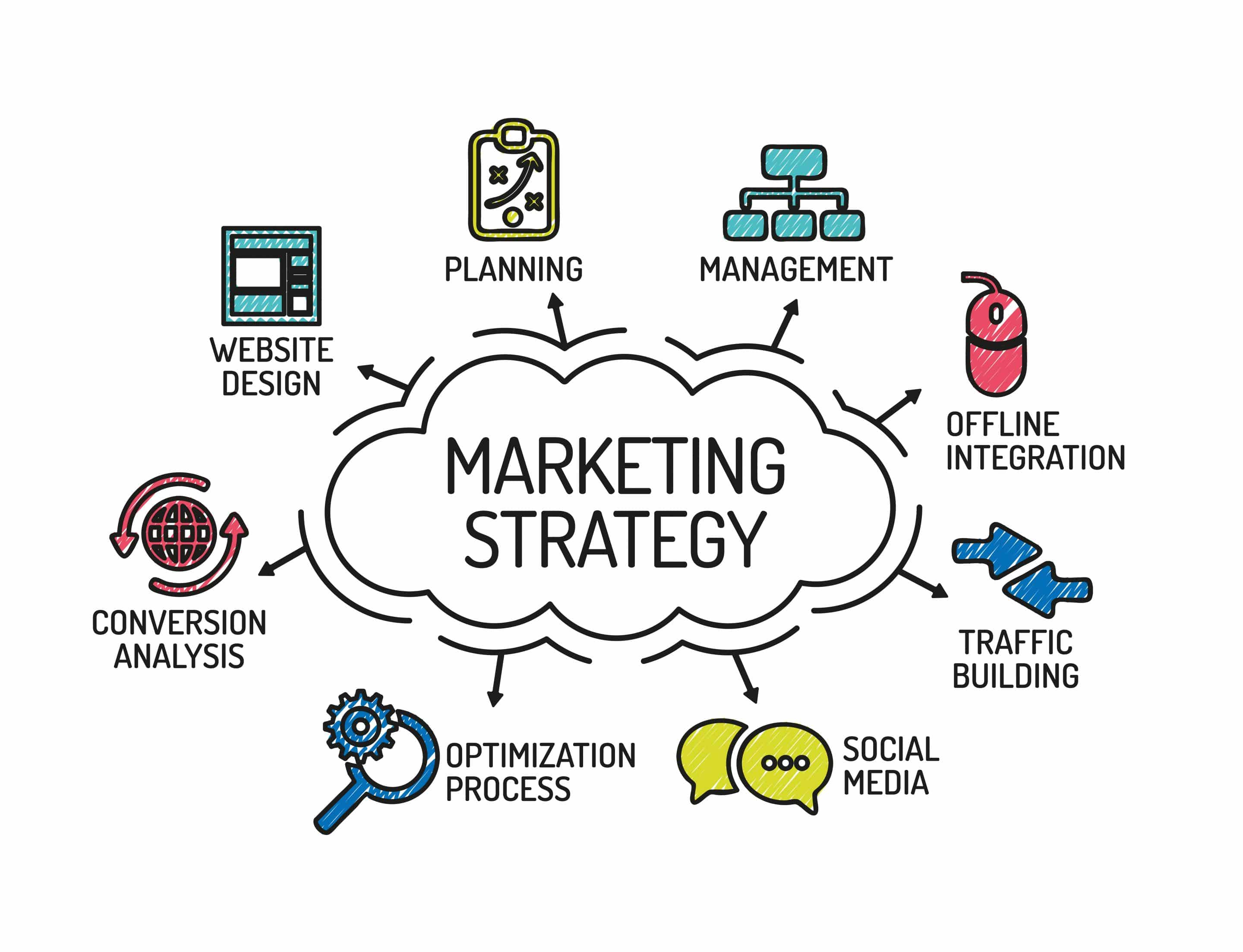
Key Highlights
- Strategic Implementation: Marketing works when strategies are thoughtfully designed and executed.
- Data-Driven Adaptation: Analyzing metrics and adapting tactics continuously enhances outcomes.
- Building Relationships: Effective marketing fosters customer engagement and trust over time.
Introduction
In today’s dynamic business environment, the efficacy of marketing strategies is often questioned. The fundamental question, "Does marketing really work?" has been addressed through extensive research and practical examples. The answer is a resounding yes – but with conditions. Marketing, when planned and implemented strategically, can become a powerful lever for brand awareness, customer engagement, and revenue growth. However, it is not a one-size-fits-all solution, and its success hinges on a deep understanding of the target audience, clear measurement of outcomes, and the flexibility to adapt to ever-changing market trends.
Strategic Foundations of Marketing
Purpose and Role of Marketing
Marketing serves a multi-dimensional role that extends far beyond mere advertisement. It encompasses product management, market research, pricing strategies, and distribution channels. These functions collectively ensure that a company’s offerings are aligned with the needs of the target audience. Successful marketing is built on the foundation of understanding customer needs and crafting a message that resonates and builds lasting relationships.
Brand Communication
A crucial aspect of marketing is brand communication, which involves presenting a consistent narrative about a brand. This narrative must reflect the values and promises of the brand, thereby building trust and recognition among consumers. Effective brand communication is not a one-off effort but an ongoing process that adapts to changing customer expectations and market dynamics.
Customer Engagement
Engaging customers through personalized and interactive content is another pillar of effective marketing. By utilizing various channels such as social media, email campaigns, and targeted advertising, businesses can create direct and meaningful interactions with their customers. These interactions not only boost customer loyalty but also provide invaluable insights into consumer behavior.
Data-Driven Approach and Measurement
Importance of Analytics
In the modern marketing landscape, data is synonymous with effectiveness. By leveraging analytics, businesses can track the performance of their marketing initiatives in real time. This data-driven approach allows companies to measure key performance indicators (KPIs) such as revenue growth, customer acquisition costs, and return on investment (ROI). With these insights, businesses can optimize their campaigns, allocate resources more efficiently, and ensure that each action taken is aligned with strategic goals.
Conversion Metrics
Conversion metrics provide a tangible measure of marketing success. These include conversion rates, click-through rates, and engagement statistics that offer a window into how well a marketing strategy is performing. By analyzing these metrics, companies can adjust their tactics to improve overall campaign effectiveness.
Cost-Efficiency Analysis
Another important aspect is understanding cost-effectiveness. Modern digital marketing techniques enable businesses, regardless of their size, to reach targeted audiences at relatively low costs. By maintaining an optimal balance between expenditure and performance outcomes, marketing initiatives can lead to sustainable and scalable growth.
Digital Marketing and Technological Advancements
The Rise of Digital Marketing
Digital marketing has revolutionized the way businesses communicate with their audiences. With the advent of affordable digital tools and platforms, even small businesses can access a vast global audience. Digital marketing allows companies to utilize search engine optimization (SEO), pay-per-click (PPC) advertising, social media, and email campaigns to promote their products and services.
Audience Targeting
One of the standout advantages of digital marketing is its ability to precisely target audiences. This precision ensures that marketing messages reach individuals who are most likely to be interested in the product or service. This targeted approach not only increases engagement but also improves conversion rates while reducing unnecessary expenditures.
Adaptability and Innovation
The digital environment is highly flexible, allowing marketers to quickly adjust strategies based on customer feedback and performance data. This adaptability is key to sustaining long-term success. With continuous innovation, marketing practices evolve rapidly, ensuring that companies remain competitive even in saturated markets.
Comprehensive Analysis via a Structured Perspective
Integration of Multi-Channel Strategies
To truly understand the impact of marketing, it is important to integrate multi-channel strategies that encompass both digital and traditional platforms. Each channel has its unique strengths and together, they create a synergistic effect. For example, while digital marketing is excellent for immediate engagement and targeting weighted audiences, traditional marketing channels such as events, print media, and television still play a critical role in building trust and credibility with broader demographics.
Table: Comparison of Marketing Channels
| Channel | Strengths | Considerations |
|---|---|---|
| Digital Marketing | Precise targeting, cost-effective, real-time analytics | Highly competitive, requires continuous optimization |
| Traditional Marketing | Broad reach, strong brand credibility, tactile experience | Higher costs, less measurable, slower response |
| Social Media | Community building, direct engagement, viral potential | Unpredictable trends, audience fragmentation |
| Email Campaigns | Personalized communication, high ROI, measurable outcomes | Spam risks, requires excellent content strategy |
This table illustrates that while each channel has unique strengths, the real power of marketing lies in the strategic use of multi-channel approaches that capitalize on the complementary benefits of each medium.
Key Benefits and Challenges of Marketing
Benefits of Effective Marketing
When executed correctly, marketing measures deliver significant benefits that contribute to long-term business success. Key benefits include:
- Increased Brand Awareness: A well-crafted marketing campaign enhances visibility and recognition, ensuring that the brand stays top-of-mind for consumers.
- Customer Acquisition and Retention: Consistent and engaging marketing efforts help in attracting new customers while retaining existing ones by building stronger emotional connections with the brand.
- Revenue Growth: With the right strategies, targeted marketing reduces customer acquisition costs and drives revenue, contributing directly to profit margins.
- Market Insight: Through data analytics, marketing provides insights into consumer behavior which can be critical in refining products, services, and overall strategies.
Challenges in Marketing Effectiveness
Despite the numerous benefits, marketing is not without its challenges. One of the primary challenges is ensuring that the marketing messages resonate with an ever-diverse consumer base. A marketing campaign that works for one segment might not be effective for another. Additionally, rapid changes in technology and consumer behavior can quickly render some strategies obsolete. Therefore, continuous learning, flexibility, and innovative thinking are essential for overcoming these obstacles.
Navigating Market Saturation
In today’s highly competitive environment, market saturation is a common challenge. Standing out in a saturated market requires creative strategies, a deep understanding of the target demographic, and a commitment to constant improvement in messaging and delivery.
Aligning with Customer Expectations
Another critical challenge is aligning marketing efforts with evolving customer expectations. Consumers today seek authentic, transparent, and engaging brand experiences. Thus, marketing must not only communicate a product’s value but also build an emotional and ethical connection with its audience.
Future Directions in Marketing
Emerging Technologies and Trends
The future of marketing is closely tied to the advancements in technology, shifting consumer behaviors, and the integration of innovative digital tools. Enhanced artificial intelligence, machine learning, and big data analytics are reshaping how marketing campaigns are planned and executed. Marketers are increasingly relying on these technologies to automate decision-making processes, personalize customer experiences, and predict trends before they become mainstream.
Personalization at Scale
The era of one-size-fits-all marketing is quickly fading. Personalized marketing strategies that adapt to individual consumer needs and preferences are transforming brand-consumer relationships. Utilizing machine learning algorithms to analyze customer data enables businesses to offer tailored recommendations and targeted advertisements that significantly improve customer engagement and loyalty.
Integration of Offline and Online Strategies
Another notable trend is the seamless integration of offline and online marketing strategies. As consumers become more digitally connected, businesses must ensure that their offline communication efforts reinforce their online presence. By aligning these strategies, companies can create a holistic experience that enhances brand perception and fosters long-lasting customer relationships.
Conclusion
In conclusion, marketing does indeed work – provided it is executed with a strategic, data-driven, and customer-centric approach. The effectiveness of marketing is not just about increased sales or higher revenue; it is about creating meaningful connections with consumers, building brand loyalty, and delivering measurable outcomes that drive long-term growth. As technology continues to evolve, so too will the marketing strategies that capture consumer attention and loyalty. Continuous innovation, the integration of multi-channel approaches, and a deep understanding of consumer behavior are all key factors that ensure marketing remains a viable and potent tool for businesses across various industries.
By understanding the multifaceted role of marketing—from strategic planning and branding to data analytics and customer engagement—businesses can better navigate the complexities of the market. In essence, marketing is a multifaceted discipline that, when employed with consistency and creativity, not only works but drives transformation and sustained success.
References
- What Does Marketing Do? - Semrush
- Does Marketing Actually Work? - SparrowBoost
- Marketing Effectiveness - Leadspace
- Measuring Marketing Effectiveness - BlueAtlasMarketing
- Marketing Effectiveness - Qualtrics
- Marketing Effectiveness Insights - Matomo
Recommended
Last updated February 26, 2025