
Charting a Course to the Red Planet: Timelines and Pathways for Aspiring Martian Colonists
Navigating the Future of Human Settlement on Mars and How Today's Youth Can Prepare
Key Insights into Mars Colonization
- Timeline Estimates Vary: While some ambitious timelines suggest human landings as early as the late 2020s, the establishment of a sustainable, permanent habitat is generally anticipated in the 2030s or even later, with significant population growth projected towards the latter half of the 21st century.
- Essential Skills are Diverse and Practical: Successful Martian colonists will require a blend of technical expertise, particularly in areas like engineering, farming, mining, and construction, coupled with strong problem-solving abilities, adaptability, and psychological resilience.
- Alternative Education Pathways are Viable: Given the focus on practical skills and hands-on problem-solving for Mars colonization, an 11-year-old aspiring colonist should prioritize gaining real-world experience and specialized training, potentially through vocational programs, apprenticeships, and self-directed learning, alongside foundational scientific knowledge, rather than solely relying on traditional, potentially overpriced, college education.
The Road to a Martian Habitat: Setting the Timeline
The prospect of establishing a permanent human habitat on Mars is a subject of intense interest and planning for space agencies and private companies alike. While the exact timeline remains fluid and dependent on technological advancements, funding, and successful precursor missions, various projections offer insights into when we might see a sustained human presence on the Red Planet.
Current Projections and Milestones
NASA has outlined plans for crewed missions to Mars as early as the 2030s or early 2040s, aiming to lay the groundwork for future colonization. These initial missions would likely focus on establishing basic infrastructure and testing essential technologies for survival.
Private entities, such as SpaceX, have more ambitious, albeit often revised, timelines. Some of these projections have suggested human landings potentially occurring in the late 2020s, with the goal of rapidly scaling up infrastructure to support a growing colony. However, these timelines are often subject to significant technical and financial hurdles.

An artist's depiction of a future Mars colony.
From Initial Landings to Sustainable Settlement
It's important to distinguish between initial human landings and the establishment of a truly sustainable habitat. The first missions will likely involve small crews focused on exploration and infrastructure setup. A permanent settlement capable of supporting a significant population and becoming increasingly self-sufficient will take considerably longer to develop. Some projections suggest the human population on Mars could expand significantly towards the latter half of the 21st century, potentially reaching hundreds of thousands.
The transition from a research outpost to a thriving colony will depend on the ability to utilize in-situ resources (ISRU), such as water ice and minerals, for fuel, building materials, and life support. This will be crucial for reducing reliance on costly resupply missions from Earth and driving down the cost of establishing and maintaining the colony.
Factors Influencing the Timeline
Several factors will influence the pace of Mars colonization:
- Technological Advancements: The development of reliable and cost-effective transportation systems, advanced life support systems, and efficient ISRU technologies are critical.
- Funding and Investment: Sustained financial commitment from governments and private investors is essential for funding the massive infrastructure required.
- International Collaboration: Cooperation between different nations and organizations could accelerate progress by pooling resources and expertise.
- Risk Mitigation: Addressing the significant risks associated with long-duration space travel and living in a harsh environment, such as radiation exposure and psychological challenges, is paramount.
Based on current trajectories and the complexity of the undertaking, a reasonable expectation for the establishment of a permanent, albeit initially small, human habitat on Mars is likely sometime in the 2030s or early 2040s. The growth into a larger, more self-sufficient colony will be a multi-decade process extending further into the century.
Aspirations to the Red Planet: A Pathway for an 11-Year-Old
For an 11-year-old boy with the dream of being part of a Mars colony, the next decade and beyond present an exciting opportunity to acquire the skills and knowledge that will be essential for life on the Red Planet. While the future of traditional college education is subject to speculation, the practical demands of Mars colonization highlight the importance of applied skills and a deep understanding of fundamental principles.
Essential Skills for Martian Life
Life on Mars will require a diverse range of skills, emphasizing self-sufficiency and the ability to contribute to the colony's survival and growth. Key areas of expertise will include:
Technical and Engineering Prowess
Individuals with skills in engineering, particularly mechanical, electrical, and systems engineering, will be vital for maintaining and repairing habitats, machinery, and life support systems. Experience in construction, welding, and fabrication will also be highly valuable for expanding the colony's infrastructure.
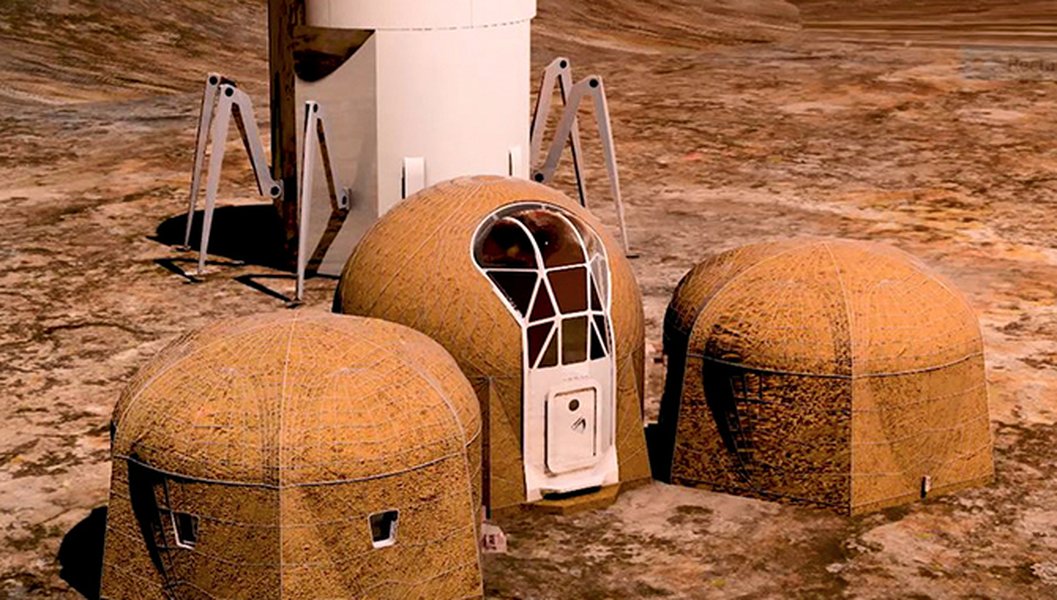
Designing 3D printed habitats for Mars.
Agricultural and Biological Expertise
Growing food in a controlled environment will be critical for the colony's long-term sustainability. Skills in botany, agricultural science, and pest control will be essential for managing Martian greenhouses and ensuring a reliable food supply.
Resource Extraction and Processing
Mining and processing Martian resources, such as water ice, minerals, and atmospheric gases, will be necessary for producing fuel, building materials, and breathable air. Geologists, mining engineers, and individuals with experience in ore refining and metalworking will be in high demand.
Problem-Solving and Adaptability
Life on Mars will present numerous unexpected challenges. The ability to think critically, solve problems creatively, and adapt to rapidly changing situations will be paramount for all colonists, regardless of their specific specialization.
Medical and Psychological Support
Maintaining the health and well-being of the colonists will be crucial. Medical professionals, including doctors, nurses, and therapists, will be needed to address physical and psychological health issues in a remote and isolated environment. Psychological resilience and the ability to work effectively in a small, close-knit community are also vital personal attributes.
Coding and Data Analysis
Software development, scripting, and data analysis skills will be valuable for managing complex systems, analyzing scientific data, and optimizing colony operations.
Charting an Educational Path
Assuming that traditional college education models may evolve, an aspiring Martian colonist should focus on acquiring a strong foundation in STEM subjects (Science, Technology, Engineering, and Mathematics) through various avenues. Here's a possible path:
Early Foundations (Age 11-16)
Focus on excelling in science and math classes. Engage in hands-on projects related to engineering, robotics, and coding. Participate in science fairs, build things, and seek out opportunities to learn practical skills like basic electronics or woodworking. Reading widely on space exploration, physics, chemistry, and biology will build a strong theoretical understanding.
Given the potential shift away from expensive traditional college, exploring vocational training options, technical schools, and online courses that offer certifications in relevant fields could be highly beneficial during the later teenage years.
Developing Specialized Skills (Age 16+)
Identify areas of greatest interest within the essential Martian skill sets and pursue in-depth learning and practical experience. This could involve:
- Apprenticeships in trades like welding, plumbing, or electrical work.
- Enrolling in technical programs focused on agricultural technology, renewable energy systems, or advanced manufacturing.
- Pursuing certifications in relevant software and data analysis tools.
- Gaining hands-on experience in farming, gardening, or construction through part-time jobs or volunteer work.
- Engaging in self-directed learning through online platforms and open-source projects.
Building a portfolio of practical projects and demonstrated skills will be more valuable than just a degree from a potentially overpriced institution. Networking with professionals in relevant fields and seeking mentorship can also provide invaluable guidance and opportunities.
Cultivating Personal Attributes
Beyond technical skills, developing crucial personal attributes is essential for life in a challenging environment like Mars:
-
Problem-Solving and Critical Thinking: Practice analyzing problems and developing creative solutions. Engage in activities that challenge your thinking.
-
Adaptability and Resilience: Learn to cope with unexpected situations and bounce back from setbacks. Embrace challenges as opportunities for growth.
-
Teamwork and Communication: Develop strong interpersonal skills and the ability to work effectively as part of a team. Communication will be vital in an isolated setting.
-
Self-Sufficiency and Resourcefulness: Learn to be independent and resourceful, able to make do with limited resources.
Participating in team sports, community projects, and leadership roles can help develop these important personal qualities. Analog missions on Earth, simulating aspects of Martian life, could also provide valuable experience in the future.
The Value of Practical Experience
Regardless of the future of traditional college education, the practical demands of establishing and maintaining a Mars colony will place a high premium on demonstrated skills and hands-on experience. An aspiring colonist should prioritize gaining real-world proficiency in their chosen areas of specialization. This could involve working on farms, construction sites, or in technical workshops. Building and repairing things, growing food, and understanding how systems work will be far more relevant than purely theoretical knowledge.
Here is a table summarizing some of the key skills and potential areas of focus:
| Skill Area | Examples of Relevant Skills | Why it's Important on Mars |
|---|---|---|
| Engineering & Maintenance | Mechanical engineering, electrical engineering, systems engineering, welding, fabrication, plumbing, HVAC | Building, maintaining, and repairing habitats, vehicles, and life support systems. |
| Agriculture & Biology | Botany, agricultural science, hydroponics, plant pathology, pest control, food processing | Growing food in controlled environments for colony sustenance. |
| Resource Utilization | Geology, mining engineering, ore refining, water treatment, atmospheric processing | Extracting and processing local resources for fuel, building materials, and life support. |
| Construction | Building trades, 3D printing of structures, materials science | Expanding and maintaining the colony's physical infrastructure. |
| Problem-Solving & Adaptability | Critical thinking, creative problem-solving, resilience, decision-making under pressure | Addressing unexpected challenges and ensuring survival in a harsh environment. |
| Medical & Psychological | Medicine, nursing, therapy, counseling, psychological resilience | Maintaining the health and well-being of the colonists. |
| Software & Data | Coding, scripting, data analysis, system administration | Managing complex systems and analyzing mission data. |
A Long-Term Vision
Becoming a Martian colonist is a long-term goal that requires dedication and continuous learning. The path for an 11-year-old will involve many years of acquiring knowledge, developing skills, and gaining experience. By focusing on practical abilities, fostering a problem-solving mindset, and staying informed about the progress of Mars colonization efforts, an aspiring colonist can significantly increase their chances of being part of this ambitious endeavor.
Visualizing the Future: Mars Colonization Timelines
To provide a visual perspective on the potential timeline for Mars colonization, here is a relevant video that discusses the expected progression:
Exploring potential timelines for Mars colonization.
This video explores different projections and milestones on the path to establishing a human presence on Mars, providing a helpful visual aid to understand the scale and duration of this ambitious undertaking. It covers potential key events and phases of development that would be involved in building a sustainable colony.
Frequently Asked Questions About Mars Colonization
When is the earliest we can expect humans to land on Mars?
While some ambitious private company timelines have suggested human landings in the late 2020s, most projections from space agencies like NASA anticipate crewed missions to Mars in the 2030s or early 2040s. These initial landings would be focused on exploration and setting up preliminary infrastructure, not necessarily establishing a permanent habitat immediately.
What are the biggest challenges to colonizing Mars?
Significant challenges include the long transit time to Mars, the harsh Martian environment (radiation, low gravity, dust storms, extreme temperatures), the need for reliable life support systems, the ability to utilize local resources, maintaining psychological well-being in isolation, and the immense cost of establishing and sustaining a colony.
What kind of people will be needed for a Mars colony?
Early colonists will likely be a mix of highly skilled individuals with expertise in engineering, science, medicine, and technical trades. As the colony grows, a wider range of skills will be needed, including those related to agriculture, construction, resource extraction, and potentially even service industries as the population increases.
Will a traditional college education be necessary to go to Mars?
While a strong educational background is crucial, the format of that education may evolve. Given the emphasis on practical skills and problem-solving for Mars colonization, hands-on experience, vocational training, technical certifications, and self-directed learning in relevant fields could be equally, if not more, valuable than a traditional college degree, especially if the cost of such degrees remains high.
How can someone prepare for a future on Mars starting from a young age?
Focus on excelling in science and math, develop practical skills through hands-on projects and vocational training, build problem-solving abilities, cultivate adaptability and resilience, learn teamwork and communication skills, and stay informed about the latest developments in space exploration and Mars colonization.
References
 justdohistory.wordpress.com
Last updated April 27, 2025