
Expanding the Martial Law Perspective
An in-depth exploration of the consequences of Martial Law on society and the economy
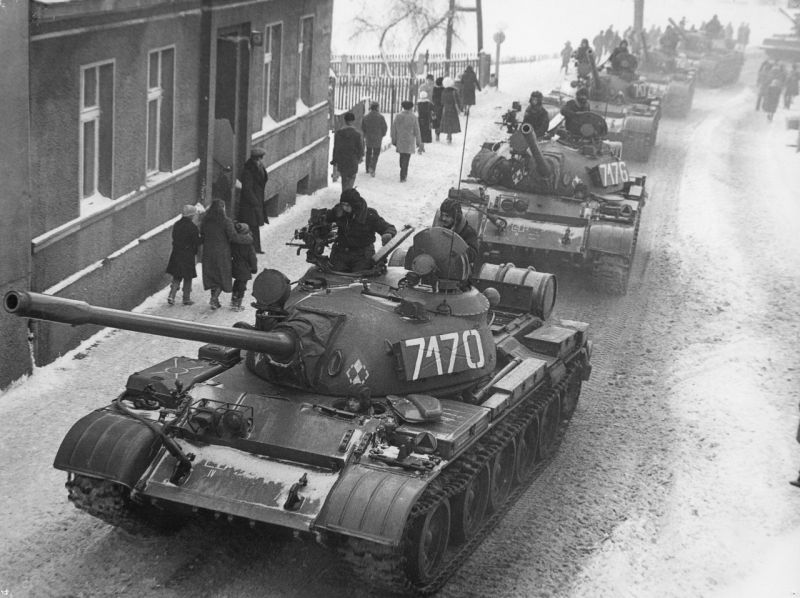
Key Highlights
- Human Rights Violations: Widespread extra-judicial killings, torture, and systematic oppression that instilled pervasive fear.
- Economic Disruptions: Erratic economic policies led to inflation, rising poverty, and long-term setbacks in national development.
- Institutional Damage: Continued erosion of democratic structures and civil liberties, leaving scars in the social and political fabric.
Historical Background and Context
The Martial Law period in the Philippines, declared in 1972 under President Ferdinand Marcos, is widely recognized as one of the most pivotal yet tragic chapters in the nation’s history. Initially presented as a means to stabilize the country and suppress communist insurgency, the policy quickly devolved into a regime marked by oppressive tactics and systemic abuse. This era brought about a pronounced suppression of dissent, where opposition figures, activists, and average citizens were subjected to arbitrary detentions, torture, and extrajudicial killings. These actions not only instilled a climate of fear among the populace but have also had lasting consequences on the nation's collective memory and institutional integrity.
Human Rights and Social Impact
Suppression of Civil Liberties
One of the most devastating impacts of Martial Law was the systematic suppression of civil liberties. Freedom of speech and assembly was severely curtailed as the regime sought to silence dissenting voices. Journalists, intellectuals, and political opponents became targets through the use of punitive measures, including enforced disappearances and prolonged detention without trial. These activities left enduring psychological scars on families and communities who witnessed or experienced state-sanctioned violence firsthand.
Torture and Extrajudicial Killings
The period is infamously remembered for the high incidence of human rights violations. State security forces engaged in routine and brutal acts of torture to extract information or simply to instill terror. Thousands were subjected to torture, and many more suffered under the threat or reality of extrajudicial killings. These actions not only undermined personal freedoms but also disrupted the trust between citizens and the state, leaving deep fissures in the social fabric of the nation.
Economic Impact and Policy Failures
Economic Instability and Mismanagement
While the Martial Law regime often touts early signs of economic progress, a closer examination reveals a far grimmer picture. The alleged economic growth was highly selective, benefiting primarily those connected to the ruling elite. The concentration of wealth among the Marcos clique and its associates came at the cost of a broader and more sustainable economic development. Resources that could have been channeled toward social services, infrastructure, and poverty reduction were diverted to support an elite regime and its international image.
Inflation and Loss of Economic Potential
By the mid-1980s, the unsustainable economic strategies implemented during Martial Law led to severe economic instability. A notable instance is the skyrocketing inflation, which reached levels that undermined basic purchasing power and exacerbated poverty. The financial mismanagement, combined with unaccountable foreign debt, not only hampered current economic performance but also inflicted long-term damage on the country’s economic trajectory—resulting in what many economists refer to as “lost decades” of potential growth.
Misallocation of National Resources
The economic policies during Martial Law were designed to reinforce the power of a select few rather than to promote equitable national development. Public investments were frequently redirected towards projects that benefitted the ruling class or served as a façade for legitimacy, often at the expense of necessary reforms in infrastructure, health, and education. This misallocation has had lasting repercussions, contributing to enduring disparities and impeding the nation's progress in creating a more just and inclusive society.
Long-Term Social and Political Consequences
Erosion of Trust in Institutions
The legacy of Martial Law endures not just in statistics and historical timelines, but in the profound mistrust it fostered towards government institutions. The era created a precedent for impunity and unaccountable governance, elements that continue to influence contemporary political debates. Many institutions were restructured or co-opted during this period, leading to a weakened system of checks and balances. The ramifications are evident today in the ongoing struggles for accountability and the quest for justice among the victims’ families.
Impact on Democratic Processes
The suspension of democratic processes under Martial Law had a ripple effect that continues to be felt. With civil society brutally quashed and dissent criminalized, the political environment became one where authoritarian practices could take root. The restrictions on free speech and assembly did not merely stifle opposition in the moment; they also undermined the development of a robust, participatory democracy. Subsequent democratic transitions have had to grapple with the lingering effects of widespread distrust, historical trauma, and the normalization of state repression as a political tool.
Social Fabric and Community Trauma
The social impact of Martial Law is equally enduring. Families and communities faced severe disintegration as loved ones were taken away, often with little or no explanation. The systemic violence and repression led to generational trauma, which is still addressed today through various human rights and healing initiatives. The collective memory of repression continues to inform the national narrative, ensuring that the lessons of this dark chapter in history remain both a caution and a call for vigilance against the resurgence of authoritarianism.
Comparative Analysis: Human Rights and Economic Repercussions
Below is a table that outlines specific human rights abuses and economic consequences observed during the Martial Law period. This table synthesizes data from various reputable sources to offer a concise view of the multifaceted impact of this era:
| Aspect | Key Points |
|---|---|
| Human Rights Violations |
|
| Economic Impact |
|
| Institutional Corruption |
|
| Social and Political Repercussions |
|
Revisiting the Conclusion
The original conclusion captures the essence of a grim period defined by widespread fear and the brutal suppression of human rights. To expand upon this narrative, it is important to recognize that the effects of Martial Law were not limited to immediate acts of brutality; they extended into the very core of the Philippine social, economic, and political structures. The systematic implementation of martial practices under Ferdinand Marcos did not create order but rather facilitated a regime where corruption, mismanagement, and institutional decay became normalized.
A closer look reveals that the fear generated was a mechanism for absolute control—a tool that allowed the ruling administration to enforce policies without accountability. The pervasive atmosphere of intimidation meant that even the mere suggestion of dissent was enough to trigger uncompromising state responses. This environment not only instilled terror on the ground but also led to societal self-censorship, where community members hesitated to express their opinions or challenge the status quo, thereby reinforcing the cycle of repression. Furthermore, the economic downturn induced by these policies left an enduring legacy: a nation that was deprived of opportunities for balanced and diversified growth, with critical sectors such as education, healthcare, and infrastructure experiencing long-term deficits.
In the years following the end of Martial Law, the country has grappled with the challenge of reconciling this dark past with the demands of modern governance and democratic accountability. The legal battles for reparations, the quest for truth in historical commissions, and the collective mourning through art and literature are all part of this ongoing effort to heal. Recognition of the extensive abuse during this period serves both as a cathartic process for the victims and as a crucial reminder of the perils of unchecked political power.
The overarching lesson, therefore, is twofold: firstly, that any regime which permits the systematic violation of human rights will ultimately sow the seeds of its own downfall; and secondly, that preserving democratic principles is essential not only for protecting individual freedoms but also for ensuring sustainable economic and social development. The historical record of Martial Law compels future leaders and citizens alike to remain vigilant, to promote transparency, and to foster an inclusive political culture where checks and balances are robust and vigilant. Only by continually confronting past abuses can a society move towards genuine reconciliation and growth.
Additional Insights and Related Areas for Exploration
Role of Civil Society and International Oversight
The experience of Martial Law highlights the vital importance of civil society and international organizations in maintaining governmental accountability. It underscores how, in the absence of these watchdogs, even a state with initially promising economic growth can descend into repression and corruption. Modern advocacy for human rights and the strengthening of international legal frameworks are direct responses to the abuses witnessed during this era.
Importance of Historical Accountability
Efforts to preserve historical narratives—through documentaries, educational curricula, and archival projects—serve as crucial tools in ensuring that the lessons of Martial Law are not forgotten. By maintaining accurate records and recognizing the sufferings of the past, societies reinforce principles of justice and enhance public resilience against future authoritarian tendencies.
References
- Martial Law Impact on Economy - Esquire Philippines
- Five Things to Know About Martial Law - Amnesty International
- Martial Law and Corruption Claims - Inquirer.net
- Martial Law Historical Impact - BBC News
-
Economic Impact of Martial Law - HRVV MemCom
Recommended Further Queries
Last updated March 8, 2025