
Maspalomas Dunes: A Comprehensive Overview
Discover the dynamic landscapes and rich ecology of Gran Canaria's iconic natural reserve.
Key Takeaways
- Unique Ecosystems: The dunes are part of a diverse natural reserve featuring palm groves, ponds, and shifting sand formations.
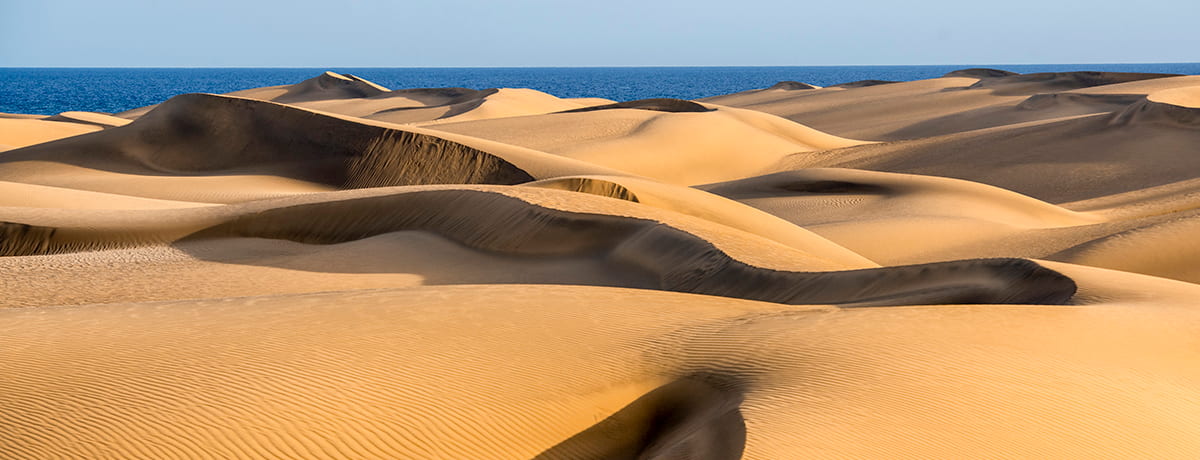
- Dynamic Landscape: Influenced by Atlantic winds, the dunes undergo constant changes, creating a desert-like environment near the coast.
- Conservation and Tourism: Balancing ecological preservation with tourism, the area offers activities like hiking and camel rides while protecting its fragile ecosystems.
Introduction to Maspalomas Dunes
A Natural Marvel on Gran Canaria's Southern Coast
The Maspalomas Dunes, located on the southern coast of Gran Canaria in the Canary Islands, Spain, are a breathtaking natural reserve that spans approximately 404 hectares. Established as a protected area in 1987 and later designated as a Special Natural Reserve in 1994, the dunes are a testament to the harmonious coexistence of natural beauty and ecological preservation.
Geographical and Geological Features
Formation and Composition
Location and Extent
Situated within the municipality of San Bartolomé de Tirajana, the Maspalomas Dunes stretch between Playa del Inglés and the Maspalomas lighthouse. Covering an area of over 400 hectares, the dunes create a striking contrast against the Atlantic coastline.
Formation of the Dunes
The dunes were formed through the deposition of sediments carried by ravines such as Fataga, Ayagaures, and Chamoriscán, as well as marine shells. Over centuries, prevailing Atlantic trade winds have sculpted the sand into its current form, resulting in constantly shifting sand formations that can move 2-5 meters annually. There is also evidence suggesting that a significant tsunami in 1755 may have contributed to their formation.
Composition
The sand within the dunes consists predominantly of pulverized chalk, shells, and volcanic sand, creating a unique geological composition that supports specialized flora and fauna.
Ecological Significance
Biodiversity and Habitats
Ecosystem Diversity
The reserve encompasses three distinct ecosystems: the palm grove (El Palmeral), the pond (La Charca de Maspalomas), and the sand dunes themselves. This diversity fosters a range of habitats that support various species of plants, reptiles, and birds adapted to arid conditions.
Flora and Fauna
The dunes are home to endemic species such as the Gran Canaria giant lizard and various migratory and resident bird species. The halophilic (salt-tolerant) dune ecosystem supports unique vegetation, which plays a crucial role in stabilizing the shifting sands and maintaining the ecological balance.
Climate and Environmental Conditions
Weather Patterns
Maspalomas enjoys a warm, dry climate with an average temperature of around 23°C and approximately 259 sunny days annually. The minimal rainfall contributes to the arid conditions necessary for the formation and maintenance of the dunes.
Impact of Atlantic Winds
The persistent Atlantic trade winds play a pivotal role in shaping the dunes. These winds transport sand from the Sahara Desert, resulting in the dynamic and ever-changing landscape that characterizes the Maspalomas Dunes.
Visitor Experience and Tourism
Activities and Attractions
Maspalomas Dunes are a major tourist attraction, offering a variety of activities that allow visitors to immerse themselves in the natural beauty of the area.
Hiking and Exploration
Numerous trails wind through the dunes, including a popular 5.9-mile loop that provides a moderately challenging hike. Visitors are encouraged to explore the dunes early in the morning to avoid the midday heat and to minimize their impact on the environment.
Camel Rides
One of the most unique experiences offered is camel riding through the dunes. These guided tours follow designated routes to protect the sensitive ecosystem while providing a memorable way to explore the landscape.
Photography and Sightseeing
The dunes offer stunning vistas, especially during sunset when the golden hues create iconic photographic opportunities. The contrast between the desert-like sands and the surrounding coastal areas makes for captivating scenery.
Conservation Efforts
Protecting the Ecosystem
Despite the influx of tourists, significant measures are in place to preserve the ecological integrity of the Maspalomas Dunes. The reserve is managed by local authorities and conservation groups dedicated to maintaining the delicate balance between human activity and natural preservation.
Regulations and Guidelines
Visitors are required to stay on marked paths to prevent sand erosion and protect native vegetation. Activities such as camel rides are restricted to specific areas to minimize environmental impact.
Educational Programs
Guided tours and educational programs are regularly organized to raise awareness about the importance of sustainable tourism and the need to protect desert ecosystems. These initiatives help foster a sense of responsibility among visitors towards conservation efforts.
Accessibility and Visitor Information
Visiting the Dunes
The Maspalomas Dunes are accessible year-round without strict time restrictions, although visiting during the early hours is recommended to avoid the heat and larger crowds. The nearby town of Maspalomas provides ample accommodation, dining, and transportation options for tourists.
Facilities and Amenities
Visitors can find a range of amenities including a visitor center, public viewpoints, and nearby beaches. The presence of La Charca de Maspalomas adds a scenic contrast to the sandy landscape, offering a place for relaxation and bird watching.
Recommended Trails
| Trail Name | Length | Difficulty | Highlights |
|---|---|---|---|
| Loop Trail | 5.9 miles | Moderate | Panoramic views, diverse ecosystems |
| Camino de los Dunes | 3 miles | Easy | Palm groves, bird watching |
| Sunset Path | 2 miles | Easy | Sunset photography, coastal views |
Cultural and Historical Significance
Heritage and Community
The Maspalomas Dunes hold significant cultural and historical value for the local community and visitors alike. The interplay between natural beauty and human activity is evident in the way the area has been developed for tourism while maintaining its ecological integrity.
Historical Formation
Historical accounts suggest that natural events, such as the 1755 tsunami, may have played a role in shaping the dunes. This makes the site not only a natural wonder but also a place of historical interest.
Community Involvement
Local communities are actively involved in conservation efforts, ensuring that tourism development does not compromise the environmental sustainability of the dunes. Educational initiatives and community programs are integral to these efforts.
Conclusion
The Maspalomas Dunes are a remarkable natural reserve that embodies the delicate balance between preserving unique ecosystems and accommodating the needs of a growing tourism industry. With their dynamic landscapes, diverse habitats, and cultural significance, the dunes continue to be a vital ecological and tourist landmark in Gran Canaria. Ongoing conservation efforts ensure that this natural marvel remains protected for future generations to appreciate and enjoy.
References
Last updated February 6, 2025