
Comprehensive Tips for Mass SendGrid Email Sends
Expert insights to optimize your large-scale email campaigns effectively
Key Takeaways
- Technical Excellence: Configure dedicated IP addresses, authenticate your domain, and employ gradual IP warmup.
- List and Content Strategy: Maintain a clean, segmented email list while creating personalized and engaging content.
- Monitoring and Optimization: Use robust analytics, continuous testing, and A/B experimentation to track performance and improve deliverability.
Introduction
Mass emailing requires both technical proficiency and strategic planning to ensure that your campaigns are successful in reaching their intended audience while maintaining high engagement, strong deliverability, and strict compliance with email regulations. When using SendGrid as an email service provider, understanding and implementing best practices is crucial to avoid pitfalls like low deliverability or being flagged as spam. This comprehensive guide will delve into every aspect of mass email campaigns using SendGrid, including technical setup, list management, content strategies, compliance, and ongoing campaign optimization. The guidelines provided here are synthesized from extensive best practices and well-established strategies in the industry.
1. Technical Setup and Infrastructure
1.1 Dedicated IP Addresses and IP Warmup
One of the most critical technical components in mass emailing is the use of dedicated IP addresses. When sending a high volume of emails, sharing an IP address with other senders can negatively impact your sender reputation if other users engage in poor sending practices. A dedicated IP isolates your practice and ensures that your sender reputation is solely in your hands.
Gradual IP Warmup: The process of warming up your IP involves starting with a small number of emails and gradually increasing your email volume over a period of days or weeks. This gradual increase is necessary because Internet Service Providers (ISPs) and spam filters are cautious about sudden bursts of high-volume traffic from an unknown sender. For instance, if you plan to send millions of emails per month, you might start by sending a few thousand first, then progressively increase your rate as your IP builds a trustworthy reputation.
It is advisable to monitor bounce rates and feedback loops during the warmup phase. Any sudden increase in bounce rates or spam complaints during this period might indicate that your new IP is not yet fully trusted. This phase is critical for long-term deliverability.
1.2 Domain Authentication
Domain authentication is another cornerstone of successful mass email campaigns. By setting up SPF (Sender Policy Framework), DKIM (DomainKeys Identified Mail), and DMARC (Domain-based Message Authentication, Reporting and Conformance) records, you assert the legitimacy of your emails. This security step helps prevent phishing and spoofing, thereby increasing trust with ISPs and reducing the risk of your emails being marked as spam.
SendGrid’s dashboard provides an intuitive setup for these records. After correctly configuring these settings in your DNS records, your emails are more likely to bypass spam filters and reach your audience’s inbox.
1.3 Infrastructure Best Practices
Optimizing the backend infrastructure involves several other considerations:
- Suppression Management: Utilize SendGrid’s suppression management tools to filter out invalid email addresses, unsubscribes, and recipients who have marked your emails as spam. This keeps your email list healthy and protects your sender reputation.
- Event Webhooks: Implement event webhooks to capture real-time data on email events (such as opens, clicks, bounces, and spam complaints). Leveraging such data allows you to react quickly to issues and continuously refine your email strategy.
- Batch Sending: Instead of sending your entire list at once, break your recipients into smaller batches. This approach not only minimizes the risk of server overload, but also allows for performance measurement on a smaller scale before a full roll-out.
2. Email List Management
2.1 Building a Quality List
The foundation of any successful email campaign lies in a healthy and engaged subscriber list. When building your email list:
- Double Opt-In: Always use a double opt-in process where new subscribers confirm their email addresses after signing up. This ensures that your emails are being sent to genuinely interested individuals and minimizes the risk of spam traps.
- Organic Growth: Never purchase email lists. Purchased lists usually contain outdated or non-existent addresses, increasing the likelihood of hard bounces and damaging your sender reputation. Focus on organic growth strategies such as content marketing, webinars, and social media promotions.
2.2 List Cleaning and Segmentation
Regular maintenance of your email list is essential for deliverability and engagement. Clean your list periodically by removing:
- Inactive subscribers who have not engaged with your emails for an extended period.
- Bounced email addresses that lead to a negative impact on your sender reputation.
- Unsubscribed contacts or those who have filed complaints against your emails.
Segmentation: Advanced segmentation allows you to deliver highly targeted and personalized content. Group your subscribers based on:
- Demographics such as geographic location, age, or gender.
- Behavioral patterns like past purchases, interests, or previous engagement frequency.
- Email interactions such as click history or open rates.
Proper segmentation can lead to higher engagement rates, lower unsubscribe rates, and improved transactional performance. By crafting messages specific to each segment’s interests, you significantly improve the likelihood that each email will be opened and acted upon.
3. Content Creation and Personalization
3.1 Crafting Engaging Emails
The content of your email is what directly influences your engagement metrics. It is important to craft emails that are:
- Personalized: Use dynamic content fields to include the recipient's name, location, or past behaviors. Personalization goes beyond just the greeting; it can adapt content, images, or even offers based on user data, making the communication feel tailor-made.
- Compelling Subject Lines: Your subject line is the first impression. Keep it short, engaging, and free of spam trigger words. A/B testing subject lines can help fine-tune what works best for your audience.
- Balanced in Format: Strike a balance between text and visuals. Overly image-heavy emails or those with little to no text can be flagged by spam filters. Ensure that your emails have a good text-to-image ratio, and always include alt text for your images.
3.2 Designing Responsive and Accessible Emails
With a significant proportion of users accessing email on mobile devices, it is imperative that your emails are designed with a mobile-first approach. Use responsive design techniques so that your emails render correctly on all devices. This includes:
- Utilizing fluid layout designs that adapt to the width of the screen.
- Testing across multiple email clients and devices to verify visual consistency.
- Ensuring that your call-to-action buttons are easily clickable on smaller screens.
Accessibility should be a priority. Use sufficient color contrast, provide descriptive alt text for images, and structure your HTML in a way that supports screen readers. This not only addresses the needs of all subscribers but can also have a positive impact on your brand reputation.
3.3 Dynamic and Interactive Content
To further enhance engagement, consider incorporating interactive elements in your emails:
- Interactive Elements: Include features such as buttons, embedded videos, sliders, or interactive polls to capture user interest and drive more interactions.
- Personalized Recommendations: Use data-driven dynamic content to suggest products, services, or articles that align with each recipient’s past behavior or preferences. This kind of personalization encourages further engagement and conversion.
- Clear Calls-to-Action (CTAs): Ensure that every email has one or two prominent CTAs. Whether encouraging a purchase, a registration, or simply guiding to further content, a clear CTA directs your audience to take a step without overwhelming them.
4. Compliance and Email Best Practices
4.1 Legal and Regulatory Compliance
Compliance with email regulations is non-negotiable for avoiding legal issues and maintaining your sender reputation. Familiarize yourself with relevant regulations such as:
- CAN-SPAM Act (USA): Requires clear identification of commercial messages, a valid physical mailing address, and a straightforward mechanism for opting out.
- GDPR (EU): Imposes strict rules about consent and data handling, ensuring that communications are sent only to those who have explicitly agreed to receive them.
- CASL (Canada): Mandates that commercial electronic messages include certain identification and consent information.
Always include an easily accessible unsubscribe or opt-out link in every email. Not only is this a legal requirement in many jurisdictions, but it also helps maintain a cleaner, more engaged email list.
4.2 Privacy and Data Security
The security of subscriber information is paramount. Adopt best practices such as:
- Data Encryption: Use encryption for data at rest and in transit to protect personal data from unauthorized access.
- Secure Storage: Rely on robust storage solutions that comply with industry standards and legal requirements.
- Limited Third-Party Sharing: Be cautious when sharing subscriber data. Ensure that any third parties with whom you share data have equally strict security protocols in place.
4.3 Continuous List Hygiene and Sunsetting Policies
Maintaining an up-to-date email list is essential for high deliverability. Regularly purge inactive subscribers, bounced addresses, and unengaged users. A sunsetting policy involves gradually ceasing to send emails to subscribers who have not engaged over a prolonged period. By removing or reducing emails to these recipients, you help improve overall engagement metrics and protect your sender reputation.
5. Leveraging SendGrid’s Specialized Features
5.1 Utilizing SendGrid’s API and Dynamic Templates
SendGrid offers powerful APIs that enable you to integrate email sending capabilities directly into your applications. By making use of these APIs, you can automate various aspects of your email campaigns—from triggering transactional emails based on user actions to sending complex marketing campaigns.
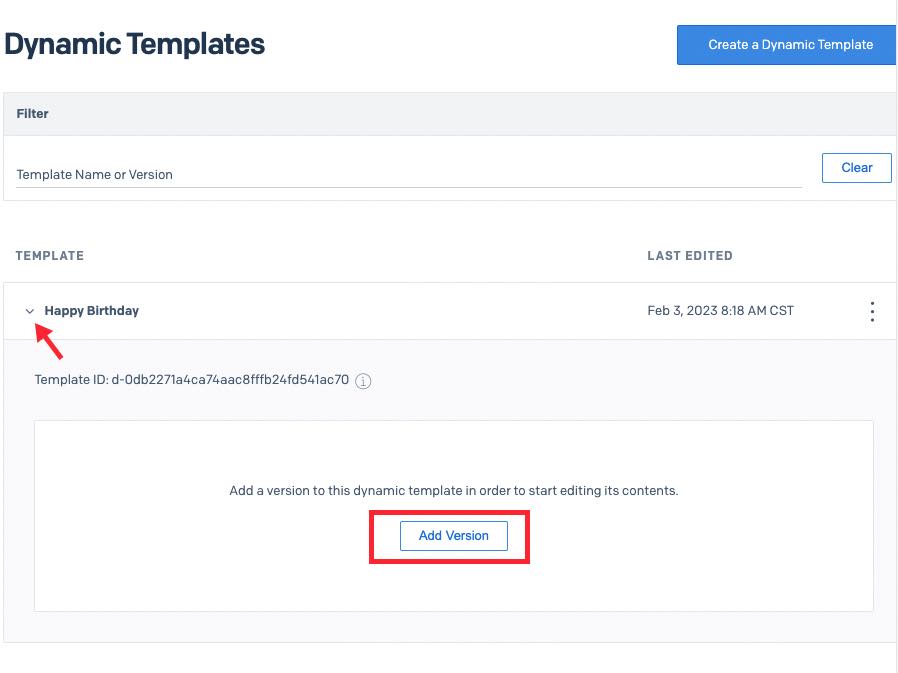
Dynamic Templates: These templates not only save time but also ensure consistency across campaigns. They allow for dynamic content insertion, which means each email can be customized based on recipient data. This leads to improved engagement and a more personalized subscriber experience.
    <!--
      Example: Simple SendGrid API Call Configuration
      Replace placeholders with your API key and dynamic template data
    -->
    <script type="text/javascript">
      const sgMail = require('@sendgrid/mail');
      sgMail.setApiKey('YOUR_SENDGRID_API_KEY');

      const msg = {
        to: 'recipient@example.com',
        from: 'sender@example.com',
        templateId: 'YOUR_DYNAMIC_TEMPLATE_ID',
        dynamic_template_data: {
          firstName: 'John',
          offer: '25% discount'
        }
      };

      sgMail
        .send(msg)
        .then(() => console.log('Email sent'))
        .catch(error => console.error('Error sending email', error));
    </script>
Such automated workflows streamline your email campaigns, ensuring that subscribers receive time-sensitive and relevant content without manual intervention.
5.2 Subuser and Multi-Identity Management
For organizations running multiple campaigns or managing various brands, SendGrid enables the creation of subuser accounts. This feature allows you to segment campaigns and maintain separate sender reputations for different departments or brands. Each subuser account can have its own dedicated settings, sending statistics, and even separate IP addresses if required.
5.3 Automation and Workflow Optimization
Automation is an essential tool in managing mass email campaigns effectively. Setting up workflows—like automated welcome sequences, drip campaigns, and behavior-triggered messages—ensures that your communications are timely and relevant. For example, you could configure an automation that sends:
- A welcome email immediately after signup.
- A follow-up series that educates new subscribers about your products.
- Re-engagement emails for those who have not interacted with your content for a certain period.
These automated sequences not only nurture leads but also reduce the manual workload on your marketing team while keeping your subscribers engaged over time.
6. Testing, Monitoring, and Continuous Improvement
6.1 Pre-Send Testing
Before launching any mass email campaign, thorough testing is critical. Use SendGrid’s preview and sandbox tools to verify:
- Visual consistency across various email clients and devices.
- Correct functioning of dynamic content and personalization tokens.
- Absence of broken links, typos, or rendering issues that could harm your professional image.
Always send test emails to internal accounts to catch any issues before your email reaches your subscribers.
6.2 A/B Testing and Optimization
A/B testing is a powerful method to determine which versions of your emails perform better. Experiment with different:
- Subject Lines: Compare open rates between varied phrasing and lengths.
- Content Styles: Test different text-to-image ratios, personalization levels, and CTAs.
- Send Times: Experiment with sending emails at different times to identify when your audience is most engaged.
The results should be closely monitored through SendGrid’s analytics dashboard, which tracks key metrics like open rates, click-through rates, bounce rates, and spam complaints. Use these insights to refine your campaigns continuously.
6.3 Post-Send Analysis
After each campaign, conduct a comprehensive post-send analysis. Key metrics to measure include:
| Metric | Description | Implications |
|---|---|---|
| Open Rate | The percentage of recipients who opened your email. | Indicates the effectiveness of subject lines and sender reputation. |
| Click-Through Rate (CTR) | The percentage of recipients who clicked on links within your email. | Shows the relevance and engagement of your content. |
| Bounce Rate | The percentage of emails that could not be delivered. | Highlights issues with email list quality and deliverability. |
| Spam Complaints | The number of recipients who marked your email as spam. | Impacts your sender reputation and future deliverability. |
| Unsubscribe Rate | The percentage of recipients who opted out after receiving your email. | Signals content relevance and frequency appropriateness. |
Analyzing these parameters helps you identify areas for improvement in future campaigns. Regularly revising your strategies based on concrete data ensures higher long-term success.
7. Strategic Campaign Management
7.1 Developing a Content and Marketing Calendar
An organized campaign strategy involves planning your marketing messages in advance. Develop a detailed content calendar that outlines:
- Campaign start and end dates for each major marketing initiative.
- The frequency and timing of email sends to avoid overwhelming your subscribers while keeping them engaged.
- The types of campaigns, such as promotional, transactional, or re-engagement emails.
A strategically planned marketing calendar ensures a balanced frequency of contact, reducing the risk of subscriber fatigue and improving overall effectiveness.
7.2 Avoiding Common Pitfalls
In addition to technical and content-based best practices, there are several common missteps to avoid:
- Avoid Purchasing Email Lists: Always grow your list organically. Purchased lists often contain outdated or non-consenting contacts, which can lead to high bounce rates and poor engagement.
- Steer Clear of Overly Aggressive Sales Tactics: Maintain a balance between promotional content and informative material. Constantly pushing sales can alienate your audience.
- Do Not Ignore Subscriber Preferences: Provide options for subscribers to dictate email frequency and content topics. Respecting these preferences minimizes the risk of unsubscribes and spam reports.
7.3 Integrating Human Touch with Automation
Although automation greatly enhances the scalability of your email campaigns, infusing a human touch can significantly elevate the recipient experience. Consider incorporating personalized stories, curated content, or even handwritten elements if possible. This blend of automation and personal outreach builds stronger relationships and fosters long-term engagement.
8. Advanced Strategies for Deliverability
8.1 Adaptive Sending Patterns
ISPs monitor sending patterns closely. Maintain a consistent schedule rather than sporadically sending large volumes of emails. Sudden spikes in sending volume can damage your reputation. Adaptive sending patterns involve carefully scheduling email campaigns so that the sending volume increases in a measured, predictable way.
This strategy can be mathematically modeled as a gradual step function where initial sends, S₀, gradually scale up to Sₙ over time. In mathematical notation:
$$ S(t) = S_0 + \frac{(S_n - S_0)}{T} \times t $$ (where t is the time elapsed and T is the total warmup period)
Employing such a sending curve ensures that your IP warming efforts are effective and that ISPs recognize your sending behavior as natural and deserved of trust.
8.2 Proactive Engagement and Re-Engagement Campaigns
Not all subscribers will be consistently active. Identify segments of your audience that show signs of disengagement and consider proactive re-engagement campaigns. These emails are crafted to reignite interest, often by offering special incentives, updated product information, or simply asking for feedback.
For example, you might establish a re-engagement workflow that targets subscribers who have not opened emails in the last 60 or 90 days. The success of such campaigns not only helps in cleaning up your list but also provides valuable insights into audience preferences.
9. Best Practices in Execution
9.1 Continuous Learning and Adaptation
Email marketing is an evolving landscape where best practices can change with the advent of new technologies and changes in ISP filtering rules. Stay updated with the latest industry trends by following reputable blogs, participating in webinars, and engaging with community forums. SendGrid itself regularly updates its guidelines and best practices, so continuous learning is essential.
Keeping abreast of emerging trends such as the increasing importance of data privacy, enhanced personalization methods, and adaptive content strategies allows you to maintain a competitive edge.
9.2 Responsive Feedback Systems
Establish a feedback loop mechanism within your campaigns. Whether it is through post-campaign surveys, direct email replies, or analysis of metrics, actively gathering feedback and iterating based on those insights can dramatically improve subsequent campaigns.
Not only does this keep your content relevant and engaging, but it also fosters a positive relationship with your subscribers, who feel their opinions are valued and acted upon.
9.3 Implementing Internal Best Practices
Develop internal documentation detailing standard operating procedures (SOPs) for all aspects of your email campaigns, including content creation, list management, testing protocols, and handling feedback. This documentation not only ensures consistency across multiple campaigns but also facilitates onboarding for new team members.
Consider setting up internal reviews of each campaign as part of a continuous improvement process. This can involve peer reviews of email content, technical audits of deliverability setups, and post-campaign data analysis sessions.
10. Case Studies and Real-World Application
10.1 Successful Mass Email Campaigns
To highlight the application of these best practices, consider a case study where a mid-sized e-commerce brand implemented a series of campaigns using SendGrid. The company started by gradually warming up their dedicated IP over a span of four weeks, ensuring that each increase in volume was carefully monitored. Through continuous segmentation, the brand separated transactional emails (order confirmations, shipping notifications) from promotional newsletters. This separation ensured that the high open and click rates of transactional emails did not suffer due to marketing campaigns, and vice versa.
The company also implemented dynamic content in their marketing emails, tailoring product recommendations based on previous browsing history and purchase behavior. Consistent A/B testing allowed them to derive insights that fine-tuned subject lines, image placements, and CTA designs. As a result, they observed a significant improvement in both engagement and conversion metrics. Their open rates increased by approximately 15%, while the click-through rate saw a 20% improvement within a few months of applying these strategies.
10.2 Lessons Learned from Pitfalls
Not all campaigns go without hiccups. Some organizations have faced challenges when failing to adequately warm up new IP addresses, resulting in high initial bounce rates. Others suffered from poor segmentation practices, sending irrelevant content to large portions of their audience and triggering increased unsubscribe and complaint rates. These setbacks underscore the importance of following best practices from the outset. Using data-driven approaches to promptly adjust strategies based on performance metrics is essential.
Companies that have learned from these pitfalls emphasize the need for adherence to compliance standards, thorough testing before sends, and the benefits of gradually scaling volume over time. Overcoming these challenges has helped them achieve higher rates of deliverability and maintain valuable relationships with their subscribers.
11. Future Trends and Innovations
11.1 Emerging Technologies in Email Marketing
As technology evolves, so too does the landscape of email marketing. Artificial Intelligence (AI) and machine learning are starting to play a major role in optimizing email campaigns. Future strategies may include:
-
Predictive Analytics: AI algorithms can predict the best time to send emails, the content that will engage different audience segments, and even personalize subject lines based on past behaviors.
-
Automated Content Generation: Future tools may generate content dynamically, reducing reliance on manual copywriting while still ensuring personalization.
-
Enhanced Engagement Tracking: More sophisticated tracking and analytics tools will provide deeper insights into subscriber behavior, allowing for even more refined targeting and segmentation.
11.2 The Role of Privacy and Data Ethics
With increasing attention on privacy regulations like GDPR and emerging global data protection laws, email marketers must be more vigilant about ethical data usage. In the coming years, transparency about data collection, high standards for opt-in procedures, and options for subscribers to customize their communication preferences will be crucial.
This shift not only influences compliance but also changes how content is personalized and delivered. Respect for subscriber privacy thus becomes both a legal imperative and a competitive advantage.
12. Conclusion
Successfully managing mass email campaigns with SendGrid requires a holistic approach that combines technical excellence, strategic list management, personalized content, regulatory compliance, and proactive optimization. By setting up a robust infrastructure (including dedicated IPs, domain authentication, and batch sending strategies), maintaining an engaged and clean subscriber list through proactive segmentation and list hygiene, and crafting compelling, responsive content that speaks directly to the recipient, you lay the groundwork for successful email marketing.
Additionally, leveraging SendGrid’s advanced features such as dynamic templates, automated workflows, and robust analytics, and continuously testing and refining your strategies, will ensure that your emails not only reach the inbox but also drive meaningful engagement and conversions.
Remember that consistent adherence to compliance guidelines, respecting subscriber data, and staying updated with evolving email technologies will help safeguard your sender reputation and sustain long-term success in your email marketing endeavors.
In summary, the comprehensive tips shared in this guide emphasize that every aspect—from technical configuration and IP warmup to content personalization and post-send analysis—is interlinked in fostering a successful mass emailing strategy. Adopting these best practices will empower your campaigns, minimize risks associated with mass emails, and ultimately achieve higher revenue and stronger customer loyalty.
As you apply these strategies, keep in mind that email marketing is both an art and a science, requiring continuous attention, innovation, and adaptation to the dynamic digital landscape. By balancing technical prerequisites with creative content and meaningful engagement, you can master the art of mass email sends via SendGrid and realize significant benefits for your organization.
References and Further Reading
Appendix: Example Code and Mathematical Model
Example: Basic SendGrid API Call
  //
  // This sample code demonstrates how to send an email using SendGrid's API.
  // Replace 'YOUR_SENDGRID_API_KEY' and the template data with your actual values.
  //
  const sgMail = require('@sendgrid/mail');
  sgMail.setApiKey('YOUR_SENDGRID_API_KEY');

  const message = {
      to: 'subscriber@example.com',
      from: 'noreply@yourdomain.com',
      templateId: 'YOUR_DYNAMIC_TEMPLATE_ID',
      dynamic_template_data: {
          firstName: 'Alice',
          discount: '20%'
      }
  };

  sgMail.send(message)
      .then(() => console.log('Email sent successfully.'))
      .catch((error) => console.error('Error sending email:', error));
Mathematical Representation of IP Warmup
Consider the following representation for a gradual IP warmup:
$$ S(t) = S_0 + \\frac{(S_n - S_0)}{T} \\times t $$
Here, S(t) is the sending volume at time t, S₀ is the initial send volume, Sₙ is the planned send volume, and T is the total warmup period.
This formula helps to determine a steady increase in sending volume, ensuring that ISP monitoring systems accept your growing email traffic as natural.
Recap
This extensive discussion covered a wide array of strategies to successfully manage mass email sends with SendGrid. From ensuring robust technical infrastructure and domain authentication to maintaining a high-quality subscriber list and creating compelling, personalized content—every detail is crucial for achieving high deliverability and engagement. Leveraging automation, dynamic content, and constant performance analytics is vital to fine-tuning and scaling your campaigns effectively.
Continuous learning, regular feedback, and an adaptive strategy based on comprehensive testing and data analysis are key to evolving alongside industry advancements. By adhering to these best practices, your mass email efforts via SendGrid will not only reach the inbox but also resonate with your audience, driving meaningful results.
Last updated January 31, 2025