
Mastering Critical Thinking Through Books and Texts
Engaging Strategies and Techniques for Deeper Analysis
Key Insights
- Active Engagement: Immerse yourself in books and texts by asking critical questions and actively annotating content.
- Strategic Pre-Reading: Set clear goals, preview the material, and map out main ideas for a more directed reading experience.
- Reflective and Collaborative Analysis: Summarize, discuss, and reflect on the content to develop and challenge your own understanding.
Introduction
Developing superior critical thinking skills when reading involves more than simply absorbing text; it is about engaging with material in a meaningful and analytical way. With the vast amount of information available in books, articles, and other texts, mastering critical thinking is essential for not only understanding the subject matter but also for applying insights to real-world scenarios. This comprehensive approach involves innovative strategies, active reading techniques, and continuous reflection to understand and evaluate ideas with clarity and purpose.
Pre-Reading Strategies
The journey toward enhanced critical thinking begins even before you open the cover of a book or delve into a new article. Preparing your mind by setting a clear intention is crucial.
Setting Clear Objectives
Understand why you are reading a particular text. Are you reading for research, personal growth, or enjoyment? Defining your purpose not only helps your concentration but also determines the depth of engagement you will bring to the material. With clear objectives, you can focus on identifying the critical elements and arguments presented.
Previewing and Skimming
Before diving into a text, take a few moments to scan through the table of contents, introduction, summaries, or even the chapter headings. This technique provides a roadmap of the central themes and key arguments, which in turn help in building a mental framework. This preliminary overview positions you to pay attention to details while reading, making it easier to understand and critique the arguments on a deeper level.
Active Reading Techniques
Active reading is the cornerstone of developing critical thinking. It transforms passive reading into an engaged, dynamic process where the reader interacts directly with the text. Here are several approaches to ensure a more interactive reading experience:
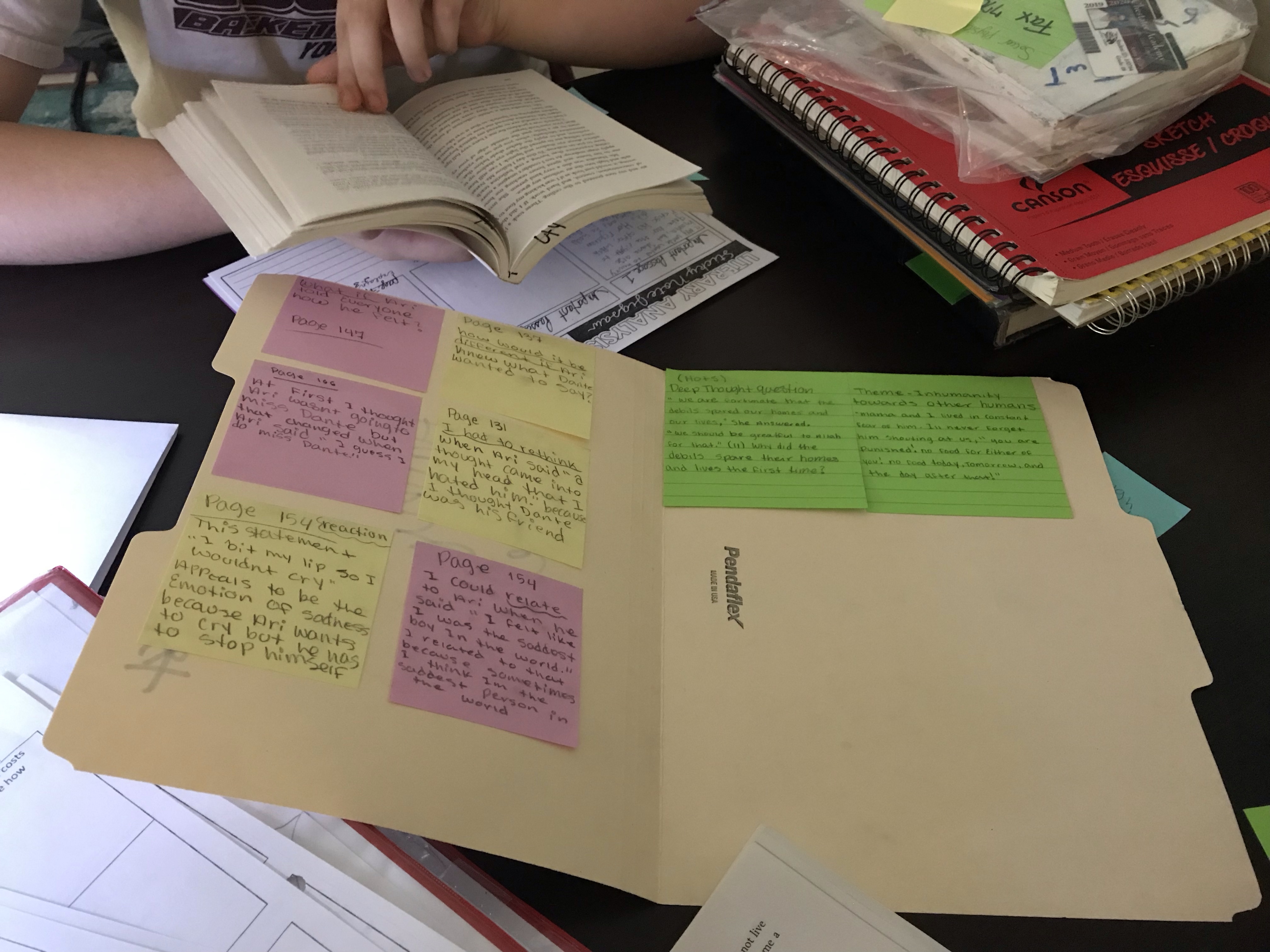
Annotating and Note-Taking
Detailed Engagement with the Text
While reading, use a highlighter or write in the margins to mark key points, unfamiliar phrases, and significant passages that prompt questions. Annotating helps to effortlessly identify the author’s main arguments, supporting evidence, and areas of personal interest or skepticism. By making real-time notes, you create a trail of your thought process that you can later use for review or discussion.
Developing Questions
Encourage a habit of asking questions about the text:
- What is the author trying to communicate?
- What evidence supports the claims made?
- Are there biases or assumptions present?
- How does this connect with existing knowledge or other texts?
Identifying Themes and Patterns
Recognize recurring themes, symbols, and motifs that layout the backbone of the argument. Look for patterns in how ideas are argued, repeated, or evolved over the text. This helps in understanding the broader arguments and the selective emphasis placed by the author. When themes are central to a text, your ability to trace development over time and recognize contradictions or strengthening viewpoints enhances your capacity to critique intelligently.
Reflective Summarization
After reading a section or chapter, summarize the key ideas in your own words. Summarization forces you to distill complex information into its core components, reinforcing both retention and comprehension. It can also highlight any gaps in your understanding, inviting you to revisit parts of the text or seek secondary sources for clarity.
Post-Reading Strategies
Critical thinking does not end when you finish reading a text. It continues as you reflect on and process the material, explore different perspectives, and integrate new knowledge with existing beliefs.
Reflecting on Learnings
Reflect on what you have read by considering how the new information fits into your existing framework of knowledge. Consider how the author’s argument challenges your own views or complements them. This level of introspection inspires you to think beyond the surface and critically evaluate the effectiveness and relevance of the arguments presented.
Comparative Analysis and Discussion
Explaining and Debating
Engage in discussions with peers, join book clubs, or participate in online forums where you can debate the ideas presented in the text. Explaining concepts to others forces you to articulate your understanding clearly and can help uncover hidden nuances. These conversations often present new perspectives that contribute to well-rounded critical analysis.
Research and Cross-Verification
Verifying information by consulting multiple sources is a key ingredient in critical reading. When you encounter an argument or claim, check it against alternative viewpoints, academic research, or other respected publications. This cross-verification reinforces the validity of the information and sharpens your critical judgment.
Teaching and Sharing Knowledge
Summarizing and teaching the material to others is an effective way to solidify your understanding. Whether it is through a formal presentation, a blog post, or a casual conversation, transmitting your insights encourages a deeper exploration of the topic and further hones your critical thinking skills.
Comparative Table of Strategies
| Strategy | Description | Benefits |
|---|---|---|
| Pre-Reading | Skim table of contents and set clear objectives. | Establishes a roadmap and focus for reading. |
| Active Reading | Annotate, take notes, and ask probing questions. | Promotes deeper understanding and retention. |
| Identifying Themes | Recognize recurring motifs and patterns. | Helps in understanding underlying arguments. |
| Reflective Summarization | Summarize the text in your own words. | Enhances clarity and identifies gaps in knowledge. |
| Collaborative Discussion | Engage with peers and participate in debates. | Broadens perspective and strengthens argumentation skills. |
| Research and Cross-Verification | Validate information using multiple sources. | Ensures accuracy and enhances critical evaluation. |
Advanced Techniques for Mastering Critical Thinking
Once basic strategies are in place, advancing further into critical thinking involves integrating several advanced techniques:
Interdisciplinary Reading
Diversify your reading list to include materials from various disciplines. Engaging with a broad spectrum of subjects, including literature, philosophy, science, and history can help you develop a holistic view. Interdisciplinary reading allows you to see patterns that may not be apparent when confined to a single field, thereby fostering a more versatile and adaptable mindset.
Practice Reflective Journaling
In addition to summarization, maintaining a reflective journal can be an invaluable practice. Regularly writing about what you've read, your reactions, and the connections you draw between different ideas helps consolidate your understanding and improves your ability to think critically. Over time, this habit results in more thoughtful analyses and the ability to articulate complex thoughts.
Engage in Constructive Debate
Effective critical thinking includes being able to evaluate and defend different viewpoints. Organize or join structured debates that challenge commonly accepted ideas. This not only sharpens your analytical skills but also exposes you to counterarguments that can strengthen your perspective.
Utilize Concept Mapping
Concept mapping is a visual tool that allows you to connect ideas and concepts from the text. By diagramming relationships between themes, arguments, and evidence, you can gain insight into the structure and logic of the arguments. This method promotes a clearer understanding of complex topics and aids in memory retention.
Incorporating External Resources
No single method is exhaustive. It is prudent to combine active reading techniques with external resources for an enriched learning experience. For instance, academic journals, educational websites, online courses, and expert talks provide additional perspectives on the material. Platforms such as Coursera, Harvard Business Review, and research databases offer curated content designed to build your analytical skills.
Leveraging Digital Tools
Today’s technology can be a powerful ally in mastering critical thinking. Digital note-taking apps, concept-mapping software, and discussion forums can help you organize your thoughts, track progress, and engage with like-minded learners globally. Integrating these tools with your reading habits reinforces and systematically builds upon critical analysis skills.
Combining Strategies for Long-Term Mastery
The true essence of mastering critical thinking lies in the consistent and combined application of the above strategies. By setting clear reading goals, actively engaging with content, and critically comparing ideas, you form the basis for a highly effective analysis framework.
Creating a Routine
Establish a reading routine that interleaves periods of active reading with intervals for reflection and group discussion. Routinely revisiting and updating your annotations and summaries reinforces memory and deepens your understanding over time. This structured routine is key to maintaining consistency and long-term proficiency in critical thinking.
Evaluating and Updating Techniques
Just as texts evolve in content and style, your strategies should also be flexible. Continually assess which techniques yield the best results and be prepared to adjust or adopt new methods. By staying adaptable, you cater to different types of texts and subject matter, ensuring that your critical thinking skills remain sharp, comprehensive, and relevant.
References
- Critical Thinking Skills - Coursera
-
Reading Widely to Develop Critical Thinking Skills - Seven Springs
- Reading Develops Critical Thinking Skills - Idaho Ed News
- Thinking Skills While Reading - Reading Ranch
- Reading for Critical Thinking - The Happy Hollisters
Recommended Queries
Last updated March 20, 2025