
Unlock Your Next Career Move: Master the Art of the Job Interview
Your comprehensive guide to navigating the interview process with confidence and securing that coveted job offer in 2025.
Key Strategies for Interview Success
- Thorough Preparation is Paramount: Dive deep into researching the company, understanding its culture, values, and the specifics of the role you're applying for. This demonstrates genuine interest and helps tailor your responses.
- Master Your Narrative with Storytelling: Practice articulating your experiences using the STAR method (Situation, Task, Action, Result) to create compelling stories that showcase your skills and achievements effectively.
- Engage and Follow Up Professionally: Prepare insightful questions to ask the interviewer, maintain positive body language, and always send a personalized thank-you note within 24 hours to leave a lasting positive impression.
The Road to Interview Triumph: A Step-by-Step Guide
Navigating a job interview successfully requires more than just showing up; it demands meticulous preparation, strategic communication, and the ability to present yourself as the ideal candidate. In today's competitive job market, especially as we move through 2025, understanding the nuances of the interview process is crucial. This guide will walk you through each essential phase, from initial preparation to post-interview follow-up.
Phase 1: Laying the Groundwork – Pre-Interview Preparation
The effort you invest before the interview significantly impacts your performance. A well-prepared candidate exudes confidence and competence.
Deep Dive: Research the Company and Role
Thorough research is non-negotiable. Start by visiting the company’s official website. Explore their "About Us" page, understand their mission statement, core values, and company culture. Delve into their products or services, recent news, press releases, and any significant developments or projects. Social media platforms like LinkedIn, and company review sites like Glassdoor, can offer further insights into their work environment and employee experiences. Crucially, dissect the job description. Identify the key responsibilities, required skills, and qualifications. Reflect on how your experience, skills, and career aspirations align with what the employer is seeking. This knowledge will enable you to tailor your answers and demonstrate a genuine, informed interest in the company and the specific role.
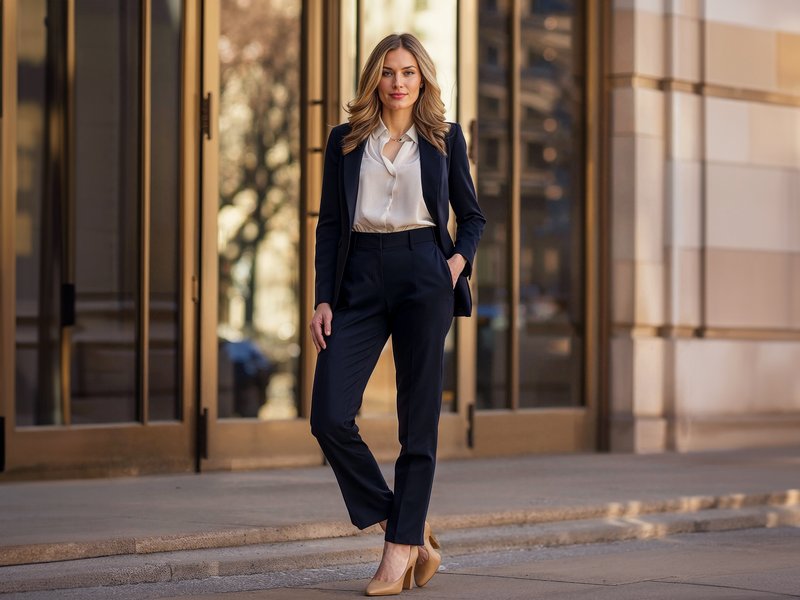
Appropriate professional attire is key for making a strong first impression.
Practice Makes Perfect: Rehearsing Common Interview Questions
Anticipate and practice responses to common interview questions. This will help you articulate your thoughts clearly and confidently. Some frequent questions include:
- "Tell me about yourself."
- "What are your strengths and weaknesses?"
- "Why are you interested in this role?"
- "Why do you want to work for this company?"
- "Describe a time you faced a challenge and how you overcame it."
- "Where do you see yourself in five years?"
- "What are your salary expectations?"
For behavioral questions (like the "challenge" example), the STAR method (Situation, Task, Action, Result) is an invaluable tool. It provides a structured way to deliver concise and impactful stories that highlight your competencies. Practice your answers out loud, perhaps with a friend or mentor, or even by recording yourself. This helps refine your delivery and reduce anxiety.
Prepare Your Arsenal: Documents and Attire
Organize all necessary documents well in advance. Have multiple printed copies of your resume and a list of professional references. If relevant to the role, prepare a portfolio of your work or any certifications. Your attire speaks volumes before you even utter a word. Dress professionally, aligning with the company's culture. If unsure, it's generally safer to be slightly overdressed. For virtual interviews, professional attire from the waist up is still recommended, along with a neat and tidy appearance.
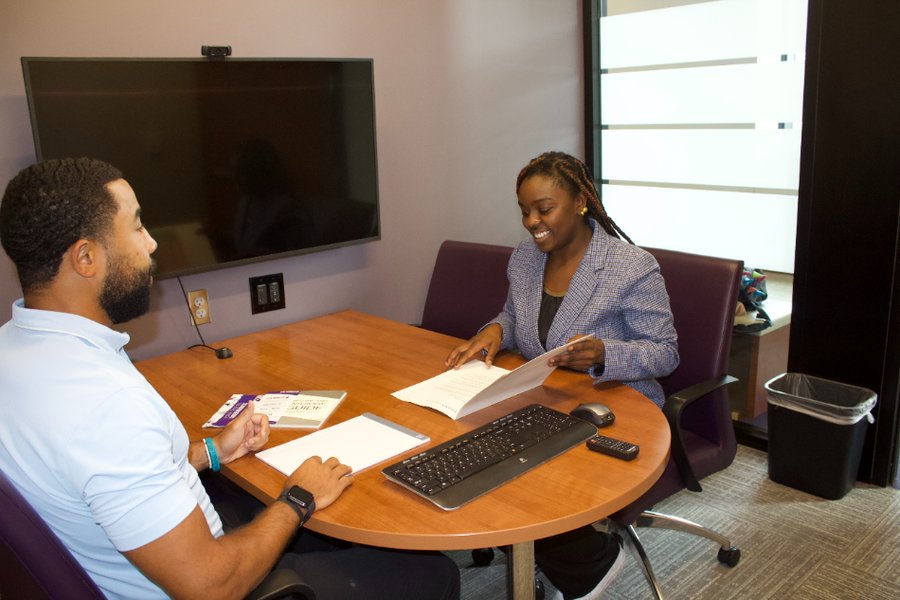
A quiet, well-lit space is essential for successful virtual interviews.
Logistics for a Smooth Experience
For in-person interviews: Plan your route and transportation method. Aim to arrive 10-15 minutes early to allow for unforeseen delays and to compose yourself. For virtual interviews: Ensure your technology is in order. Test your internet connection, camera, and microphone beforehand. Choose a quiet, well-lit location free from distractions. A neutral, professional background is ideal. Inform household members about your interview to minimize interruptions.
The Power of Questions: Prepare Your Own
An interview is a two-way street. Preparing thoughtful questions to ask the interviewer demonstrates your engagement, curiosity, and genuine interest in the role and company. Consider questions like:
- "What does a typical day look like for someone in this position?"
- "What are the biggest challenges currently facing the team or department?"
- "What opportunities are there for professional growth and development within the company?"
- "How does this role contribute to the company's broader goals?"
- "Can you describe the team I would be working with?"
- "What are the next steps in the interview process?"
Visualizing Your Interview Strategy
To better understand the multifaceted nature of interview preparation, the following mindmap outlines the key components involved in making a stellar impression. It connects various stages from initial research to post-interview actions, offering a holistic view of the process.
- Mission, Values, Culture
- Products/Services
- Recent News
- Job Description Analysis"] id2["Practice Common Questions
- 'Tell me about yourself'
- Strengths/Weaknesses
- Behavioral (STAR method)"] id3["Prepare Your Questions
- Show engagement
- Clarify role/company aspects"] id4["Organize Materials
- Resume copies
- References
- Portfolio (if applicable)"] id5["Professional Attire
- Align with company culture
- Neat and presentable"] id6["Logistics
- In-person: Route, timing
- Virtual: Tech check, quiet space"] ["Phase 2: During the Interview"] id7["Making an Impression
- Punctuality
- Professionalism"] id8["Answering Effectively
- Honesty & Authenticity
- Positive Framing
- Storytelling (STAR)"] id9["Non-Verbal Cues
- Eye contact
- Good posture
- Active listening"] id10["Asking Your Questions
- Demonstrate interest
- Thoughtful inquiries"] ["Phase 3: Post-Interview"] id11["Follow-Up
- Thank-you note (within 24h)
- Reiterate interest"] ["Key Attributes for 2025"] id12["Storytelling Skills"] id13["Authenticity"] id14["Digital Presence (Virtual Interviews)"]
This mindmap illustrates the interconnectedness of various preparation steps, emphasizing that success is built on a foundation of thoroughness and strategic thinking.
Phase 2: Shining During the Interview
This is your moment to connect with the interviewer and demonstrate why you are the best fit for the role.
First Impressions and Introduction
When asked "Tell me about yourself," provide a concise, professional summary. Focus on your relevant background, key skills, significant accomplishments, and how they relate to the job you're interviewing for. Conclude by expressing your enthusiasm for the opportunity. Avoid rambling or delving into overly personal details.
Answering Questions with Impact
Listen carefully to each question before responding. It's okay to take a brief pause to gather your thoughts. Answer honestly and thoughtfully. Frame experiences positively: Even when discussing challenges or past "failures," focus on what you learned and how you grew from the experience. Avoid speaking negatively about previous employers or colleagues. Storytelling: As emphasized for 2025, use storytelling to make your experiences memorable. Instead of just listing skills, weave them into narratives that demonstrate their application and impact. The STAR method is excellent for this. Strengths and Weaknesses: When discussing strengths, choose those that are relevant to the job and provide specific examples. For weaknesses, acknowledge a genuine area for improvement and describe the steps you're taking to address it. This shows self-awareness and a commitment to growth.
The Unspoken Language: Non-Verbal Communication
Your body language plays a significant role. Maintain good eye contact (without staring) to show engagement. Sit upright to convey confidence and attentiveness. Use natural gestures to emphasize points. Listen actively, nod to show understanding, and avoid interrupting the interviewer. A genuine smile can also help build rapport.
Asking Your Prepared Questions
When the interviewer asks if you have any questions, seize this opportunity. Asking your prepared, insightful questions reinforces your interest and shows you've done your homework. This is also your chance to gather more information to assess if the company and role are a good fit for you.
Gauging Interview Aspect Importance: A Comparative View
Success in a job interview hinges on a blend of different preparatory and performative elements. The radar chart below provides a visual representation of the relative importance of key aspects of the interview process, based on current best practices for 2025. While all areas are important, some may require more focused attention depending on the role and company.
This chart highlights that while foundational elements like company research and question practice are highly critical, aspects like non-verbal communication and professional attire significantly shape the interviewer's initial perception. For virtual interviews, the technical setup also plays a vital role.
Phase 3: The Crucial Post-Interview Follow-Up
Your interaction doesn't end when you leave the interview room (or log off the video call).
The Power of a Thank-You Note
Always send a personalized thank-you note or email within 24 hours of your interview. This courteous gesture demonstrates professionalism and reiterates your interest in the position. In your note, thank the interviewer for their time, briefly mention a specific point from your conversation that resonated with you, and reaffirm your enthusiasm for the role and how your skills align with the company's needs. This small step can significantly differentiate you from other candidates.
Expert Insights: Mastering Interview Techniques
To further enhance your preparation, consider insights from seasoned career advisors. The following video from Harvard Career Services offers valuable tips on how to ace your interview, covering preparation, execution, and making a lasting impact. These strategies are timeless and particularly relevant in competitive job markets.
This video discusses key strategies such as in-depth company research, anticipating questions, formulating your own insightful questions, practicing your delivery, and the importance of following up. These expert tips can provide a solid framework for your interview approach.
Common Interview Questions & Approach Strategies
Being prepared for common questions is essential. The table below outlines some frequently asked questions and provides brief strategies for approaching them:
| Question | Strategy & Focus |
|---|---|
| Tell me about yourself. | Provide a brief, professional summary. Focus on your relevant background, skills, and career goals related to the role. Keep it concise (1-2 minutes). |
| What are your strengths? | Highlight 2-3 key strengths relevant to the job description. Provide specific examples or achievements that demonstrate these strengths. |
| What are your weaknesses? | Choose a genuine weakness you've actively worked to improve. Explain the steps you've taken and the progress made. Show self-awareness and a growth mindset. Avoid clichés. |
| Why are you interested in this role? | Connect your skills and interests directly to the role's responsibilities and the company's mission. Show genuine enthusiasm and that you've done your research. |
| Why should we hire you? | This is your sales pitch. Summarize your unique qualifications, experience, and the value you would bring to the team and company. Align with their needs. |
| Describe a time you faced a challenge. | Use the STAR method (Situation, Task, Action, Result) to structure your answer. Focus on your problem-solving skills and the positive outcome. |
| Where do you see yourself in 5 years? | Demonstrate ambition and a desire for growth, aligning your goals with potential opportunities within the company. Be realistic and show commitment. |
| What are your salary expectations? | Research the typical salary range for the role in your location. You can provide a range or defer the discussion until an offer is made, if comfortable. |
| Do you have any questions for me? | Always have 2-3 thoughtful questions prepared. This shows your engagement and interest. Focus on the role, team, company culture, or growth opportunities. |
Practicing your responses to these questions, tailored to each specific interview, will significantly boost your confidence and performance.
Frequently Asked Questions (FAQ)
Recommended Next Steps
To deepen your understanding and further refine your interview skills, consider exploring these related topics:
- How can I master the STAR method for answering behavioral interview questions?
- What are the most effective strategies for negotiating salary once I receive a job offer?
- What techniques can I use to manage interview anxiety and project more confidence?
- How do I best tailor my resume and cover letter to stand out for each specific job I apply for?
References
Last updated May 9, 2025