
Mastering the Internal Structure of openEuler and HarmonyOS: A Comprehensive Guide
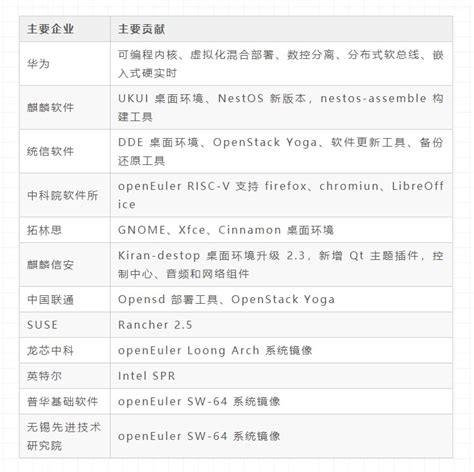
Embarking on the journey to understand the internal structures of openEuler and HarmonyOS is a commendable endeavor, especially given their pivotal roles in the future of IT. Despite the primary documentation being in Chinese, there are numerous strategies and resources you can leverage to gain a deep and thorough understanding of these operating systems. This guide synthesizes the most reliable methods to help you overcome language barriers and master the intricacies of openEuler and HarmonyOS.
1. Grasping the Architectural Foundations
openEuler Architecture
openEuler is an open-source, Linux-based operating system developed by Huawei under the OpenAtom Foundation. It is tailored for a variety of applications, including servers, cloud computing, edge computing, and embedded systems. Key architectural components include:
- Linux Kernel Foundation: openEuler leverages the robust and versatile Linux kernel, optimized for performance and security, particularly for Kunpeng processors and other architectures.
- Modular Design: The system is designed with modularity in mind, facilitating customization and scalability for different hardware platforms.
- Security and Stability: Emphasis on security features such as SELinux and system auditing ensures a stable and secure operating environment.
- Package Management: Utilizes the DNF package manager for efficient software installation and updates.
HarmonyOS Architecture
HarmonyOS (鸿蒙) is Huawei's distributed operating system designed to offer seamless integration across a wide range of devices, including smartphones, tablets, IoT devices, wearables, and smart appliances. Its architecture is distinctively microkernel-based, promoting enhanced security and modularity. The primary layers include:
- Kernel Layer: Features a lightweight microkernel that handles essential system functions such as process management, memory management, and peripheral management.
- System Service Layer: Provides system services that build upon the kernel, including device management, data management, and communication services.
- Framework Layer: Contains the frameworks and libraries that developers utilize to build applications, offering a consistent interface for app development.
- Application Layer: The topmost layer where user applications reside, supporting a unified development framework that simplifies app creation across different device types.
2. Overcoming the Language Barrier
a. Utilizing Translation Tools
Given that much of the openEuler and HarmonyOS documentation is in Chinese, translation tools are invaluable:
- Google Translate: Offers translation of entire web pages or specific sections. Using browser extensions, you can translate pages in real-time.
Google Translate - DeepL Translator: Renowned for its accuracy in translating technical content, making it ideal for understanding complex documentation.
DeepL Translator - Microsoft Translator: Another reliable option for translating technical documents and web pages.
Microsoft Translator
b. Learning Basic Technical Chinese
Familiarizing yourself with fundamental technical terms in Chinese can significantly enhance your comprehension:
- 操作系统 (cāozuò xìtǒng) – Operating System
- 内核 (nèihé) – Kernel
- 分布式 (fēnbùshì) – Distributed
- 驱动程序 (qūdòng chéngxù) – Driver
- 开源 (kāiyuán) – Open Source
Tools like Pleco (a Chinese dictionary app) or Anki flashcards can aid in building your technical vocabulary.
c. Community Support
Engaging with bilingual developer communities can provide essential support:
- openEuler Community Forums: Engage with developers and contributors.
openEuler Forums - OpenHarmony GitHub Discussions: Participate in discussions and seek assistance.
OpenHarmony GitHub - Reddit: Subreddits like r/linux, r/opensource, or r/HarmonyOS often feature relevant discussions. r/linux
3. Accessing and Utilizing Documentation
a. Official English Documentation
Both openEuler and HarmonyOS offer English documentation to cater to the global developer community:
- openEuler Documentation: Comprehensive guides covering installation, administration, and development.
openEuler Documentation - HarmonyOS Developer Portal: Resources for app and device development.
HarmonyOS Developer Portal
b. GitHub and Open Source Repositories
Exploring the source code and documentation available on GitHub can provide deeper insights:
- openEuler on GitHub: Access source code, issues, and contributions.
openEuler GitHub - OpenHarmony Repository: Explore the open-source version of HarmonyOS.
OpenHarmony GitHub
4. Engaging with Developer Communities and Forums
a. Developer Forums
Participating in official forums allows you to interact with experienced developers:
- Huawei Developer Forums: Official forums where HarmonyOS and openEuler topics are discussed.
Huawei Developer Forums - GitHub Issues and Discussions: Engage directly with the development community.
OpenHarmony on GitHub
b. Q&A Platforms
Platforms like Stack Overflow can be invaluable for troubleshooting and learning:
- Search for existing questions or post new ones related to openEuler and HarmonyOS.
Stack Overflow
c. Collaborate with Native Speakers
Partnering with Chinese-speaking developers can facilitate better understanding and translation of complex documentation:
- Use platforms like GitHub, LinkedIn, or open-source communities to find collaborators.
- Consider hiring translators with technical expertise through freelancing platforms like Upwork or Fiverr.
5. Leveraging Learning Resources
a. Technical Videos and Tutorials
Visual learning can significantly enhance your understanding of complex systems:
- Search for technical videos on platforms like YouTube. For example, videos titled "HARMONY OS: Technical Architecture" provide detailed overviews.
YouTube - Explore tutorials that walk through the development process using HarmonyOS and openEuler.
b. Online Courses
Structured learning through online courses can provide a systematic approach:
- Linux Foundation Training: Offers courses on Linux kernel development which are foundational for understanding openEuler.
Linux Foundation Training - Huawei Developer Training: Look for HarmonyOS-specific training programs on the Huawei Developer Portal.
Huawei Developer Training - Coursera, Udemy, edX: Platforms that provide courses related to operating systems, distributed systems, and microkernel architecture.
Coursera
c. Books and Research Papers
Delving into academic and professional literature can deepen your theoretical understanding:
- Books:
- “Linux Kernel Development” by Robert Love – A comprehensive guide to Linux internals.
- “Operating Systems: Three Easy Pieces” by Remzi H. Arpaci-Dusseau – An accessible introduction to OS concepts.
- Research Papers: Search for papers on microkernel design and distributed systems on platforms like Google Scholar.
Google Scholar
6. Gaining Practical Hands-On Experience
a. Setting Up Development Environments
Practical experience is essential for mastering openEuler and HarmonyOS:
- openEuler:
- Download openEuler from openEuler's official site.
- Install it using virtualization tools like VirtualBox or VMware.
VirtualBox | VMware - Experiment with system administration tasks such as network configuration and package management.
- HarmonyOS:
- Download DevEco Studio from Huawei Developer Portal.
- Set up an emulator or use a HarmonyOS device for testing applications.
- Develop and deploy simple apps to understand the framework and APIs.
b. Exploring Source Code
Studying the actual source code provides unparalleled insights into the system's internal workings:
- openEuler: Access the source code on GitHub and analyze key modules like the kernel, system libraries, and tools.
openEuler GitHub - OpenHarmony: Clone the repository from GitHub and explore the microkernel and system service layers.
OpenHarmony GitHub
c. Contributing to Open-Source Projects
Active participation in open-source projects accelerates learning and establishes connections within the community:
- Start with small tasks such as fixing bugs or improving documentation.
- Engage in discussions and contribute to feature development.
- Use platforms like GitHub and Gitee to find projects and contribute.
GitHub | Gitee
7. Supplementary Learning Strategies
a. Networking and Collaboration
Building a network with other developers can provide support, knowledge exchange, and collaborative opportunities:
- Attend conferences such as the Huawei Developer Conference (HDC) or Linux Foundation events.
Huawei Events - Join online communities on platforms like Discord, Reddit, or Slack.
Discord - Participate in hackathons or coding competitions related to open-source projects.
b. Staying Updated
Both openEuler and HarmonyOS are rapidly evolving. Keeping abreast of the latest developments is crucial:
- Follow official blogs and announcements:
openEuler Blog | HarmonyOS Blog - Subscribe to newsletters and join mailing lists to receive updates directly.
- Engage with social media channels and forums dedicated to these projects.
c. Attending Webinars and Workshops
Participate in webinars and workshops to gain practical insights and hear from experts:
- Check the official websites and developer portals for upcoming events.
- Watch recorded sessions from past events to learn at your own pace.
8. Overcoming Common Challenges
a. Dealing with Limited English Resources
While much of the documentation is in Chinese, leveraging the available English resources and community support can mitigate this limitation:
- Prioritize sections of the documentation that have official English translations.
- Use translation tools for other sections, focusing on technical terms to maintain accuracy.
- Engage with bilingual developers who can assist in translating and interpreting complex concepts.
b. Managing Complex System Architectures
The intricate architectures of openEuler and HarmonyOS can be daunting. Breaking down the learning process into manageable segments can aid comprehension:
- Start with high-level overviews before delving into detailed components.
- Use diagrams and flowcharts to visualize system interactions and dependencies.
- Implement small projects or experiments to apply theoretical knowledge practically.
c. Gaining Sufficient Hands-On Experience
Practical experience is essential. Setting up development environments and experimenting with system configurations can bridge the gap between theory and practice:
-
Regularly practice system administration tasks on openEuler.
-
Develop and deploy applications on HarmonyOS to understand its distributed capabilities.
-
Contribute to open-source projects to gain real-world experience and feedback.
9. Future Prospects and Opportunities
Mastering openEuler and HarmonyOS opens up a myriad of career opportunities in the IT sector:
- Enterprise IT: Utilize openEuler for applications in cloud computing, big data analytics, and artificial intelligence.
- IoT Development: Leverage HarmonyOS's distributed architecture to build integrated IoT systems.
- Open-Source Contributions: Gain recognition and establish expertise by contributing to these high-impact projects.
Conclusion
While the challenge of navigating Chinese documentation for openEuler and HarmonyOS may initially seem formidable, a structured and resourceful approach can turn this hurdle into an opportunity for profound learning and professional growth. By understanding the architectural foundations, utilizing translation tools, engaging with developer communities, and gaining hands-on experience, you can master these cutting-edge operating systems. Embracing these strategies will not only enhance your technical expertise but also position you at the forefront of the evolving IT landscape.
Last updated January 2, 2025