
Mastering Problem-Solving Skills
Unlock your potential with strategies and techniques for effective problem-solving.
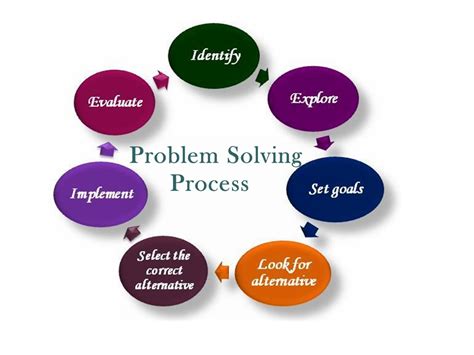
Key Takeaways
- Comprehensive Understanding: Clearly define and understand the problem to address its root causes effectively.
- Analytical and Creative Thinking: Enhance both analytical and creative thinking skills to generate and evaluate diverse solutions.
- Structured Action Plans: Develop and execute structured action plans, continuously reflecting and learning from outcomes.
1. Clearly Define and Understand the Problem
Establish a Solid Foundation
Effective problem-solving begins with a comprehensive understanding of the issue at hand. This involves not only identifying the problem but also dissecting it into smaller, more manageable components. Start by asking critical questions such as:
- What is the exact nature of the problem?
- Who or what is affected by this issue?
- What are the constraints and limitations surrounding the problem?
- What are the desired outcomes or goals?
By thoroughly defining the problem, you ensure that your efforts are directed towards addressing the core issues rather than superficial symptoms. This clarity is essential for developing effective and sustainable solutions.
2. Identify the Root Cause
Digging Deeper with Analytical Tools
Once the problem is clearly defined, the next step is to identify its root cause. Tools such as the "5 Whys" technique and Root Cause Analysis are invaluable in this process. These methods encourage you to peel back the layers of the problem, moving beyond immediate symptoms to uncover underlying issues.
- The 5 Whys: Repeatedly asking "why" helps in tracing the problem back to its fundamental cause.
- Root Cause Analysis: This systematic approach identifies all possible causes of a problem, helping to prevent recurrence.
Addressing the root cause ensures that the solutions developed are effective in the long term, rather than providing temporary relief.
3. Collect and Analyze Information
Building an Informed Understanding
Gathering relevant data is crucial for informed decision-making. This involves collecting both quantitative and qualitative information related to the problem. Techniques include:
- Conducting research to gather existing knowledge and insights.
- Observing the situation to identify patterns and anomalies.
- Seeking feedback from stakeholders to gain diverse perspectives.
Organizing and analyzing this information helps in identifying trends, pinpointing gaps in understanding, and forming a solid basis for developing solutions.
4. Develop Analytical and Critical Thinking Skills
Enhancing Cognitive Abilities
Analytical and critical thinking are the backbone of effective problem-solving. These skills enable you to evaluate information critically, identify logical connections, and make reasoned decisions.
- Critical Thinking: Involves analyzing facts to form a judgment. It requires questioning assumptions and evaluating evidence objectively.
- Analytical Thinking: Involves breaking down complex information into smaller parts to understand it better.
Regularly engaging in activities that challenge your cognitive abilities, such as puzzles, strategy games, and case studies, can significantly enhance these skills.
5. Foster Creative Thinking
Generating Innovative Solutions
Creativity plays a vital role in problem-solving by enabling the generation of diverse and innovative solutions. Techniques to foster creative thinking include:
- Brainstorming: Encourages the free flow of ideas without immediate criticism, promoting the exploration of unconventional solutions.
- Mind Mapping: Helps in visualizing connections between different aspects of the problem, facilitating a broader perspective.
- Lateral Thinking: Involves approaching problems from new angles, breaking away from traditional thought patterns.
- Reframing Problems: Viewing challenges as opportunities can lead to more positive and innovative approaches.
By integrating creative thinking into your problem-solving process, you can uncover unique solutions that may not be immediately apparent through analytical methods alone.
6. Brainstorm and Generate Multiple Solutions
Expanding the Pool of Potential Answers
Generating a wide range of potential solutions increases the likelihood of identifying the most effective approach. Encourage the exploration of multiple avenues by:
- Encouraging participation from diverse team members to bring different perspectives.
- Using structured brainstorming sessions to facilitate idea generation.
- Maintaining an open mind and suspending judgment during the ideation phase.
This diversity in solutions ensures that you consider various possibilities, enhancing the robustness and adaptability of your problem-solving strategy.
7. Evaluate and Select the Best Solution
Making Informed Decisions
After generating potential solutions, it's essential to evaluate each option based on specific criteria to determine its viability. Methods for evaluation include:
- Cost-Benefit Analysis: Weighs the financial and resource implications against the potential benefits.
- Decision Matrix: Assesses multiple factors such as feasibility, impact, and alignment with goals to rank solutions.
- Pros and Cons List: Simple yet effective way to compare the advantages and disadvantages of each option.
Selecting the most appropriate solution involves considering both short-term and long-term effects, ensuring that the chosen approach aligns with your objectives and constraints.
8. Develop a Structured Action Plan
Blueprint for Implementation
Creating a detailed action plan is crucial for turning your chosen solution into reality. A well-structured plan outlines the steps required, assigns responsibilities, and sets timelines.
- Define Clear Steps: Break down the solution into actionable tasks.
- Assign Responsibilities: Clearly delineate who is responsible for each task to ensure accountability.
- Allocate Resources: Identify the necessary resources, including time, personnel, and materials.
- Set Timelines: Establish realistic deadlines to keep the implementation process on track.
A comprehensive action plan serves as a roadmap, guiding your efforts and facilitating coordinated execution.
9. Execute and Monitor the Plan
Turning Plans into Action
Implementation is where your problem-solving efforts come to fruition. Execution involves carrying out the action plan while remaining adaptable to any unforeseen challenges that may arise.
- Implement Flexibly: Be prepared to adjust your approach as new information or obstacles emerge.
- Monitor Progress: Regularly track the status of each task to ensure milestones are being met.
- Identify Challenges: Stay vigilant for any issues that could impede progress and address them promptly.
Continuous monitoring ensures that the implementation remains aligned with your goals and allows for timely interventions when necessary.
10. Reflect and Learn from the Process
Continuous Improvement
After the implementation of a solution, it's important to reflect on the entire problem-solving process. This reflection helps in identifying what worked well and what could be improved for future challenges.
- Assess Outcomes: Determine whether the solution effectively addressed the problem and met the desired goals.
- Identify Lessons Learned: Recognize the strengths and weaknesses of your approach to inform future problem-solving efforts.
- Document Insights: Keeping a problem-solving journal can help track progress and consolidate learning.
Embracing a mindset of continuous improvement enhances your ability to tackle future problems more efficiently and effectively.
11. Enhance Decision-Making Skills
Making Informed Choices
Strong decision-making skills are integral to successful problem-solving. Improving these skills involves:
- Evaluating potential solutions based on their feasibility and impact.
- Using frameworks like cost-benefit analysis and decision matrices to guide choices.
- Balancing intuition with analytical reasoning to make well-rounded decisions.
Effective decision-making ensures that the chosen solutions are not only viable but also aligned with your overall objectives.
12. Build Emotional Intelligence
Managing Emotions for Clear Thinking
Emotional intelligence plays a significant role in problem-solving by enabling you to manage emotions and maintain clarity of thought under pressure.
- Self-Regulation: Staying calm and composed during stressful situations fosters better decision-making.
- Empathy: Understanding the emotions and perspectives of others involved can lead to more effective and inclusive solutions.
- Motivation: Maintaining a positive attitude and persistence encourages continued effort towards finding solutions.
Developing emotional intelligence enhances your ability to navigate complex social dynamics and maintain focus on problem-solving objectives.
13. Collaborate Effectively
Leveraging Teamwork for Better Outcomes
Collaboration brings together diverse perspectives and expertise, enriching the problem-solving process. Effective collaboration involves:
- Encouraging open communication to ensure that all ideas are heard and considered.
- Facilitating active listening to understand and integrate different viewpoints.
- Leveraging the strengths of each team member to enhance the overall quality of solutions.
- Fostering a supportive environment where team members feel comfortable sharing their insights.
By working collaboratively, you can combine different skills and knowledge bases, leading to more comprehensive and innovative solutions.
14. Cultivate Resilience
Persevering Through Challenges
Resilience is the capacity to recover quickly from difficulties and persist in the face of setbacks. Building resilience involves:
- Accepting that failure is a natural part of the problem-solving process.
- Learning from mistakes to avoid repeating them in future scenarios.
- Maintaining a growth mindset, believing that skills and abilities can be developed through effort.
- Staying adaptable and flexible when confronted with unexpected challenges.
Resilience ensures that you remain committed to finding solutions, even when faced with significant obstacles.
15. Stay Curious and Open-Minded
Embracing Continuous Learning
Curiosity drives you to seek out new knowledge and explore different avenues, which is essential for effective problem-solving. Being open-minded involves:
- Continuously seeking out new information through reading, courses, and workshops.
- Being receptive to feedback and willing to adjust your approach based on new insights.
- Exploring diverse perspectives to broaden your understanding of the problem.
- Encouraging innovative thinking and embracing unconventional ideas.
Maintaining curiosity and open-mindedness fosters a dynamic and adaptable problem-solving approach, enabling you to navigate complex and evolving challenges.
16. Develop Supporting Skills
Enhancing Complementary Abilities
Several supporting skills augment your problem-solving capabilities. These include:
- Critical Thinking: Enhances your ability to evaluate information logically.
- Research Skills: Allows you to gather and interpret relevant data effectively.
- Decision-Making: Facilitates informed and strategic choices.
- Time Management: Ensures efficient use of time, allowing for thorough problem analysis and solution development.
- Communication Skills: Enables clear articulation of ideas and effective collaboration with others.
Developing these supporting skills provides a solid foundation for engaging in comprehensive and effective problem-solving processes.
17. Practice Regularly
Sharpening Skills through Consistent Application
Like any skill, problem-solving improves with regular practice. Engage in activities that challenge your cognitive abilities, such as:
- Solving puzzles and playing strategy games to enhance logical thinking.
- Participating in real-world problem-solving scenarios in both personal and professional contexts.
- Applying different problem-solving techniques to various types of challenges to understand their effectiveness.
- Reflecting on both successes and failures to continuously refine your approach.
Consistent practice not only strengthens your problem-solving skills but also builds confidence in your ability to tackle complex issues.
18. Seek Mentorship and Feedback
Learning from Experience
Mentorship provides valuable insights and guidance from those with more experience. Engaging with mentors and seeking feedback involves:
- Learning from the problem-solving techniques and experiences of others.
- Receiving constructive feedback to identify areas for improvement.
- Expanding your network to include individuals with diverse expertise and perspectives.
- Encouraging a culture of continuous learning and development.
Mentorship and feedback are essential for personal growth and for honing your problem-solving abilities effectively.
19. Implement Structured Frameworks
Guiding Your Problem-Solving Process
Utilizing structured frameworks can provide a clear and organized approach to solving problems. Some effective frameworks include:
- Design Thinking: Focuses on understanding user needs, brainstorming creative solutions, and iterative testing.
- SWOT Analysis: Assesses the Strengths, Weaknesses, Opportunities, and Threats related to a problem.
- PDCA Cycle (Plan-Do-Check-Act): Encourages continuous improvement through iterative planning and evaluation.
- Lean Six Sigma: Combines lean manufacturing principles with Six Sigma methodologies to improve efficiency and quality.
Structured frameworks provide a roadmap for systematic problem-solving, ensuring that all critical aspects are considered and addressed.
20. Leverage Technology and Tools
Enhancing Efficiency and Effectiveness
Modern technology offers a plethora of tools that can aid in the problem-solving process. These include:
- Project Management Software: Tools like Asana, Trello, and Monday.com help in organizing tasks and tracking progress.
- Data Analysis Tools: Software such as Excel, Tableau, and Power BI facilitate the analysis of complex data sets.
- Collaboration Platforms: Platforms like Slack, Microsoft Teams, and Zoom enhance communication and teamwork.
- Mind Mapping Tools: Applications like MindMeister and XMind assist in visualizing ideas and relationships.
Integrating these tools into your problem-solving process can streamline workflows, enhance collaboration, and provide deeper insights into challenges.
21. Develop Time Management Skills
Optimizing Your Approach
Effective time management ensures that you allocate sufficient time to each stage of the problem-solving process. Strategies include:
- Setting clear priorities to focus on the most critical tasks first.
- Breaking tasks into smaller, manageable segments to prevent feeling overwhelmed.
- Using time-blocking techniques to dedicate specific periods to problem-solving activities.
- Eliminating distractions to maintain focus and productivity.
By managing your time efficiently, you can ensure a thorough and methodical approach to solving problems without unnecessary delays.
22. Enhance Communication Skills
Facilitating Clear and Effective Interaction
Strong communication skills are essential for conveying ideas, collaborating with others, and ensuring that all stakeholders are aligned. Key aspects include:
- Articulating your thoughts clearly and concisely.
- Actively listening to understand others' perspectives and feedback.
- Using appropriate channels and mediums to share information effectively.
- Providing constructive feedback to foster continuous improvement.
Effective communication ensures that everyone involved in the problem-solving process is on the same page, facilitating smoother collaboration and implementation.
23. Maintain a Growth Mindset
Believing in Continuous Improvement
A growth mindset, the belief that abilities and intelligence can be developed through dedication and hard work, is crucial for effective problem-solving. Embracing this mindset involves:
- Viewing challenges and failures as opportunities to learn and grow.
- Persisting in the face of setbacks, maintaining focus on long-term goals.
- Seeking out feedback and using it to improve your skills and approaches.
- Continuously seeking new knowledge and experiences to expand your problem-solving repertoire.
A growth mindset fosters resilience and adaptability, enabling you to navigate complex problems with confidence and determination.
24. Apply Problem-Solving in Diverse Contexts
Broadening Your Experience
Applying your problem-solving skills across a variety of contexts enhances your versatility and adaptability. This can be achieved by:
- Engaging in different types of projects that challenge your existing skills.
- Volunteering for tasks outside your comfort zone to gain new perspectives.
- Participating in cross-functional teams to learn from diverse expertise areas.
- Applying problem-solving techniques in personal scenarios to reinforce their effectiveness.
Diverse experiences enrich your problem-solving toolkit, making you better equipped to handle a wide range of challenges.
25. Utilize Reflective Practices
Learning Through Reflection
Reflective practices involve thoughtfully considering your problem-solving experiences to extract valuable insights. Methods include:
- Journaling: Documenting your problem-solving processes, decisions, and outcomes.
- After-Action Reviews: Analyzing what worked, what didn’t, and why.
- Peer Discussions: Engaging with colleagues or mentors to gain different viewpoints.
By regularly reflecting on your experiences, you can identify patterns, refine your strategies, and continuously improve your problem-solving abilities.
26. Develop a Problem-Solving Mindset
Cultivating an Effective Approach
Adopting a problem-solving mindset involves approaching challenges with curiosity, resilience, and a proactive attitude. Key characteristics include:
- Embracing challenges as opportunities to innovate and grow.
- Remaining persistent and motivated even when solutions are not immediately apparent.
- Staying open to new ideas and approaches.
- Maintaining optimism and a positive attitude throughout the problem-solving process.
Cultivating this mindset enhances your ability to navigate complex problems effectively and with confidence.
27. Incorporate Feedback Loops
Ensuring Continuous Refinement
Feedback loops are mechanisms for receiving and integrating feedback into your problem-solving process. They help in:
- Identifying areas for improvement in real-time.
- Ensuring that solutions remain aligned with objectives and stakeholder expectations.
- Facilitating iterative refinement of solutions based on feedback.
- Encouraging a culture of transparency and continuous improvement.
Incorporating feedback loops ensures that your problem-solving process is dynamic and responsive to changing circumstances and information.
28. Leverage Diverse Perspectives
Enhancing Solutions Through Diversity
Diverse perspectives enrich the problem-solving process by bringing in different viewpoints, experiences, and expertise. Strategies to leverage diversity include:
- Encouraging participation from individuals with varied backgrounds and skill sets.
- Creating inclusive environments where all voices are heard and valued.
- Utilizing diversity of thought to challenge assumptions and explore alternative solutions.
- Facilitating cross-disciplinary collaborations to enhance creative problem-solving.
By embracing diversity, you can develop more comprehensive and innovative solutions that address the multifaceted nature of complex problems.
29. Embrace Technology and Innovation
Staying Ahead with Modern Tools
Technology and innovation offer powerful tools that can enhance the problem-solving process. Embracing these advancements involves:
- Staying updated with the latest technological trends and tools relevant to your field.
- Integrating innovative solutions, such as artificial intelligence and machine learning, to analyze data and predict outcomes.
- Utilizing collaborative platforms to streamline communication and coordination among team members.
- Implementing automation tools to handle repetitive tasks, allowing for more focus on strategic problem-solving.
Leveraging technology not only increases efficiency but also opens up new possibilities for innovative and effective solutions.
30. Maintain Persistence and Patience
Staying Committed to Solutions
Persisting through challenges and maintaining patience are essential traits in problem-solving. They involve:
-
Remaining steadfast in your efforts, even when progress is slow.
-
Understanding that complex problems often require time and multiple attempts to resolve.
-
Managing frustration and staying focused on the end goal.
-
Celebrating small victories to maintain motivation throughout the process.
Persistence and patience ensure that you remain dedicated to finding effective solutions, regardless of obstacles that may arise.
Conclusion
Achieving Excellence in Problem-Solving
Becoming a better problem-solver is a multifaceted endeavor that involves enhancing a variety of skills and adopting effective strategies. By clearly defining and understanding problems, identifying root causes, and leveraging both analytical and creative thinking, you can generate robust solutions. Developing a structured action plan, executing it diligently, and continuously reflecting on the outcomes ensures sustained improvement and adaptability.
Furthermore, building emotional intelligence, collaborating effectively, and maintaining resilience and a growth mindset are crucial for navigating complex challenges. Regular practice, seeking mentorship, and embracing diverse perspectives and technological advancements further solidify your problem-solving capabilities.
By integrating these comprehensive strategies into your daily routine, you can systematically enhance your ability to tackle problems with confidence, creativity, and effectiveness, ultimately unlocking your full potential in both personal and professional realms.
References
Last updated January 18, 2025