
Mastering Problem-Solving Skills
Unlock your potential with comprehensive strategies and techniques
Key Takeaways
- Understand and Define the Problem: Clearly identifying the root cause is essential for effective solutions.
- Develop a Structured Approach: Utilizing frameworks like Design Thinking and SWOT analysis enhances problem-solving efficiency.
- Enhance Critical and Creative Thinking: Strengthening these skills fosters innovative and effective solutions.
1. Understand and Define the Problem Clearly
Establishing a solid foundation
Effective problem-solving begins with a deep understanding of the issue at hand. This involves defining the problem precisely, identifying its root causes, and gathering all relevant information.
Define the Problem
Start by clearly articulating what the problem is. Avoid superficial symptoms and delve into the underlying causes. Techniques such as Root Cause Analysis and the "5 Whys" can aid in uncovering the fundamental issue.
Ask Open-Ended Questions
Engage in open-ended questioning to explore the problem thoroughly. Questions like "Why is this happening?" or "What factors contribute to this situation?" encourage a deeper investigation and broader perspective.
Gather Information
Collect comprehensive data and relevant information related to the problem. This ensures that decisions are based on accurate and complete understanding, reducing the likelihood of oversight.
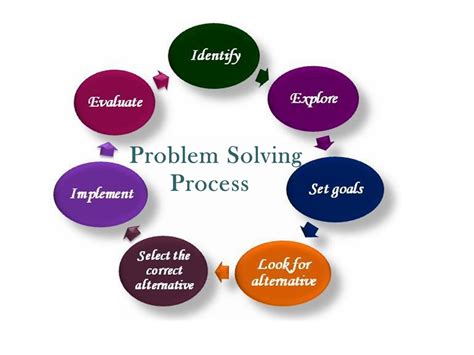
2. Develop a Structured Problem-Solving Process
Implementing systematic approaches
A structured process provides a clear pathway from problem identification to solution implementation, enhancing efficiency and effectiveness.
Understand the Problem
Define the issue in context, identifying constraints, available resources, and key stakeholders. This step sets the stage for targeted and feasible solutions.
Brainstorm Solutions
Generate a wide range of potential solutions without immediate judgment. Techniques like Mind Mapping and Brainstorming Sessions can stimulate creativity and uncover innovative ideas.
Evaluate Options
Assess each solution based on criteria such as cost, time, feasibility, and impact. Tools like SWOT Analysis and Decision Trees can aid in systematically evaluating the pros and cons of each option.
Implement the Solution
Develop a detailed action plan outlining the steps, resources, and timelines required for implementation. Effective communication with stakeholders ensures alignment and smooth execution.
Review and Learn
After implementation, evaluate the outcomes to determine the effectiveness of the solution. Reflecting on what worked and what didn’t provides valuable insights for future problem-solving endeavors.
3. Enhance Critical Thinking Skills
Building analytical prowess
Critical thinking enables objective analysis and reasoned judgment, which are vital for effective problem-solving.
Challenge Assumptions
Avoid taking information at face value. Question existing norms and beliefs to uncover hidden opportunities and explore alternative perspectives.
Logical Reasoning
Develop the ability to reason logically, avoiding emotional biases that can cloud judgment. Structured thinking processes help maintain objectivity.
Active Listening
Enhance your ability to listen actively, understanding problems from multiple viewpoints. This fosters a more comprehensive understanding and facilitates collaborative solutions.
4. Strengthen Creative Thinking
Fostering innovation and originality
Creative thinking complements critical thinking by enabling the generation of novel and effective solutions to complex problems.
Generate Multiple Solutions
Encourage the creation of diverse solutions. The more options available, the higher the likelihood of identifying the most effective one.
Challenge Conventional Approaches
Push beyond traditional methods. Reframing problems and thinking outside the box can uncover unique solutions that might otherwise be overlooked.
Inspiration from Various Fields
Draw inspiration from different disciplines and industries. Cross-disciplinary insights can lead to innovative problem-solving strategies.
5. Practice Design Thinking
Adopting a user-centric approach
Design Thinking emphasizes empathy and iteration, focusing on understanding user needs and continuously refining solutions.
Empathy-Driven Approach
Place yourself in the users’ shoes to understand their experiences and challenges. This perspective is crucial for developing relevant and effective solutions.
Reframe Problems
Transform problems into questions that invite exploration and creativity. For example, instead of stating "We have low sales," reframe it as "How might we increase our sales effectively?"
Focus on the Human Element
Ensure that solutions address the human aspects of problems, enhancing user satisfaction and engagement.
6. Collaborate Effectively
Leveraging teamwork and diverse perspectives
Collaboration brings together diverse skills and viewpoints, enriching the problem-solving process and leading to more robust solutions.
Engage Team Members
Involve colleagues or peers in brainstorming sessions to benefit from their unique insights and expertise.
Seek Mentorship
Consult with mentors or experienced individuals who can provide guidance and share valuable problem-solving strategies.
Active Listening and Communication
Foster open communication and active listening within the team to ensure all ideas are heard and considered.
7. Build Resilience and Adaptability
Maintaining perseverance and flexibility
Resilience and adaptability are crucial for navigating challenges and setbacks during the problem-solving process.
Learn from Failures
View mistakes as learning opportunities. Understanding what went wrong helps refine approaches and strategies.
Adjust to Changing Circumstances
Be flexible in your methods and open to altering your strategies in response to new information or shifting conditions.
Maintain Emotional Intelligence
Manage your emotions effectively to stay calm and focused, especially under pressure, enhancing decision-making capabilities.
8. Utilize Tools and Frameworks
Enhancing problem-solving efficiency with structured tools
Employing various tools and frameworks can streamline the problem-solving process, making it more organized and effective.
SWOT Analysis
Evaluate the Strengths, Weaknesses, Opportunities, and Threats related to a problem to gain a comprehensive understanding of the context.
Decision Trees
Map out potential decisions and their possible outcomes to visualize the consequences of each choice, aiding in informed decision-making.
5 Whys
Delve deeper into problems by repeatedly asking "Why?" to uncover the root causes beyond the surface issues.
Mind Mapping
Organize thoughts and ideas visually to identify connections and relationships between different aspects of the problem.
9. Practice Regularly
Consistent practice to refine skills
Regularly engaging in problem-solving activities helps maintain and enhance your abilities, making you more adept over time.
Solve Real-World Problems
Apply your problem-solving skills to everyday challenges, both personal and professional, to gain practical experience.
Engage in Puzzles and Games
Activities like chess, Sudoku, or escape rooms can sharpen analytical and strategic thinking, contributing to better problem-solving skills.
Seek Feedback
Solicit constructive criticism to identify strengths and areas for improvement, facilitating continuous development.
10. Build Emotional Intelligence
Managing emotions to enhance problem-solving
Emotional intelligence plays a vital role in effective problem-solving by enabling better interpersonal interactions and self-regulation.
Enhance Self-Awareness
Understand your own emotions and how they affect your thinking and behavior, allowing for more controlled and rational decision-making.
Practice Empathy
Recognize and consider the emotions and perspectives of others, which can lead to more collaborative and effective solutions.
Manage Stress
Develop strategies to cope with stress, ensuring that it does not impede your problem-solving abilities.
11. Cultivate a Growth Mindset
Embracing learning and development
A growth mindset fosters resilience and a desire to learn, which are essential for continuous improvement in problem-solving.
View Problems as Opportunities
Shift your perspective to see challenges as chances to grow and develop new skills, enhancing your overall problem-solving capacity.
Stay Curious
Maintain a sense of curiosity and a willingness to explore new ideas and approaches, driving innovative solutions.
Embrace Uncertainty
Accept that uncertainty is a part of the problem-solving process, and use it as a catalyst for exploration and discovery.
12. Maintain a Solution-Focused Attitude
Staying objective and goal-oriented
A solution-focused mindset keeps you aligned with your objectives, ensuring that efforts are directed towards achieving tangible outcomes.
Stay Objective and Fact-Based
Rely on facts and data rather than emotions or assumptions to guide your problem-solving decisions.
Focus on Controllable Elements
Concentrate on aspects that you can influence, maximizing the effectiveness of your efforts and minimizing frustration from uncontrollable factors.
Keep the End Goal in Mind
Maintain a clear vision of your desired outcome to stay motivated and directed throughout the problem-solving process.
Recap and Conclusion
Integrating strategies for optimal problem-solving
Becoming a better problem-solver is a multifaceted endeavor that involves understanding and defining problems clearly, developing structured approaches, enhancing critical and creative thinking, and building emotional intelligence. Regular practice, collaboration, and the use of effective tools and frameworks further solidify these skills, leading to more effective and innovative solutions. Embracing a growth mindset and maintaining a solution-focused attitude ensures continuous improvement and adaptability in the face of evolving challenges.
By systematically applying these comprehensive strategies, you can significantly enhance your problem-solving abilities, making you more resilient and effective in both personal and professional contexts.
References
Last updated January 19, 2025