
Navigating Post-Masturbation Cleanup: Practical and Hygienic Approaches
Explore effective methods for discreet and responsible ejaculate disposal and personal hygiene.
Key Insights for Responsible Cleanup
- Immediate Disposal: The most common and convenient methods for ejaculate disposal involve using tissues, toilet paper, or a designated cloth/towel, followed by proper waste disposal.
- Hygiene is Paramount: Thorough cleaning of your body and any contaminated surfaces with water and mild soap is crucial to prevent skin irritation, maintain personal hygiene, and ensure a clean environment.
- Sperm Storage Considerations: Storing ejaculate, even temporarily, outside of professional cryopreservation facilities is not recommended for viability or safety due to specific temperature and environmental requirements for sperm survival.
For individuals masturbating at a PC, discreet and effective cleanup methods are essential for maintaining hygiene and comfort. While the act of masturbation itself is natural and healthy, proper handling of ejaculate is a common concern. This guide will provide practical advice on immediate cleanup, safe disposal, and important considerations regarding sperm viability outside of professional settings.
Immediate Cleanup Strategies
Prompt and efficient cleanup after masturbation is key to maintaining personal hygiene and tidiness, especially when at a computer. Various materials can be used, and the method often depends on personal preference and immediate accessibility.
Common Materials for Quick Cleanup
The most straightforward and widely used materials for cleaning up ejaculate are absorbent and readily available:
- Tissues or Toilet Paper: These are the most common choices due to their absorbency and disposability. Keeping a box of tissues or a roll of toilet paper within reach allows for quick and easy cleanup. It's advisable to use several sheets, folded for thickness, to ensure complete absorption and prevent leakage. After use, these should be immediately discarded in a trash can.
- Designated Cloths or Towels: For a more environmentally friendly or discreet option, a small, dark-colored towel or old T-shirt can be designated specifically for this purpose. This allows you to ejaculate onto the cloth, then use it to wipe clean. Once used, it should be placed directly into a laundry hamper for washing. This method avoids the need for immediate trash disposal and can be less conspicuous.
- Wet Wipes or Baby Wipes: These provide a more thorough initial cleanup, especially if a shower isn't immediately possible. Non-perfumed baby wipes are gentle on sensitive skin and can effectively remove residue. Like tissues, they should be disposed of in a trash can, not flushed, to prevent plumbing issues.
Techniques for Effective Wiping
Regardless of the material used, a few techniques can make cleanup more effective:
- Direct Aim: If possible, aim the ejaculate directly onto the chosen material (e.g., tissue, towel) to minimize mess on surrounding surfaces.
- Gentle Wiping: After ejaculation, gently wipe the penis and surrounding area to remove all residue. Avoid excessive rubbing, especially if the skin is sensitive or if lubricants were used.
- Post-Wipe Rinse (if possible): If immediate access to a bathroom is available, a quick rinse with warm water and mild soap after the initial wipe can further enhance cleanliness and prevent skin irritation. This is particularly important for circumcised individuals, as dried semen can cause discomfort.
Safe and Hygienic Disposal of Ejaculate
After cleanup, the proper disposal of contaminated materials is crucial for hygiene and to prevent odors or accidental exposure. While a screw-on lid jar might seem like a discrete option, it's generally not recommended for ejaculate containment due to hygiene, odor, and potential biological waste considerations.
Recommended Disposal Methods for Contaminated Materials
- Trash Can with Liner: The most common and practical method is to wrap used tissues or wipes in additional tissue or paper, place them in a small plastic bag (like a Ziploc bag for odor control), and then dispose of them in a trash can with a liner. This contains any remaining moisture or odor. The trash can should be emptied regularly.
- Laundry: If using a reusable cloth or towel, place it directly into a laundry hamper to be washed with other clothes. Washing with regular detergent and warm water will effectively clean the material.
- Toilet (with caution): While flushing semen down the toilet is technically possible, it is not always recommended for contaminated materials like tissues, as they can cause plumbing issues. Semen itself, once outside the body, rapidly loses viability and cannot cause pregnancy through plumbing systems. However, flushing large quantities of paper can lead to clogs.
Why Storing Ejaculate in a Jar is Not Advised
The idea of a jar with a screw-on lid for regular emptying, while seemingly convenient for discreet disposal, presents several problems:
- Hygiene and Odor: Semen, like any bodily fluid, can become a breeding ground for bacteria if left at room temperature. This can lead to unpleasant odors and potential health hazards if not properly cleaned and sterilized after each use. Regular emptying and thorough cleaning of the jar would be required, which negates the convenience.
- Biological Waste Concerns: While not classified as hazardous waste in the same category as bloodborne pathogens unless a known infection is present, bodily fluids still require proper disposal. A jar containing ejaculate, especially if left for an extended period, could be considered a biohazard depending on local regulations and personal health status. Professional biological waste disposal involves specific containment and treatment (e.g., incineration, autoclaving) to ensure safety.
- Viability of Sperm: If the intent behind storing ejaculate in a jar is related to fertility, it's crucial to understand that sperm viability outside the reproductive tract is very limited at room temperature. Sperm must be frozen at extremely low temperatures (-196°C or -320°F) in liquid nitrogen for long-term preservation, a process known as cryopreservation, which can only be done in specialized labs and sperm banks. A household freezer (-18°C or 0-2°F) is nowhere near cold enough to preserve sperm viability.
The Science of Sperm Preservation: Why Home Storage Fails
Understanding the conditions required for sperm viability highlights why at-home storage methods like a jar or regular freezer are ineffective for fertility preservation.
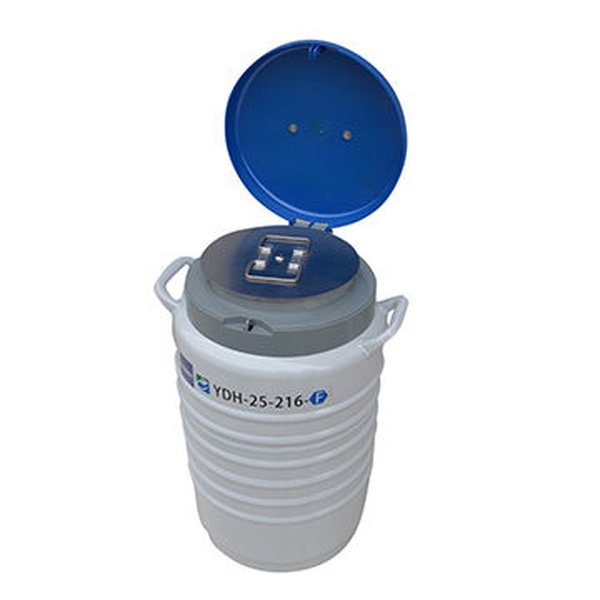
Specialized cryogenic tanks are essential for viable sperm storage.
Cryopreservation: The Only Effective Method
Sperm freezing, or cryopreservation, is a highly successful method for preserving male fertility. This intricate process requires:
- Specialized Laboratories: Samples are collected (often at home via kits or at clinics) and then transported to a lab.
- Semen Analysis: Before freezing, sperm undergoes analysis for concentration, motility, and morphology to ensure viability.
- "Washing" and Cryoprotectants: The semen plasma is removed, and a special fluid (cryoprotectant) is added to protect the sperm cells from damage during the freezing process.
- Liquid Nitrogen Storage: Sperm is stored in cryovials or straws and then placed in liquid nitrogen tanks at an ultra-low temperature of -196°C (-320°F). At this temperature, all biological activity ceases, allowing sperm to be stored indefinitely without deterioration.
Household freezers, operating at around -18°C (0-2°F), cannot reach these critical temperatures. At such comparatively warm temperatures, sperm rapidly loses viability and structure, rendering it unsuitable for future fertility purposes.
Sperm Survival Outside the Body
Sperm is extremely delicate outside the body. At room temperature, it can survive for a very brief period, typically less than an hour, and its ability to fertilize an egg diminishes rapidly. On dry surfaces, sperm dies almost immediately as the fluid evaporates. This is why even if semen is flushed down a toilet or disposed of in other common waste, the risk of pregnancy is virtually non-existent once it's outside the body and not in a warm, moist, fertile environment.
Best Practices for Overall Post-Masturbation Hygiene
Beyond ejaculate disposal, overall personal hygiene after masturbation is important for comfort and health.
Personal Cleaning
- Washing the Genitals: After disposing of ejaculate, it's advisable to wash the genital area with lukewarm water and mild, unscented soap. This removes any residue, lubricant, or sweat, preventing irritation and maintaining freshness.
- Showering: If feasible, a full shower is the most comprehensive way to clean up after masturbation, ensuring all bodily fluids and any lubricants are thoroughly rinsed off.
- Drying: Always dry the genital area thoroughly after washing to prevent moisture buildup, which can lead to skin issues.
Cleaning Surfaces and Accessories
If masturbation occurred at a PC, consider cleaning nearby surfaces or accessories:
- Computer Peripherals: If any ejaculate or lubricant came into contact with your keyboard, mouse, or desk, wipe these surfaces down with a disinfectant wipe or a cloth dampened with a mild cleaning solution.
- Clothing and Bedding: Any clothing or bedding that came into contact with ejaculate should be laundered promptly to prevent stains and odors.
- Sex Toys: If sex toys were used, clean them according to the manufacturer's instructions. Water-based lubricants are generally easier to clean than oil-based ones, which may require specialized cleaning products.
Understanding Cleanup Effectiveness: A Comparative Analysis
To provide a clear perspective on different cleanup approaches, the following radar chart illustrates the perceived effectiveness of various methods across key hygiene and convenience factors. This chart is based on general user experiences and common recommendations, rather than scientific measurements, reflecting a qualitative assessment of each option.
The chart illustrates that while tissues and wipes offer high convenience, immediate showering excels in hygiene. The 'Jar with Screw-on Lid' option scores high on perceived discreetness but poorly on hygiene and odor control, reinforcing why it is not a recommended method for ejaculate disposal.
Considerations for Fertility Preservation
If your question about a jar implies any thought of preserving sperm for future fertility, it is crucial to understand the distinct difference between casual disposal and professional sperm banking. The video below provides insights into the preparation and considerations for sperm freezing in a clinical setting.
This video explains the preparation process for professional sperm freezing to preserve reproductive cells, highlighting the specialized steps and clinical environment necessary for viable preservation.
When Professional Sperm Banking is Appropriate
Sperm banking is a valuable option for various reasons, including:
- Medical Treatments: Before undergoing treatments like chemotherapy or radiation that may impair fertility.
- Surgical Procedures: Prior to surgeries that might affect reproductive organs.
- High-Risk Occupations: For individuals in professions with exposure to hazards that could impact fertility (e.g., military deployment, certain industrial jobs).
- Planned Parenthood: For those wishing to delay parenthood due to age or other life circumstances.
- Transitioning Individuals: Before gender-affirming hormone therapy or surgery.
Home collection kits are available from specialized companies, allowing individuals to produce a sample in the comfort of their home. However, these kits are designed for transport to a professional lab for cryopreservation, not for home storage.
Comparative Overview of Sperm Handling Scenarios
This table summarizes different scenarios related to sperm handling, from immediate post-masturbation cleanup to long-term professional storage, highlighting key characteristics and outcomes.
| Scenario | Purpose | Environment/Materials | Sperm Viability | Hygienic Outcome | Recommendation |
|---|---|---|---|---|---|
| Immediate Post-Masturbation Cleanup | Disposal, hygiene, tidiness | Tissues, toilet paper, designated cloth, wet wipes, immediate shower | Dies rapidly (minutes) | High (with proper technique) | Essential for personal hygiene and environment cleanliness. |
| Short-Term Home Storage (e.g., in a jar) | Discreet containment (not preservation) | Airtight container at room temperature | Dies rapidly (hours) | Low (risk of odor, bacterial growth, biohazard) | Not recommended due to hygiene, odor, and lack of viability preservation. |
| Household Freezer Storage | Attempted preservation (erroneous) | Standard freezer (-18°C / 0-2°F) | Dies quickly; structural damage occurs. | Irrelevant (not for hygiene); poor for viability. | Ineffective for sperm preservation; not recommended. |
| Professional Sperm Banking (Cryopreservation) | Long-term fertility preservation | Specialized lab, liquid nitrogen tanks (-196°C / -320°F) | Viable indefinitely (decades) | Highly controlled, sterile environment. | Only effective method for preserving sperm for future use. |
| Sperm Collection Kits (At-Home for Lab Submission) | Convenient sample collection for professional banking | Kit with transport media, secure vessel | Maintained for transport (hours-day) | Controlled for transport; lab handles final hygiene. | Useful for discreet collection before professional freezing. |
Frequently Asked Questions
What is the best way to clean up after masturbating if I can't shower immediately?
Can sperm survive outside the body for long enough to cause pregnancy?
Is it hygienic to dispose of ejaculate in a trash can?
What are the risks of storing ejaculate in a jar at home?
What are some general tips for maintaining hygiene after masturbation?
Conclusion
Handling ejaculate discreetly and hygienically after masturbation at a PC is a common concern. While a screw-on lid jar might seem like a simple solution, it is not recommended due to significant hygiene issues and the complete inability to preserve sperm viability. For immediate cleanup, readily available materials like tissues, toilet paper, or a dedicated washable cloth are highly effective. Follow these with thorough personal washing and proper disposal of contaminated materials in a sealed trash can or laundry.
For any consideration of sperm preservation for fertility, it is crucial to consult professional sperm banks. These facilities utilize advanced cryopreservation techniques involving liquid nitrogen to maintain sperm viability indefinitely, a process impossible to replicate with home methods. Prioritizing proper hygiene after masturbation ensures both personal well-being and a clean environment.
Recommended Further Exploration
- How to choose a professional sperm bank for fertility preservation?
- What are the best lubricants for masturbation that ensure easy cleanup?
- Explore the health benefits and common myths associated with masturbation.
- Delve deeper into understanding male fertility and factors affecting sperm health.